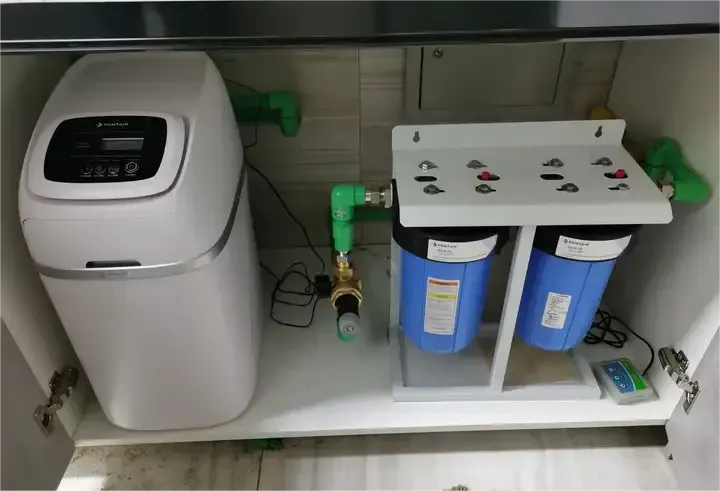


















The article delves into the intricacies of how carbon filters purify water, focusing on the adsorption process where contaminants adhere to the surface of activated carbon. It explains that the high surface area of activated carbon, created by heating carbon-rich materials, allows for effective trapping of impurities. This mechanism is essential for removing a broad spectrum of contaminants, including organic chemicals, volatile organic compounds (VOCs), chlorine, chloramine, sediments, and heavy metals like lead and mercury.
Reading this article will benefit individuals by providing a comprehensive understanding of what a carbon filter does for water. It highlights the advantages of using carbon filters, such as improved water taste and odor, cost-effectiveness, and positive environmental impact by reducing plastic waste. Furthermore, the article offers practical advice on the maintenance and lifespan of carbon filters, ensuring you can maximize their filter’s efficiency and longevity.
Key Points
- Carbon filters use adsorption to purify water.
- Activated carbon has a high surface area.
- Filters trap impurities in carbon pores.
- Effective for organic chemicals and VOCs.
- Removes chlorine and chloramine.
- Improves water taste and odor.
- Traps sediments and particulate matter.
- Reduces heavy metals like lead and mercury.
- Cost-effective and widely accessible.
- Positive environmental impact by reducing plastic.
- Regular maintenance extends filter lifespan.
- Replacement intervals vary by filter type.
How Carbon Filters Job in Water Purification
As a professional in the area, I can inform you that comprehending the mechanism of carbon filters in water filtration is critical for valuing their efficiency. Carbon filters use a procedure understood as adsorption, where impurities in the water stick to the surface of the carbon particles. This is not to be puzzled with absorption, where substances are taken up internally.
The high surface location of turned on carbon makes it incredibly effective at trapping impurities. Activated carbon is generated by home heating carbon-rich products, such as wood, coconut shells, or coal, in the lack of air. This procedure develops a substantial network of pores within the carbon, which significantly boosts its surface area. To provide you a concept, a solitary gram of activated carbon can have a surface location going beyond 3,000 square meters.
When water travels through a carbon filter, pollutants are entraped in these pores with physical adsorption. In addition, chemical adsorption can take place, where particular pollutants bind to the carbon surface area due to chemical communications. This dual-action device makes sure that a broad range of impurities can be properly eliminated from the water.
| Product | Surface (m ²/ g) | Typical Usage |
|---|---|---|
| Wood-Based Carbon | 1,000 – 1,200 | General Water Purification |
| Coconut Covering Carbon | 1,500 – 2,000 | Consuming Water Purification |
| Coal-Based Carbon | 800 – 1,000 | Industrial Water Treatment |
It’s likewise essential to note that the performance of carbon filters can be affected by elements such as the flow price of water with the filter, the type and focus of pollutants, and the filter’s layout and quality. Reduced flow rates generally enhance the call time in between water and carbon, leading to much better purification performance.
Altogether, carbon filters are a flexible and reliable remedy for water purification, leveraging the principles of adsorption and the expansive surface of turned on carbon to remove impurities from water.
Sorts Of Pollutants Eliminated by Carbon Filters
Carbon filters are highly efficient in removing a wide range of contaminants from water, making it much safer and extra pleasurable to consume alcohol. Among the main kinds of pollutants that carbon filters target is natural chemicals, including pesticides, herbicides, and different commercial chemicals. These substances can dramatically influence the preference and safety of alcohol consumption water.
Another important category of impurities eliminated by carbon filters is unpredictable natural substances (VOCs). VOCs are chemicals that quickly vaporize into the air and can be harmful when consumed. Common VOCs consist of benzene, toluene, and xylene. Carbon filters are specifically experienced at trapping these substances due to their high area and permeable nature.
Carbon filters are likewise effective in getting rid of chlorine and chloramine, which are commonly made use of as disinfectants in local water products. While these chemicals are crucial for eliminating hazardous pathogens, they can leave an undesirable taste and smell in the water. Carbon filters soak up these anti-bacterials, resulting in cleaner and better-tasting water.
Along with chemical pollutants, carbon filters can likewise remove sediments and particulate issue. These consist of corrosion, dirt, and silt, which can shadow the water and possibly harbor hazardous microorganisms. By filtering out these particles, carbon filters help ensure the quality and pureness of the water.
Finally, carbon filters excel at decreasing levels of hefty metals such as lead, mercury, and copper. Although they may not remove these steels entirely, they can considerably minimize their focus, adding to more secure drinking water.

Benefits of Using Carbon Filters for Water Purification
When it involves water filtration, carbon filters provide a variety of substantial benefits. These filters are especially efficient in eliminating a variety of contaminants, boosting both the safety and preference of alcohol consumption water. By recognizing the benefits of carbon filters, one can appreciate their value in a water filtration system.
Removal of Chlorine and Chloramines
Carbon filters are very reliable in removing chlorine and chloramines, which are typically utilized as disinfectants in municipal water materials. The removal of these materials not just makes the water safer to consume yet also enhances its taste and smell, making it extra positive for everyday usage.
Decrease of Volatile Organic Compounds (VOCs)
One more significant benefit is the reduction of unpredictable organic compounds (VOCs), which can have dangerous health and wellness effects. Carbon filters can adsorb a variety of VOCs, consisting of pesticides, herbicides, and commercial solvents, hence safeguarding consumers from potentially harmful chemicals.
Improvement of Taste and Odor
One of the most obvious benefits of making use of carbon filters is the substantial enhancement in the preference and smell of water. By removing impurities that add to poor taste and scent, such as chlorine and sulfur, carbon filters offer a cleaner and a lot more rejuvenating drinking experience.
Removal of Sediments and Particulates
Carbon filters can additionally trap and remove debris, dust, and various other particle matter from water. This not only makes the water clearer however also protects against blocking and damage to plumbing systems and household devices.
Cost-Effectiveness and Ease of access
Carbon filters are relatively economical compared to various other water filtration methods. Their cost-effectiveness, integrated with their capability to be used in various applications– from kitchen counter pitchers to whole-house filtration systems– makes them an obtainable choice for numerous houses.
Environmental Impact
Making use of carbon filters can also have positive environmental influences. By decreasing the demand for bottled water, they aid reduce plastic waste. Additionally, carbon filters can be reused or replaced, making them a lasting option for long-term water filtration requirements.
| Benefit | Description |
|---|---|
| Elimination of Chlorine and Chloramines | Enhances safety and security and preference of alcohol consumption water |
| Decrease of VOCs | Safeguards from damaging chemicals |
| Improvement of Taste and Smell | Gives cleaner and more rejuvenating water |
| Removal of Sediments and Particulates | Prevents clogging and damages to plumbing |
| Cost-Effectiveness and Access | Budget friendly and commonly available |
| Environmental Impact | Lowers plastic waste and is lasting |
Maintenance and Life-span of Carbon Water Filters
Correct maintenance of carbon water filters is crucial to guarantee their performance and durability. Normal upkeep not just guarantees the elimination of contaminants however also prolongs the filter’s life expectancy. The frequency of upkeep depends upon a number of aspects, consisting of the top quality of the water being filteringed system, the kind of carbon filter made use of, and the volume of water processed.
Usually, carbon filters should be changed every 6 to twelve month. Nevertheless, this can differ based upon usage and water quality. For circumstances, if the water consists of a high degree of contaminants, the filter might require to be replaced more often. It’s necessary to keep an eye on the filter’s performance and look for indicators such as a decline in water flow price or a change in water taste, which might show that the filter is nearing completion of its beneficial life.
Right here is a table summarizing the general upkeep routine for different kinds of carbon filters:
| Kind Of Carbon Filter | Suggested Substitute Interval |
|---|---|
| Granular Turned On Carbon (GAC) Filters | 6 to year |
| Carbon Block Filters | 12 to 18 months |
| Carbon-Impregnated Filters | 9 to twelve month |
To maintain the filter, it is suggested to follow the producer’s directions, which often include normal flushing of the filter to get rid of trapped bits and avoid clogging. Furthermore, keeping the filter housing tidy and without particles can assist keep ideal efficiency.
In recap, the life expectancy of a carbon water filter is influenced by the type of filter, water high quality, and usage. Regular tracking and prompt replacement are key to making certain that the filter continues to offer clean and safe drinking water. By sticking to an appropriate upkeep timetable, you can take full advantage of the effectiveness and long life of your carbon water filter.
Frequently Asked Questions (FAQs) about Carbon Filters for Water Purification
What does a carbon filter do for water?
A carbon filter removes contaminants from water through a process called adsorption. Contaminants adhere to the surface of the carbon particles, effectively trapping them and purifying the water.
How does a carbon filter work?
Carbon filters work by utilizing the high surface area of activated carbon, which is created by heating carbon-rich materials in the absence of air. This process forms a network of pores that trap impurities through physical and chemical adsorption.
What types of contaminants can carbon filters remove?
Carbon filters can remove a wide range of contaminants, including organic chemicals, volatile organic compounds (VOCs), chlorine, chloramine, sediments, particulate matter, and heavy metals like lead and mercury.
Are carbon filters effective in improving the taste and odor of water?
Yes, carbon filters are highly effective in improving the taste and odor of water by removing substances such as chlorine, sulfur, and various organic compounds that can cause unpleasant tastes and smells.
How often should I replace my carbon filter?
The replacement interval for carbon filters varies based on the type of filter and water quality. Generally, granular activated carbon (GAC) filters should be replaced every 6 to 12 months, carbon block filters every 12 to 18 months, and carbon-impregnated filters every 9 to 12 months.
What factors influence the efficiency of a carbon filter?
The efficiency of a carbon filter can be influenced by the flow rate of water, the type and concentration of contaminants, and the design and quality of the filter. Lower flow rates typically enhance contact time, leading to better filtration performance.
Can carbon filters remove heavy metals completely?
While carbon filters can significantly reduce the concentration of heavy metals such as lead, mercury, and copper, they may not remove them entirely. It’s important to use filters designed specifically for heavy metal removal for optimal results.
What are the benefits of using carbon filters for water purification?
Carbon filters offer numerous benefits, including the removal of chlorine and chloramines, reduction of VOCs, improvement of taste and odor, removal of sediments and particulates, cost-effectiveness, accessibility, and positive environmental impact by reducing plastic waste.
How do I maintain my carbon water filter?
Proper maintenance involves following the manufacturer’s instructions, regularly flushing the filter to remove trapped particles, and keeping the filter housing clean. Monitoring the filter’s performance and replacing it as needed ensures continued effectiveness.
What is the environmental impact of using carbon filters?
Using carbon filters can help reduce plastic waste by decreasing the need for bottled water. Additionally, carbon filters can be recycled or replaced, making them a sustainable choice for long-term water filtration needs.