
















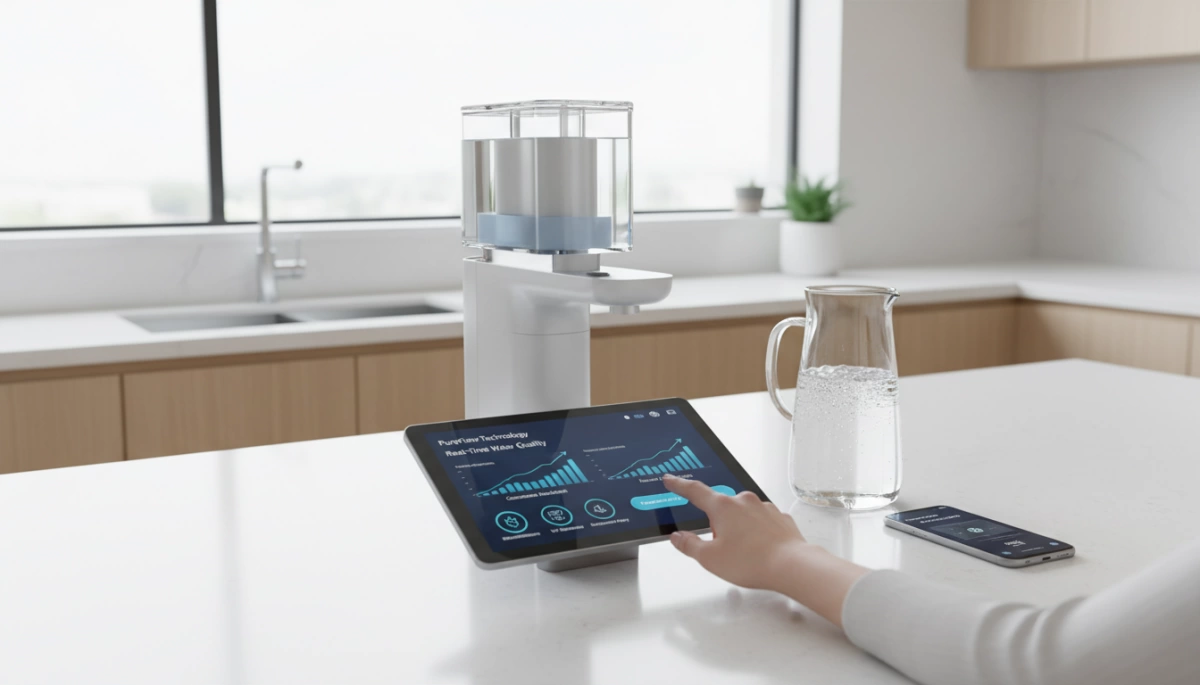
History of Technology Evolution Trends in Faucet Filtration
If you’ve ever wondered when faucet filters actually got good, you’re not alone. The technology evolution trends in faucet filtration have moved fast—from simple taste improvement to serious contaminant reduction.
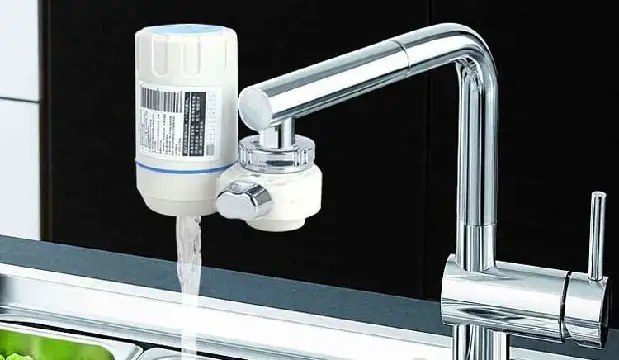
Early Faucet Mounted Water Filter Evolution
The first faucet mounted water filter evolution in US kitchens was basic and honestly pretty rough:
- Simple activated carbon attachments clipped onto the faucet
- Main goal: improve taste and odor from chlorine, not heavy metals or PFAS
- Limited flow, frequent clogs, and awkward switching between filtered and unfiltered water
These early activated carbon faucet filters were better than nothing, but they weren’t designed for the kind of water quality concerns we now face.
Key Milestones from the 1990s to 2010s
From the 1990s through the 2010s, faucet filtration technology started to mature:
- NSF-certified faucet water filters became standard, giving consumers real performance claims
- Multi-stage faucet filtration systems added sediment, carbon block, and sometimes ceramic layers
- Brands introduced higher flow faucet filtration technology to make filtered water usable for everyday kitchen tasks
- Longer-lasting cartridges cut down on cost and waste, making faucet filters a realistic bottled water alternative
By the late 2000s, kitchen faucet water filter systems weren’t just “nice to have”—they were a core part of point-of-use drinking water filtration in many US homes.
Shift Toward Broader Contaminant Removal and Better UX
As awareness grew, so did expectations. The focus shifted from “better taste” to real health protection:
- Filters evolved from basic carbon to advanced faucet filtration media that could reduce lead, VOCs, and industrial chemicals
- Better faucet filter efficiency improvements made it possible to pack more performance into compact devices
- Designs improved: easier DIY installation, more durable housings, and simpler filter changes
- User-friendly features like filter status indicators reduced guesswork and improved trust
This era set the foundation for today’s high-performance on-tap water purification systems that actually match how we cook, drink, and live.
Impact of Water Quality Crises on Adoption
US water quality crises—from lead contamination in older cities to PFAS alerts in suburban communities—completely changed how people see faucet filtration:
- Spikes in demand followed high-profile events like the Flint, Michigan crisis
- More families began looking for lead and microplastics reduction trends and PFAS removal in faucet filters
- Regulators and watchdog groups pushed for stricter NSF certifications and clearer performance labeling
- Consumers started treating point-of-use drinking water filtration as essential, not optional
As an operator in this space, I’ve seen firsthand how these events moved the market from simple “taste filters” to serious, health-focused faucet filtration technology advancements that are now driving the next generation of products.
Core Technology Evolution in Faucet Filtration
Over the last decade, technology evolution trends in faucet filtration have shifted from simple carbon blocks to highly engineered, multi-stage on-tap systems designed around U.S. water quality problems, especially lead, PFAS, and microplastics. When I design or source faucet filters, I’m looking at four big pillars: media innovation, flow performance, contaminant coverage, and real-world usability.
Faucet Filtration Media & Multi‑Stage Systems
Modern faucet mounted water filter evolution is all about stacking and optimizing media:
- Activated carbon + carbon block for taste, chlorine, VOCs, and basic chemical removal
- Ceramic or fine sediment layers to trap rust, sand, and larger particles
- Ion-exchange media to cut lead and heavy metals
- Specialty resins tuned for things like scale, nitrate, or specific metals
Today’s better multi-stage faucet filtration systems use tight pore-size carbon blocks, mixed-bed resins, and sometimes micro-filtration (0.5–0.2 microns) to push faucet filter efficiency improvements closer to under-sink performance while staying compact and easy to install.
PFAS Removal & Emerging Contaminants
In the U.S., PFAS removal in faucet filters has gone from “nice to have” to “must have” in many regions. Newer on-tap systems use:
- High-iodine activated carbon and modified carbon blocks
- Selective ion-exchange resins that target PFAS molecules
- Tighter contact time and flow path design to boost PFAS capture
R&D teams are now tuning emerging contaminants faucet filtration for things like pharmaceuticals, pesticides, and disinfection byproducts. A lot of this tech comes from the same innovation pipeline that drives media and system engineering in advanced RO units.
Lead and Microplastics Reduction Trends
For U.S. homes, lead and microplastics reduction trends are driving faucet filter design:
- NSF certified faucet water filters (NSF/ANSI 42, 53, and now 401) are becoming the baseline
- Lead reduction uses refined carbon blocks plus high-capacity ion-exchange
- Microplastics are tackled with sub-micron filtration and carefully controlled pore size
The goal is clear: match or beat typical kitchen faucet water filter systems under the sink, but in a compact, renter-friendly form.
High Flow Tech & Longer Cartridge Life
Older faucet filters used to kill water pressure. New high flow faucet filtration technology focuses on:
- Optimized internal flow channels that reduce pressure drop
- Low-resistance but high-density media layouts
- Cartridge longevity designs rated for 3–6 months or 300–400+ gallons
For U.S. users who hate slow taps, the better systems can deliver around 1.0–1.5 GPM of filtered water while keeping solid contaminant reduction. This is a key selling point when I spec or recommend point-of-use drinking water filtration solutions as a bottled-water alternative.
Design, Usability & DIY Installation
Finally, design is catching up with the tech. Faucet filtration technology advancements now factor in:
- Tool-free, DIY installation with multiple adapters for standard U.S. faucets
- Simple twist-lock cartridges—no plumber, no mess
- Slim, low-profile bodies that don’t crowd the sink
- Clear filter status cues (mechanical timers or simple indicators)
The best kitchen faucet water filter systems blend into modern kitchens, install in minutes, and make it obvious when to replace the filter. That combination—strong media, high flow, and easy DIY use—is exactly where I see the U.S. market heading, and it’s where I focus my own innovation and product development efforts, similar to what we outline in our broader innovation development approach.
Current Technology Trends in Faucet Filtration (2026–2026)
Faucet mounted vs integrated smart water filtration faucets
In 2026–2026, technology evolution trends in faucet filtration are moving from basic faucet-mounted filters to integrated smart water filtration faucets.
- Faucet-mounted filters: cheapest, easy to install, great for renters and small apartments.
- Integrated filtration faucets: cleaner look, better flow, more advanced multi-stage filtration, and smart features built into the tap itself.
Most U.S. homeowners who are remodeling kitchens now lean toward integrated or 2-in-1 filtered taps instead of bulky add-ons.
2‑in‑1 and 3‑way filtered tap designs
Modern kitchens in the U.S. are shifting to 2‑in‑1 and 3‑way filtered kitchen taps:
- 2‑in‑1 faucets: regular tap water + filtered drinking water in one faucet body.
- 3‑way taps: hot, cold, and filtered water from separate channels, so filtered water never passes through standard plumbing lines.
These designs pair perfectly with point-of-use drinking water filtration like under-sink or reverse osmosis systems, giving clean water without adding another countertop unit. If you’re considering a full RO setup with a dedicated faucet, it’s worth understanding how an undersink reverse osmosis system works.
Smart integrated water filtration faucets and touchless control
Smart integrated water filtration faucets are now coming with:
- Touchless control (motion sensors or tap-on/tap-off)
- Preset dispensing (8 oz, 16 oz, baby bottle fill)
- Temperature control for drinking, tea, or coffee
These touchless filtered water faucets fit well in busy U.S. family kitchens where people want cleaner water, fewer germs on handles, and quick one-touch operation.
Filter status monitoring and app connectivity
One of the biggest faucet filtration technology advancements is in filter status monitoring:
- LED indicators on the faucet showing filter life
- Flow-based or time-based tracking so you don’t guess when to change
- App connectivity with usage history, reminders, and even local water quality alerts
Smart home compatible water filters are becoming normal, not niche. People want clear data on how much water they’re actually drinking and whether their filter is still effective.
Sustainable faucet filter innovations
U.S. buyers are also pushing for sustainable faucet filter innovations and eco-friendly faucet filter cartridges:
- Recyclable or reduced-plastic cartridges
- Longer-life filters (6–12 months) to cut waste
- Concentrated media designs so less plastic is used per gallon filtered
Because many Americans are looking at faucet filters as a bottled water alternative, eco-friendly design and less plastic trash are now core selling points, not nice-to-haves.
Market growth, regulations, and behavior shifts
Between PFAS headlines, lead concerns, and microplastics research, home faucet filtration market trends in the U.S. are accelerating fast:
- More households are adding point-of-use drinking water filtration even when their city water “meets standards.”
- NSF-certified faucet water filters and transparent performance claims matter more than branding alone.
- Regulations on PFAS and lead are getting tighter, pushing brands to invest in R&D trends in point-of-use water filters and more advanced faucet filtration media.
Bottom line: in 2026–2026, faucet filtration technology is getting smarter, cleaner-looking, and more sustainable, with a clear shift toward integrated, app-aware, and eco-conscious systems that fit real U.S. kitchen habits.
Next Generation Faucet Filtration Technology
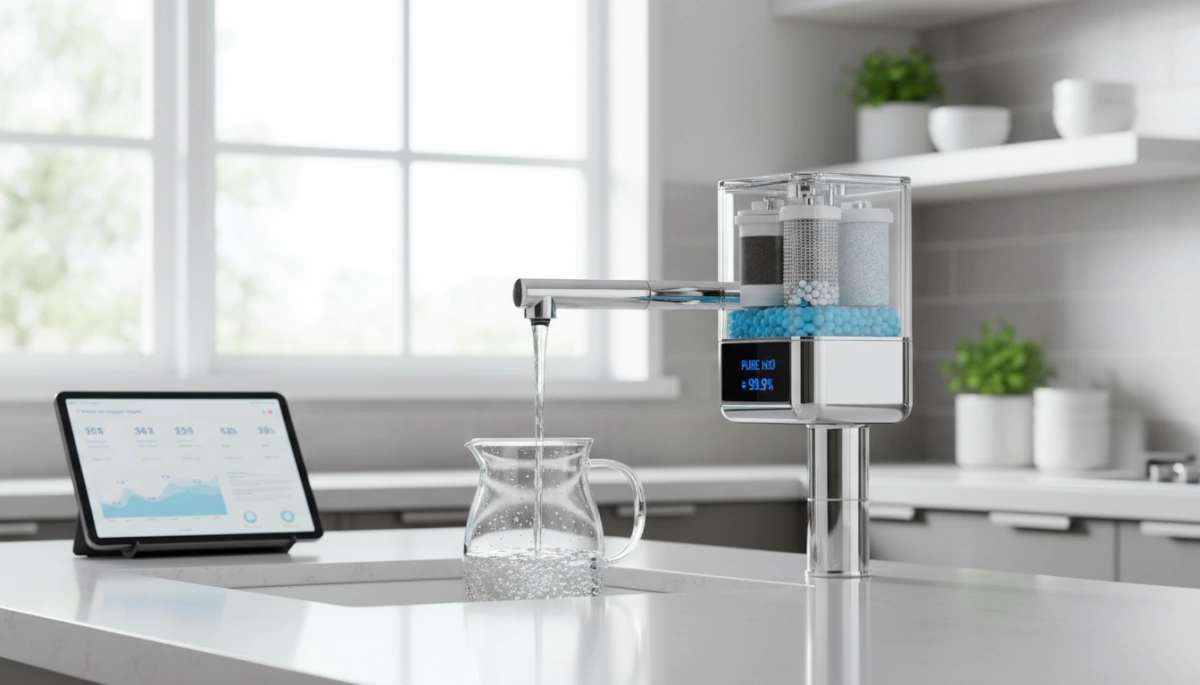
Advanced faucet filtration media: graphene, nano, and composites
We’re now seeing a real jump in faucet filtration technology evolution with advanced media like graphene coatings, nano-activated carbon, and composite blocks. These next generation faucet water purifiers are designed to grab onto smaller particles and tougher chemicals while keeping high flow faucet filtration performance. In simple terms, you get cleaner water, faster flow, and longer-lasting cartridges instead of constantly swapping out basic carbon filters.
Emerging contaminants beyond PFAS and lead
The next big step is targeting emerging contaminants faucet filtration hasn’t handled well in the past: pharmaceutical residues, hormones, disinfection byproducts (like THMs), and new PFAS variants. R&D trends in point-of-use water filters are pushing faucet mounted systems to perform closer to under-sink units, with multi-stage faucet filtration systems tuned to real U.S. tap issues—old pipes, industrial runoff, and changing local water treatment practices.
Hybrid multi‑stage systems with remineralization
Hybrid faucet filters are combining activated carbon and ceramic faucet filters, ion exchange, and specialty resins in one compact on-tap unit. Then they add remineralization stages that put back beneficial minerals like calcium and magnesium for better taste and pH balance. Instead of “flat” water, you get cleaner, more balanced drinking water straight from the tap, without needing a bulky under-sink setup.
Reverse osmosis compatible faucet taps
As more homes add RO systems, reverse osmosis compatible faucet taps are becoming standard in modern kitchens. These specialized taps pair with RO or UF stages under the sink for point-of-use synergy: RO or UF handles heavy lifting (like dissolved solids and lead), while the faucet tip can add polishing filtration or remineralization. If you’re comparing technologies, it helps to understand how different water filter types work together in a single kitchen setup: overview of common water filter technologies.
AI‑driven and self‑optimizing faucet filters
Smart integrated water filtration faucets are moving beyond simple filter timers. AI-driven systems will profile your real usage, local water quality, and flow rate, then adjust service alerts and replacement timing automatically. Think of smart home compatible water filters that predict when your cartridge will actually lose efficiency instead of just counting days. Over time, this kind of self-optimizing setup means better protection, fewer guesswork changes, and less wasted filters.
Portable and renter‑friendly next gen purifiers
For renters and people who move often, portable faucet water filter solutions are getting more advanced too. Tool-free, universal adapters, compact multi-stage media, and quick-swap cartridges make it easy to take your filtration with you from apartment to apartment. These on-tap water purification systems deliver many of the benefits of bigger kitchen faucet water filter systems without drilling holes or modifying plumbing—perfect for U.S. renters who want cleaner water without fighting their landlord.
Practical Benefits of Evolving Faucet Filtration Trends
Health protection: PFAS, lead, microplastics & more
Modern faucet filtration technology evolution is all about real health protection, not just better taste. With today’s multi‑stage faucet filtration systems, you can realistically reduce:
- PFAS (“forever chemicals”) – with upgraded carbon + specialty media
- Lead – especially in older homes with legacy plumbing
- Microplastics – via fine mechanical or membrane-style filtration
- Chlorine, VOCs, pesticides, and odors – with advanced carbon blocks
Look for NSF certified faucet water filters (NSF 42/53/401) to confirm real-world performance, not marketing hype.
Everyday convenience & usability
For most U.S. homes, faucet mounted water filter evolution has made clean water a one‑handed, everyday habit:
- Simple on‑tap water purification systems – flip a lever for filtered water only
- High flow faucet filtration technology – less pressure drop, faster filling
- DIY install in minutes – no plumber, no drilling, renter‑friendly
- Options like touchless filtered water faucets and smart home compatible water filters for hands‑free use in busy kitchens
If you don’t want to modify cabinets or drill sinks, pairing a faucet filter with countertop reverse osmosis water systems is another strong point‑of‑use combo for picky drinkers and coffee lovers.
Cost effectiveness vs bottled water & under‑sink
Most U.S. families save big when they swap cases of bottled water for kitchen faucet water filter systems.
| Option | Upfront Cost | Ongoing Cost / Gal* | Notes |
|---|---|---|---|
| Bottled water | Low | $0.50–$2.00+ | Heavy, wasteful, inconvenient |
| Typical faucet filter | Low | $0.05–$0.15 | Best balance of cost + convenience |
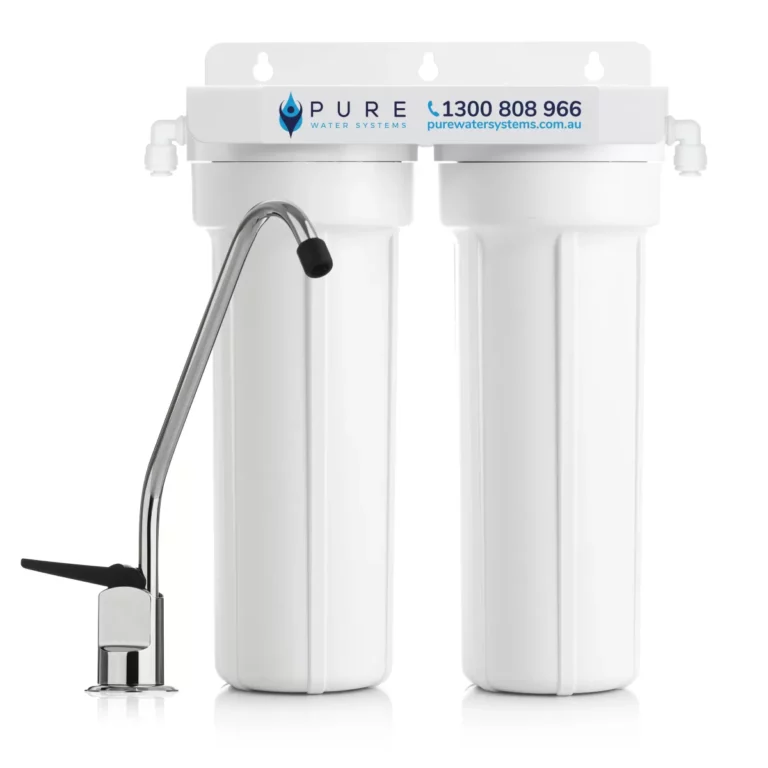
| Under‑sink RO system | Medium–High | $0.03–$0.10 | Great quality, higher install complexity |
*Approximate; depends on brand, usage, and local water quality.
Next generation faucet water purifiers with long-life eco‑friendly faucet filter cartridges stretch replacement intervals, cutting cost per gallon even further.
Environmental impact & plastic waste reduction
Switching to point‑of‑use drinking water filtration at the faucet is one of the simplest sustainability wins at home:
- Dramatically fewer single‑use bottles
- Lower transport emissions compared to bottled water logistics
- Less plastic from cartridges as sustainable faucet filter innovations roll out (recycled housings, reduced plastic shells, higher capacity media)
If you’re already using a tankless RO system under the sink, adding reverse osmosis compatible faucet taps or 3‑way filtered taps can help you get more value and less waste from the same purified supply, similar to how countertop reverse osmosis systems stretch every gallon.
What evolving faucet filtration tech means for users
For U.S. households, the latest faucet filtration technology advancements translate into:
- Safer drinking water without fully remodeling the kitchen
- More choices: portable faucet water filter solutions, 3‑way filtered kitchen taps, or smart integrated water filtration faucets
- Better fit for renters, condos, and older homes that can’t easily handle large under‑sink installs
Globally, emerging contaminants faucet filtration (PFAS, pharmaceuticals, microplastics) means people can react faster to local water issues without waiting on full municipal upgrades.
Role of innovative manufacturers in faucet filtration evolution
As a platform builder and product owner, I push our R&D toward:
- Advanced faucet filtration media (carbon blocks, ceramic, nano, and composite blends)
- Faucet filter efficiency improvements – more contaminant removal per cubic inch of media
- Smart integrated water filtration faucets – real‑time filter life tracking, leak alerts, and usage insights
- R&D trends in point‑of‑use water filters that prioritize U.S. realities: hard water, aging pipes, and growing PFAS awareness
The brands that win the next decade will be the ones that combine real contaminant performance, honest certifications, and everyday usability into compact, affordable, and sustainable faucet filters that actually fit how Americans live.