














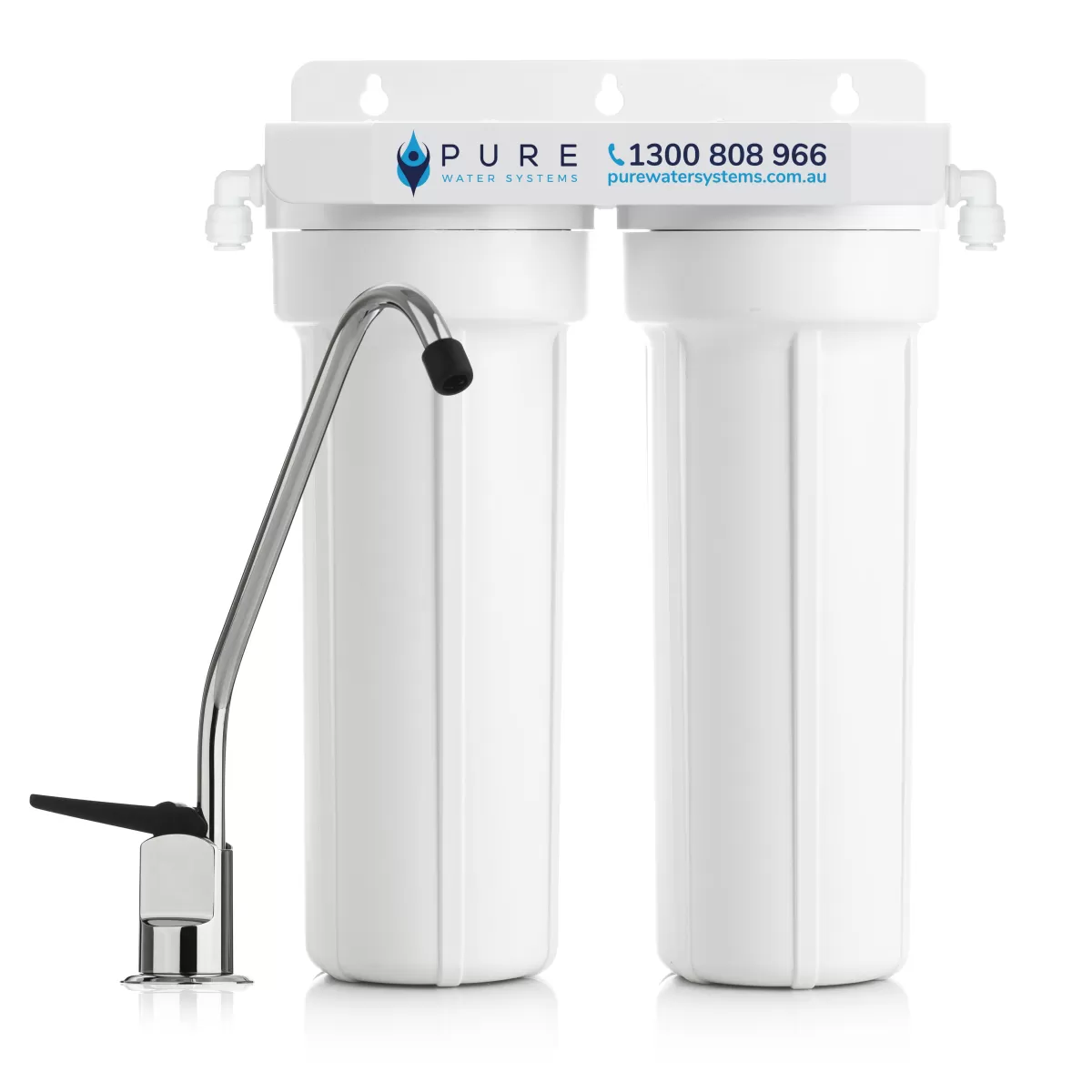
Are you worried about what’s lurking in your tap water? Choosing the best under sink water purification system can transform your drinking water, delivering clean, safe, and great-tasting water right to your kitchen. As a homeowner, I understand the importance of reliable water filtration that’s easy to install and maintain. That’s why I’ve created this guide to help you navigate the world of under sink water purifiers with confidence.
In this article, you’ll discover the top under sink water filters for 2025, learn how they tackle contaminants like lead, PFAS, and chlorine, and see why Driplife Water Purifier stands out for its performance and value. Whether you’re upgrading your home or solving water quality issues, this guide has you covered.
Let’s dive in and find the perfect water purification system for your needs!
Why Choose an Under Sink Water Purification System
If you’re worried about the quality of your tap water, an under sink water purification system is a smart choice. These systems fit right under your kitchen sink, giving you clean, filtered water straight from the tap without taking up counter space. Many people want an easy way to protect their family from contaminants without changing their daily routine—and under sink water filters deliver just that.
Benefits of Under Sink Systems
- Convenient Access: Provides filtered water directly from a dedicated kitchen faucet.
- Space Saving: Installed neatly under the sink, keeping your countertop clutter-free.
- Powerful Filtration: Combines multiple filtration stages to target a wide range of impurities.
- Cost Effective: Uses less water and energy compared to whole-house systems.
- Long-lasting Filters: Many models require filter changes only every 6 to 12 months.
Common Contaminants Removed
Under sink water purifiers are designed to remove many common pollutants that may affect your tap water, such as:
- Lead and heavy metals
- Chlorine and chloramine
- Sediment and rust particles
- PFAS (forever chemicals)
- Bacteria and viruses
- Volatile organic compounds (VOCs)
- Bad tastes and odors
Choosing an under sink water filter means you’re taking control of your water quality with a reliable, easy-to-use system that fits seamlessly into your kitchen setup.
How Under Sink Water Purifiers Work

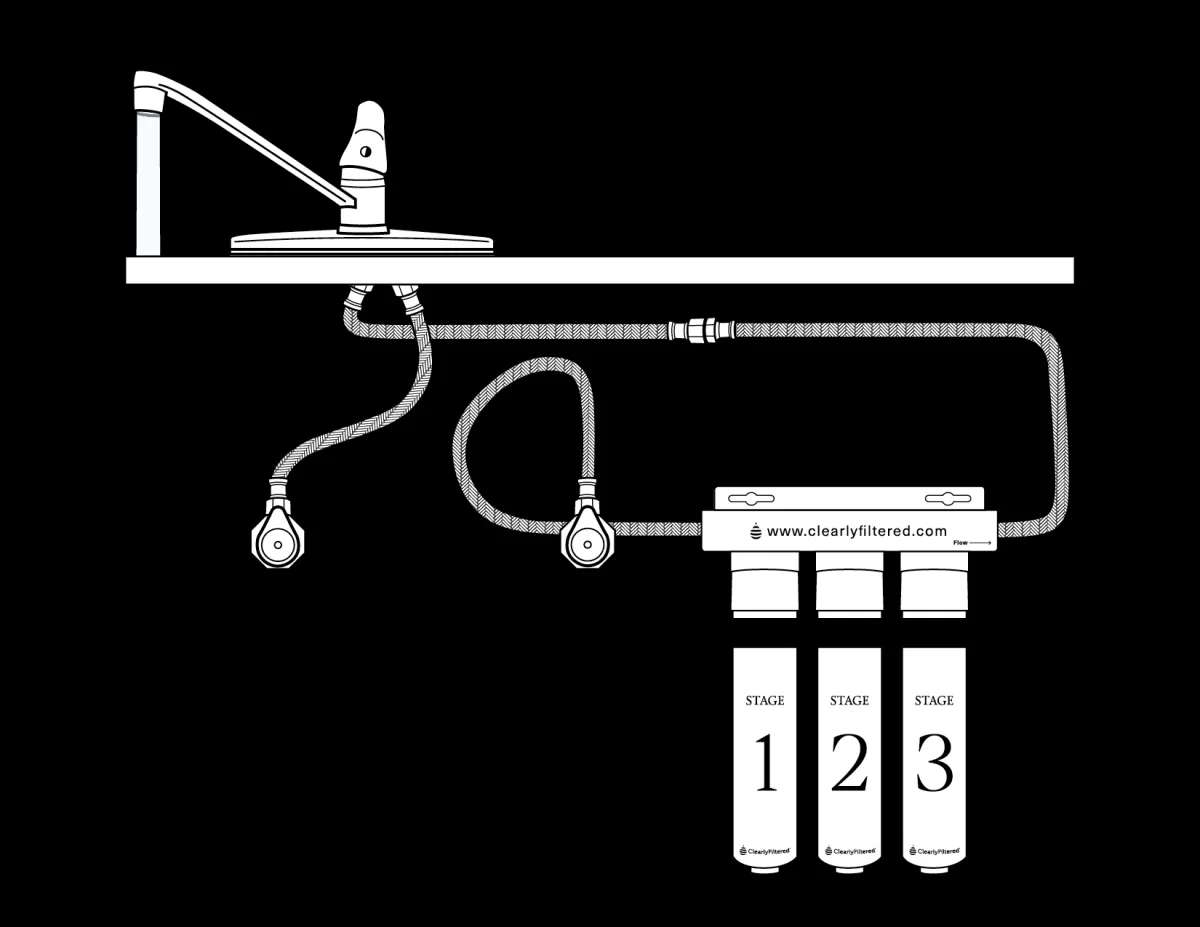
Under sink water purification systems clean your kitchen water right at the source, giving you fresh, safe water straight from the tap. These systems usually connect under your sink and filter water as it flows through, removing harmful substances and improving taste.
Filtration Technologies Explained
Most under sink water filters use a combination of these technologies:
- Carbon water filter: Great for removing chlorine, bad tastes, odors, and some chemicals like lead.
- Reverse osmosis system: Pushes water through a fine membrane to remove a wide range of contaminants, including heavy metals, PFAS, and other tough pollutants.
- Sediment filters: Catch dirt, rust, and particles before the water hits the main filter.
- NSF certified filters: Ensure that the purifier meets strict safety and quality standards.
Some systems combine these filters for better results, especially in areas facing hard water or specific local contaminants.
Installation Process
Installing an under sink water purifier is typically straightforward:
- Connect the system to the cold water supply under your sink.
- Attach the purified water line to a dedicated faucet or your existing kitchen tap.
- Most units come with clear instructions and all necessary parts for an easy install.
- If you’re comfortable with basic plumbing, you can do it yourself in under an hour.
- Otherwise, local plumbers usually handle installation quickly and affordably.
An easy install water purifier means less hassle and quick access to clean water for your family every day.
Key Features to Look for in Under Sink Water Purifiers
When choosing an under sink water purifier, focus on these key features to make sure you get the best for your home:
Filtration Technology
Look for systems with proven filters like reverse osmosis, carbon water filters, or a combination. These handle common contaminants such as lead, chlorine, PFAS, and other impurities.
Certification
Choose an NSF certified water purifier to ensure safety and reliability. Certification means the system meets strict standards for contaminant removal.
Capacity and Flow Rate
Check how much water the system can filter daily and the flow rate. You want enough clean water for your household without long waits.
Easy Installation
An easy install water purifier saves time and often money on professional help. Many under sink filters come with clear instructions and all the parts you need.
Maintenance and Filter Replacement
The system should have filters that are easy to replace. Also, look for filter life indicators or reminders to keep it running smoothly.
Size and Space
Make sure the purifier fits your cabinet space under the sink. Compact models work well for smaller kitchens.
Eco Friendly Design
Systems that waste less water or use recyclable filters help reduce your environmental impact.
By focusing on these features, you can pick a reliable under sink water filter that fits your needs and keeps your kitchen water fresh and safe.
Why Driplife Water Purifier Stands Out

When it comes to under sink water purification systems, Driplife really makes a mark. Here’s why it’s worth considering for your home:
Advanced Filtration Technology
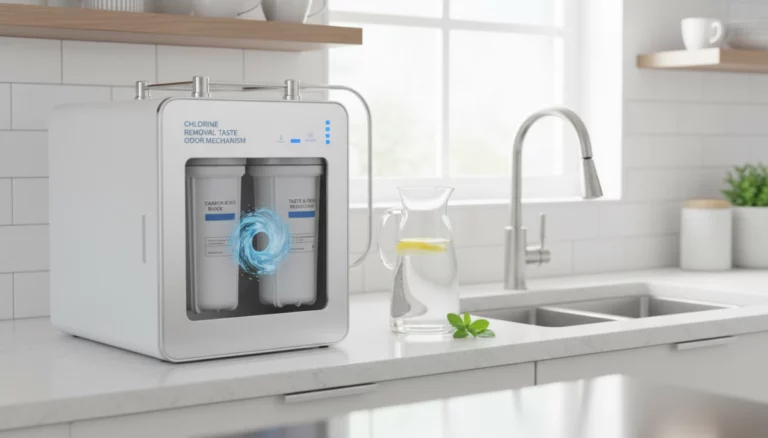
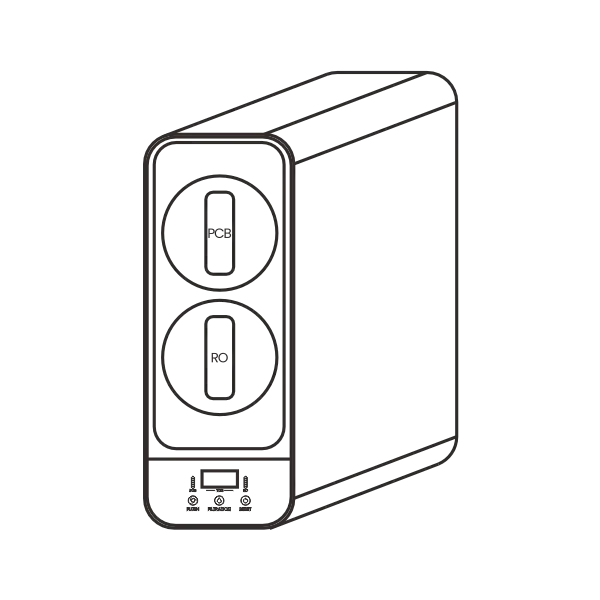
Driplife uses a multi-stage filtration process combining carbon water filters and reverse osmosis to tackle common contaminants like lead, PFAS, chlorine, and sediments. This means you get cleaner, better-tasting water that’s safe for your family. Plus, many of their filters are NSF certified, so you know the quality is backed by trusted standards.
Easy Installation and Maintenance
One of the biggest hassles with water purifiers is getting them installed and keeping them running smoothly. Driplife offers an easy install water purifier with clear instructions and minimal tools needed. Maintenance is straightforward too — filter replacements are simple and come with reminders, so you don’t have to guess when it’s time.
Eco Friendly and Cost Effective
Driplife focuses on sustainability without breaking the bank. Their system reduces plastic waste by cutting down on bottled water use, and the filters have a long lifespan, so you replace them less often. This keeps your overall costs down while being kind to the planet.
Customer Testimonials
Many users in the U.S. have praised Driplife for improving their kitchen water filtration. From better-tasting coffee to peace of mind knowing their water is free from lead and other toxins, customer feedback highlights real benefits. People appreciate how reliable and quiet the system runs under their sink with little fuss.
In short, Driplife stands out because it combines smart, advanced filtration with user-friendly features and a commitment to eco-friendly, affordable water purification for homes across the U.S.
Comparing Driplife to Other Under Sink Water Purifiers
When it comes to under sink water purification systems, Driplife stands out for several key reasons. Compared to competitors, Driplife offers advanced filtration technology combined with user-friendly installation that many other brands struggle to match. Where some under sink water filters focus on just basic contaminants, Driplife targets a wider range, including lead, PFAS, and chlorine, ensuring cleaner and safer water for your home.
Driplife vs Competitors
- Filtration Efficiency: Driplife uses multi-stage filters that include carbon water filter layers and reverse osmosis options, which improve contaminant removal beyond standard filters.
- Installation: The easy install water purifier design makes it simpler for homeowners to set up without professional help, unlike some systems that require plumber services.
- Maintenance: Driplife filters are designed for quick replacements, reducing downtime and hassle.
- Certification: Many Driplife models come NSF certified, providing that extra level of trust compared to uncertified brands.
- Eco Friendly: Driplife emphasizes sustainability, offering less plastic waste and energy-efficient options, which not every competitor prioritizes.
Best for Specific Needs
- If you want the best lead removal water filter, Driplife offers targeted solutions tested to reduce heavy metals effectively.
- For households concerned about PFAS and chemical contaminants, Driplife’s filtration picks up where typical carbon filters don’t.
- Tight under sink spaces? Driplife’s compact design fits most kitchens easily.
- Budget-conscious users appreciate Driplife’s balance of cost and performance.
For a detailed look at Driplife products and how they compare across different home water needs, check out this guide on top under sink water filtration systems of 2024. It breaks down options by features and use cases, helping you match the perfect system to your kitchen setup.
In short, Driplife delivers reliable, efficient, and eco-conscious water purification that adapts to your home’s specific needs better than many other under sink water filters on the market today.
Cost and Maintenance of Under Sink Water Purifiers
When thinking about under sink water purification systems, it’s important to consider both upfront and ongoing costs. Usually, the initial price covers the unit and installation. For many, professional installation makes sure everything fits right and works smoothly, but some easy install water purifiers save on that cost if you’re comfortable with DIY.
Ongoing costs mainly come from replacing filters. Depending on the system—whether it’s a carbon water filter, reverse osmosis system, or a specialty lead removal water filter—replacement frequency can range from every 6 months to 2 years. Always check if the filters are NSF certified water purifier parts, ensuring safety and effectiveness.
To keep your under sink water filter running in top shape:
- Replace filters on time to avoid clogging and reduced water flow
- Regularly check for leaks or loose fittings under the sink
- Clean parts as recommended by the manufacturer
- Use water softeners if you have hard water to extend filter life (learn how to tell if your water is hard or soft)
Proper maintenance not only keeps your water tasting fresh but also prevents costly repairs or replacements down the line. Choosing an eco friendly water purifier with longer-lasting filters can also reduce waste and save money over time.
For more details on filtration and maintenance, you might find this guide on what do carbon filters remove from water helpful.
How to Choose the Right Under Sink Water Purifier for Your Home
Picking the right under sink water purifier for your home depends on a few simple factors. First, think about what contaminants matter most in your area. For example, if you’re worried about lead or PFAS, look for a system with certified lead removal or PFAS water filtration. Checking for an NSF certified water purifier ensures the system has been tested and proven effective.
Next, consider your water usage and space under your sink. Some reverse osmosis systems take up more room but offer thorough filtration, while carbon water filters are typically more compact and easier to install. If you want a hassle-free setup, prioritize an easy install water purifier that fits well with your existing plumbing.
Budget also plays a role. Look beyond the upfront cost; factor in ongoing maintenance and filter replacements. An eco friendly water purifier might save you money in the long run by using fewer resources and producing less waste.
Finally, think about additional features like flow rate, filter lifespan, and warranty. A reliable under sink water filter should balance performance with convenience, making clean, safe water available with minimal fuss.
By matching these points to your local water quality and daily needs, you’ll find an ideal kitchen water filtration system that keeps your family’s drinking water pure and fresh.
Local Considerations for Under Sink Water Purifiers
When choosing an under sink water purification system for your home, it’s important to think about where you live in the U.S. Water quality varies a lot across regions, so you’ll want a system that targets local contaminants and fits your home’s plumbing setup.
Here’s what to keep in mind:
- Check your local water report: Many cities provide annual water quality reports. Look for common pollutants like lead, chlorine, or PFAS that might be in your tap water. An NSF certified water purifier that’s designed to handle those contaminants will be a smart choice.
- Hard water issues: If your area has hard water, a standard carbon water filter might not be enough. You may want a system that can handle minerals and prevent scale buildup under your sink.
- Installation space: Under sink space varies from kitchen to kitchen. Make sure the system you pick fits easily without complicated modifications, especially if you’re after an easy install water purifier.
- Water pressure: Some filtration types, like reverse osmosis systems, need good water pressure to work well. If your home has low pressure, look for models designed to perform under those conditions.
- Local plumbing codes: Plumbing rules differ by state and city. Confirm that your chosen system meets local codes for installation and maintenance to avoid headaches later.
- Eco friendly and cost effective options: Depending on your priorities, you might want an energy-efficient system with reusable filters to avoid frequent replacements and cut down on waste.
By focusing on these local factors, you’ll get the best performance and value from your under sink water filter — making sure every drop from your kitchen tap is clean, tasty, and safe.