














Worried about what’s really in your drinking water? You’re not alone. Around the world, more homeowners are turning to RO filtration as their “last line of defense” against contamination—but consumer perception of RO in the home appliance market is more complex than it looks.
On one hand, many people see reverse osmosis water purifiers as the gold standard for removing dissolved solids, heavy metals, and harmful contaminants. On the other, there are growing questions about water wastage, mineral loss, long‑term maintenance, and whether RO is truly necessary for every home.
In this post, we’ll break down how real buyers trust (or doubt) RO technology, what drives home RO system buying behavior, how branding and product quality shape confidence, and why RO filtration still leads the conversation when families think about safe drinking water.
You’ll also see how innovative manufacturers like Driplife are responding with high‑performance, lower‑waste RO solutions that better match modern expectations for health, convenience, and reliability.
Let’s get straight into how consumers really see RO—and what that means for the future of home water purification.
RO Filtration Perception in the Home Appliance Market
When people ask, “Is my tap water really safe?” or “Which purifier actually works, not just looks good on my counter?” they’re usually talking about RO filtration—even if they don’t use the term. In the home appliance market, RO (reverse osmosis) water purifiers have shifted from “nice-to-have gadgets” to core kitchen appliances, sitting alongside refrigerators, dishwashers, and microwaves.
Today, RO systems are widely seen as the “serious” solution for water problems: heavy metals, high TDS, PFAS, microplastics, and unknown contaminants in city and well water. That’s why you see under-sink RO systems, countertop RO purifiers, and built-in RO in premium refrigerators becoming more common in US homes.
Most of the search intent around RO filtration perception falls into a few clear buckets:
- “Can I trust reverse osmosis for my family’s health?”
- “Does RO really remove contaminants better than basic filters?”
- “Is RO water safe, or is it ‘too pure’ and bad for me?”
- “Is the wastewater and cost actually worth it?”
This is where Driplife fits into the RO home appliance landscape. I position Driplife as a trust-first, data-driven RO brand:
- Focusing on transparent performance (clear specs, test reports, and certifications).
- Designing low-waste, smart RO systems that feel like a natural part of a modern kitchen, not a mystery box under the sink.
- Prioritizing reliability, safe materials, and honest claims, so consumers can build real confidence in RO filtration instead of just believing marketing.
In a crowded RO technology home market, where consumer trust is often shaken by hype and confusion, my goal with Driplife is simple: make RO filtration feel understandable, verifiable, and truly worth owning as a home appliance.
RO Market Landscape in Home Appliances
Reverse osmosis is now one of the most trusted filtration technologies in the home appliance market, especially in the U.S., where families are worried about what’s really in their tap and well water. RO water purifiers have moved from “nice to have” to “basic kitchen infrastructure” in many homes, sitting alongside refrigerators, dishwashers, and garbage disposals as a core household appliance.
Global Growth of RO Water Purifiers
RO filtration is growing fast worldwide, led by North America and Asia:
- North America & U.S.: Growth is driven by concerns over aging pipes, PFAS, microplastics, and boil-water advisories. Homeowners want whole‑kitchen and under-sink RO that feels like a permanent appliance, not a gadget.
- Asia & Middle East: Heavy adoption due to serious groundwater contamination, high TDS levels, and taste issues.
- Europe: Slower but steady, focused on taste, limescale, and premium, compact RO solutions.
U.S. buyers expect appliance‑grade build quality, stable performance, and service support—very similar to their expectations for refrigerators or ovens.
Key Drivers: Health, Contamination, Regulations
Consumer trust in RO technology is being driven by:
- Health concerns: Chlorine byproducts, lead, arsenic, PFAS, nitrates, and microbial risks.
- Contamination fears: Local news about water issues and viral social media posts push people toward “safer than bottled” at home.
- Regulations and reports: EPA updates, local water quality reports, and stricter state rules make people question basic tap water and look for more advanced home filtration.
For many U.S. families, RO is no longer just about taste; it’s about filtration confidence and long‑term health.
Regional Differences in RO Adoption and Perception
Perception of RO filtration in the home appliance market shifts by region:
- U.S. suburbs and cities: RO is seen as the “serious” system for families, especially for kids and elderly at home.
- Rural and well water users: RO is viewed as a strong line of defense against unknown well contaminants and high TDS.
- High‑income urban areas: RO systems are treated as premium kitchen upgrades, often paired with smart faucets and designer fixtures.
In all these segments, reverse osmosis water purifier consumer trust is tied to how clearly brands explain what RO removes and how the system is built.
Why RO Dominates Many Home Water Purifier Categories
RO dominates many home water purifier categories because it directly addresses what people worry about most:
- Broad contaminant removal vs. basic carbon filters, which mainly fix taste and odor.
- Visible, measurable performance (TDS meters, lab tests, certifications) that boosts consumer confidence in RO filtration.
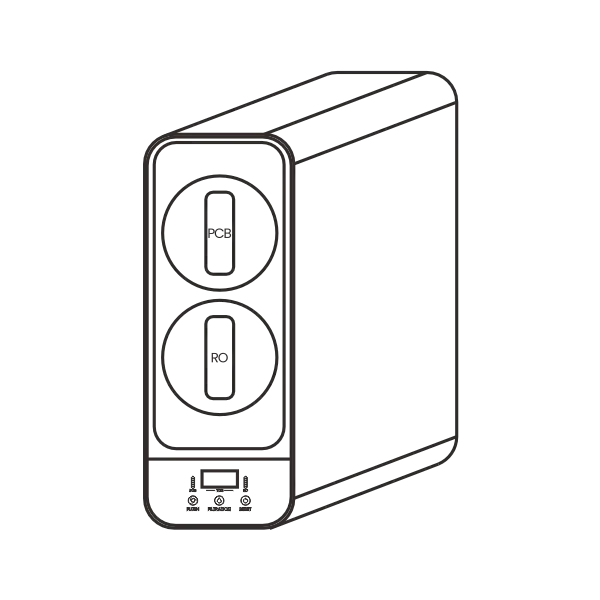
- Multi‑stage RO designs that combine sediment, carbon, RO membrane, and polishing filters for a “whole solution” feel.
As U.S. customers move toward more advanced, appliance‑grade setups—under‑sink RO, integrated hot water, and premium faucets—brands that can manufacture reliable, scalable systems, like our own OEM RO and hot water filtration platforms, are shaping how people see RO in their homes.
Consumer perception of RO purification performance
In the U.S. home appliance market, RO filtration perception is pretty clear: most people see reverse osmosis as the “serious” solution when they’re worried about what’s actually in their water. When customers step up from a basic pitcher or faucet filter to an RO system, it’s usually because they want a deeper level of contaminant removal and more control over what their family is drinking every day.
Expectations for contaminant removal and TDS reduction
Most homeowners now expect a good RO system to:
- Cut TDS (total dissolved solids) way down, often into the 20–80 ppm range, depending on source water.
- Handle heavy metals (lead, arsenic, chromium), PFAS, microplastics, nitrates, and other “invisible” contaminants basic filters don’t touch.
- Improve taste, odor, and color so water feels “bottled-quality” straight from the tap.
Because awareness of tap and well water issues keeps growing, water purification performance expectations are getting higher every year. Customers don’t just want chlorine reduction—they want peace of mind on everything they can’t see.
If users already understand the difference between still water, bottled water, and tap water, resources that explain these basics—like a clear breakdown of still water vs tap water—help set realistic expectations for what RO should do on top of that.
RO vs basic home water filters
From a consumer trust standpoint, RO vs other filtration methods perception is tilted heavily toward RO when water quality is questionable:
- Basic carbon filters (pitchers, fridge filters, faucet mounts) are seen as “good for taste,” but not enough for serious contamination concerns.
- RO systems are seen as “full protection” when there are worries about lead pipes, old infrastructure, or unknown well water.
This is why filtration confidence in household appliances is often highest for under-sink RO units, especially when people are in older homes or cities with recurring water notices.
Views on RO membrane performance in daily use
Homeowners may not know the technical specs, but they do judge RO membrane performance in daily use by:
- How consistently the water tastes the same
- Whether TDS readings (for those who use meters) stay stable over time
- How quickly output drops when the membrane is nearing end-of-life
If the system’s connections and filters are well-designed and don’t leak or clog easily, users naturally build consumer confidence in RO filtration. That’s why I’m a big believer in properly engineered cartridge and connection designs; smart choices in filter cartridge connection types directly support long-term reliability and trust in RO technology. For example, using secure, standardized connections like those discussed in our guide to evaluating filter cartridge connection types reduces hassle and failure points for homeowners.
Perception of multi‑stage RO systems in households
Multi‑stage RO water purification is generally perceived as “better” and more premium—as long as it’s explained clearly. Most U.S. families expect:
- Sediment + carbon pre-filters to protect the membrane
- A high‑rejection RO membrane as the core
- One or more post-filters (carbon, remineralization) to improve taste and mouthfeel
When laid out in simple language, multi‑stage setups make people feel they’re getting layered protection, not overcomplication. For quality‑driven buyers, a clean, multi‑stage design with transparent specs, visible certifications, and easy maintenance is exactly what builds trust in reverse osmosis purifiers and cements RO’s reputation as the top‑tier choice in the home market.
RO water safety and health awareness at home
Across U.S. homes, RO water safety awareness has jumped fast. Most families now see a reverse osmosis water purifier as the “safe zone” for drinking water in the kitchen, especially when they’re worried about what’s really in tap or well water.
How families see RO for safe drinking water
For a lot of households, an RO system is no longer a “luxury filter” — it’s a basic health tool. Parents, in particular, trust RO because it:
- Strips out heavy metals, chlorine byproducts, PFAS, and microplastics far better than basic filters
- Gives water a clean, consistent taste that feels safer for kids and pets
- Offers visible, measurable results (TDS readings, filter change alerts, etc.)
Many people will even test the pH of RO water at home to confirm it’s in a range they’re comfortable drinking, something we break down in detail in our guide on the pH of RO water, levels, testing, and adjustment.
Health concerns driving RO adoption in kitchens
The main reasons U.S. families add RO under the sink or on the counter:
- Local water quality reports showing lead, PFAS, nitrates, or aging pipes
- News around boil-water notices and municipal treatment failures
- Concern about private wells with possible pesticides, arsenic, or bacteria
- Desire to protect kids, seniors, and pregnant women from long‑term exposure
In short, health anxiety is turning into action, and RO is usually the first serious step.
Awareness of contaminants in tap and well water
People are far more educated now. Common worries include:
- Lead and copper from old plumbing
- PFAS (“forever chemicals”) and industrial runoff
- Microplastics that standard carbon filters can’t fully handle
- Hard water and high TDS in well water or certain U.S. regions
This awareness is what drives trust in RO technology over simple pitchers or faucet filters.
Perceived health benefits of RO‑filtered water
Most consumers see RO‑filtered water as:
- Cleaner and safer for daily drinking, cooking, baby formula, coffee, and ice
- A way to reduce long‑term risk from hidden contaminants and unknown chemicals
- Easier on appliances like kettles, coffee makers, and ice machines due to lower scale
There are ongoing conversations about minerals and RO water, but when people weigh that against contaminant risks, filtration confidence usually wins. Families want peace of mind at the tap, and that’s exactly where RO has earned its place in the home.
Trust and Confidence in RO Filtration Technology
When it comes to RO filtration perception in the home appliance market, trust is everything. Most U.S. families judge reverse osmosis systems on one simple question: “Will this keep my water safe every single day?” That’s where consumer confidence in RO filtration is won or lost.
What Drives Consumer Confidence in RO Purification
People usually trust an RO purifier when it delivers on three points:
- Visible results: Better-tasting, odor‑free water and clear ice cubes.
- Proven performance: Clear specs on contaminant removal (lead, chlorine, PFAS, microplastics) and TDS reduction.
- Stable reliability: No leaks, no sudden failures, and consistent flow under normal home use.
For smart and countertop RO, transparent engineering and testing—like documented burst pressure and water hammer testing—instantly boosts trust because it shows the product is built for real-world use, not just lab conditions. That’s why we invest heavily in test data and share it openly in our own RO system testing and reliability guides.
Certifications, Test Reports, and RO Purifier Trust
For U.S. buyers, certifications and lab reports are often the line between “maybe” and “I’m buying”:
- NSF/ANSI standards (like 42, 53, 58) for contaminant reduction
- Materials safety testing for parts that touch drinking water
- Independent third‑party lab reports on real contaminant removal
When a brand shows these documents up front—in plain English—it builds reverse osmosis water purifier consumer trust far faster than any marketing slogan. We pair this with strict water-path material safety engineering so customers know every contact component is safe and compliant, which we explain in detail in our breakdown of drinking water contact material safety design.
Water Wastage, Mineral Loss, and Real Concerns
Two issues shape a lot of RO technology home market perception:
- Water wastage: Families worry about the wastewater ratio, especially in drought‑prone states. Low‑waste RO membrane technology and smart recovery systems are now key features in quality‑driven RO purifier purchase decisions.
- Mineral loss: Many people have heard RO makes “empty” or “dead” water. In reality, most health concerns are tied to overall diet, not just minerals in water. That said, mineral cartridges and controlled TDS blending are now standard expectations in the premium RO water purifier segment.
Myths, Skepticism, and How We Address Them
Common myths that affect filtration confidence in household appliances:
- “RO water is unsafe because it’s too pure.”
- “RO always wastes a huge amount of water.”
- “All RO systems work the same, it’s just branding.”
We counter this by:
- Publishing real performance and efficiency numbers
- Showing exactly what each stage of a multi‑stage RO water purification system does
- Clarifying where RO is necessary (high TDS, heavy metals, PFAS) vs where simpler filtration is enough
In the U.S. home RO system buying behavior, the brands that win are the ones that treat customers like adults—share the data, explain the trade‑offs, and prove why their RO filtration technology deserves long‑term trust.
Branding and RO filtration perception in the home appliance market
In the home appliance market, branding and manufacturer reputation completely shape RO filtration perception. When families in the U.S. choose a reverse osmosis system, they’re not just buying a filter—they’re buying trust in RO technology, long‑term reliability, and honest support. A strong RO water purifier brand reputation makes people feel confident that the system will actually remove contaminants and keep working quietly under the sink for years.
Established vs new RO water purifier brands
In the U.S., established RO brands win attention because they’re “proven,” but they’re not automatically trusted. Buyers look for:
- Clear performance data, not hype
- Real-world reviews and third‑party testing
- Strong after‑sales service and easy filter replacement
New brands can compete if they focus on quality-driven RO buying behavior: better build quality, more transparent specs, and smarter features rather than just low price. When a newer brand shows exactly how its RO membrane performance compares, it can quickly gain consumer trust in RO.
Transparency in RO technology and materials
Today’s buyers want to know what’s inside their RO system:
- What contaminants does it remove?
- What materials touch the water?
- Are there any certifications or test reports?
Being transparent about multi‑stage RO water purification, filter media, and test standards directly builds consumer confidence in RO filtration. Even something as simple as teaching users how to use a TDS tester to check their water, like we do in our guide on using a TDS meter the right way, goes a long way in proving performance instead of just claiming it.
How Driplife builds trust in RO solutions
As a China RO water filter manufacturer serious about the U.S. market, I position Driplife RO filtration solutions around three pillars:
- Honest specs: Clear data on contaminant removal, rejection rates, and flow, not vague “99% clean” claims.
- Visible quality: Food‑grade materials, robust housings, and well‑designed low waste RO membrane technology that customers can see and feel.
- Proof over promises: Third‑party testing, consistent quality control, and OEM/ODM capability backed by our experience as a lead water filter manufacturer with certified solutions similar to those shown in our NSF‑focused OEM overview.
By leading with transparency, performance, and straightforward communication, Driplife’s brand image is built to increase filtration confidence in household appliances and make homeowners feel secure choosing our RO systems for their kitchens.
Quality‑Driven RO Buying Behavior in the Home Appliance Market
When people in the U.S. shop for an RO water purifier today, they’re not just buying “a filter.” They’re making a long‑term health and home appliance decision. Quality‑driven RO buying behavior is all about trust in RO technology, clear purification performance, and low‑hassle ownership.
Key Features Buyers Look For in RO Systems
Most homeowners I talk to focus on a few non‑negotiables before they hit “buy”:
- Strong contaminant removal (TDS, heavy metals, PFAS, microplastics, chlorine, etc.)
- Multi‑stage filtration (sediment, carbon, RO membrane, post‑carbon) for full‑coverage protection
- Clear capacity specs like realistic GPD ratings (not inflated lab numbers) – if you’re comparing flow rates, it helps to understand what GPD means in a water filter.
- Certified components and test reports that prove real‑world performance
- Compact design that fits under the sink or on the counter without taking over the kitchen
This is where filtration confidence in household appliances comes from: a system that’s powerful, documented, and sized right for daily family use.
Low‑Waste and Smart RO Technology Influence
Trust in RO filtration is shifting toward systems that are not just “clean” but also efficient and intelligent:
- Low‑waste RO membranes and recovery tech to cut wastewater ratio
- Smart RO systems with leak alerts, filter‑life indicators, and TDS monitoring
- App‑based insights so users can track water quality, usage, and filter status in real time
For many buyers, this is the new baseline: quality‑driven RO purchase decisions now factor in sustainability, data, and convenience, not just raw purification.
Maintenance, Filters, and Service Matter
Even the best RO system fails in the market if upkeep is a headache. Quality‑focused customers ask:
- How often do I replace filters, and how expensive are they?
- Is it easy to swap pre‑sediment and carbon cartridges myself?
- Can I choose the right micron rating for pre‑sediment filters for my tap water conditions (sediment, rust, sand, etc.)? Guides like choosing the right micron rating for pre‑sediment filters help buyers feel more in control.
- Is after‑sales support fast, local, and honest?
In the U.S. home market, quality‑driven buying behavior heavily favors RO brands with transparent maintenance costs, easy filter access, and responsive service teams.
How Consumer Reviews Shape RO Water Filter Decisions
Consumer trust in reverse osmosis purifiers is strongly shaped by real‑world feedback:
- Star ratings and verified reviews often decide which RO systems make the shortlist
- Buyers pay close attention to comments on taste, flow rate, noise, leaks, and customer service
- Negative reviews about hidden costs or poor support kill trust in RO water filter reliability
- Detailed user photos and long‑term updates (“2 years later…”) are seen as more credible than brand claims
In practice, filtration confidence in the home appliance market is built review by review. If a system consistently delivers clean‑tasting water, few issues, and solid support, consumer confidence in RO filtration grows—and so do sales.
RO vs other home water filtration methods perception
In most U.S. homes, RO filtration perception in the home appliance market is shaped by how it stacks up against UV, UF, gravity, and carbon filters. I see one clear pattern: when families are worried about what’s actually in their water—TDS, heavy metals, PFAS, microplastics—reverse osmosis is the technology they tend to trust first.
RO vs UV, UF, gravity, and carbon at home
Here’s how buyers usually compare them:
RO (Reverse Osmosis)
- Perception: “Deep-clean” filtration, premium, safest for unknown water quality
- Strengths: Removes dissolved solids (TDS), many heavy metals, some PFAS, microplastics, and many chemical contaminants
- Typical use: City tap with questionable quality, well water, older buildings with pipe issues
UV (Ultraviolet)
- Perception: Great add‑on for germs, not a full solution
- Strengths: Kills bacteria/viruses but doesn’t remove chemicals, metals, or TDS
UF (Ultrafiltration)
- Perception: “RO‑lite” for clearer but not heavily contaminated water
- Strengths: Good for particles and microbes, but not dissolved solids
Gravity filters / pitchers
- Perception: Budget, simple, “better than nothing”
- Strengths: Basic sediment and chlorine reduction, taste improvement
Carbon filters (faucet, fridge, pitcher)
- Perception: Taste and odor fix, not full protection
- Strengths: Chlorine, some VOCs, better taste/smell, but limited for serious contamination
Perceived pros and cons of RO vs alternatives
Most U.S. shoppers see RO as:
Pros (vs other methods)
- Higher contaminant removal trust (especially for TDS, heavy metals, some PFAS, microplastics)
- Noticeably better taste and clarity compared to basic carbon or gravity filters
- More future-proof if water quality gets worse
Cons (vs other methods)
- Wastewater during filtration
- Higher upfront price and filter replacement cost
- Needs installation and maintenance, unlike simple pitchers
Because of that, families often choose RO for drinking and cooking, and use simpler filters (like carbon) for showers or secondary taps, similar to how they react to urban water quality concerns with shower filters in other categories of home water treatment (as seen in our take on how bad city water quality drives demand for better shower filtration).
Suitability of RO for different water issues
From what I see with U.S. customers, RO is usually preferred when:
- TDS is high or water tastes salty, metallic, or “chemical”
- There are known contamination issues (old pipes, industrial zones, farm runoff)
- There’s concern about heavy metals, nitrates, PFAS, and microplastics
- Families want one system that handles “almost everything” for drinking water
UV or UF alone are seen as not enough if water is hard, salty, or high in dissolved contaminants. Carbon alone is seen as more of a taste fix than a safety solution.
How combo systems change RO filtration perception
Combo systems—RO + UV, RO + remineralization, RO + carbon polishing, or RO + smart monitoring—are changing consumer confidence in RO technology:
- They address multiple fears at once: germs, chemicals, taste, and TDS
- They reduce the “over‑filtration” worry by adding minerals back and optimizing TDS
- Smart features (TDS display, filter life indicators, app alerts) build visible trust in day‑to‑day use
In the home RO system buying behavior I see, families increasingly favor multi‑stage RO systems that combine RO with UV and advanced carbon, because they feel like a complete home drinking water solution, not just another filter.
Challenges impacting RO filtration perception in the home market
When people in the U.S. research RO filtration, a few pain points keep coming up that directly shape RO filtration perception in the home appliance market.
Concerns about wastewater and efficiency
Many homeowners worry that RO systems “waste too much water.”
Common concerns include:
- High wastewater ratio (e.g., 3:1 or worse on older units)
- Guilt about sending good tap water down the drain
- Doubts about overall filtration efficiency vs. water loss
This is why more buyers now look for low‑waste RO technology, tankless designs, and systems that clearly state their pure water to wastewater ratio.
Fear of over‑filtration and “dead water”
Another big perception issue: the idea that RO creates “dead water” with no minerals.
Consumers are asking:
- Does RO strip out all healthy minerals?
- Is low TDS water “unsafe” or “too pure”?
- Should I add minerals back after RO?
Without clear answers, this fear of over‑filtration can push people toward simpler options like multi‑stage filtration systems or advanced pitchers instead of full RO.
Upfront and ongoing RO costs
RO systems are not seen as cheap appliances. People factor in:
- Higher upfront cost vs. basic filters
- Filter replacement costs every 6–12 months
- Service or maintenance fees if they don’t DIY
If brands don’t explain long‑term cost of ownership and filter life clearly, many shoppers assume RO is “too expensive to maintain,” hurting consumer trust in RO technology.
Confusion from mixed information and marketing
The biggest challenge for consumer confidence in RO filtration is noise:
- Conflicting blog posts, YouTube reviews, and social media “hot takes”
- Aggressive marketing claims like “removes 100% of everything”
- Misleading TDS, PFAS, or microplastics removal promises
All this creates information overload and skepticism. When buyers can’t separate facts from hype, overall trust in reverse osmosis purifiers drops, even for brands that use solid science and third‑party testing.
Opportunities to Improve Consumer Trust in RO Filtration
To strengthen RO filtration perception in the home appliance market, I focus on clear education, simple design, and smart tech that proves performance in real time.
Educating Users on Real RO Pros and Cons
Most families in the U.S. hear mixed messages about reverse osmosis water purifiers. I build trust by:
- Explaining what RO really does: chlorine, heavy metals, PFAS, microplastics, and TDS reduction in simple language.
- Being upfront about pros and cons:
- Pros: strong contaminant removal, consistent taste, great for uncertain tap or well water.
- Cons: some wastewater, mineral reduction, filter changes required.
- Sharing transparent test data and certifications so people can see actual performance, not hype.
- Giving clear guidance on when RO makes sense vs when a simpler faucet tap water filter is enough.
When users understand real reverse osmosis water purifier pros and cons, consumer confidence in RO filtration goes way up.
Designing User‑Friendly Home RO Systems
Quality‑driven RO buying behavior in the U.S. is all about ease:
- Under‑sink RO layouts that save space and look clean under modern American kitchen cabinets.
- Quick‑change filters with color coding and tool‑free replacement.
- Simple front indicators: filter life, TDS, leak alerts, and water quality status at a glance.
- Clear manuals and on‑unit labels that explain what each filter stage does.
When a system is easy to install, use, and maintain, trust in RO technology becomes instinctive, not forced.
Using Smart Features and IoT to Build Confidence
Smart RO water purifier features can turn doubt into filtration confidence:
- Real‑time TDS and water quality readings on the unit and in an app.
- Automatic alerts for filter changes, abnormal flow, or leaks.
- Easy access to usage history and savings vs bottled water.
- Remote support and troubleshooting to reduce service headaches.
IoT‑enabled RO systems show people exactly what’s happening with their water, which is key for reverse osmosis water purifier consumer trust.
How Driplife Can Lead with Innovation and Clarity
As a China RO water filter manufacturer, I position Driplife to lead on innovation plus radical transparency:
- Offer low‑waste under‑sink RO water filters with improved recovery ratios for eco‑minded U.S. households, like our compact under‑sink RO water filter system.
- Publish independent lab reports and explain them in plain English to support trust in reverse osmosis purifiers.
- Highlight long‑life membranes, easy maintenance, and strong after‑sales support, which directly address the biggest buying objections.
- Build a product line where smart monitoring, app‑based insights, and honest specs come standard, not as upsells.
By combining clear education, user‑friendly design, and smart RO technology, Driplife can shape a more positive RO filtration perception in the home appliance market and become a go‑to brand for U.S. families who want reliable, safe, and transparent water purification.
Future Trends in RO Filtration Perception in the Home Market
Shift Toward Sustainable, Eco‑Friendly RO
RO filtration perception in the home appliance market is shifting fast toward “clean water without the guilt.” U.S. households care more about water safety than ever, but they also don’t want a system that wastes 3–4 gallons for every gallon they drink. That’s why I see low‑waste RO membrane technology, smart recovery pumps, and built‑in water‑saving modes becoming non‑negotiable.
What wins trust in RO technology going forward:
- High recovery rates (less wastewater per gallon of purified water)
- Recycled reject water options for non‑drinking use (mopping, flushing, plants)
- Long‑life filters that reduce plastic waste and service calls
- Energy‑efficient components and sleep/eco modes
If an RO brand can prove it delivers safer water with a lower environmental footprint, it earns long‑term consumer confidence in RO filtration—especially with younger, eco‑minded buyers.
Compact Under‑Sink and Countertop RO Popularity
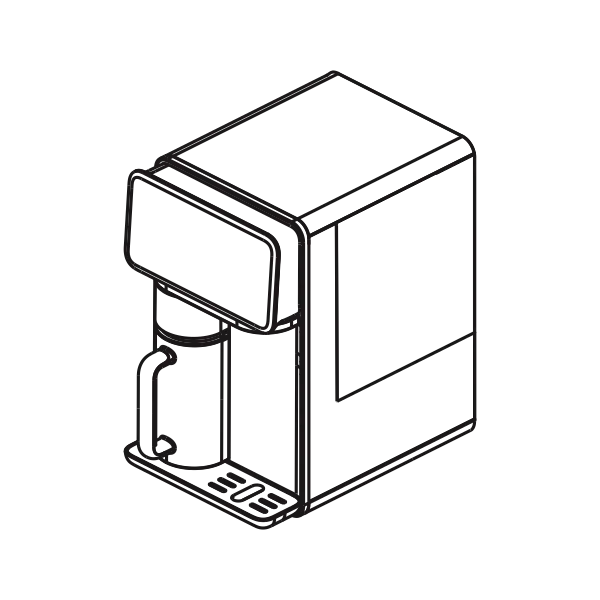
Space is tight in a lot of U.S. kitchens, especially in apartments, condos, and rentals. That’s why compact under‑sink RO water filter systems and plug‑in countertop RO purifiers are blowing up. People want reverse osmosis performance without drilling the counter or reworking plumbing.
Here’s what drives this trend:
- Small footprint: Fits under a standard sink base or sits neatly on a counter
- Tool‑free or minimal installation: Great for renters who can’t modify plumbing
- Integrated tankless designs: Faster flow, less risk of stale water
- Modern look: RO that looks like a premium appliance, not a bulky box
When designed well, countertop RO isn’t a shortcut—it’s a practical tradeoff that still delivers high contaminant removal. I walk through this balance in detail in my breakdown of a countertop reverse osmosis water filter as a practical tradeoff, not a shortcut (https://driplifecorp.com/countertop-reverse-osmosis-water-filter-a-practical-tradeoff-not-a-shortcut/).
Digital Monitoring and App‑Based Insights
The next wave of trust in reverse osmosis purifiers will be driven by transparency, not just marketing claims. Smart RO systems with digital monitoring and app‑based insights give homeowners real numbers, not guesses.
Key features U.S. buyers are starting to expect:
- Real‑time TDS display before and after filtration
- Filter life percentage and countdown instead of vague “change every 6–12 months” stickers
- Leak detection and auto‑shutoff alerts on your phone
- Usage stats (daily/weekly consumption) to track family habits
- Service reminders tied to actual water usage, not just time
A clear, intuitive interface is a huge part of this. I’ve built products where smart user interface engineering for multifunction countertop RO dispensers (https://driplifecorp.com/smart-user-interface-engineering-for-multifunction-countertop-ro-dispensers/) directly boosted filtration confidence in household appliances, because users could finally see what their system was doing.
Evolving Expectations for Home RO Water Quality
The perception of “good enough” water is changing. U.S. households now expect an RO system to handle:
- Heavy metals (lead, arsenic)
- PFAS (“forever chemicals”) and microplastics
- Nitrates, pesticides, and industrial contaminants
- Bad taste and odor from chlorine and organics
At the same time, people don’t want “flat” water. They expect great taste, balanced TDS levels, and in many cases mineral retention or remineralization so the water feels natural, not “dead.” I’ve seen this first‑hand in how users respond to taste testing and in product work like refining the science of water taste and why RO needs a final polish (https://driplifecorp.com/the-science-of-water-taste-why-ro-needs-a-final-polish/).
Moving forward, RO brands that win will:
- Prove contaminant removal performance with clear test reports
- Deliver consistent taste and mouthfeel families actually enjoy
- Balance strong filtration with smart remineralization and safe TDS levels
- Communicate simply: what’s removed, what’s left, and why that’s healthier
In short, the future of RO filtration perception in the home appliance market is all about sustainable performance, compact formats, transparent data, and water that feels as good as it is safe.