You might already know that passing inspection requires navigating a strict maze of commercial drinking fountain regulations…
But what do all those complex codes actually mean for your upcoming project?
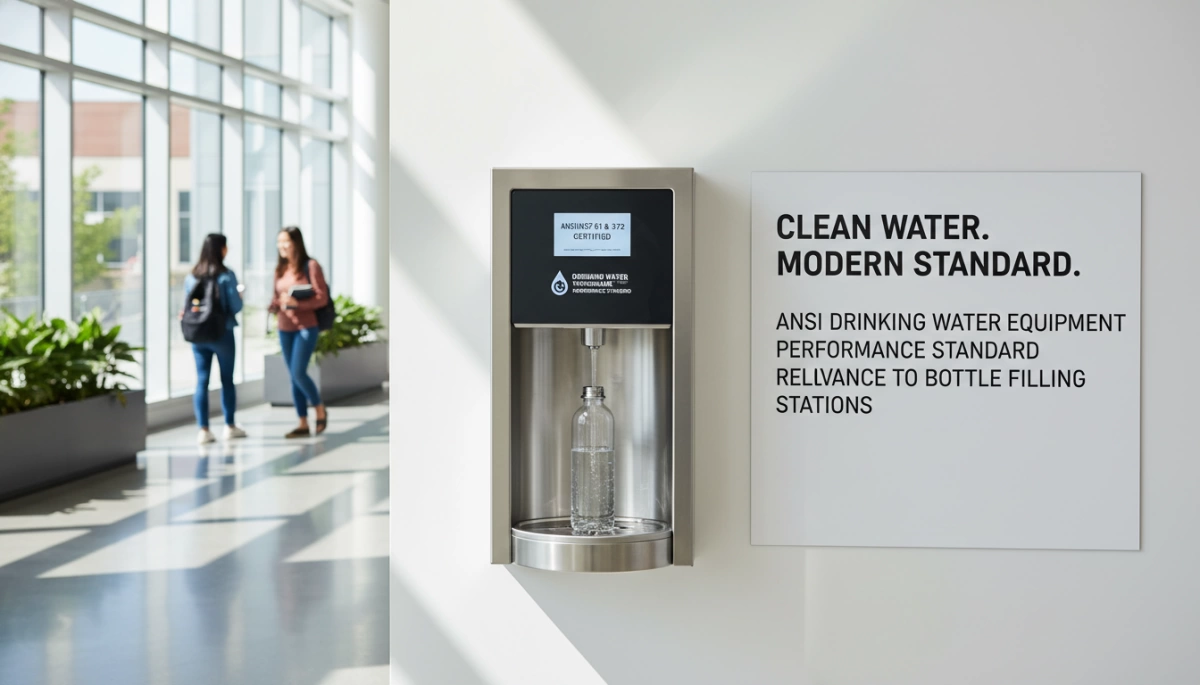
Well, you’re in the right place because I’ve put together a clear, comprehensive breakdown of the ANSI Drinking Water Equipment Performance Standard Relevance to Bottle Filling Stations.
As an industry veteran, I know that getting this right is about much more than just passing an audit—it’s about protecting public health and mitigating severe legal liability.
From navigating NSF/ANSI 42 and 53 certification to guaranteeing strict lead-free water dispenser compliance, the stakes for your facility are incredibly high.
In this post, you’re going to learn exactly how to decode these regulatory standards and confidently source the safest, highest-performing hydration technology, step by step.
Let’s dive right in.
At Driplife, we know that facility managers face immense pressure regarding liability, water safety compliance, and regulatory confusion. Properly navigating the ANSI Drinking Water Equipment Performance Standard Relevance to Bottle Filling Stations is critical to mitigating these legal risks and ensuring public safety. To deploy hydration solutions confidently, you must first understand the foundational frameworks governing commercial drinking water systems.
Understanding ANSI/NSF Drinking Water Standards
When sourcing a high-capacity water purification system, the acronyms “ANSI” and “NSF” frequently appear side-by-side. While often used interchangeably, they serve distinct, complementary roles in shaping public hydration station safety standards.
Defining the ANSI and NSF Relationship
- ANSI (American National Standards Institute): The overarching administrative body that oversees the creation, promulgation, and use of voluntary consensus standards in the United States. ANSI ensures the standard-setting process is fair and transparent.
- NSF International: The public health and safety organization that actively researches, develops, and writes the specific standards for water quality.
- The Synergy: Together, they establish the trusted NSF/ANSI codes—the definitive baseline for commercial drinking fountain regulations and equipment certification.
Aesthetic Filtration vs. Health-Based Contaminant Removal
Not all commercial water dispenser filtration is created equal. For strict school drinking water compliance and public safety, facility engineers must recognize the functional difference between aesthetic improvement and critical health protection.
| Filtration Category | Primary Objective | Typical Target Contaminants |
|---|---|---|
| Aesthetic Filtration | Enhancing water taste, odor, and clarity. | Chlorine, chloramines, rust, and basic particulate matter. |
| Health-Based Removal | Eliminating dangerous, invisible threats. | Lead, VOCs, microbial cysts, and PFAS removal water filtration. |
The Role of Material Safety in Commercial Equipment
Beyond advanced filtration technology, the physical components of an ADA compliant bottle filling station must be rigorously regulated. Material safety guarantees that no toxic chemicals or heavy metals leach from the machine into the dispensed water. Achieving this requires mandating 100% lead-free waterways and utilizing thoroughly vetted plastics, rubbers, and metals to meet aggressive Safe Drinking Water Act (SDWA) limits. As an established OEM water purifier manufacturer, we engineer our equipment from the ground up so that every single wetted component inherently resists degradation and guarantees the continuous delivery of pure, uncontaminated water.
Key ANSI Performance Standards for Bottle Fillers
When we build or source public hydration stations, we don’t just guess on safety. We rely on strict ANSI compliance specification for public drinking equipment. If you want to guarantee safety in a commercial setting, these are the core ANSI testing requirements every bottle filling station needs to meet:
- NSF/ANSI 42 (Aesthetic Effects): This standard handles the baseline. It guarantees the unit effectively reduces chlorine taste and odors, ensuring the water is fresh and enjoyable to drink.
- NSF/ANSI 53 (Health Effects): This is the critical health benchmark. Equipment carrying NSF/ANSI 42 and 53 certification is rigorously tested to capture dangerous health hazards like lead, Cryptosporidium cysts, and VOCs, keeping facilities well within Safe Drinking Water Act (SDWA) limits.
- NSF/ANSI 401 (Emerging Contaminants): US tap water increasingly faces threats from modern runoff. This standard guarantees your commercial water dispenser filtration effectively catches trace pharmaceuticals, herbicides, and microplastics.
- NSF/ANSI 61 & 372 (Material Safety): Strong filtration doesn’t matter if the machine itself contaminates the water. Operating an NSF 372 certified bottle filler means strictly adhering to lead-free water dispenser compliance across all internal components. We always prioritize strict food-grade material selection for the RO water path so heavy metals never leach back into the drinking supply.
- NSF/ANSI 58 (Reverse Osmosis): For areas dealing with severely poor water quality, heavy-duty purification is required. Meeting NSF 58 reverse osmosis standards guarantees the system efficiently drops total dissolved solids (TDS) and heavy metals. Integrating the best reverse osmosis water filter system into commercial units ensures top-tier, consistent hydration even in high-traffic facilities.
Why ANSI Compliance Matters for Facilities
When we supply public hydration stations across the United States, meeting standards isn’t just about getting a sticker on a machine. It is about safety, legal protection, and securing funding. Here is exactly why prioritizing ANSI drinking water equipment compliance bottle filler standards is a non-negotiable step for any modern facility manager.
School Drinking Water Compliance & Healthcare Safety
Kids, hospital patients, and the elderly are highly vulnerable to waterborne contaminants like lead, cysts, or microplastics.
- Protecting At-Risk Groups: Strict adherence to ANSI standards guarantees the water is safe for developing bodies and compromised immune systems.
- Community Trust: Installing certified equipment builds instant trust with parents, patients, and staff who rely on your facility daily.
Meeting Commercial Drinking Fountain Regulations
No facility manager wants to deal with a lawsuit or a PR nightmare over contaminated water. Mitigating liability means strictly following the rules.
- Legal Protection: Using properly certified hardware helps you stay well within federal Safe Drinking Water Act (SDWA) limits.
- Risk Reduction: Integrating a reliable drinking water filter system that holds verifiable ANSI certification serves as your strongest defense against water quality failures and potential legal claims.
Navigating Grants for Public Hydration Stations
If you are bidding on public projects or applying for state infrastructure grants, your paperwork has to be bulletproof.
- Winning Tenders: The vast majority of government and municipal contracts mandate ANSI compliance specification public drinking equipment as a baseline. Without it, your bid is disqualified immediately.
- Securing Funding: Having the correct, up-to-date ANSI approval documentation makes it incredibly smooth to get greenlit for school upgrades and municipal water grants.
Engineering Solutions: ANSI Drinking Water Equipment Performance Standard Relevance to Bottle Filling Stations
When we build commercial hydration systems, meeting baseline regulations is just the starting point. We engineer our products to strictly align with the ANSI compliance specification public drinking equipment requires. Here is exactly how we build safety and performance into every unit from the ground up:
Hitting SDWA Limits and Material Safety
- Strict Material Sourcing: We utilize 100% lead-free, commercial-grade components to ensure our systems easily meet strict Safe Drinking Water Act (SDWA) limits.
- Health-First Engineering: Every internal pathway the water touches is explicitly designed to prevent chemical leaching and bacterial growth, keeping the water path sterile.
Advanced UF and RO Filtration Integration
As an experienced OEM water purifier manufacturer, we integrate top-tier filtration technology based on specific local US water quality demands:
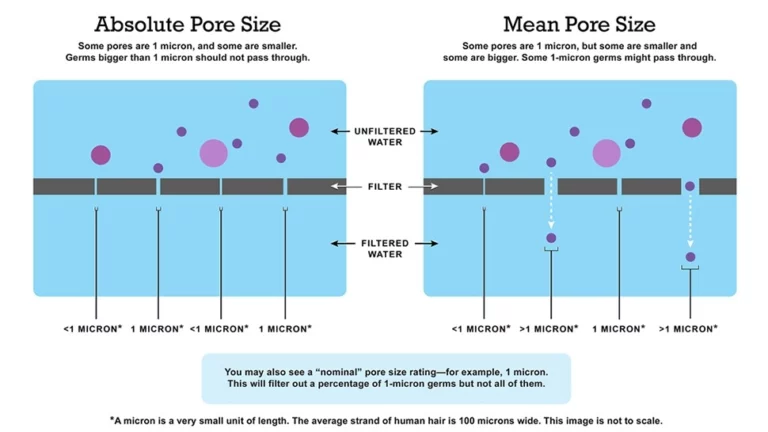
- Ultrafiltration (UF): Ideal for stripping out cysts, microplastics, and sediment while keeping dispensing flow rates high for busy public areas.
- Reverse Osmosis (RO): When heavy-duty purification is required, we build systems that fully comply with rigorous NSF 58 reverse osmosis standards. For facility managers, understanding the technical breakdown between purified water vs filtered water makes it much easier to select the exact filtration capacity needed for a specific building.
R&D and Laboratory Testing Protocols
- In-House R&D: Our engineering teams constantly refine flow dynamics, pressure regulation, and filter longevity.
- Rigorous Lab Testing: We subject every prototype to harsh environmental testing to simulate years of heavy daily foot traffic and fluctuating water pressures.
- Verified Filtration: By designing our public hydration stations around a proven NSF-certified water filter, we guarantee that our equipment consistently removes harmful contaminants before a single drop reaches the user.
Buyer’s Checklist: Sourcing Bottle Filling Stations
Sourcing commercial hydration equipment requires more than just picking a sleek design. For facility managers, distributors, and procurement officers, the priority is ensuring the equipment can survive heavy use while meeting strict safety codes. When evaluating an ANSI compliance checklist for a bottle filling tender, specific criteria must be met to avoid liability and ensure user safety.
Here is what you need to verify before finalizing a supplier partnership:
- Verify Independent Laboratory Testing: Never rely solely on marketing claims. You need proof that the filtration system performs as promised. At Driplife, we back our manufacturing with over 15 years of R&D experience and advanced laboratories to ensure our designs meet rigorous performance benchmarks.
- Assess Filtration Capacity vs. Traffic: A high-traffic airport terminal has vastly different needs than a small private office. Ensure the unit’s filter life matches the daily foot traffic to reduce maintenance costs. For facilities requiring the highest purity, understanding what constitutes a robust reverse osmosis system is critical for selecting the right integrated technology.
- Demand Full ANSI Documentation: Health inspectors and building code officials will ask for paperwork. Ensure your supplier provides complete ANSI approval documentation for the hydration station, covering both material safety (NSF/ANSI 61) and contaminant reduction performance.
- Select a Proven OEM/ODM Partner: Consistency is key in commercial manufacturing. Working with a manufacturer that operates a large-scale facility—like our 60,000 ㎡ production base with an annual capacity of 500,000 units—ensures that every unit meets the same ANSI drinking water equipment performance standard relevance to bottle filling stations.
Key Sourcing Metrics:
| Metric | Requirement | Why It Matters |
|---|---|---|
| Material Safety | Lead-free compliance (NSF 372) | Prevents heavy metal leaching into the water supply. |
| Flow Rate | Optimized for quick filling | Prevents lines and bottlenecks in schools or gyms. |
| Filter Tech | Effective chlorine and taste reduction | Ensures water is palatable, encouraging hydration. |
| Durability | Commercial-grade housing | Withstands vandalism and heavy daily wear. |
FAQ: Common Questions About ANSI Water Standards
Is NSF certification the same as ANSI compliance?
Not exactly, though they go hand-in-hand. ANSI (American National Standards Institute) oversees the creation of voluntary consensus standards in the U.S., while NSF International is an organization that develops these standards and provides certification. When we talk about the ANSI Drinking Water Equipment Performance Standard Relevance to Bottle Filling Stations, we are usually referring to standards developed by NSF and accredited by ANSI (like NSF/ANSI 42 or 53). Essentially, ANSI sets the rules for the standard-making process, and NSF does the testing and certification to prove a product meets those rules.
Which standard specifically covers lead removal in bottle fillers?
For lead reduction in drinking water, you need to look for NSF/ANSI 53. This standard addresses health-related contaminants, including lead, cysts, and VOCs. Additionally, NSF/ANSI 372 is crucial because it certifies that the actual components of the machine (pipes, fittings, faucets) are “lead-free” (containing less than 0.25% weighted average lead content). For any facility serving children or vulnerable populations, meeting these specific benchmarks is non-negotiable.
Do all commercial bottle filling stations require RO systems?
No, not every station requires Reverse Osmosis (RO). Many commercial units run effectively on municipal water using advanced carbon block or KDF filtration to handle taste, odor, and chlorine (NSF/ANSI 42). However, if the source water has high TDS or specific heavy metal issues, an RO system is the safer choice. If you are sourcing for areas with poor water quality, knowing how to identify high-quality RO factories in China for your brand is essential to ensure the membrane technology meets strict NSF/ANSI 58 performance criteria.
How do I verify if a manufacturer is truly ANSI compliant?
Don’t just take a logo at face value. To verify compliance:
- Request Data Sheets: Ask for the official Performance Data Sheet (PDS) that lists the specific claims verified by the lab.
- Check Online Listings: reputable certifiers (like NSF, WQA, or IAPMO) maintain public online databases where you can search for the manufacturer or model number.
- Audit the Factory: A reliable OEM partner should have internal laboratories capable of replicating ANSI test protocols. For example, our 60,000 ㎡ facility includes advanced testing labs to ensure our filtration tech meets these rigorous standards before we even send products out for third-party certification.