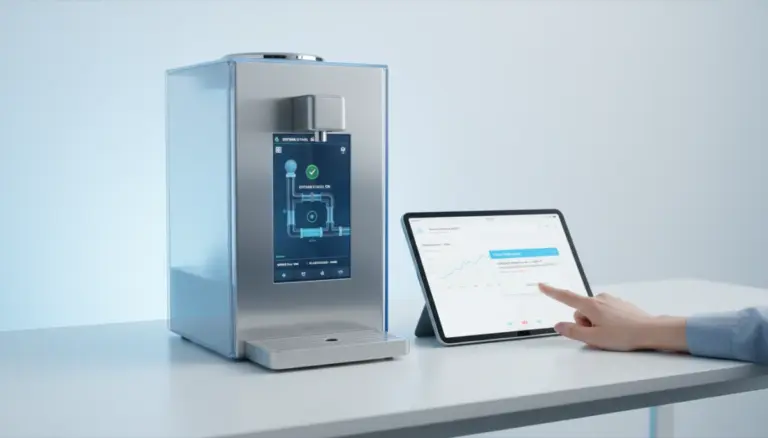
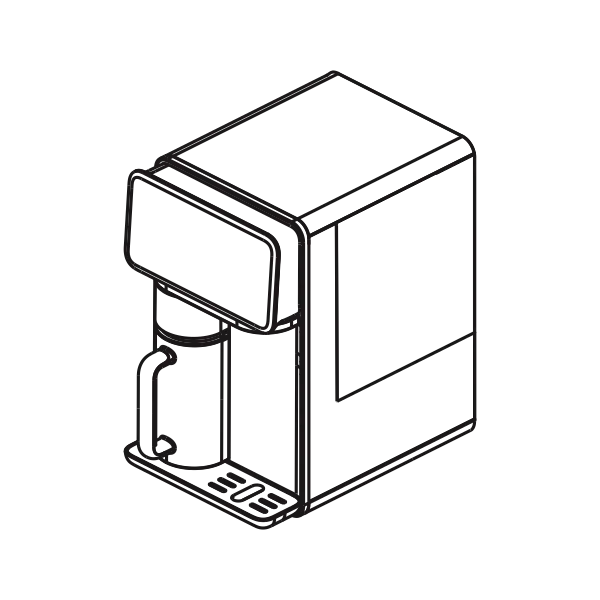

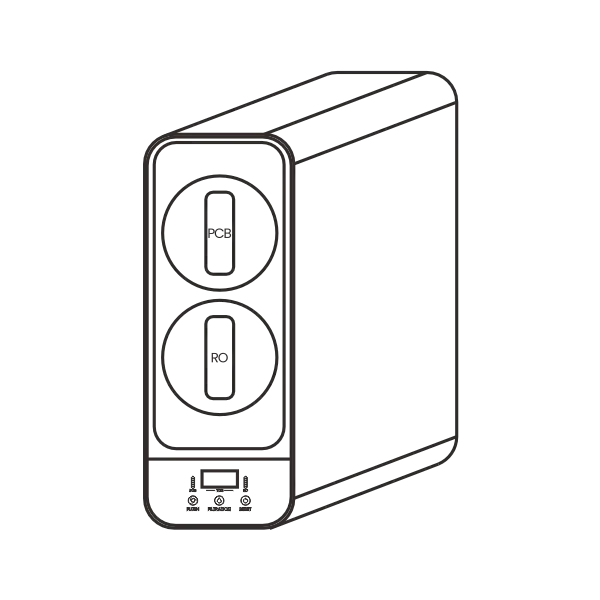













Are you tired of wondering if your tap water is truly safe to drink? Choosing the best drinking water filter can transform your water quality and give you peace of mind.
As water quality experts at driplife, we’ve seen firsthand how the right water filtration system can make a difference in your health and home. In this guide, we’ll break down everything you need to know about drinking water filters—from types and features to picking the perfect one for your local water needs.
Ready to enjoy cleaner, tastier water? Let’s get started!
What Is a Drinking Water Filter
A drinking water filter is a device designed to remove impurities from your tap water, making it safer and better tasting. Its main purpose is to improve water quality by filtering out harmful substances and unwanted particles that can affect health and flavor.
How Drinking Water Filters Improve Water Quality
Water filters work by pushing water through various filtration media that trap or neutralize contaminants. The most common methods include:
- Activated carbon that captures chlorine, odors, and some organic chemicals
- Mechanical filtration to remove sediments like dirt and rust
- Ion exchange to reduce heavy metals such as lead and mercury
- Microbial barriers to block bacteria and parasites
By combining these processes, filters deliver cleaner, clearer, and safer water right from your tap or pitcher.
Contaminants Removed by Drinking Water Filters
High-quality drinking water filters target key pollutants that affect both safety and taste. These include:
- Chlorine: Commonly added by municipal systems to disinfect water but can cause unpleasant taste and odor
- Lead: Toxic metal that can leach from old plumbing and cause serious health problems
- Bacteria and parasites: Harmful microorganisms that can cause illness
- Sediments: Sand, dirt, and rust particles that make water cloudy or gritty
- Pesticides and chemicals: Trace amounts from agricultural runoff or industrial sources
Removing these contaminants ensures your water is not just clean but also free from harmful substances that standard tap water might still carry.
Using a drinking water filter is a simple and effective step toward safer, healthier water at home, making it an essential appliance in any household concerned about water quality. For more on how specific filters work, check out this guide on efficient ceramic water filters.
Why You Need a Drinking Water Filter
Using a drinking water filter at home is more than just a convenience—it’s a smart choice for your health, taste preferences, and your home’s plumbing. Here’s why it matters.
Health Benefits of Filtered Water
Filtered water significantly reduces harmful contaminants found in many U.S. water supplies, including chlorine, lead, bacteria, pesticides, and sediments. Removing these impurities:
- Protects your immune system from waterborne illnesses.
- Cuts down on exposure to heavy metals like lead, which are linked to serious health problems.
- Offers safer drinking water for children and seniors, who are more vulnerable to toxins.
Especially if you rely on municipal water or a private well, a quality filter helps ensure you’re drinking clean, safe water every day.
Better Taste and Odor
One of the most noticeable benefits of a drinking water filter is improved water taste and smell. Many local water supplies have a strong chlorine flavor or unpleasant odors caused by organic materials or sulfur. Filtering can:
- Remove chlorine taste.
- Eliminate musty or metallic odors.
- Make water far more refreshing and enjoyable, encouraging everyone in your household to drink more water.
This is a simple upgrade that goes a long way for everyday hydration.
Protecting Appliances and Plumbing
Filtered water isn’t just about drinking—it also helps your home’s pipes and appliances:
- Reduces sediment build-up that can clog pipes.
- Prevents scale and mineral deposits in dishwashers, water heaters, and coffee makers.
- Extends the lifespan of plumbing and appliances, saving on costly repairs.
By investing in a water filter system, you help maintain your home’s infrastructure and reduce maintenance headaches.
Common Local Water Issues in the United States
Water quality varies widely across the U.S., and many regions face specific challenges such as:
- Heavy chlorine use in city water systems (common in Northeast and Midwest).
- High lead levels in older urban areas with aging pipes (like parts of Michigan and Pennsylvania).
- Agricultural runoff introducing pesticides in rural settings, especially in the Midwest and South.
- Hard water problems with minerals like calcium and magnesium common in Southwest and some western states.
Using the right drinking water filter tailored to your local water concerns is the best way to ensure you’re protected from these regional issues.
Bottom line: A drinking water filter enhances your health, improves taste, protects your home, and addresses common U.S. water quality problems. It’s a smart, affordable way to take control of your water quality every day.
Types of Drinking Water Filters
Choosing the right drinking water filter depends on your needs, budget, and space. Here’s a quick rundown of the most popular types, plus their main pros and cons to help you decide.
Pitcher Filters
What they are: Portable pitchers with built-in filters you fill manually.
Pros:
- Easy and affordable
- No installation needed
- Great for renters or small households
Cons: - Limited capacity, needs frequent refills
- Filters usually last 1-3 months
- Slower filtration compared to other types
Faucet-Mounted Filters
What they are: Attach directly to your kitchen faucet to filter water on demand.
Pros:
- Convenient and easy to install without tools
- Filters water instantly
- Removes chlorine, sediments, and some lead
Cons: - May affect water flow
- Not ideal for whole-house use
- Filter replacement can be frequent
Under-Sink Filters
What they are: Installed under your kitchen sink, connected to your cold water line.
Pros:
- High filtration capacity
- Doesn’t take up counter space
- Removes a wide range of contaminants including lead and pesticides
Cons: - Professional installation recommended (DIY possible)
- More expensive upfront
- Filter changes can be a bit tricky
Countertop Filters
What they are: Standalone units sitting on your countertop, connected to your faucet or with their own spout.
Pros:
- No under-sink installation needed
- Larger filter capacity than pitchers or faucet mounts
- Easy maintenance
Cons: - Takes up counter space
- Not as sleek-looking as under-sink options
- Can be pricey
Whole-House Filtration Systems
What they are: Filters all the water coming into your home at the main water line.
Pros:
- Protects plumbing and appliances
- Removes sediments, chlorine, and other contaminants from every tap
- Ideal for homes with well water or poor municipal supply
Cons: - Highest initial cost
- Requires professional installation
- Filter cartridges need regular maintenance
In deciding the best drinking water filter for home use, think about your water quality, family size, and what contaminants matter most. If you want something simple and affordable, a pitcher filter or faucet-mounted filter can do the job. For higher filtration needs or specific contaminant removal like lead or pesticides, under-sink or whole-house systems are better bets. Plus, always look for NSF certified water filters to ensure you’re getting reliable protection.
How to Choose the Right Drinking Water Filter for You
Choosing the best drinking water filter for your home boils down to understanding your water needs and matching them with the right system. Here’s how to make an informed choice that fits your lifestyle and local water conditions.
Assess Your Local Water Quality
Before picking a filter, know what’s in your water. Water quality varies widely depending on your area—municipal water might have chlorine and sediments, while well water may contain bacteria or heavy metals like lead.
- Get your water tested: Use a local water testing service or at-home test kits to identify contaminants.
- Look for common issues like chlorine taste, hard water minerals, pesticides, or industrial pollutants.
- Find out if you need to target specific contaminants by checking local water quality reports. Learn more about water testing near me.
Consider Filter Capacity and Lifespan
Water filters come with different capacities, meaning how much water they can clean before needing a replacement.
- Filter capacity affects convenience and cost. Bigger capacity filters require less frequent change.
- Check the lifespan: Usually rated in gallons or months (e.g., filter lasts for 100 gallons or 3 months).
- Pick a filter sized for your household’s daily water use to avoid frequent replacements or running out of filtered water.
Look for Certification Standards
Certifications from trusted organizations guarantee that your filter meets safety and performance criteria.
- NSF/ANSI certifications are the gold standard for water filters.
- These certifications confirm that the filter effectively removes specific contaminants such as lead, chlorine, or bacteria.
- Make sure your chosen filter clearly states which contaminants it removes and its certification status. For more insight, see this guide on NSF certified water filters.
Ease of Installation and Maintenance
Choose a filter that fits your comfort with installation and upkeep.
- Pitcher filters and faucet-mounted filters are easy to install with minimal tools.
- Under-sink filters might require more effort or professional help but offer higher filtration capacity.
- Consider how often you’ll need to replace cartridges and whether notifications or easy access to parts are available.
- Maintenance ease affects long-term satisfaction, so pick a system that fits your routine.
Budget Considerations
Water filters come in a range of prices—from affordable pitcher filters to more costly whole-house systems.
- Balance initial purchase cost with ongoing filter replacements.
- Cheaper filters may save upfront money but might require more frequent cartridge changes.
- Higher-end filters typically offer better efficiency and longer lifespans, saving money over time.
- Evaluate your budget for both installation and maintenance when selecting a system.
By focusing on your local water issues, filter capacity, certifications, installation ease, and budget, you can confidently pick the best drinking water filter for your home. For more details on different filter types, check out types of kitchen sink filtered water faucet.
Installing and Maintaining Your Drinking Water Filter
Getting your drinking water filter set up and well-maintained is key to enjoying clean, fresh water every day. Whether you’re using a pitcher filter, an under-sink water filter, or a whole house filtration system, proper installation and upkeep ensure your system works efficiently.
Basic Installation Tips for Drinking Water Filters
- Read the instructions carefully: Each filter type—faucet-mounted, under-sink, or countertop—comes with specific installation steps. Don’t skip the manual.
- Turn off water supply if needed: For filters like under-sink systems, shut off the water before installing to avoid leaks.
- Use appropriate tools: Simple wrenches and screwdrivers often suffice. Avoid over-tightening connections to prevent damage.
- For under-sink water filter installation, consider:
- Cutting pipes safely if needed (use a proper pipe cutter).
- Using Teflon tape on threaded fittings to prevent leaks.
- If unsure about installation, hire a professional or look up nearby water filter installation services.
Maintenance and Filter Replacement Frequency
Keeping your filter clean and replacing cartridges when needed is crucial. Here’s what you need to know about water filter maintenance:
Replace filters regularly according to the manufacturer’s recommendations, typically every 2-6 months for pitcher and faucet filters, and 6-12 months for under-sink and countertop models.
Whole house water filtration systems often require annual filter or media changes.
Signs you need a replacement include:
- Tastes or odors returning
- Water flow slowing down significantly
- Visible buildup on filter components
Regularly clean filter housings and parts to avoid sediment buildup.
Keep an eye on your water’s taste and clarity to know when maintenance is due.
Troubleshooting Common Drinking Water Filter Issues
Even the best filters can run into common problems. Here’s how to tackle them:
- Low water flow
- Check if the filter is clogged and replace if needed.
- Inspect for leaks or loose connections.
- Bad taste or odor returns
- Replace the filter cartridge. Activated carbon filters lose effectiveness after some time.
- Ensure you’re using the right filter type for your water issues.
- Leaks at the installation point
- Tighten connections carefully.
- Reapply Teflon tape on threaded parts.
- Filter won’t fit or align properly
- Double-check the model is compatible with your system or faucet.
- Make sure you’re following installation steps exactly.
Following these simple tips will keep your affordable water filter for tap water working efficiently and delivering clean water consistently.
If you want to maximize your filter’s lifespan and performance, consider scheduling regular water quality testing near me to monitor any changing contaminants and adjust your filter type accordingly. This proactive approach helps in choosing the best drinking water filter for home use tailored to your local water issues.
By staying on top of installation, routine maintenance, and troubleshooting, you’ll avoid common pitfalls and enjoy fresh, safe drinking water every day without hassle.
Why Choose driplife Drinking Water Filters
When it comes to finding the best drinking water filter for home use, driplife stands out by focusing on what really matters—your local water quality and everyday needs. Here’s why driplife should be your top choice.
Products Tailored to Local Water Concerns
driplife designs its water filters to address the specific contaminants common in different U.S. regions—whether it’s removing chlorine from drinking water, filtering out lead, or tackling pesticides and sediments. This targeted approach means you get effective filtration that matches your local water issues, ensuring safer and better-tasting water right from the tap.
Commitment to Quality and Certifications
Every driplife filter is NSF certified, meeting rigorous standards for contaminant removal and safety. This certification ensures that you’re getting a product tested against common water concerns like bacteria, heavy metals, and more. When choosing a water filter, look for these certifications as a sign of reliability and proven performance.
Real Customer Testimonials and Case Studies
Thousands of customers across the U.S. have shared their positive experiences with driplife filters—highlighting easier installation, great-tasting water, and noticeable health benefits. Case studies confirm how driplife’s under-sink water filter installation and whole house water filtration systems effectively transform tap water, enhancing both taste and safety. These real stories show driplife’s commitment to user satisfaction.
Warranty and Dependable Customer Support
driplife offers solid warranties on all products, giving you peace of mind after purchase. Plus, their customer support team is knowledgeable and ready to help you with installation tips, maintenance advice, or troubleshooting, ensuring your water filter works effectively over time. This support makes driplife an affordable water filter option that’s easy to maintain.
of Why driplife is Right for You
- Filters designed for your local water quality and contaminants
- NSF certified products for guaranteed safety and performance
- Trusted by real U.S. customers with documented success
- Strong warranty and dedicated customer support
Choosing driplife means you’re investing in a reliable, certified, and easy-to-use drinking water filter that meets your home’s unique needs.
Drinking Water Filter FAQs
How Often Should I Replace My Drinking Water Filter
The replacement frequency depends on the type of filter and your water usage. Most filters need swapping every 3 to 6 months. For example:
- Pitcher filters typically last about 2 months or 40 gallons.
- Under-sink and countertop filters can last 6 months to a year.
- Whole-house filtration systems often require filter changes once or twice a year.
Check your filter’s capacity and manufacturer’s guidelines, and remember that heavy use or poor water quality may shorten filter life.
Can a Water Filter Remove All Contaminants
No single water filter removes all contaminants. Most common filters handle chlorine, sediments, lead, pesticides, and some bacteria. However, contaminants like certain viruses, fluoride, or heavy metals may need specialized filters or additional treatment.
Look for NSF certified water filters that test for specific contaminant removal, and consider water testing near you to identify your local water issues before buying.
Are Drinking Water Filters Safe For Well Water
Yes, but well water can have unique challenges like higher levels of iron, sulfur, or bacteria. Not every filter is designed for this. Make sure to:
- Get your well water tested first.
- Choose a filter system tailored for well water issues (e.g. UV filters for bacteria, iron removal filters).
- Maintain and replace filters regularly to avoid clogging or bacterial buildup.
How to Know if My Drinking Water Filter Is Working Effectively
Here are simple ways to check your filter’s performance:
- Taste and smell: Filtered water should taste fresher and have less chlorine or metallic taste.
- Flow rate: A slower flow may mean the filter is clogged and needs replacement.
- Visual checks: Sediment buildup or discoloration in the filter is a sign to change it.
- Water testing: Regular testing of filtered water is the best way to confirm contaminant reduction.
If you notice any unusual tastes, colors, or odors, it’s time to troubleshoot or replace the filter. Regular maintenance is key to keeping your affordable water filter working well for tap water or well water.