

















Are you tired of worrying about what’s in your tap water? Choosing the right countertop water filter can transform your drinking water, making it cleaner, tastier, and safer for your family.
At driplife, we’ve helped countless homeowners and renters find water filtration solutions that fit their needs and budgets. In this guide, we’ll break down everything you need to know about countertop water filters—from how they work to why they’re a game-changer for your kitchen.
Ready to enjoy pure, refreshing water at home? Let’s get started!
What is a Countertop Water Filter

If you’re wondering what a countertop water filter is and how it can help improve your tap water, you’re not alone. These compact filtration systems are designed to sit right on your kitchen counter, offering an easy and efficient way to get cleaner, better-tasting water without complicated installation.
Definition and Description
A countertop water filter is a standalone water filtration unit that connects directly to your faucet or uses gravity to filter tap water. Unlike under-sink or whole-house filters, these units don’t require any permanent plumbing changes. You simply place them on your counter and use them to filter drinking water right where you need it.
How Countertop Filters Work
Most countertop systems use one or a combination of common filtration mechanisms such as:
Activated Carbon Filters: These are great at reducing chlorine, bad tastes, odors, and some organic chemicals. Activated carbon traps impurities by adsorption, improving water clarity and flavor.
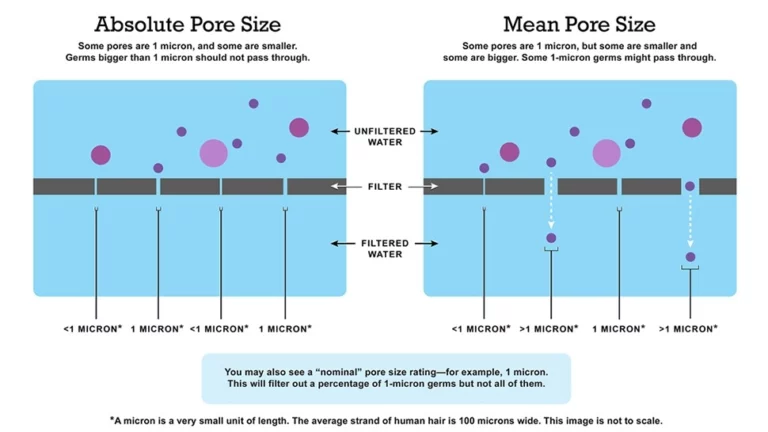
Ceramic Filters: Made from porous ceramic material, they physically block sediment, bacteria, and some cysts from passing through, making them excellent for basic microbial filtration.
Reverse Osmosis (RO) Systems: These filters push water through a semi-permeable membrane to remove heavy metals, salts, fluoride, and other dissolved solids, offering a deeper level of purification than carbon or ceramic alone.
UV Filters: Ultraviolet light units target bacteria and viruses, providing an extra layer of protection when used alongside other filtering methods.
Key Features of Countertop Water Filters
What sets countertop filters apart from other types like pitcher filters or under-sink systems is:
- No plumbing required: They connect easily to standard faucets or operate independently.
- Portability: Because they don’t need permanent installation, you can move them whenever needed, ideal for renters or travelers.
- Versatility: Available with different filtration combinations to suit varied water quality issues.
- Space-saving design: Most are compact, fitting comfortably on kitchen counters without requiring under-sink space.
- Cost-effective: They often offer better filtration and faster hydration than bottled water without the high upfront cost of whole-house systems.
a countertop water filter provides a convenient, effective, and user-friendly solution to improve the quality of your tap water using proven filtration technologies like activated carbon, ceramic, reverse osmosis, or UV light—all without the hassle of complex installations.
Benefits of Using a Countertop Water Filter

Choosing a countertop water filter comes with several clear advantages, especially for those looking for an easy, affordable way to improve their tap water quality without major changes.
Easy Installation No Plumbing Required
One of the biggest perks of a countertop water filter is that it’s super simple to install. You don’t need any plumbing skills or tools to set it up. Most units just connect directly to your faucet or sit next to it, so you can start filtering water in minutes. This makes it a perfect solution for renters or anyone not wanting to mess with pipes.
Portability and Versatility for Renters or Travelers
If you move around a lot or like to travel, countertop filters are a great fit because they’re portable and easy to move. Unlike built-in under-sink systems, you can take them with you, ensuring you always have access to clean, filtered water wherever you go. This versatility is hard to beat in portable water filter options.
Effective Removal of Contaminants
Countertop water filters use solid filtration methods—often activated carbon, reverse osmosis, or ceramic filters—to remove a wide range of common tap water impurities, such as:
- Chlorine and chemical odors
- Heavy metals like lead and mercury
- Sediments and rust particles
- Bacteria and other harmful microbes
This means your water isn’t just cleaner, it’s safer to drink overall.
Improved Taste and Odor of Tap Water
Many people complain about the taste or smell of tap water. A high-quality countertop filter can make a big difference by eliminating chlorine and other odor-causing substances, leaving your water tasting fresh and clean. This can also help when cooking or making coffee and tea.
Cost Effectiveness Compared to Bottled and Under Sink Filters
Compared to constantly buying bottled water or investing in expensive under-sink systems, countertop water filters are often a more affordable and sustainable choice. They have:
- Lower upfront costs
- No installation fees
- Long-lasting filters you can easily replace yourself
This makes them ideal for anyone looking to save money without compromising on water quality.
Whether you want an easy install water filter, a portable countertop solution, or a reliable way to remove harmful contaminants, countertop water filters strike a good balance of convenience, performance, and value for homes across the U.S.
Types of Countertop Water Filters Explained
When choosing the best countertop water filter for your home, it helps to know the common types available. Each uses a different filtration method, so their effectiveness and maintenance needs vary. Here’s a straightforward breakdown of the main types:
Activated Carbon Filters
How they work: These filters use activated carbon to trap contaminants by adsorption. They’re great at removing chlorine, bad tastes, odors, and some chemicals.
Pros:
- Improves water taste and smell significantly
- Usually affordable and easy to maintain
- Removes certain organic chemicals and some heavy metals
Cons:
- Less effective against bacteria, viruses, and minerals like fluoride
- Filter life varies; replacement is needed regularly
Reverse Osmosis Systems
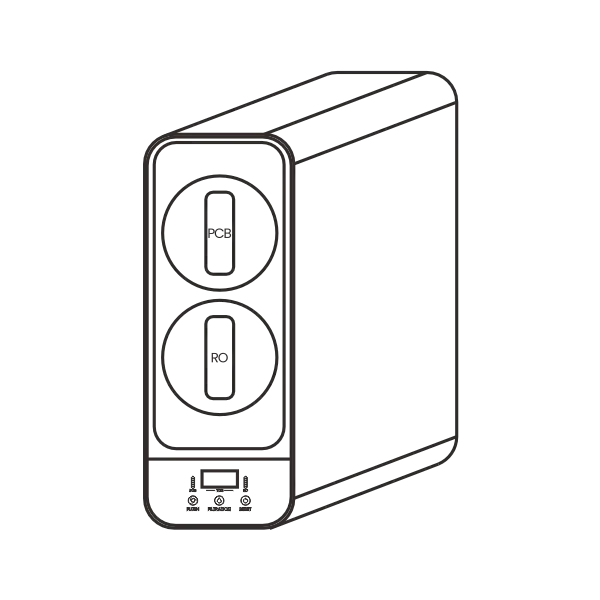
How they work: RO systems push water through a semi-permeable membrane that removes a wide range of contaminants, including heavy metals, salts, and microorganisms.
Pros:
- Excellent at reducing almost all contaminants, including heavy metals and fluoride
- Produces highly purified water
Cons:
- Typically more expensive upfront
- Slower filtration rate, sometimes wasting water
- Bulky units that may take more counter space
For a detailed look at countertop reverse osmosis options, see our guide on best countertop RO system features comparisons.
Ceramic Filters
How they work: These filters rely on tiny pores in ceramic to physically block bacteria, sediments, and some cysts.
Pros:
- Great for microbiological contamination
- Long-lasting and washable filters available
- No chemicals involved in filtration
Cons:
- Do not remove dissolved chemicals, chlorine, or heavy metals effectively
- Can clog faster if water has a lot of sediment
UV Filters
How they work: UV systems use ultraviolet light to deactivate bacteria, viruses, and other microorganisms.
Pros:
- Excellent microbial disinfection
- Chemical-free treatment, no taste or odor change
Cons:
- No filtration of sediments, chemicals, or dissolved solids
- Requires electricity and bulb replacement
of Pros and Cons
| Filter Type | Pros | Cons |
|---|---|---|
| Activated Carbon | Great taste and odor removal | Limited against microbes, minerals |
| Reverse Osmosis | Removes most contaminants | More expensive, slower, wastes water |
| Ceramic | Blocks bacteria and sediments | Poor chemical removal |
| UV | Strong microbial kill rate | No physical filtering, needs power |
Understanding these types helps you pick the best countertop water filter based on your water source and priorities—whether that’s taste, microbial safety, or removing heavy metals. For those unsure about what contaminants to focus on, start by getting your local water report to see what needs filtering.
For more on effective countertop filters and what to expect from each technology, check out our article on are countertop water filters effective best features benefits.
How to Choose the Right Countertop Water Filter for You
Picking the best countertop water filter means finding one that fits your water quality needs, kitchen space, and budget. Here’s a clear guide to help you make the right choice.
Assess Your Local Water Quality Needs
Start by understanding what’s in your tap water. Common contaminants vary by location, so check your local water quality report or get a simple water test kit. Look for filters that target:
- Chlorine and Chloramine for improving taste and odor
- Heavy metals like lead and mercury
- Sediments such as rust or dirt particles
- Bacteria and viruses if your water source is questionable
Knowing these will help you choose the right filtration method, whether it’s activated carbon, reverse osmosis, or ceramic filters.
Consider Filter Capacity and Lifespan
Filter capacity refers to how much water a filter can process before needing replacement. Think about your household size and daily water usage:
- Larger capacity filters mean fewer replacements and less hassle
- Typical countertop filter lifespan ranges from 3 to 12 months depending on use and water quality
- Check how easy and affordable it is to replace filters—this impacts overall cost-effectiveness
Check for Certifications and Safety Standards
Choose filters certified by trusted organizations like NSF International or ANSI standards. Certifications guarantee the filter effectively removes certain contaminants and is safe to use. Look for:
- NSF/ANSI 42 for taste and odor removal
- NSF/ANSI 53 for health-related contaminant removal
- NSF/ANSI 58 for reverse osmosis systems
This ensures you’re buying a reliable countertop water filter that meets recognized safety benchmarks.
Match Size and Design to Your Kitchen Space
Countertop filters come in different shapes and sizes. Make sure the unit fits comfortably on your countertop without cramping your kitchen workspace. Consider:
- Available space near your faucet or an electrical outlet if needed
- Filter design that blends well with your kitchen aesthetic
- Portability, especially if you rent or move often
Set a Realistic Budget
Price varies widely between filter types and brands. While it’s tempting to go for the cheapest option, focus on overall value:
- Include filter replacement costs in your budget
- Consider long-term savings compared to bottled water or under-sink systems
- Look for affordable water filter solutions that balance performance and price
By weighing these factors carefully, you’ll find a countertop water filter that matches your water needs, fits your kitchen, and stays within your price range—giving you clean, great-tasting water every day.
Installation and Maintenance Tips for Countertop Water Filters
Getting your countertop water filter up and running and keeping it working well doesn’t have to be complicated. Here’s a simple guide to help you install, clean, and maintain your filter for the best water quality at home.
Simple Installation Guide for Countertop Water Filters
Most easy install water filter models are designed with user-friendliness in mind. Follow these steps for a smooth setup:
- Unbox and check all parts before starting—filter housing, cartridges, hoses, and adapters.
- Attach the diverter valve to your kitchen faucet. This piece redirects water through the filter when turned on.
- Connect the filter unit to the diverter valve using the included tubing or connectors.
- Flush the filter by running water through it for 5–10 minutes to clear out any loose carbon dust or manufacturing residues.
- Position the filter on your countertop where it’s stable and near the faucet for easy access.
Always refer to the specific instructions your filter brand provides, especially for units like countertop reverse osmosis systems that may include extra steps.
Routine Cleaning and Filter Replacement
Keeping your countertop water filter running at peak performance means regular care:
- Clean the exterior regularly with a damp cloth to remove dust and spills.
- Replace filter cartridges as recommended, usually every 3 to 6 months depending on use and water quality. Some systems have indicators to remind you.
- Rinse or soak ceramic filters as needed to remove buildup (check your model’s guidelines).
- Periodically check connections and hoses to ensure they’re tight and leak-free.
Using expired filters can reduce effectiveness, so timely replacement is crucial for safe tap water filtration.
Troubleshooting Common Issues
Here are quick fixes for some common countertop water filter issues:
- Low water flow: Check for clogged filters or bent hoses. Replacing cartridges or cleaning ceramic filters often solves this.
- Leaks: Tighten all fittings and check the diverter valve installation. Replace any worn washers or O-rings.
- Unpleasant taste or odor: Flush the filter more thoroughly. If problem persists, it’s likely time for a cartridge replacement.
- Filter won’t attach or water doesn’t divert: Make sure the diverter valve fits your faucet type. Some faucets may need an adapter.
If problems continue, consult your filter’s manual or reach out to customer support for help.
By following these installation and maintenance tips, you ensure your best countertop water filter stays efficient and reliable. Regular upkeep means you always get clean, great-tasting water without hassle.
driplife Countertop Water Filters Why Choose Us
When it comes to countertop water filters, driplife stands out with products designed to meet real needs right here in the U.S. Our filters combine advanced filtration technology with ease of use, making clean, great-tasting tap water available for every kitchen.
Unique Features and Technology
- Multi-stage filtration system: driplife filters blend activated carbon with other proven methods to remove chlorine, heavy metals, sediments, and even some bacteria. This means cleaner, safer water without complicated setups.
- Compact and sleek design: Our units are made to fit neatly on any countertop, saving space while delivering powerful filtration.
- Easy installation and maintenance: No plumbing skills needed. Simply attach to your faucet or use the included adapter. Filter replacements are straightforward, with clear instructions and affordable parts.
Commitment to Quality and Customer Satisfaction
At driplife, we are serious about quality assurance. Every filter undergoes strict testing to ensure it meets NSF and ANSI standards, giving you confidence in your water’s safety.
We know that good customer service matters. Our team is ready to help you with any questions before or after your purchase. That’s why thousands of locals trust driplife for their portable and affordable water filter solutions.
What Customers Say
Feedback is key, and driplife has plenty of positive reviews from users across the U.S.:
- “Quick setup and clear taste difference right away.”
- “Perfect for renters since no plumbing was needed.”
- “Affordable and reliable – I’ve recommended driplife to all my friends.”
These testimonials highlight driplife’s focus on practical, effective water filtration without the hassle.
Warranty and Support
We back our products with a strong warranty to protect your investment, plus ongoing support for filter replacement questions or any maintenance tips you need.
Choosing driplife means getting a certified countertop water filter that works, backed by a company that cares about your water quality and satisfaction every step of the way.
Countertop Water Filter FAQs
How effective are countertop water filters against contaminants
Countertop water filters do a solid job removing many common contaminants found in U.S. tap water. Most units with activated carbon effectively reduce chlorine, bad tastes, odors, and sediment. If you need more heavy-duty filtration, reverse osmosis models handle heavy metals like lead and mercury, plus some bacteria and viruses. Ceramic filters can block bacteria and protozoa but may not remove chemicals as well. Always check the filter’s NSF/ANSI certifications to confirm what contaminants it’s proven to reduce.
Can I install a countertop water filter without professional help
Yes, one of the biggest perks of countertop water filters is easy installation with no plumbing needed. Most units come with clear instructions and attach directly to your faucet or work as standalone pitchers. Installation usually takes under 10 minutes with just the included adapters and no tools. This makes them perfect for renters, small kitchens, or anyone who wants a quick setup without calling a plumber.
How long does a countertop filter typically last
Filter lifespan varies based on the model and your water quality but generally runs between 3 to 6 months or 100 to 300 gallons of water. Some high-capacity or reverse osmosis models can last longer, sometimes up to a year before needing replacement. Keep an eye on manufacturer recommendations and any filter change indicators to keep water quality at its best.
Differences between countertop filters pitcher and under-sink filters
Countertop Water Filters sit on your counter and connect to your faucet. They offer a balance of filtration and convenience without installation hassle. They tend to be more effective than pitchers but less robust than under-sink systems.
Pitcher Filters are portable and cheap but usually only improve taste and reduce chlorine and some sediment. Their filtration is limited and they require frequent refills.
Under-Sink Filters are installed under your sink and connect directly to your water line. They offer the most comprehensive filtration, including heavy metals, chemicals, and biological contaminants. However, they require professional or DIY plumbing installation and take up cabinet space.
In short, countertop water filters are a great middle ground for effective filtration, easy setup, and portability, especially if you want a quick upgrade to your kitchen’s tap water without changing your plumbing.