













Are you worried about the safety of your drinking water? Choosing the right UV water sterilizer can transform your water quality and protect your health.
As water safety experts at driplife, we understand the challenges of ensuring clean, pathogen-free water. That’s why we’re sharing our proven insights to help you find the best UV water disinfection system for your needs.
In this guide, you’ll discover how UV water purifiers work, their unique benefits, and why they’re a game-changer for homes and businesses. From installation tips to choosing the perfect system, we’ve got you covered.
Let’s dive into the world of UV water sterilization and unlock safe, crystal-clear water today!
What is a UV Water Sterilizer
If you’re concerned about the safety of your drinking water, you might wonder how a UV water sterilizer can help. Simply put, it’s a device designed to disinfect water using ultraviolet (UV) light technology, making it safe to drink by neutralizing harmful microorganisms.
How UV Technology Works in Water Treatment
Ultraviolet technology uses short-wavelength UV light, particularly UV-C rays, to destroy the DNA and RNA of bacteria, viruses, and other pathogens found in water. Unlike chemical disinfectants, UV sterilization doesn’t add anything to the water; it works by inactivating germs on a molecular level, preventing them from reproducing or causing illness.
How UV Rays Kill Bacteria Viruses and Other Pathogens
Here’s the key: UV-C light penetrates the cell walls of microbes and disrupts their genetic material. This process is called ultraviolet germicidal irradiation (UVGI), and it effectively neutralizes:
- Bacteria such as E. coli and Salmonella
- Viruses including norovirus and hepatitis A
- Protozoa like Giardia and Cryptosporidium
With germs unable to replicate, the water is sterilized instantly as it passes through the system, making it a powerful and efficient water purification method.
Components of a Typical UV Water Sterilizer System
A UV water sterilizer system usually includes these critical parts:
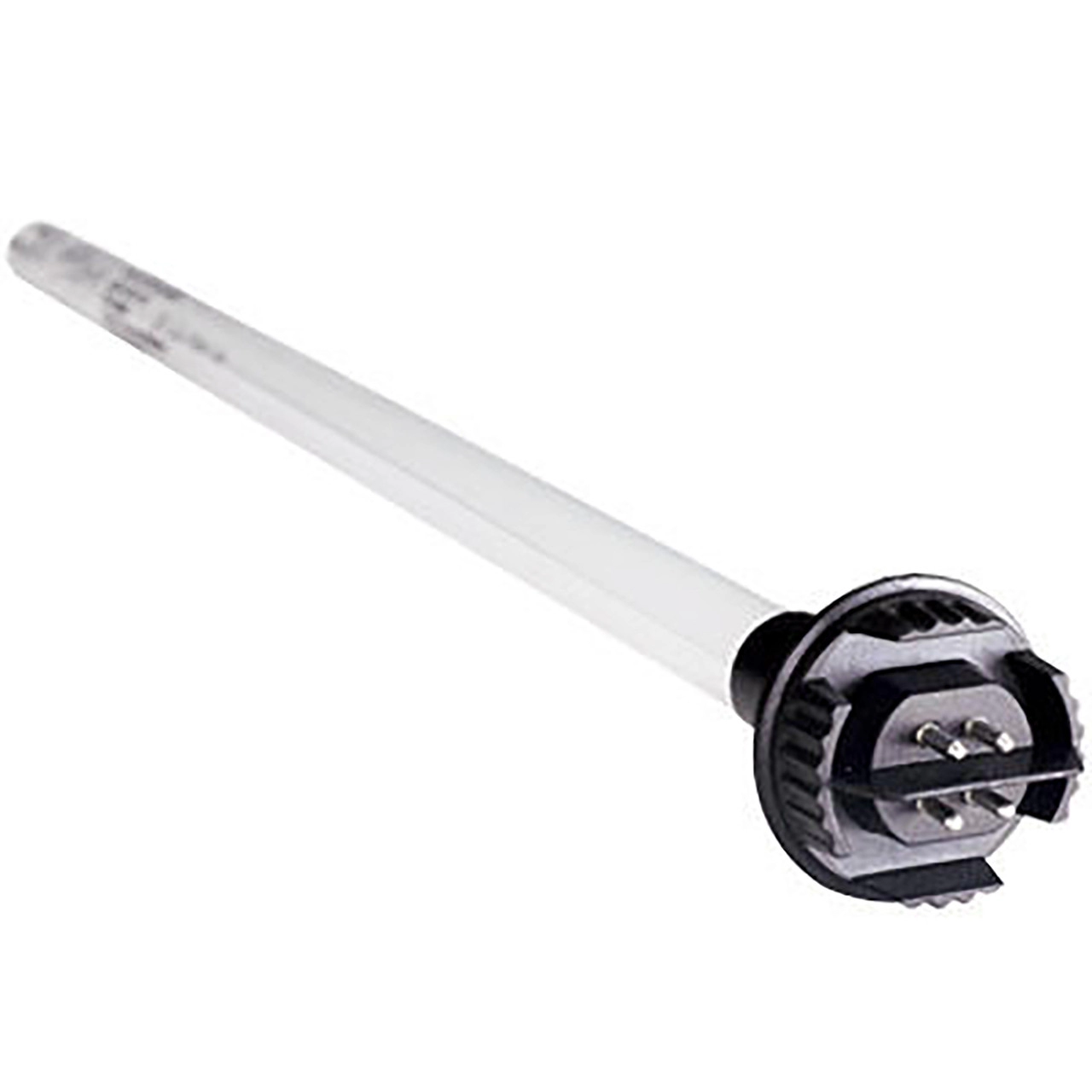
- UV Lamp: The core element emitting germicidal UV-C light. It’s typically housed inside a quartz sleeve to protect it from water contact.
- Quartz Sleeve: A transparent barrier around the lamp, allowing UV rays to penetrate while keeping the lamp dry.
- Reactor Chamber: A stainless steel or reflective chamber where water flows, optimized to maximize exposure to UV light.
- Power Supply Ballast: Controls the electrical current and ensures stable operation of the UV lamp.
- Control Panel/Indicators: Some models feature monitoring systems to alert you when the lamp needs replacement or system maintenance.
Together, these components ensure effective disinfection without chemicals, making UV sterilizers a reliable choice for safe, clean water.
For a deeper look into how UV water disinfection systems work and why they’re effective, visit this detailed guide on effective UV water treatment systems explained.
How Does a UV Water Sterilizer Work
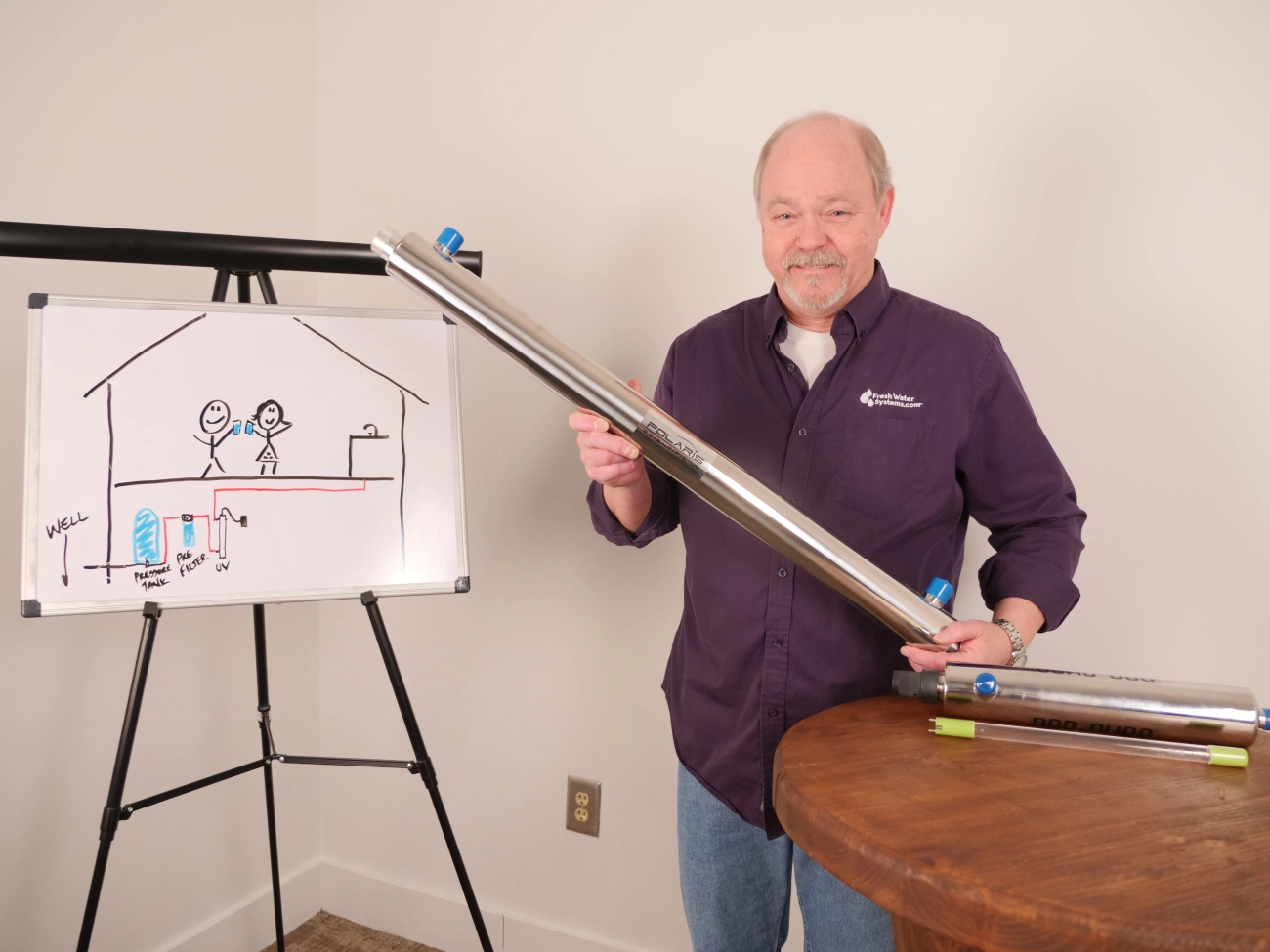
A UV water sterilizer uses ultraviolet light to kill harmful microorganisms in water. This method, called ultraviolet germicidal irradiation (UVGI), disables bacteria, viruses, and other pathogens by damaging their DNA, preventing them from reproducing and causing illness.
Step by Step Process of UV Sterilization
- Water flows into the UV chamber where a UV lamp emits germicidal ultraviolet light.
- The UV rays penetrate the cells of microorganisms present in the water.
- The DNA or RNA inside these microbes is disrupted, making them unable to multiply or infect.
- Sterilized water exits the unit, free of living pathogens and safe to use.
The Science Behind UVGI
UVGI uses UV-C light, typically with a wavelength around 254 nanometers, known for its effectiveness in disinfecting water without chemicals. Unlike other water sterilization methods, UVGI inactivates microbes instantly while maintaining the physical and chemical quality of water.
Factors Affecting UV Water Sterilizer Effectiveness
- Water Clarity: Clear water allows UV light to reach microorganisms easily. Cloudy or murky water reduces UV penetration, lowering sterilization effectiveness.
- Flow Rate: Water must flow at a rate that gives the UV light enough exposure time. Too fast, and pathogens might survive. Each UV sterilizer has a recommended flow rate for optimal performance.
- Pre-filtration: Removing sediment, dirt, and particles before UV treatment boosts effectiveness by preventing UV shielding of microbes.
- Lamp Intensity and Age: UV lamp strength diminishes over time. Regular lamp replacement is necessary to maintain disinfection power.
- System Design: Proper sizing and arrangement ensure thorough exposure of water to the UV rays.
By understanding these points, you can get the most from a UV water sterilizer, ensuring your water is not just clean but also safe from harmful microbes.
Benefits of Using UV Water Sterilizers
Using a UV water sterilizer comes with several advantages that make it a smart choice for safe water at home or in business settings.
Chemical Free Disinfection Method
Unlike traditional water treatment methods that rely on chemicals like chlorine, UV water sterilizers use ultraviolet light to kill bacteria, viruses, and other pathogens. This means no harmful chemicals are added to your water, making it safer for you and your family.
Retains Water’s Natural Taste and Minerals
Since UV sterilizers don’t introduce chemicals, they keep the natural taste and mineral content of your water intact. This is a big plus compared to chemical treatments that can sometimes leave an unpleasant aftertaste or strip out beneficial minerals.
Eco Friendly and Energy Efficient
UV systems use very little electricity compared to other water treatment options. Plus, there are no chemical byproducts to dispose of, making UV sterilization an environmentally responsible and energy-efficient solution.
Low Maintenance and Operational Cost
Once installed, UV sterilizers are relatively easy to maintain. The main upkeep involves replacing the UV lamp annually and checking the quartz sleeve. Operational costs are low because the system doesn’t require ongoing chemical purchases or complicated filters.
Instant Disinfection Without Harmful Byproducts
UV sterilization works quickly, providing instant water disinfection as water flows by the UV lamp. Unlike chemical methods, it doesn’t produce harmful byproducts like trihalomethanes or chloramines, keeping your water safe and clean.
a UV water sterilizer offers safe, chemical-free, and efficient water treatment that preserves water quality while being gentle on the environment and your budget. It’s a reliable choice for anyone wanting clean, fresh-tasting water without the fuss.
Common Applications of UV Water Sterilizers
UV water sterilizers are versatile and widely used across various settings in the U.S., thanks to their effective and chemical-free water disinfection. Here’s where you typically find these UV water disinfection systems making a difference:
Residential Use in Homes and Apartments
Many homeowners choose UV water sterilizers as a reliable way to ensure clean, safe drinking water. They fit well in point-of-entry or point-of-use setups, treating well water or municipal water supplies without altering taste or adding chemicals. UV sterilizers provide peace of mind by killing bacteria, viruses, and other pathogens instantly.
Commercial and Industrial Use
Restaurants, healthcare facilities, and labs rely on commercial UV water sterilizers to maintain high water quality standards. These systems help prevent contamination in food preparation, medical instruments, or lab experiments. They’re favored for being fast, chemical-free, and low maintenance, which helps keep operations running smoothly.
Municipal Water Treatment
Municipal water plants use large-scale UV sterilization systems as part of their multi-barrier approach to water safety. UV disinfection plays a key role in meeting regulatory standards without producing harmful by-products often associated with chlorine. This ensures the city’s water supply remains safe from microbial contamination.
Aquarium and Pond Water Treatment
In aquatic environments, UV sterilizers control algae growth, harmful bacteria, and parasites without chemical treatments that could harm fish or plants. Hobbyists and professional aquariums appreciate UV water treatment for its ability to maintain clear water and a healthy ecosystem naturally.
of Key Applications
- Homes and apartments: Safe drinking water, well water treatment
- Restaurants and healthcare: Food safety, sterilized water for medical use
- Municipal systems: Large-scale microbial control without chemicals
- Aquariums and ponds: Keeps water clear and healthy without chemicals
UV sterilizers suit many needs thanks to their efficiency, eco-friendliness, and simplicity—making them a trusted choice for clean water across the board.
Choosing the Right UV Water Sterilizer for Your Needs
Selecting the best UV water sterilizer for home or commercial use starts with understanding your specific water treatment needs, as well as the water quality you’re working with.
Capacity and Sizing Considerations
- Size matters: Make sure to choose a UV water sterilizer that can handle your daily water volume. For home use, systems that treat between 5 to 15 gallons per minute (GPM) are common, while commercial or industrial setups will need higher capacity units.
- Flow rate impacts effectiveness: Too fast a flow can reduce UV exposure time, cutting down on disinfection performance. Always match the system capacity to your water demand.
Importance of Water Quality and Pre-filtration
Before water hits the UV sterilizer, it’s crucial to address water clarity, because UV light can’t penetrate cloudy or turbid water.
- Use pre-filters like sediment filters or carbon filters to remove dirt, debris, and chlorine.
- Better water clarity ensures full UV penetration, letting the system effectively kill pathogens.
- If your water has a high level of hardness or iron, consider additional filtration to protect the UV lamp and sleeve.
Certifications and Compliance Standards
For peace of mind, look for UV water sterilizers that meet recognized standards:
- NSF/ANSI Standard 55: Indicates the UV system effectively disinfects water.
- Check for compliance with EPA or FDA guidelines applicable in the U.S.
- Verified certifications ensure safety, performance, and durability.
driplife Product Range Overview
driplife offers a versatile lineup of UV water disinfection systems designed for a range of applications from residential to commercial use:
- Models designed for easy DIY installation and ones suitable for professional setups.
- Options with energy-efficient UV lamps, long-lasting quartz sleeves, and smart digital controls.
- Pre-packaged kits including pre-filters to streamline your installation.
- driplife’s systems are tested to meet U.S. standards, giving you reliable, chemical-free water treatment that’s both eco-friendly and cost-effective.
By matching capacity, ensuring proper pre-filtration, and choosing certified products like driplife’s UV water sterilizers, you’ll get safe, clean water without compromising taste or quality.
Installation and Maintenance Tips for UV Water Sterilizers
Proper installation and regular maintenance are key to getting the best performance out of your UV water sterilizer. Here’s what you need to know to keep your system running smoothly and efficiently.
Professional vs DIY Installation
- Professional Installation:
If you’re not comfortable working with plumbing or electrical fittings, it’s wise to hire a professional. Certified installers can ensure the system is correctly set up for optimal UV exposure, proper flow rate, and water clarity—factors critical for effective UV sterilization. - DIY Installation:
If you have some plumbing experience, installing a UV water disinfection system yourself is doable by following the manufacturer’s instructions carefully. Just make sure to properly seal all connections and place the system where it’s easy to access for maintenance.
For a detailed guide on installing water purification systems, you can check out how to install water filter faucet step by step guide.
Routine Maintenance Checklist
UV water sterilizers require minimal upkeep compared to chemical treatment methods, but regular maintenance is crucial:
- Clean the quartz sleeve monthly or as recommended. The sleeve protects the UV lamp and can get cloudy from minerals or biofilm buildup, reducing UV effectiveness.
- Inspect the UV lamp every 9-12 months. UV lamps lose strength over time even if they look fine, so it’s essential to replace them annually or as specified by the manufacturer.
- Check for leaks or corrosion. Ensure all fittings and seals are intact to prevent water damage or loss of UV exposure.
- Monitor water clarity. Suspended particles or turbidity can block UV light, so consider pre-filtration if your source water is cloudy.
How to Know When to Replace the UV Lamp
- Manufacturer’s recommended lifespan: Most UV lamps last around 9,000 to 12,000 hours (about 1 year of continuous use).
- Decreased disinfection performance: If you notice more sediment or algae growth downstream or after the sterilizer, it may be time to replace the lamp.
- UV intensity indicator: Some models include built-in UV sensors or warning lights signaling when lamp output falls below effective levels.
Always use the correct replacement water sterilizer UV lamp designed for your unit; mismatched lamps can reduce effectiveness.
Troubleshooting Common Issues with UV Water Sterilizers
- Water flow too fast: If water moves too quickly through the chamber, pathogens might not get enough UV exposure. Check and adjust flow rate per your system’s specs.
- Cloudy water: High turbidity decreases UV penetration. Add or clean pre-filters to ensure clear water enters the sterilizer.
- Lamp won’t turn on: Check electrical connections, replace ballast if necessary, and confirm power supply.
- Quartz sleeve cracked or dirty: A damaged sleeve can let water leak or reduce UV light. Replace or clean as soon as problems are detected.
Following these tips will help your UV sterilizer provide safe, effective water disinfection for years with minimal hassle. For more insights into how water treatment systems work, take a look at how does a water purifier work.
By staying on top of installation and maintenance, you ensure your system delivers powerful, chemical-free water treatment that keeps your home or business water safe and fresh.
driplife UV Water Sterilizers What Sets Us Apart
At driplife, we understand that choosing the right UV water sterilizer is about more than just technology—it’s about trust, reliability, and value tailored to your home or business. Here’s what makes our UV water sterilizers stand out:
Innovative UV Sterilization Technology
Our systems use advanced ultraviolet germicidal irradiation (UVGI) technology designed to deliver consistent, effective disinfection. We focus on:
- High-output UV lamps that provide optimal wavelength intensity to kill bacteria, viruses, and other pathogens efficiently.
- Smart sensor integration that monitors UV intensity and alerts you when it’s time to replace the lamp.
- Durable, corrosion-resistant chambers for long-lasting performance.
This combination means your water stays safe without the need for chemicals, ensuring pure, clean water every time.
Proven Customer Satisfaction
We back our products with real-world results. Customers regularly tell us that driplife UV sterilizers:
- Improve water safety instantly without affecting taste or odor.
- Operate quietly and efficiently with minimal maintenance.
- Fit seamlessly into homes, restaurants, labs, and commercial setups.
Our case studies show how businesses and homeowners across the U.S. trust driplife to protect their water supply reliably and affordably.
Comprehensive Warranty and Support
We stand behind every UV water sterilizer with:
- Industry-leading warranties for peace of mind.
- Responsive customer service teams ready to assist you with installation, troubleshooting, and maintenance.
- Access to certified local installation partners ensuring your system works right from day one.
For those looking to upgrade or maintain their system, we offer clear maintenance guides and support to maximize your unit’s lifespan.
If you’re interested in learning more about maintaining your water purification system or want to explore options like combining UV sterilization with filtration, check out our countertop water filters how they work maintenance tips for practical advice.
Choosing driplife means choosing reliable, efficient, and safe UV water disinfection systems designed for everyday American homes and businesses.
Frequently Asked Questions About UV Water Sterilizers
Is UV Water Sterilization Safe
Yes, UV water sterilization is completely safe. It uses ultraviolet light to disinfect water without adding chemicals or changing its natural qualities. Unlike chlorine or other treatments, UV does not produce harmful by-products, making it a trusted method for families and businesses across the U.S.
Can UV Kill All Types of Pathogens
UV sterilizers are effective against most bacteria, viruses, and protozoa found in water. However, they do not remove chemical contaminants or particles, so pre-filtration is essential for cloudy or sediment-heavy water. While UV kills or inactivates a broad range of germs, it’s important to note that some spores or parasites with thick outer shells might require higher doses or longer exposure times.
How Often Do I Need to Maintain My UV Water Sterilizer
Routine maintenance is simple but critical. You should:
- Replace the UV lamp annually (usually after about 9,000 hours of use)
- Clean the quartz sleeve every 3 to 6 months to keep it free from mineral buildup and ensure UV light passes through effectively
- Check system performance regularly to make sure the sterilizer is working properly
Following these steps guarantees consistent disinfection and extends the life of your system.
Does UV Affect Water Taste or Odor
No, UV water sterilizers do not change the taste, smell, or mineral content of your water. Because UV treatment only targets microorganisms, all the natural flavors and beneficial minerals stay intact. This makes it a great choice if you want chemical-free disinfection without compromising water quality.
If you’re looking for answers about how UV water purification works or need tips on installation and care, feel free to reach out to driplife’s support team. We’re here to help you find the best solution for your home or business water needs.
Where to Buy UV Water Sterilizers and Get Local Support
Finding the right UV water sterilizer and reliable support matters a lot when you want clean, safe water at home or your business. Here’s how to find driplife authorized dealers and get local help in the U.S.
Find driplife Authorized Dealers and Installation Partners Near You
- Visit the official driplife website and use their dealer locator tool to search by zip code or city.
- Authorized dealers provide genuine UV water purification systems and are trained to handle installation and maintenance properly.
- Local installation partners can ensure your UV water sterilizer is set up right, maximizing effectiveness and lifespan.
- Working with authorized partners also guarantees access to warranty services and genuine replacement parts like UV sterilizer lamps.
Online Purchasing Options
- driplife products are available for purchase online through the official website and trusted e-commerce platforms.
- Buying online offers convenience, easy comparison of models, and quick delivery to your doorstep anywhere in the U.S.
- Most online orders come with full customer support and assistance for initial setup or troubleshooting.
Local Service and Support Contact Info
- After your purchase, whether online or from a dealer, you can contact driplife’s customer support team for installation advice, maintenance tips, and warranty claims.
- For urgent issues, local service centers and authorized technicians are available across the U.S. to provide quick repairs and UV system maintenance.
- Keep handy the support hotline and email provided with your product for direct access to expert help anytime.
Bottom line: To get the best out of your ultraviolet water purifier, always buy from driplife authorized sources and rely on local, certified installers and service providers. This ensures smooth operation, long-term protection, and peace of mind for your water sterilization needs.