The Real Cost of a Home Water Filter Is Not the Purchase Price
Understanding Home Water Filter Types and Price Ranges
When people ask me about the cost of a water filter for home, they usually expect a single number. In reality, price depends heavily on which type of system you choose and how your family uses water day to day. Here’s a clear, no-nonsense breakdown of the main options and what you can realistically expect to pay in the U.S. market.
Point-of-Use Filters Cost Breakdown (Pitcher, Faucet, Countertop)
Point-of-use filters treat water at a single location, usually for drinking and cooking. They’re the most budget-friendly way to start:
Pitcher Filters
- Filter unit price: about $25–$60
- Replacement cartridges: $6–$20 each
- Typical annual cost: $40–$120 for a small family
- Best if you just want better-tasting drinking water with very low upfront cost.
Faucet-Mounted Filters
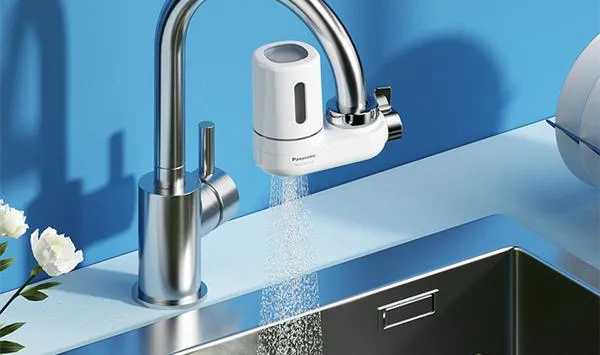
- Faucet water filter system price: about $25–$80
- Cartridges: $10–$30 each
- Yearly cost: usually $60–$150, depending on usage
- Good for renters or anyone who wants filtered water directly from the tap.
Countertop Water Filters
- Countertop water filter cost: about $80–$300
- Cartridges: $30–$120 each
- Yearly cost: roughly $80–$250
- Ideal if you want higher capacity and better filtration than basic pitchers or faucet filters.
If your budget is tight, point-of-use systems are the best affordable home water filter starting point, especially for city water.
Under-Sink Water Filter Cost for Home
Under-sink water filters sit in your cabinet and feed a dedicated drinking faucet or your main kitchen faucet. They offer a better balance between convenience, performance, and total cost of ownership:
- Under sink water filter price (system only): typically $120–$500
- Cost to install under sink water filter:
- DIY installation: $0 if you’re handy and the design is simple
- Professional installer pricing: usually $100–$300 in most US cities
- Water filter cartridge replacement cost: $40–$200 per year, depending on:
- Filter type (carbon, UF, RO, etc.)
- Household size and daily usage
For most families, a well-designed under-sink system is the best value home water filtration system because it quietly reduces long-term costs while providing consistent quality at the main point of use.
Whole House Water Filtration System Cost Overview
A whole house water filtration system (also called a whole home water filter) treats water as it enters your home, so every tap and shower benefits. This is a bigger investment and makes sense when you’re dealing with sediment, hardness, or problem well water.
- Whole house water filtration system cost (equipment only):
- Basic single-stage carbon or sediment systems: $400–$900
- Multi-stage or specialty media systems: $800–$2,500+
- Whole home water filter installation cost:
- Professional plumber: $400–$1,500, depending on:
- Plumbing complexity
- Basement/garage access
- Code requirements in your area
- Professional plumber: $400–$1,500, depending on:
- Annual maintenance cost for whole house filters:
- $100–$400+ per year for cartridges or media changes
- Water softener and filter system cost (combined):
- Typically $1,500–$4,000+ installed for higher-end setups
If you’re on well water or dealing with serious city water issues (chlorine, sediment, discoloration), the higher upfront price often pays off in better protection for your plumbing, appliances, and skin.
Quick Comparison of Average Costs by Filter Type
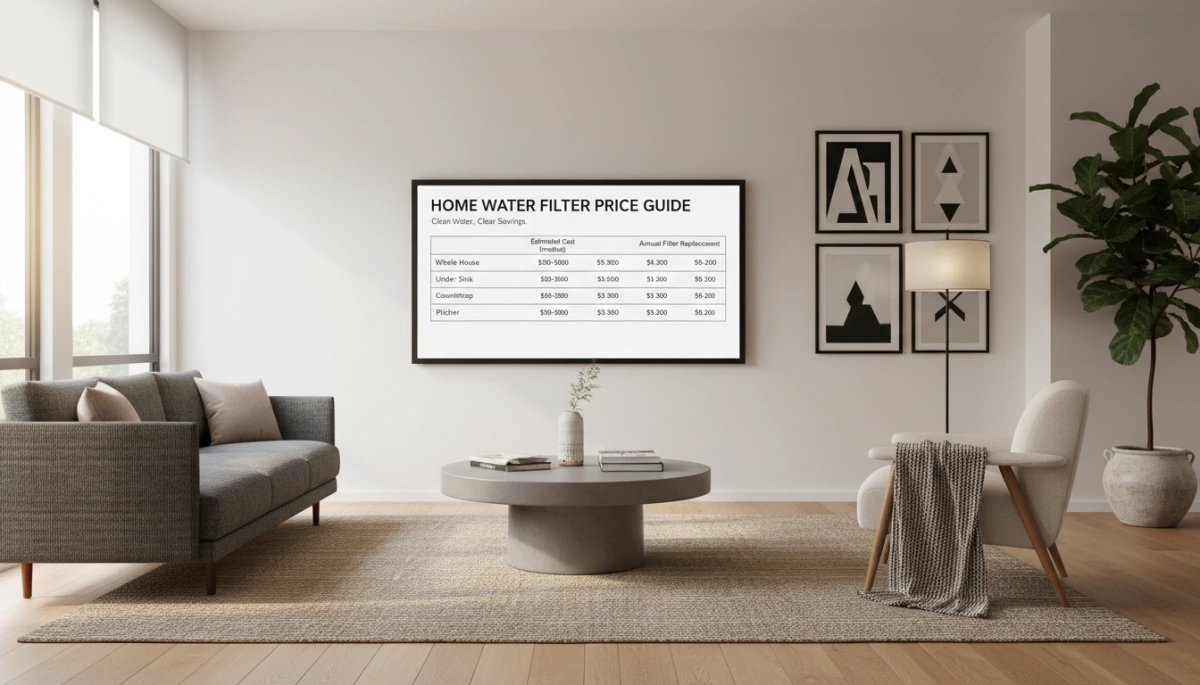
To make this easy to scan, here’s a simple overview of the home water filter cost breakdown (US market, typical ranges):
| Filter Type | Upfront System Cost | Install Cost (Pro) | Typical Yearly Filter Cost |
|---|---|---|---|
| Pitcher filter | $25–$60 | $0 | $40–$120 |
| Faucet-mounted filter | $25–$80 | $0–$100 | $60–$150 |
| Countertop water filter | $80–$300 | $0–$150 | $80–$250 |
| Under-sink (carbon/UF) | $120–$500 | $100–$300 | $40–$200 |
| Under-sink RO system | $200–$800 | $150–$400 | $80–$250 |
| Whole house filter | $400–$2,500+ | $400–$1,500 | $100–$400+ |
| Whole house + softener combo | $1,500–$4,000+ | Included / similar | $150–$500+ |
A quick rule of thumb I use when helping US families:
- If you want cheapest upfront: go with pitcher or faucet filters.
- If you want best long-term value for drinking water: choose a solid under-sink system.
- If you want whole home protection: budget for a whole house water filtration system plus professional installation.
As you look at these ranges, ask yourself: are you trying to spend less today, or less over the next 5–10 years on clean, safe water for your home? That answer will shape which system truly fits your budget.
Real Cost of Owning a Home Water Filter
When we talk about the cost of a water filter for home, the sticker price is just the starting point. The real number is everything you’ll pay over the life of the system.
Upfront Price vs. Installation Cost
- Point-of-use units (pitchers, faucet, most countertop units):
- $25–$150 for the unit
- Usually no plumber needed, just simple DIY setup.
- Under sink water filter price:
- $120–$500+ for a solid system
- DIY install is realistic for many homeowners, but a plumber can add $100–$300 depending on your kitchen and plumbing layout.
- Whole house water filtration system cost:
- $600–$3,000+ for equipment
- Whole home water filter installation cost: typically $500–$1,500 for a licensed plumber, more if pipes need rerouting.
If you want a cleaner, space-saving solution at the sink, something like a compact under-sink water filter system can keep installation time and labor lower than a full whole-house setup.
Annual Filter Replacement Expenses
This is where most people underestimate the total cost of ownership of a water purifier:
- Pitchers / faucet filters: $60–$150 per year (cartridges every 1–3 months)
- Countertop or under-sink carbon systems: $80–$200+ per year
- Reverse osmosis (RO) systems: $120–$300+ per year (sediment, carbon, and RO membrane on different schedules)
- Whole house filters: $100–$400+ per year depending on capacity and water quality
Always check filter lifespan (gallons or months) and water filter cartridge replacement cost before buying.
Maintenance and Service Over Time
- Most standard systems only need basic DIY maintenance:
- Cartridge swaps
- Occasional sanitizing of housings
- Some RO and whole-house systems may need:
- Professional service every 1–2 years
- Checks for pressure, leaks, and flow issues
Plan on at least $0–$150 per year in possible service, depending on how handy you are and how complex the system is.
Extra Energy and Water Usage Costs
- Carbon and UF systems:
- No electricity, no extra water waste in normal designs.
- RO filter long-term costs include:
- Water waste: many systems send 2–4 gallons down the drain for every gallon of purified water.
- In high water-rate cities, that shows up on your water bill.
- Some units use pumps, adding a small energy cost, especially in well water or low-pressure homes.
Look for systems with a better water waste ratio in RO systems and higher efficiency if you live where water is expensive or limited.
Plumbing Modifications or Upgrade Costs
For some setups, your home water filtration cost will also depend on how “plug-and-play” the system really is:
- Adding a dedicated drinking water faucet at the sink
- Drilling a hole in stone or steel sinks
- Upgrading old or corroded shutoff valves
- Reworking tight or crowded cabinets
These plumbing tweaks can easily add $100–$500 to the cost, especially for under-sink water filter installation and well water filtration system setups.
If space is tight or you want to avoid major cabinet changes, a more compact glass water filter pitcher or a smart countertop/under-sink design can keep both installation and modification costs under control.
Why Cheap Home Water Filters Can Be Expensive Long-Term
When people search “cost of water filter for home,” they usually look at the sticker price and ignore what really drains the wallet over a few years.
Short Lifespan = Higher Real Cost
Low-cost home water filters often have:
- Short filter lifespan (1–2 months instead of 6–12 months)
- Small, low-capacity cartridges that clog fast
- Poor build quality that leads to leaks, cracks, or loose fittings
On paper a $20 tap water filter system looks cheap. But if it only lasts a couple of months or the housing fails in a year, your total cost of ownership jumps fast.
Frequent Cartridge Changes and Rising Yearly Costs
Frequent filter changes are where “budget” systems quietly get expensive:
- $25 cheap faucet filter × change every 2 months = $150/year
- $80 better-quality under sink water filter × change once a year = $80/year
A low under sink water filter price up front can be wiped out quickly by constant cartridge changes. Always do the math on annual water filter replacement expenses, not just the initial tap water filter system price.
When “Cheap” Affects Taste, Performance, and Health
Cheaper filters often cut corners on media quality and certification:
- Taste issues: chlorine, musty odors, or metallic taste still noticeable
- Performance drop: filtration effectiveness falls off quickly as the filter loads up
- Risk of breakthrough: once saturated, some filters may let contaminants pass through almost like regular tap water
If you’re on well water or have known city water issues, relying on a bargain filter can mean poor protection against things like sediment, heavy metals, or certain chemicals. That’s not a place to save a few dollars.
Budget vs Durable Water Filter Systems: Simple Comparison
Example 1: Budget Faucet Filter
- Unit: $25
- Cartridges: $12 each, changed every 2 months
- 3-year cost: $25 + (18 × $12) = $241
- Common issues: slow flow, constant changes, weak taste improvement
Example 2: Durable Under-Sink Filter
- Unit: $120
- Cartridges: $60 each, changed once a year
- 3-year cost: $120 + (3 × $60) = $300
- Benefits: better flow, stronger contaminant reduction, less hassle
For many U.S. households, that extra ~$60 over 3 years is worth it for higher performance, less maintenance, and better water quality. If you’re leaning toward reverse osmosis, it’s worth comparing options using a total cost of ownership water purifier mindset and looking at systems designed for long-term efficiency, like a well-built under-sink RO system with optimized filter replacement cycles.
How Water Filtration Technology Affects Cost
When people ask about the cost of a water filter for home, what they’re really asking is: “Which technology gives me the best long‑term value?” Carbon, UF, and RO all clean water in very different ways—and their cost structure is just as different.
Activated Carbon Water Filter Pricing & Maintenance
For most U.S. homes on city water, carbon filters are the starting point:
- Typical cost (point-of-use)
- Pitchers / faucet / simple countertop: $20–$120
- Under-sink carbon system: $80–$300
- Replacement filters
- Pitcher / faucet cartridges: $20–$60 per year for a small family
- Under-sink cartridges: $40–$120 per year, depending on capacity
- Pros
- Lowest upfront cost
- Great for taste, chlorine, some odors, and some chemicals
- Easy DIY install and maintenance
- Cons
- Doesn’t remove dissolved salts, heavy metals very well, or microbes on its own
- Cheaper units need frequent cartridge changes, which increases yearly cost
If you’re mainly chasing better taste and chlorine reduction at the lowest price, a carbon water filter (like a pitcher or faucet unit) is usually the best value entry point. A good example is a high-quality water filter pitcher such as this water filter pitcher with wooden handle, which focuses on balanced cost, convenience, and taste improvement.
Ultrafiltration (UF) System Cost & Value
Ultrafiltration (UF) uses a membrane to physically block particles, bacteria, and some larger contaminants:
- Typical cost (under-sink / countertop)
- System price: $150–$500
- Replacement filters
- Pre-filter + UF membrane: $60–$150 per year for most households
- Pros
- Great for reducing bacteria and fine particles
- Little to no wastewater
- Lower long-term operating cost than RO in many city-water cases
- Cons
- Doesn’t remove dissolved solids (TDS) like hardness, nitrates, etc.
- Best paired with carbon for taste and chemical reduction
UF hits a sweet spot for people who want better safety than carbon alone without paying full RO costs or dealing with water waste.
Reverse Osmosis (RO) System Cost & Efficiency
Reverse osmosis goes further by removing most dissolved solids, heavy metals, and a wide range of contaminants:
- Typical cost (under-sink RO system)
- System price: $200–$800 for home use
- Whole house RO
- Commonly $2,000+ plus higher install and operating costs (often overkill for typical city homes)
- Replacement filters & RO membrane
- Pre/post filters: $50–$150 per year
- RO membrane: $50–$150 every 2–3 years
- Total average: $80–$250 per year depending on brand and usage
- Water & energy
- Most under-sink RO systems waste 2–4 gallons for every 1 gallon produced
- This increases your water bill slightly, especially in areas with higher water costs
- Pros
- Highest level of contaminant reduction among common home systems
- Great for very poor city water or well water (with proper pre-treatment)
- Cons
- Higher upfront system cost
- Higher lifetime cost from filters and water waste
- Slower flow unless paired with a tank or booster pump
RO can absolutely be worth the higher price if your water quality is bad or you need very low TDS, but you should factor in both ongoing filter cost and water waste ratio.
Comparing Technologies: Purity, Waste & Lifespan
Here’s how carbon, UF, and RO generally stack up for U.S. households:
| Technology | Typical Use | Purity Level* | Waste / Efficiency | Filter Lifespan** | Cost Profile |
|---|---|---|---|---|---|
| Carbon | Taste & chlorine | Basic–Moderate | No water waste | 2–6 months per cartridge | Lowest upfront & yearly cost |
| UF | Sediment + bacteria | Moderate–High (no TDS) | No water waste | 6–24 months (membrane) | Mid-range, good value |
| RO | High purity drinking | Very High (incl. TDS, metals) | 2–4:1 water waste (typical) | 6–12 months filters, 2–3 yrs membrane | Highest cost, highest purity |
*Purity depends heavily on the specific model and certification (NSF/ANSI standards).
**Real lifespan depends on local water quality and usage.
If you’re unsure which technology fits your budget and needs, checking a simple overview of common water filter types is a smart first step—especially when comparing long-term costs and performance differences between carbon, UF, and RO systems. You can get a clear breakdown of these options in this guide on water filter types and how they work.
Bottom line: the cost of a water filter for home isn’t just the sticker price. The filtration technology you choose locks in your future replacement expenses, water waste, and maintenance time, so it pays to pick the right level of purification for your actual water quality and daily habits.
Hidden Costs of a Home Water Filter Most People Miss
When you’re looking at the cost of a water filter for home use, the price tag on the box is only part of the story. Here are the big hidden costs most people in the U.S. overlook.
1. Space Requirements
Under-sink and whole house water filtration systems can eat up more space than you expect:
- Under-sink water filter systems may take most of the cabinet, forcing you to reorganize cleaning supplies or trash bins.
- Whole house water filters often need wall space near your main line and room for pre-filters, tanks, or a well water system if you’re on a private well.
- If you live in an apartment or smaller home, limited space can rule out certain high-capacity systems entirely.
2. Kitchen and Plumbing Changes
The cost of a home water filter often jumps once you factor in small remodels and plumbing changes:
- Drilling the countertop or sink for a dedicated drinking faucet
- Adding outlets or reinforcing cabinets for heavier countertop or RO units
- Rerouting pipes for whole house water filtration system installations
- Hiring a plumber if your lines, shutoff valves, or drains need upgrades
Those “minor” changes can easily run from $100–$500+ depending on your kitchen and local labor rates.
3. Water Waste and Your Monthly Bill
Some systems, especially reverse osmosis (RO), send a portion of water straight down the drain:
- Typical RO waste ratios can be 2:1 to 4:1 (2–4 gallons wasted for every 1 gallon of purified water)
- In areas with higher water and sewer rates, that extra waste adds up month after month
- If you’re on a well, extra water usage also means more wear on your pump and pressure tank
When you calculate the total cost of ownership of a water purifier, you need to factor in both water waste and long-term utility costs.
4. Water Quality Testing Costs
To size and choose the right system, and to confirm it’s doing its job, water testing is key:
- Basic home test kits: ~$20–$40
- Lab tests for city water: ~$80–$150
- Comprehensive well water testing: $150–$300+
- Post-install testing every year or two to make sure filter performance hasn’t dropped
If you’re dealing with well water, bacteria, or more complex issues, you may also combine filtration with disinfection, such as a dedicated UV water sterilizer, which adds equipment and maintenance cost.
When you add these hidden items—space, plumbing, waste water, and testing—the true cost of a home water filter can be very different from what you see on the shelf, and that’s exactly what you need to budget for up front.
Personal Factors That Change Your Home Water Filter Cost
When we talk about the real cost of a water filter for home, your situation matters more than the brochure price. Four things move the needle the most:
1. Household Size & Daily Water Use
- 1–2 people: A simple pitcher, faucet, or under sink water filter can be enough. Lower flow and usage mean:
- Smaller cartridges
- Longer filter lifespan
- Lower yearly replacement cost
- 3–5 people or more: You’ll push more water through the system, so:
- Filters hit their gallon limit faster
- You replace cartridges more often
- A higher-capacity under sink water filter or whole house water filtration system usually makes more sense long-term
If you’re filling lots of bottles, cooking often, and making coffee/tea at home every day, plan for higher water filter replacement expenses in your budget.
2. City Water vs Well Water
Your incoming water quality changes both the system price and the total cost of ownership:
- City water (typically chlorinated, regulated):
- Often fine with carbon water filters (faucet, countertop, or filtered water tap systems)
- Lower risk of bacteria, but you may want better taste, less chlorine, fewer contaminants
- Lower complexity = lower cost in many cases
- Well water:
- May need sediment pre-filters, iron filters, UV, or higher-end systems
- Well water filtration system cost can be significantly higher upfront
- Testing your water is critical before choosing a system
The tougher your water problem, the more stages and components you’ll need—and that adds to both purchase and maintenance costs.
3. DIY Installation vs Professional Installer
How you install your home water filter has a big impact on cost:
- DIY installation:
- Best for countertop, pitcher, faucet-mounted, or simple under sink water filters
- You save on labor but must be comfortable with tools and basic plumbing
- Mistakes can mean leaks, damage, or voided warranties
- Professional installation:
- Recommended for whole house water filters, RO systems, and any setup needing plumbing changes
- Expect $150–$800+ depending on system complexity and local rates
- You get:
- Proper sizing and setup
- Fewer leaks
- Better documentation for warranty claims
If you’re unsure, I strongly recommend pro install on anything tied directly into your main line.
4. Brand, Warranty & Support
The logo on the box matters less than what stands behind it:
- Reputable brands with solid warranty and support often cost more upfront but save money later:
- Better build quality and longer filter life
- Easier access to cartridges and parts
- Clear performance data (NSF certifications, tested capacity, etc.)
- Cheap or unknown brands:
- Lower purchase price but:
- Shorter filter life
- Higher water filter cartridge replacement cost
- Harder to find replacements
- Limited or no support
- Lower purchase price but:
For most US homes, the best value is a system with:
- A clear warranty (at least 1–3 years on hardware)
- Readily available, reasonably priced replacement filters
- Transparent specs on capacity and contaminant reduction
Your home water purification cost isn’t just what you pay today—it’s how smoothly and cheaply the system runs for the next 5–10 years.
How to Calculate Total Cost of a Home Water Filter
When I look at the cost of a water filter for home, I never stop at the price tag. The smart way is to run the numbers over 5–10 years and compare the total cost of ownership (TCO).
Estimating 5–10 Year Cost of Common Filter Types
Here’s a simple formula you can use for any system:
Total Cost (5–10 years) =
- Upfront system price
- + Installation cost (or tools/materials if DIY)
- + (Yearly filter replacement cost × number of years)
- + Any extra water/energy cost
Quick ballpark for U.S. homes:
| Filter Type | Typical 5-Year Cost (USD) | Typical 10-Year Cost (USD) |
|---|---|---|
| Pitcher / Faucet filter | $200–$600 | $400–$1,200 |
| Countertop / basic under-sink | $400–$1,200 | $800–$2,400 |
| Reverse osmosis under-sink | $800–$2,000 | $1,600–$3,500+ |
| Whole house water filter system | $1,500–$5,000+ | $3,000–$8,000+ |
The more water you run through the system (larger households, heavy cooking, lots of coffee/tea), the more those filter replacement expenses matter.
Comparing Systems Using Total Cost of Ownership
When I compare systems, I always line them up on three things:
- Cost per gallon:
Total 5-year cost ÷ estimated gallons filtered. - Filter lifespan:
Longer-life cartridges usually win, even if they cost more upfront. - Maintenance burden:
If you’re changing filters every 1–2 months, your “cheap” system gets expensive fast.
This is where some standardized solutions like a water filter jug or faucet filter with long-life cartridges can be a better value than a flashy but high-maintenance setup.
Tips to Cut Costs With Smart Design
You can keep your home water filter cost breakdown under control by focusing on design and parts:
- Pick systems that use standard-size cartridges (not only proprietary ones).
- Choose high-capacity filters (6–12 months per cartridge) rather than 1–2 month filters.
- Avoid systems with complex, multi-stage cartridges that must be replaced all at once.
- Match the tech to your water: don’t pay RO prices if a good carbon system or hard water faucet filter solves your problem.
Over 5–10 years, those decisions can easily save you hundreds of dollars without sacrificing water quality.
Why Transparent Pricing From Suppliers Matters
From my side as a supplier, I know transparent pricing is the only way you can make a good decision. Before you buy, you should clearly see:
- Upfront system cost
- Exact filter replacement schedule and price
- Any recommended service or maintenance fees
- Expected filter lifespan in gallons and months
- Any extra connection parts or adapters you’ll need
If a brand can’t show you a simple, honest total cost of ownership water purifier breakdown, I’d treat that as a red flag and move on to a supplier who does.
Choosing a Cost-Effective Home Water Filter for Your Home
When you’re looking at the cost of a water filter for home use, don’t just chase the lowest price. You want a system that’s affordable to buy, cheap to run, and reliable over years—not months.
What to look for in a trusted water filter supplier
A good supplier should make your cost picture clear from day one. Look for:
- Transparent pricing on systems, cartridges, and installation
- Clear performance data (NSF standards, lab tests, contaminant reduction claims)
- Straightforward replacement schedule (how often, how much, where to buy)
- Responsive support (real people, fast answers, clear warranty terms)
- Standard-size filters instead of locked-in proprietary designs that keep your costs higher over time
If you’re considering faucet filtration, for example, a supplier who can also educate you on basics like bathroom faucet water filters and their benefits is usually thinking long-term, not just chasing a single sale.
How design and materials affect long-term filter cost
The way a system is built has more impact on your wallet than most people realize:
- Filter capacity: Larger, high-capacity cartridges cost more upfront but last longer, dropping your cost per gallon.
- Media quality: Better activated carbon or membranes remove more and clog less, so you replace less often.
- Modular design: Systems with separate, replace-only cartridges (instead of full-housing swaps) keep maintenance costs down.
- Durable housings: Metal or thick food-grade plastic bodies survive years of use, so you’re not rebuying hardware.
Aim for a system where replacement cost + replacement frequency is clearly spelled out. That’s where most of your money goes.
Balancing upfront price with long-term savings
When you compare the cost of water filters for home, always balance:
- Low upfront price + high yearly cost
- Higher upfront price + low yearly cost
Often, spending a bit more on a solid under-sink or RO system with long-life cartridges beats rebuying cheap pitchers and faucet filters every few months. For example:
- A $60 system with $40 filters twice a year = $140 in year one
- A $200 system with $50 filters once a year = $250 in year one, but much cheaper after 3–5 years
Think in 5-year cost, not “what’s cheapest this weekend.”
Questions to ask before buying a home water filtration system
Before you decide, ask every supplier these questions:
- What’s my total 5-year cost, including cartridges and suggested maintenance?
- How often do I need to replace each filter, and what’s the exact price per cartridge?
- Are the filters standard-size or proprietary? Can I buy replacements from multiple sources?
- What contaminants does this actually remove, and is there independent testing or NSF certification?
- What’s the warranty, and who pays for parts or labor if something fails?
- What’s the water waste or energy use, especially for reverse osmosis systems?
If a supplier can’t answer those clearly, it’s usually a sign that the “cheap” home water filter cost will hit you later in replacements, maintenance, or performance issues.
FAQ: Cost of Water Filters for Home Use
1. What’s the average cost of a whole house water filter system?
In the U.S., a whole house water filtration system typically runs:
- System only: about $500–$2,500+
- Installation: usually $400–$1,500, depending on plumbing and where it’s installed
- Total installed cost: expect $900–$4,000+ for most homes
Well water or combo water softener + filter systems usually land toward the higher end because they need more stages and higher capacity.
2. What’s the typical yearly cost of replacement filters?
Average annual filter replacement expenses by type:
- Pitcher / faucet / countertop filters: $40–$150/year
- Under-sink carbon systems: $80–$250/year
- RO (reverse osmosis) systems: $120–$300/year (membrane every 2–3 years)
- Whole house systems: $100–$400/year (sediment + carbon, plus any specialty media)
Your actual cost depends on water quality, usage, and filter capacity. Higher-capacity cartridges often cost more upfront but less per gallon.
3. Is a reverse osmosis system worth the higher price?
A reverse osmosis system cost is higher, but it can be worth it if:
- You want very high purity (TDS, heavy metals, some PFAS, etc.)
- You drink a lot of tap water and want to stop buying bottled water
- Your city or well water has taste, odor, or contaminant issues a carbon filter can’t handle
RO systems cost more upfront ($200–$800+) and can waste some water, but the total cost of ownership is often low if you use it daily and maintain it correctly. For regular city water with no major issues, a good carbon under-sink system might be enough and cheaper.
4. Can you install a home water filter yourself to save money?
Yes, DIY installation can save a lot, especially for:
- Pitcher, countertop, and faucet-mounted filters (no tools or just basic tools)
- Some under-sink filters, especially faucet-connected systems
If you’re installing a faucet-mounted filter, guides like this step-by-step faucet filter installation show what’s involved and help you avoid plumber fees.
For whole house systems or any install that requires cutting and rerouting pipes, most homeowners in the U.S. go with a licensed plumber for safety, warranty, and insurance reasons.
5. How often do home water filters need to be replaced?
Average filter lifespan and replacement frequency:
- Pitcher / faucet filter: every 1–3 months
- Countertop / basic under-sink: every 3–6 months
- High-capacity under-sink carbon: every 6–12 months
- RO pre/post filters: every 6–12 months
- RO membrane: every 2–3 years
- Whole house sediment filter: every 3–6 months
- Whole house carbon tank/media: every 3–5 years (sometimes longer)
Always follow the gallon rating or time limit—whichever comes first. Running past capacity is where taste issues and health risks can show up.
6. What is the cheapest type of home water filter to maintain?
If you’re looking for best affordable home water filter options:
- Cheapest upfront: pitchers and basic faucet-mounted water filters
- Cheapest long-term per gallon:
- Under-sink carbon systems with standard, non-proprietary cartridges
- Simple high-capacity countertop units
RO can be low cost per gallon if you use it heavily, but for a small household with decent city water, carbon-based filters are usually the lowest maintenance cost and easiest to live with.
For simple point-of-use filtration, you can see how a faucet-mounted purifier works in this breakdown of the principle behind installing a water purifier on a faucet.
7. How do I budget for a new home water filtration system?
Here’s a simple way to budget the total cost of ownership:
Set your goal:
- Better taste only?
- High purity for health?
- Whole house protection for plumbing and appliances?
Pick your level:
- Point-of-use (pitcher/faucet/countertop): $30–$200 + $40–$150/year
- Under-sink: $80–$500 + $80–$250/year
- RO system: $200–$800+ + $120–$300/year
- Whole house: $900–$4,000+ installed + $100–$400/year
Plan 5–10 years ahead:
- Add system price + estimated 5–10 years of cartridges + possible installation or plumbing work
- Compare systems by cost per year and cost per gallon, not just the sticker price
If you keep your numbers realistic, you’ll avoid being surprised by water filter replacement expenses and end up with a system that fits both your water quality and your budget.