
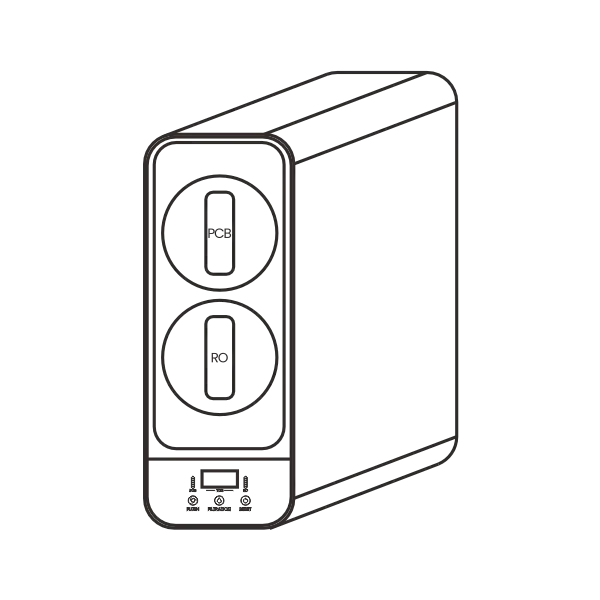















In my article, I explore the fundamental technology and mechanics behind how water coolers make water cold. This knowledge is crucial for anyone interested in the inner workings of their appliances or considering a purchase. Understanding these basics can help in choosing the right water cooler and ensuring its efficient operation.
You will benefit from a detailed breakdown of the components and systems involved, such as the refrigeration cycle and thermoelectric cooling. This explanation aids in appreciating the sophisticated technology that provides chilled water on demand, a daily convenience that enhances hydration and comfort in many environments.
Key Points
- Basics of water cooler tech
- Refrigeration cycle explained
- Thermoelectric cooling use
- Key components detailed
- Process of chilling water
- Types of water coolers
The Basics of Water Cooler Technology
Understanding just how water coolers make water cold involves a grasp of the basic parts and principles of refrigeration and electric air conditioning innovation. Water coolers, generally found in offices and homes, utilize different approaches to reduce water temperature efficiently, offering refreshing, chilled water on need.
The core innovation behind a lot of water coolers is based upon the refrigeration cycle, similar to that utilized in house refrigerators. This cycle entails the compression, condensation, expansion, and dissipation of a refrigerant liquid, which is vital to drawing out warm from the water. As the cooling agent vaporizes in a shut coil system, it takes in heat from the surrounding area, which in this instance, consists of the water container.
| Element | Feature |
|---|---|
| Compressor | Compresses the cooling agent, boosting its temperature and stress. |
| Condenser Coils | Enable the high-pressure cooling agent to launch warmth and condense into a fluid. |
| Growth Valve | Reduces the pressure of the cooling agent, cooling it additionally before it goes into the evaporator. |
| Evaporator Coils | Soak up warm from the water as the refrigerant vaporizes, cooling the water successfully. |
An additional innovation employed in water colders is thermoelectric cooling, which makes use of the Peltier impact. This method entails an electric current travelling through two various materials, creating a heat change and therefore a temperature level distinction. This technology is especially favored for its silent operation and lack of relocating components, which adds to a durable and maintenance-free colder.
In spite of the various innovations used, the goal continues to be regular– successfully lowering the temperature of water to a preferable level. By leveraging these sophisticated air conditioning devices, water colders offer an important resource in numerous setups, ensuring accessibility to cool water that is both refreshing and important for hydration.
Secret Components of a Water Cooling System
Water coolers are vital in various settings, from offices to homes, supplying cooled water effectively. To comprehend just how water coolers make water cold, it’s critical to delve right into the essential components that make up a water air conditioning system. These components operate in harmony to make sure effective warm transfer and cooling down capacities.
The main part is the compressor, which is the heart of a water cooler. The compressor pumps the cooling agent via the system, facilitating the refrigeration cycle that is vital for cooling down the water. It compresses the cooling agent, which heats it up as it is pressurized and sends it to the condenser.
The condenser plays a crucial duty in dissipating warmth removed from the water. As the refrigerant passes with the condenser, it launches its warmth to the surrounding setting, generally via a fan or natural convection. This procedure cools down the refrigerant, which after that takes a trip to the expansion valve.
The growth shutoff serve as a regulatory authority, managing the circulation of the refrigerant into the evaporator. It lowers the pressure of the cooling agent, allowing it to increase and cool additionally. This is where the cooling agent takes in warm from the water, efficiently decreasing the water’s temperature level.
Next is the evaporator, which is where the real air conditioning of the water takes place. The cool refrigerant soaks up warm from the water as it moves with a collection of coils or plates surrounding to the water container. The warm exchange between the refrigerant and the water cools the water, preparing it for dispensation.
Finally, the thermostat manages the temperature level of the water by changing the air conditioning system on and off. It ensures that the water continues to be at a constant temperature, supplying constant air conditioning efficiency.
These elements are essential to the procedure of modern water colders, each playing a vital duty in the process of cooling down water. Understanding these elements helps clarify the effectiveness and effectiveness of water coolers in supplying cooled water as needed.
III. The Process of Cooling Water in Modern Coolers
In modern water coolers, the process of chilling water efficiently entails a number of essential elements and systems. This segment checks out the technical actions whereby water colders attain the preferred air conditioning effect.
At first, when water is filled right into the cooler, it goes into a reservoir, which is generally a stainless-steel or plastic tank. The core of the cooling down modern technology in most water colders is the refrigeration cycle, comparable to that discovered in a conventional home refrigerator.
Trick Steps in the Cooling Cycle:
The refrigeration cycle begins with the compressor, which presses the refrigerant, raising its temperature and pressure. The warmed, pressurized refrigerant then moves through the condenser coils where it sheds warmth to the bordering air and condenses right into a liquid.
From the condenser, the liquid refrigerant travels through a growth valve, which decreases its stress and temperature level. This currently awesome, low-pressure refrigerant goes into the evaporator coils, which are in straight contact with the water container. Right here, the cooling agent soaks up heat from the water, effectively cooling it while vaporizing back right into a gas.
The gaseous cooling agent cycles back to the compressor to repeat the procedure. This cycle proceeds up until the water gets to the preferred temperature, kept through a thermostat that manages the compressor’s task.
Elements and Their Roles:
| Component | Feature |
|---|---|
| Compressor | Presses the cooling agent, elevating its temperature and stress. |
| Condenser Coils | Dissipates warmth as the cooling agent condenses right into a liquid. |
| Growth Valve | Reduces the refrigerant’s stress and temperature prior to it gets in the evaporator. |
| Evaporator Coils | Absorbs warmth from the water, cooling it, as the cooling agent evaporates. |
| Thermostat | Controls the temperature of the water by regulating the compressor’s activity. |
The efficiency of this system depends not just on the high quality of the components yet also on regular maintenance such as cleansing the coils and guaranteeing the cooling agent level is ample. Modern water coolers may also integrate energy-saving technologies that reduce power use while maintaining efficiency.
By recognizing these basic procedures and elements, individuals can better value the innovation behind contemporary water coolers and the efficiency with which they provide chilled water.
Kinds of Water Coolers and Their Cooling Mechanisms
Water colders use numerous approaches to cool water, providing a refreshing solution in both industrial and household setups. These tools have actually advanced significantly, incorporating various technologies to deal with individual choices and efficiency requirements. Recognizing the variety of water cooling systems helps in selecting the ideal cooler for particular needs.
Compressor-Based Water Coolers
Compressor-based water coolers function similarly to a typical fridge. They make use of a compressor and a cooling agent to take in warmth from the water, eliminating it on the surface through an air conditioning grid. This kind of colder is recognized for its efficiency in swiftly cooling water, making it a preferred option for atmospheres requiring constant access to chilly water. The main components include a compressor, condenser, evaporator, and an expansion shutoff, each playing a vital role in the cooling cycle.
Thermoelectric Water Coolers
Utilizing the Peltier result, thermoelectric water coolers use a quieter and more energy-efficient option to compressor-based systems. When voltage is used, heat is transferred from one side of the gadget to the various other, developing an awesome surface that directly cools the water. This technique is especially ideal for small offices or residential environments where sound levels and power usage are of worry.
Bottleless Water Coolers
Bottleless or point-of-use colders are connected straight to a water system and normally integrate purification systems to cleanse the water before cooling down. These units can make use of either compressor or thermoelectric innovation to cool the water and are optimal for areas where water intake is high, removing the requirement for frequent bottle modifications.
Ceramic Water Dispensers
While not actively chilling the water through mechanical or electric ways, ceramic dispensers keep water normally trendy by shielding it from external temperature levels. These dispensers are eco-friendly and commonly used in setups where the preference is for room-temperature or somewhat cooled water.
| Kind | Cooling down Mechanism | Ideal Environment |
|---|---|---|
| Compressor-Based | Refrigerant cycle | High-demand locations |
| Thermoelectric | Peltier effect | Small offices, homes |
| Bottleless | Straight water line | Offices, public spaces |
| Ceramic | Insulation | Eco-friendly spaces |
Each sort of water cooler has its one-of-a-kind set of benefits customized to various use situations. By recognizing the specific air conditioning devices and the atmospheres they are best suited for, consumers and businesses can make educated choices that line up with their requirements and worths.
FAQs About Water Coolers
What is the basic technology behind water coolers?
Water coolers typically employ refrigeration or thermoelectric cooling mechanisms to chill water. The most common method uses a refrigeration cycle involving components like a compressor, condenser coils, expansion valve, and evaporator coils to effectively lower water temperature.
How do water coolers use the refrigeration cycle to make water cold?
The refrigeration cycle in water coolers starts with a compressor that pressurizes refrigerant, which then passes through condenser coils to shed heat and condense into a liquid. This liquid travels through an expansion valve, reducing its pressure and temperature before reaching the evaporator coils. Here, it absorbs heat from the water, cooling it, while reverting to a gas to repeat the cycle.
What are the advantages of thermoelectric water coolers?
Thermoelectric water coolers utilize the Peltier effect to create a temperature difference by transferring heat between two materials. This technology is favored for its quiet operation and fewer moving parts, making it energy-efficient and maintenance-free, ideal for places like small offices or homes.
What regular maintenance do water coolers require?
Maintaining water coolers involves routine cleaning of coils and ensuring adequate refrigerant levels. Regular checks and maintenance help sustain efficiency and prolong the cooler’s lifespan, particularly in models using traditional refrigeration technology.
What are bottleless water coolers and how do they function?
Bottleless water coolers, also known as point-of-use coolers, are connected directly to a water supply and often include filtration systems. These coolers can use either compressor or thermoelectric technology to chill the water, eliminating the need for frequent bottle changes and are ideal for high-usage environments like offices.
Can ceramic water dispensers cool water?
While ceramic water dispensers do not cool water mechanically or electrically, they can keep water slightly chilled through insulation, protecting it from external temperatures. These eco-friendly options are suitable for settings where room-temperature or mildly cool water is preferred.
What should be considered when choosing a water cooler?
When selecting a water cooler, consider the cooling mechanism, energy efficiency, noise level, maintenance requirements, and whether the unit should be portable or bottleless. Understanding these factors can help you choose a cooler that meets your specific needs and consumption patterns.