














The Business Case: Why Commercial Fillers Drive Higher ROI
Scaling a water treatment business requires moving beyond single-unit residential sales and tapping into the high-volume demands of the B2B market. When we analyze the trajectory of the industry, the most significant growth opportunity lies in B2B water filtration solutions that cater to offices, hospitality, and public facilities. The transition isn’t just about hardware; it is a strategic shift toward higher profitability and long-term stability.
The Shift to Bottle-less Hydration
Corporate clients and facility managers are aggressively moving away from expensive, logistical nightmares like 5-gallon jugs and single-use plastics. There is a massive demand for sustainable facility management solutions that align with modern corporate responsibility goals. By offering robust, plumbed-in systems—such as our under-sink distribution units that deliver soda, cold, and hot water—we help businesses eliminate plastic waste while upgrading their amenities. This shift to bottle-less hydration is no longer a trend; it is the standard for modern workplaces.
Economics of B2B Contracts: Volume and Retention
The real power of scaling a water treatment business into the commercial sector lies in the recurring revenue models. Unlike residential customers who may delay maintenance, commercial clients require consistent uptime and quality, leading to stricter service contracts and predictable income.
Here is why the commercial portfolio drives better economics:
- Higher Volume & Frequency: Commercial environments consume water at vastly higher rates, necessitating more frequent filter replacements and service visits compared to residential units.
- Contract Retention: B2B clients prefer long-term leases or service agreements, reducing churn and securing cash flow for years.
- Operational Efficiency: Servicing one building with ten commercial bottle filling stations is far more efficient than servicing ten separate residential homes scattered across a city.
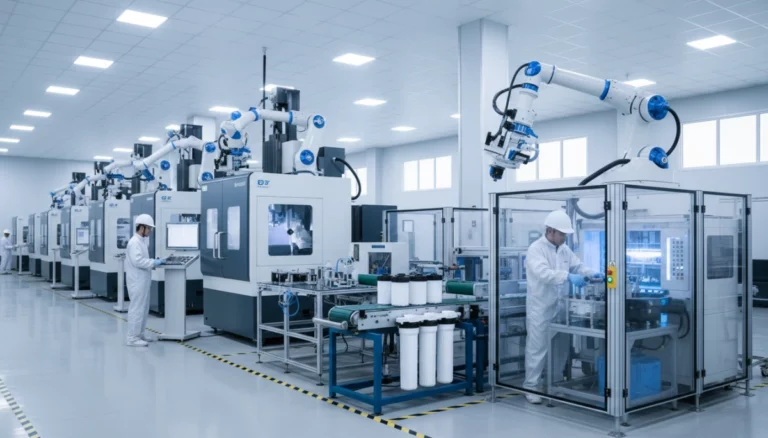
By leveraging our manufacturing capacity—backed by a 60,000 sq. ft. facility and 15+ years of R&D—we empower you to deploy high-performance systems that handle this increased demand without compromising reliability.
Building the Portfolio: Essential Commercial Hardware
To truly capture the B2B market, your product lineup needs to evolve beyond standard residential units. Scaling your water business requires offering robust hardware capable of handling high traffic and diverse user needs. A comprehensive commercial portfolio addresses three specific zones: high-visibility public areas, high-demand kitchen ops, and premium executive spaces.
Front-of-House Workhorses: Visible Hydration
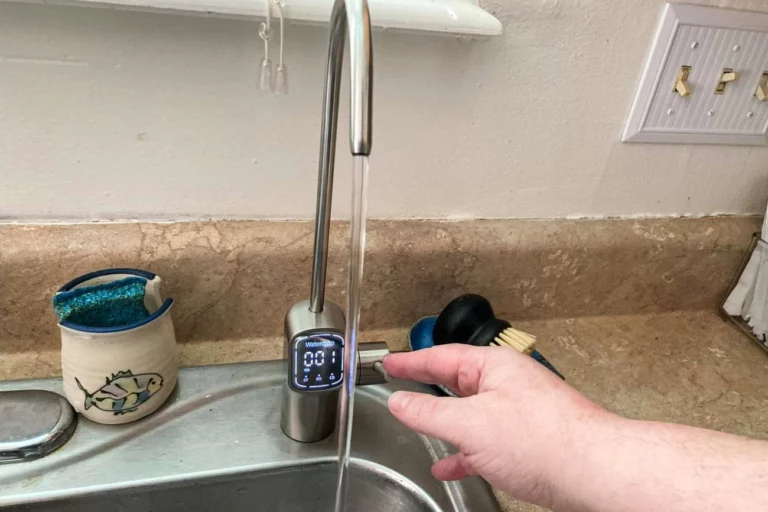
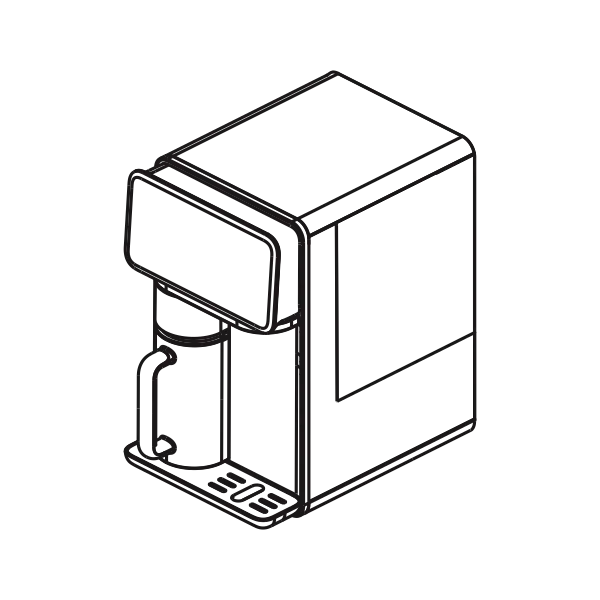
In lobbies, gyms, and hallways, the hardware represents the client’s brand. Commercial bottle filling station manufacturers are shifting toward sleek, touchless designs that promote hygiene and sustainability. While traditional stainless steel drinking fountains are staples, the modern demand is for versatile countertop units that offer more than just ambient water. Our 4-in-1 countertop systems, for instance, integrate purification, heating, cooling, and ice-making into a single footprint. These touchless hydration stations serve as visible commitments to employee wellness, reducing plastic waste while delivering the convenience of “grab-and-go” hydration.
Back-of-House Engines: High-Capacity RO Systems
Behind the scenes in breakrooms and commercial kitchens, flow rate is king. Standard residential filters cannot keep up with the lunch rush at a busy office or café. You need high-capacity reverse osmosis systems that deliver consistent pressure without downtime.
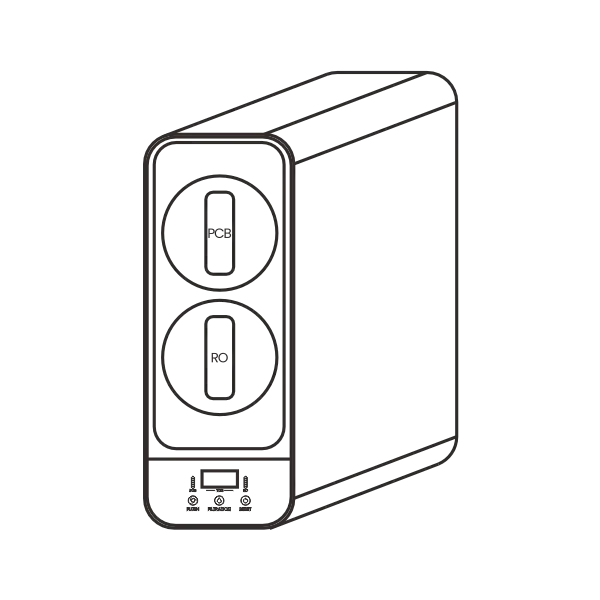
For commercial applications, we look at systems capable of delivering rapid output, such as 5.2L/min flow rates, to ensure no one is waiting for a pitcher to fill. These “engines” often feature extended lifespans—like a 2000-gallon filter life—to minimize maintenance trips. When you install an under sink water filter system designed for this level of “cycle work,” you provide the reliability required for industrial grade water filtration.
Executive Solutions: The Premium Tier
The boardroom requires a different level of sophistication. Here, corporate hydration solutions focus on luxury and choice. Executives and clients expect immediate access to chilled, hot, and sparkling water. Adding smart water dispensers and soda machines to your portfolio increases the average contract value significantly.
- Multi-Functional Distribution: Under-sink systems that dispense soda, purified, cold, and hot water from a single tap.
- Aesthetics: Minimalist faucets that blend into high-end decor.
- Convenience: Instant gratification without bulky bottles.
By offering these wholesale commercial water coolers and specialty dispensers, you position your business not just as a vendor, but as a complete utility partner for modern workspaces.
Technical Considerations for the Commercial Dealer
When scaling your water business, the technical requirements shift drastically from residential comfort to industrial reliability. In the B2B sector, equipment failure or slow service speeds aren’t just inconveniences; they are operational bottlenecks for your clients. As a dealer, you must look beyond basic aesthetics and focus on the raw metrics that define performance: flow rate and filter capacity.
Understanding Flow Rates and Peak Demand
The most common mistake I see when dealers enter the commercial market is under-specifying the flow rate. In a busy office or café, users won’t wait. You need systems capable of delivering water instantly during the “morning rush” or lunch breaks.
We calculate peak demand by analyzing the number of users against the dispenser’s output speed. Standard residential units often trickle, but B2B water filtration solutions require robust throughput. For instance, our under-sink systems are engineered to deliver a substantial 5.2L/min flow rate. This ensures that even when demand spikes, the system keeps up without losing pressure.
Flow Rate Requirements by Setting:
| Setting | Typical User Count | Required Flow Rate | Recommended System Type |
|---|---|---|---|
| Small Office | 1-10 | 1.5 – 2.0 L/min | Countertop 4-in-1 Unit |
| Large Corporate | 50+ | 3.0 – 5.0+ L/min | Under-Sink Distribution System |
| Café / Restaurant | High Traffic | > 5.0 L/min | Industrial grade water filtration |
Installation and Maintenance: Modular Design
Profitability in the commercial sector depends on minimizing service calls. You need hardware designed for “cycle work” with extended lifespans. Our commercial-grade filters boast a 2000-gallon capacity, significantly reducing the frequency of filter changes compared to standard residential models.
Efficiency also comes down to the hardware footprint. Complex installations eat into your margins. We prioritize modular designs that integrate seamlessly into existing infrastructure. A prime example is the Under-Sink Soda and Cold Water Distribution System, which consolidates purification, cooling, and carbonation into a single, high-output unit. This integration simplifies the install process and centralizes maintenance, allowing your technicians to service the unit quickly and move to the next job. By deploying high-capacity reverse osmosis systems with modular components, you ensure your client’s facility runs smoothly while protecting your own bottom line.
The Supply Chain Secret: Partnering with an OEM/ODM Manufacturer
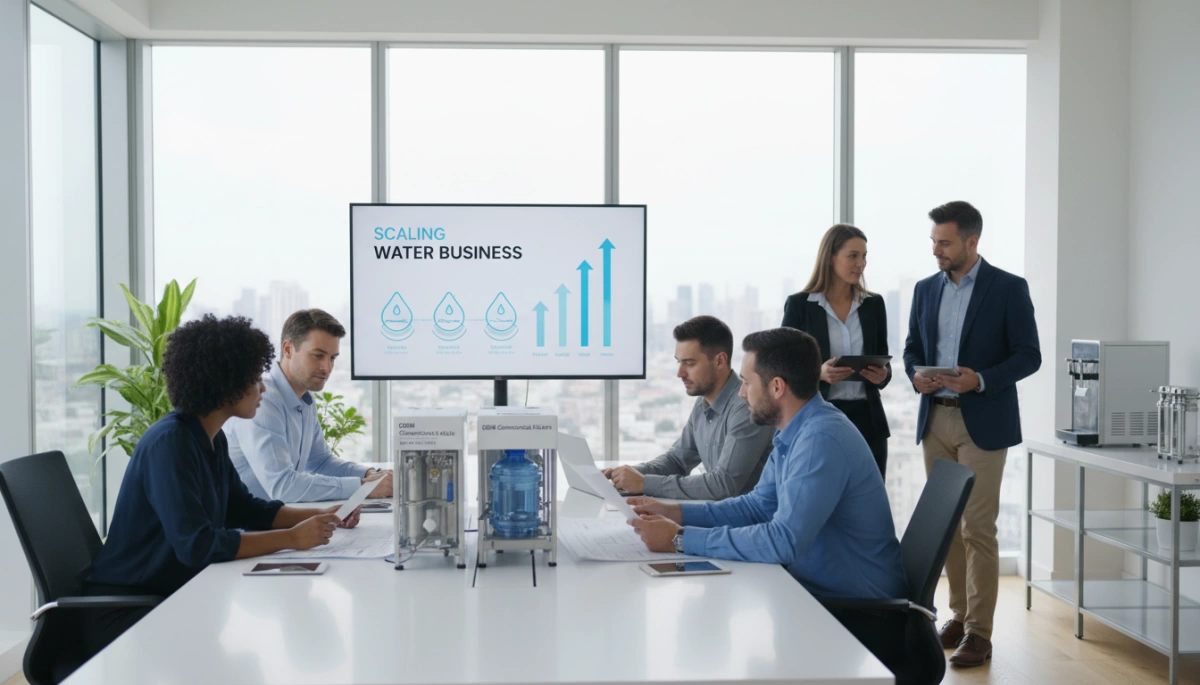
The risk of middlemen vs. direct manufacturing partnerships
Scaling a water business requires a supply chain that moves as fast as you do. Relying on middlemen or third-party distributors often introduces unnecessary layers of cost and communication delays. When you are trying to fulfill a large B2B contract, waiting on a distributor who is waiting on a factory can kill the deal.
Direct access to the manufacturing source is the only way to secure your margins and guarantee timeline accuracy. By cutting out the intermediary, you gain control over quality assurance and intellectual property protection. We prioritize mutual trust and transparency, ensuring that the hardware you sell—whether it’s a complex countertop unit or a robust under-sink RO system—arrives exactly as specified, without the markup of a middleman.
Leveraging OEM advantages: Scale, R&D, and white-label customization
Partnering with a dedicated OEM water purification partner unlocks resources that would take decades to build independently. You aren’t just buying a product; you are leasing a massive infrastructure.
- Manufacturing Scale: Our 60,000 sq. ft. facility supports an annual production capacity of 500,000 machines. This means your business can grow from local residential sales to regional commercial distribution without worrying about inventory bottlenecks.
- R&D Expertise: With over 15 years of experience in research and development, we handle the complex engineering—like integrating cooling, heating, and ice-making into single units—so you can focus on sales.
- White-Label Customization: We offer complete white-label customization, allowing you to brand high-performance hardware as your own. From the software interface to the physical chassis, we help you build a cohesive brand identity that stands out in the market.
This approach allows you to deploy industrial grade water filtration technology under your own banner, leveraging our strict online inspection protocols to ensure every unit meets the demands of modern lifestyles.
Actionable Steps to Launch Your Commercial Division
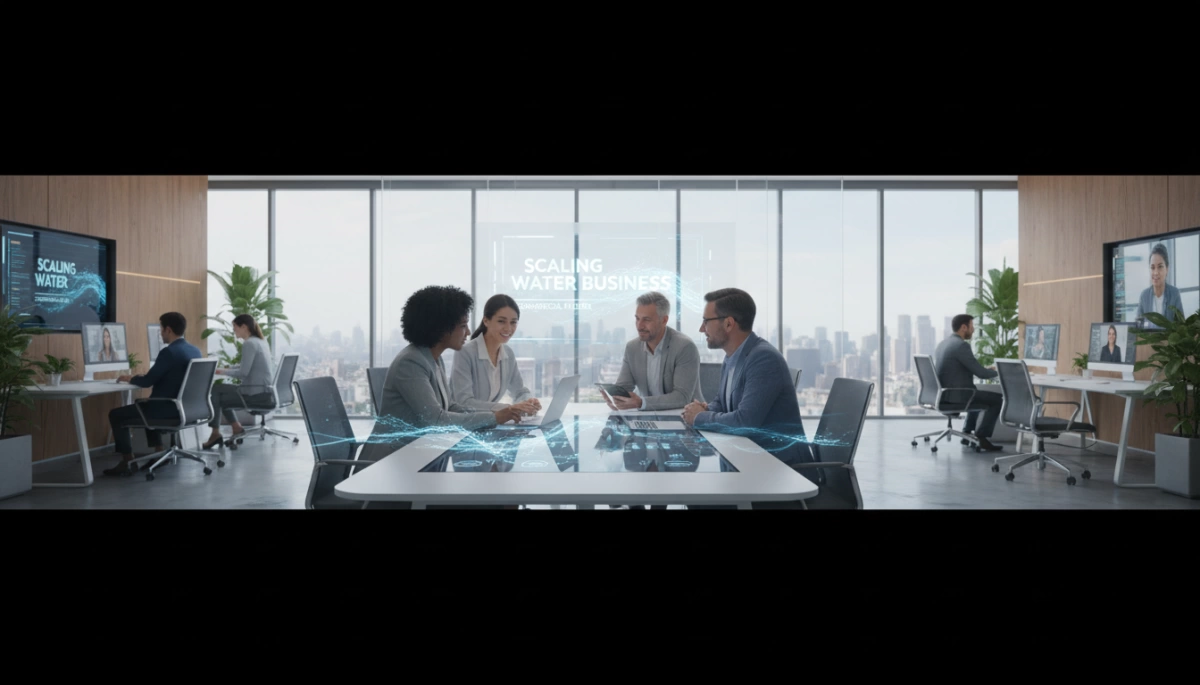
Scaling a water treatment business requires a deliberate strategy to move from single-home installations to high-volume B2B contracts. You don’t need to reinvent the wheel, but you do need to leverage your existing assets and align with the right manufacturing power. Here is how we recommend executing this transition efficiently.
Auditing Your Current Client Base for B2B Opportunities
The fastest route to your first commercial sale is often sitting right in your existing residential database. Many homeowners who trust your residential filtration service are also business owners, facility managers, or decision-makers for local offices.
- Review Customer Profiles: Look for clients who have purchased high-end units or have requested high-capacity maintenance schedules.
- Ask the Right Questions: During routine filter changes, have your technicians ask if the client’s workplace has reliable purified water.
- Target “Light Commercial” First: Small cafes, dental offices, and boutique gyms are the perfect entry point for systems like our under-sink distribution setups that deliver 5.2L/min.
Securing Demo Units and Partnering for Volume Orders
Commercial clients rarely buy off a spec sheet; they need to see the build quality and taste the difference. Securing a high-quality demo unit is crucial for closing project-based sales. Whether it is a sleek glass water filter dispenser for an executive boardroom or a robust 4-in-1 countertop unit for a breakroom, having physical inventory builds immediate trust.
Once you secure the contract, your supply chain must be bulletproof. This is where partnering with an OEM/ODM manufacturer with significant scale becomes a competitive advantage.
- Capacity Matters: Ensure your partner can handle sudden spikes in demand. With our facility’s 500,000 annual machine capacity, we ensure that large corporate orders never stall due to manufacturing bottlenecks.
- R&D Support: Utilize a partner with deep R&D experience (15+ years) to customize solutions for specific commercial needs, such as integrating ice-making or soda functions into a single footprint.
- Strict Inspection: In the commercial sector, one leaky unit can lose a contract. Rely on manufacturers that enforce strict online inspection protocols to protect your brand’s reputation.
Frequently Asked Questions About Scaling with Commercial Water Systems
Expanding into B2B water filtration solutions brings a new set of challenges compared to residential sales. When you partner with an OEM like us, you get the hardware backing to answer these questions confidently. Here is the breakdown of the most common inquiries we get from dealers looking to grow.
What is the difference in ROI between residential and commercial units?
The return on investment in the commercial sector is driven by volume and retention. While a residential sale is often a one-off transaction, commercial water infrastructure projects create long-term service relationships.
- Higher Ticket Value: Commercial hardware, such as our Under-Sink Water Distribution Systems (delivering Soda, Cold, and Hot water), commands a premium price point compared to standard pitchers.
- Service Contracts: Businesses value uptime. This allows you to sell maintenance packages for filter replacements and system sanitization.
- Efficiency: Servicing one location with a high-capacity unit is more efficient than servicing ten separate residential homes.
How do I determine the right capacity for a commercial client?
Sizing is critical. If you undersize a unit, the pump burns out or the water runs out during lunch hour. If you oversize, the client overpays. You need to look at peak demand flow rates rather than just daily averages.
For a busy office or cafe, a standard residential trickle won’t cut it. You need systems designed for speed. For instance, our under-sink commercial setups are engineered to deliver 5.2L/min, ensuring rapid dispensing even during high-traffic periods. When evaluating a site, consider:
- Headcount: How many people use the station per hour?
- Application: Is it just for drinking, or is it for food prep and ice making?
- Filtration Speed: Does the RO membrane recovery rate match the tank refill speed?
Why is ADA compliance essential for commercial bottle fillers?
In the United States, compliance with the Americans with Disabilities Act (ADA) is not optional for public-facing businesses. Installing ADA compliant water dispensers ensures that your clients avoid legal liabilities and that their facilities are accessible to everyone.
Beyond physical accessibility, safety compliance is a major selling point. Facility managers often need specific assurances regarding water quality standards. For example, they frequently ask does reverse osmosis remove lead to ensure their building’s water supply meets strict health codes. Offering systems that meet these rigorous standards positions you as a risk-management partner, not just a hardware vendor.