


















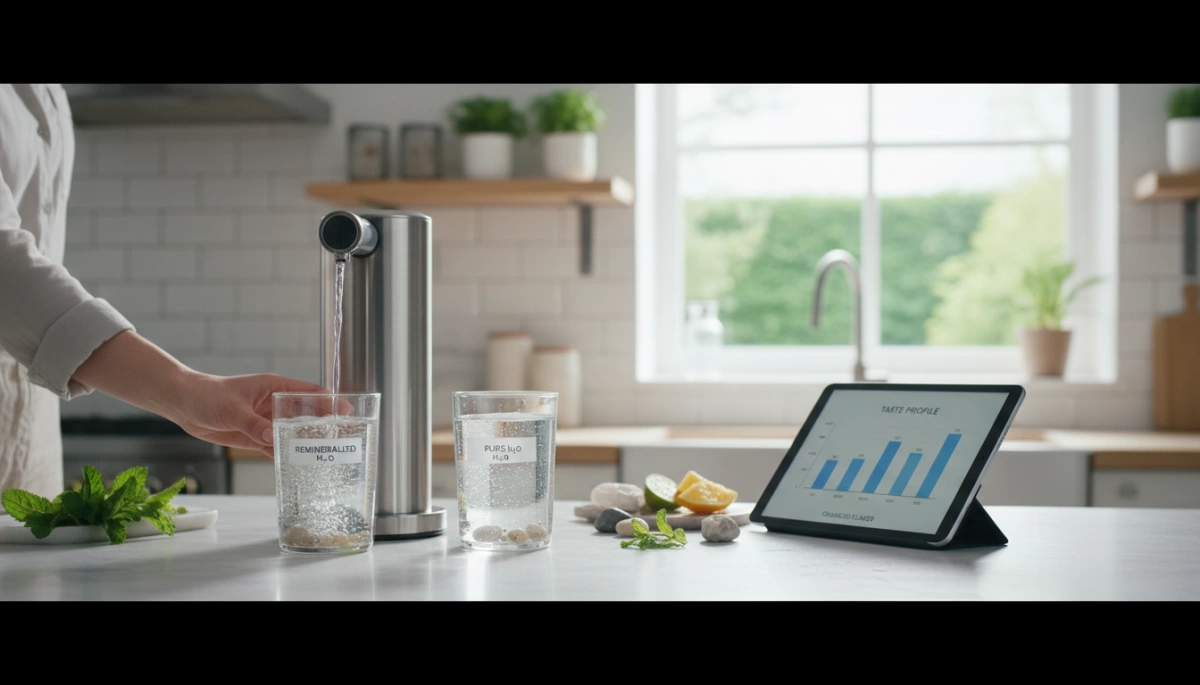
Why Your Pure Water Tastes Bland: The Science Behind the Flatness
Have you ever taken a sip of ultra-purified water and felt… nothing? It’s clean, certainly, but it often lacks the crisp, refreshing character you expect. At Driplife, our 15+ years of R&D experience have taught us that while purity is critical, the “mouthfeel” of water matters just as much for a modern healthy lifestyle.
The reason behind this “flat” taste lies in the very efficiency of the filtration technology itself.
The Role of Reverse Osmosis in Stripping Essential Minerals
Reverse Osmosis (RO) is the gold standard for removing contaminants, which is why we utilize it in our high-capacity under-sink and countertop systems. However, RO membranes are non-discriminatory. They filter out up to 99% of impurities, but they also strip away essential minerals like calcium and magnesium. These minerals are what give water its subtle sweetness and body. Without them, the water is technically pure, but flavorless.
Understanding Low TDS and Its Impact on Flavor
This removal process results in extremely low Total Dissolved Solids (TDS). While a low TDS reading proves your filter is working, it also means the water has lost its texture.
- High TDS: Often found in spring water; feels “heavier” and smoother.
- Low TDS: Typical of standard RO water; feels “thin” or empty on the palate.
The Acidity Factor: How Low pH Affects Your Palate
Chemistry also plays a major role in why RO water tastes flat. When water is stripped of its mineral buffer, it becomes slightly unstable. Upon exposure to air, it absorbs carbon dioxide, which forms mild carbonic acid. This can drop the pH level to a slightly acidic range (5.5–6.5). Instead of the neutral, smooth taste of natural water, acidic water can sometimes register as sharp or metallic to sensitive taste buds.
Comparing RO Water to Natural Spring Water
Think of natural spring water as a complex beverage that has traveled over rocks and soil, picking up electrolytes and minerals along the way. In contrast, standard RO water is like a blank canvas—it is chemically “clean” but lacks the geological history that creates flavor. Our goal at Driplife is to bridge this gap, using our manufacturing expertise to deliver solutions that don’t just purify, but optimize for the best drinking experience.
What is Remineralization and How Does It Fix the Taste?
Remineralization is the vital second step in creating premium drinking water. While Reverse Osmosis (RO) excels at removing contaminants, it also strips away the minerals that give water its character. To fix this, we reintroduce precise amounts of calcium and magnesium back into the purified water. This process neutralizes the slight acidity caused by the RO process and restores the natural pH balance, eliminating that “flat” sensation often associated with ultra-pure water.
Mimicking Nature’s Filtration Cycle
Our approach to filtration isn’t just about cleaning water; it’s about replicating the quality of natural spring water taste. In nature, water flows over rocks and soil, absorbing trace elements that provide flavor and structure. We engineer our systems to simulate this journey. By passing RO water through specialized mineral media, we replicate the earth’s natural filtration process within a compact unit, ensuring every drop has the right mineral profile before it hits your glass.
From “Dead Water” to Crisp Hydration
Without minerals, water can feel empty or “dead” on the palate. Remineralizing RO water transforms it from a sterile liquid into healthy remineralized water that is crisp, refreshing, and satisfying to drink. This step is crucial for modern lifestyles where hydration is key. For those looking to elevate their hydration with smart water purifiers, integrated remineralization bridges the gap between clinical purity and the premium taste you expect from top-tier bottled brands.
- Restores pH Balance: Neutralizes acidity for a smoother finish.
- Enhances Mouthfeel: Adds body to the water using essential minerals.
- Improves Drinkability: Makes water easier and more enjoyable to consume in large quantities.
Beyond Taste: The Health and Lifestyle Perks of Remineralized Water
While flavor is the immediate indicator of quality, the benefits of remineralize RO water extend far into your daily wellness and kitchen routine. Through our extensive R&D at Driplife, we understand that water isn’t just for quenching thirst—it is a critical ingredient in a modern lifestyle.
Enhanced Hydration and Body Support
Pure H2O is chemically “hungry.” By reintroducing essential minerals RO systems typically remove, specifically Calcium and Magnesium, we create water that aligns better with the body’s natural composition.
- Electrolyte Contribution: Healthy remineralized water supports daily mineral intake, aiding in muscle function.
- Drinkability: Many consumers find that mineral-balanced water feels smoother and is easier to drink in large quantities compared to the “dry” sensation of zero-TDS water.
Better Brewing: The Secret to Great Coffee
If you are investing in premium coffee beans or tea leaves, using flat water undermines the result. Calcium and magnesium in water act as flavor carriers. They bind to the aromatic compounds in coffee grounds, extracting the full profile of the roast. Without these minerals, your brew often tastes sour or hollow. For kitchens that demand culinary-grade water on tap, our under-sink 800-2000GPD reverse osmosis filtration systems provide the high-capacity flow needed to fill coffee reservoirs and pots instantly without waiting.
Cooking with Mineral-Rich Water
Mineral-rich water significantly improves the texture and flavor retention of food. When you boil vegetables or pasta in completely demineralized water, nutrients tend to leach out of the food and into the cooking water. Maintaining a balanced mineral profile helps lock in natural flavors and colors.
Debunking Myths: The Acidity Factor
There is a common misconception that the slightly acidic nature of pure RO water is harmful. While not dangerous, optimizing the pH balance in drinking water is preferred for both taste and equipment longevity. Alkaline RO water neutralizes slight acidity, which protects metal components in expensive espresso machines and provides a silky mouthfeel that isn’t sharp or metallic.
Top Methods to Remineralize Your Reverse Osmosis Water
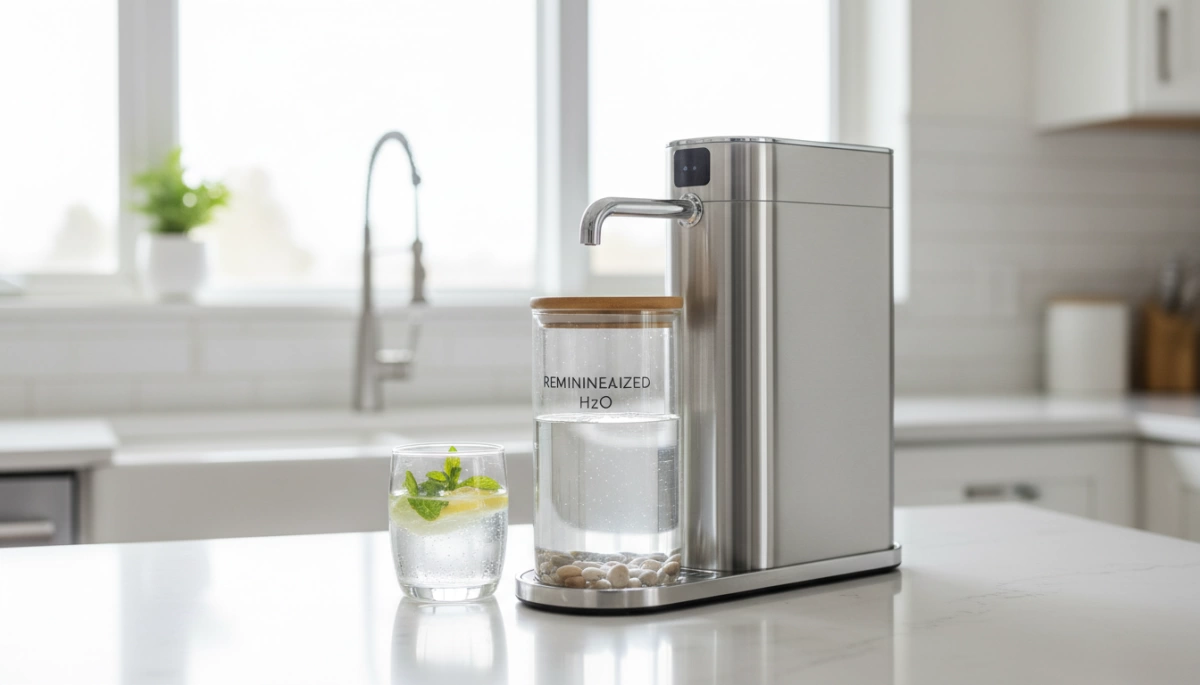
Once you understand that pure water doesn’t have to taste flat, the next step is choosing the right method to fix it. As a manufacturer deeply involved in the R&D of water systems, I see various approaches to this problem, ranging from industrial-grade integration to simple manual fixes. The goal is always the same: adding essential minerals back into the water to balance pH and improve flavor without compromising purity.
Built-in Remineralization Cartridges: The “Set and Forget” Solution
For most homeowners and businesses, this is the most efficient method. In our manufacturing process, we often design systems that include a dedicated post-filter stage specifically for reverse osmosis remineralization. This cartridge sits after the RO membrane and automatically adds calcium and magnesium back into the water as it flows through.
This method mimics the natural formation of water sources, bridging the gap in spring water vs purified water source composition by restoring the mineral profile that RO filtration removes. The main advantage here is consistency. You don’t have to measure anything; the system handles the dosage, ensuring every glass has that crisp, refreshing taste.
Using Mineral Drops and Concentrates
If you are renting or using a system that doesn’t support additional stages, mineral drops for RO water are a flexible alternative. These are liquid concentrates containing balanced electrolytes and trace minerals. You simply squeeze a few drops into your glass or water bottle before drinking.
- Pros: Highly portable and allows for custom dosage strength.
- Cons: It requires manual effort for every serving, and the cost can add up over time compared to a fixed cartridge.
Alkaline Pitchers and Post-Filtration Add-ons
Another popular route is using an alkaline pitcher or an external inline filter. These devices function similarly to built-in cartridges but are installed externally or used as a secondary filtration step. Many of these units utilize a combination of mineral beads and carbon. Since activated charcoal in water filtration is excellent for polishing taste, combining it with remineralization media creates alkaline RO water that is both smooth and healthy. This is a great middle-ground solution for those who want to upgrade an existing setup without replacing the entire machine.
Natural DIY Blends: Himalayan Salt and Trace Minerals
For the purists who prefer to add minerals to pure water manually without processed drops, high-quality salts like pink Himalayan salt or Celtic sea salt are viable options. These salts contain dozens of trace minerals beyond just sodium.
To do this effectively:
- Create a Sole Water solution: Dissolve a large amount of salt in water until it creates a saturated concentrate.
- Dose carefully: Add a very small teaspoon of this solution to a gallon of RO water.
While this method is natural and cost-effective, it lacks the precision of a remineralization cartridge. It is crucial to monitor the taste to ensure you aren’t making the water too salty or skewing the flavor profile too far.
Choosing the Right Solution for Your Home Setup
Deciding how to remineralize RO water efficiently comes down to your kitchen layout and your patience for maintenance. You essentially have two choices: retrofitting an existing filter with add-ons or investing in a fully integrated system.
Integrated Systems vs. Add-ons
For most US households, the “set it and forget it” approach wins. While manual drops or inline filters are cheaper upfront, they introduce inconsistency. You might get a perfect glass one time and a chalky one the next. Integrated systems manage the flow rate and mineral dosage automatically.
Comparing the Methods:
- Mineral Drops: Low cost, high hassle. Great for travel, bad for daily use.
- Inline Filters: Moderate cost, requires plumbing know-how. Hard to monitor saturation levels.
- Integrated RO Units: Higher initial value, zero daily effort. Delivers consistent taste and pH balance.
Why Advanced Driplife RO Systems Stand Out
We design our Driplife RO systems to be more than just filtration devices; they are complete water management solutions. Whether it is a countertop unit or an under-sink model, the goal is to provide a seamless user experience. By handling the remineralization stage internally, we ensure the water profile remains stable without reducing the flow rate or adding noise. If you are looking for a modern water dispenser that handles hot, cold, and purified water, an integrated system is the only logical choice for a clutter-free kitchen.
OEM and ODM Considerations for Businesses
For brands looking to sell water purification products, the “bland taste” of pure water is a major hurdle. OEM and ODM considerations must include taste profile customization. At Driplife, we leverage over 15 years of R&D experience to help partners develop systems that don’t just clean water but improve it. We offer turnkey solutions—from industrial design to mass production in our 60,000 sq. ft. facility—allowing you to launch products that feature built-in remineralization capabilities tailored to your specific market needs.
Getting Started: Installation and Maintenance Best Practices
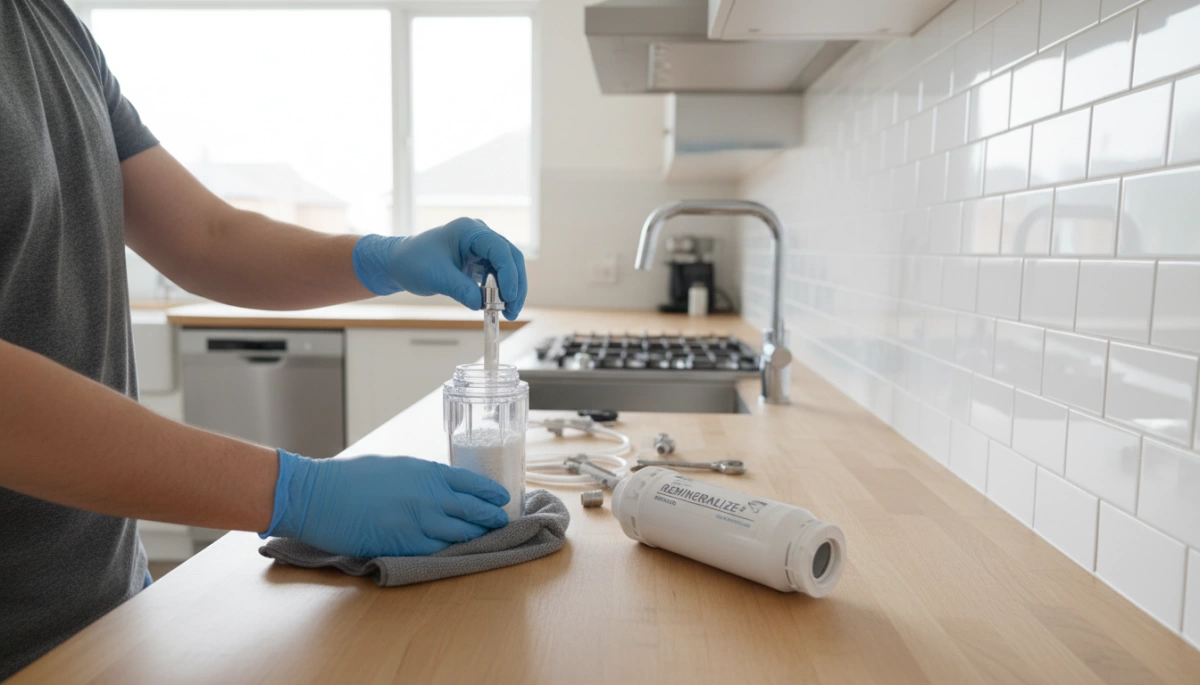
Implementing a solution to remineralize RO water effectively requires proper installation and consistent monitoring. At Driplife, our R&D team designs systems that prioritize user-friendly maintenance, ensuring that the transition from standard filtration to mineral-rich hydration is seamless. Whether you are managing a commercial fleet or setting up a home unit, following these protocols ensures the water profile remains consistent and delicious.
Step-by-Step Guide to Installing an Inline Remineralization Filter
For most setups, specifically when enhancing high-output under sink RO systems, adding a remineralization stage involves a simple inline installation. This is typically placed as the final stage before the water reaches the faucet to ensure the minerals are not filtered out by the membrane.
- Shut Off the Supply: Turn off the cold water supply and the tank valve (if applicable) to depressurize the system.
- Locate the Tubing: Identify the tubing running from the RO membrane (or post-carbon filter) to the dedicated faucet.
- Cut and Connect: Cut the tubing cleanly. Insert the remineralization cartridge using quick-connect fittings. Ensure the flow arrow on the cartridge points toward the faucet.
- Secure and Flush: Mount the cartridge securely using clips. Turn the water back on and flush the system for 5–10 minutes to remove any loose carbon fines or mineral dust.
Monitoring Water Quality with a TDS Meter and pH Strips
To verify that your system is working correctly, you need measurable data. A standard Reverse Osmosis system significantly lowers Total Dissolved Solids (TDS). However, when you add minerals to pure water, you should see a slight increase in TDS readings.
- TDS Meter: Test your water before and after the remineralization stage. A jump of 20–50 ppm usually indicates that calcium and magnesium are successfully dissolving into the water.
- pH Strips: pH balance in drinking water is crucial for taste. Use strips to confirm the water has shifted from slightly acidic (common with pure RO) to a neutral or slightly alkaline range (7.0–8.5).
Maintenance Schedules: When to Replace Mineral Cartridges
Unlike the RO membrane which can last up to 2,000 gallons in our heavy-duty systems, mineral cartridges deplete faster because they physically dissolve into the water.
- Replacement Cycle: Typically every 6 to 12 months, depending on water usage.
- Signs of Depletion: A return to the “flat” or acidic taste of pure RO water, or a drop in pH/TDS readings.
- Hygiene: Always sanitize tubing connections when swapping cartridges to maintain the integrity of the Driplife RO systems.
Troubleshooting Common Taste Issues After Installation
If the water tastes “chalky” or heavy immediately after installation, it usually means the system wasn’t flushed sufficiently. Run the faucet for another few minutes to stabilize the mineral concentration. Conversely, if there is no change in flavor, check the flow direction on the cartridge or verify that the water is actually passing through the media. Our manufacturing process includes strict online inspection to minimize these issues in our integrated units, but manual add-ons require careful attention to detail to ensure that healthy remineralized water is delivered in every glass.
Frequently Asked Questions About Water Remineralization
As a manufacturer providing solutions for the global market, we often field technical questions regarding the post-filtration process. Here is a breakdown of the most common inquiries we receive about optimizing water quality.
Does remineralization increase TDS levels too much?
No, it generally does not. The goal of reverse osmosis remineralization is to restore a healthy balance, not to overload the water. When we design filtration stages, the remineralization process typically adds a controlled amount of beneficial solids—usually raising the Total Dissolved Solids (TDS) by 20-50 ppm. This TDS increase in RO water is sufficient to improve flavor and stabilize pH without returning the water to the high, often contaminated TDS levels found in untreated tap water. This ensures you maintain the health benefits of RO water while eliminating the bland taste.
Can I add minerals to distilled water as well as RO water?
Yes. Both distillation and reverse osmosis are purification methods that strip water of its natural mineral content. The resulting “empty” water behaves similarly in terms of taste and chemistry. You can use mineral drops for RO water or inline cartridges for distilled water effectively. The process for restoring structure and taste is identical for both types of purified water.
Is alkaline water the same thing as remineralized water?
They are related but technically different.
- Remineralized Water: Focuses specifically on adding back essential elements like Calcium and Magnesium.
- Alkaline RO Water: Focuses on raising the pH level above 7.0.
However, because minerals like calcium are naturally alkaline, adding them to pure water almost always results in a pH increase. In our R&D laboratories, we often combine these objectives to create a healthy remineralized water profile that is both rich in nutrients and pH-balanced.
How do I know if my remineralization cartridge is working?
The most immediate indicator is taste. If the water no longer feels “flat” or acidic on the palate, the minerals are likely dissolving correctly. For a technical verification, you can use a handheld TDS meter. Test the water coming directly out of the RO membrane, then test the water after it passes through the remineralization stage. You should see a measurable increase in the reading, confirming that the water is picking up the intended minerals.