













Are you tired of worrying about the quality of your tap water? Choosing the right filtered water tap can transform your daily hydration, delivering clean, great-tasting water straight from your faucet.
As a homeowner, I understand the need for safe, convenient drinking water without the hassle of bottled water or bulky pitchers. That’s why I’ve created this guide to share practical insights and expert tips, drawing from real-world experience with filtered water taps.
In this post, you’ll discover what makes a filtered water tap a game-changer, how to pick the perfect one for your home, and why driplife stands out as the go-to solution for pure, refreshing water.
Let’s dive in!
What Is a Filtered Water Tap Explained
If you’re wondering what a filtered water tap is and how it differs from regular kitchen faucets or water pitchers, here’s a clear explanation. A filtered water tap is a specialized kitchen faucet or an add-on tap that provides on-demand filtered drinking water directly from your existing plumbing system. Unlike standard taps, which deliver unfiltered tap water, these taps connect to an internal filtration system that removes contaminants, giving you cleaner, safer water straight from the tap.
How Filtered Water Taps Differ From Regular Taps and Pitchers
- Regular taps supply untreated tap water, which may contain chlorine, sediments, heavy metals, or bacteria depending on your local water source. This water usually needs additional filtration or boiling before it’s ideal for drinking or cooking.
- Filtered water taps filter out many of these impurities at the point of use, ensuring a higher water quality without waiting.
- Water pitchers provide filtered water but require manual filling and have limited capacity. They also filter water more slowly and need frequent filter changes.
- Filtered taps offer instant, continuous access to purified drinking water without the hassle of waiting or refilling.
Common Filtration Technologies in Filtered Water Taps
Filtered water taps use several proven filtration methods to improve water quality:
Activated Carbon Filters
These are the most common and effective for removing chlorine, bad tastes, odors, and organic chemicals. They improve the flavor and clarity of water significantly.
Reverse Osmosis (RO) Systems
RO filtration forces water through a semi-permeable membrane to remove dissolved salts, heavy metals like lead, pesticides, and other contaminants. This technology delivers highly purified water ideal for those with specific water quality concerns.
Ultraviolet (UV) Purification
UV filters neutralize bacteria, viruses, and other microorganisms, making water safer from a biological contamination standpoint without altering its taste.
Many modern filtered taps combine two or more of these technologies to provide comprehensive water purification, tailored to local water conditions.
Choosing a filtered water tap means opting for a system that actively improves your tap water’s safety, taste, and odor, right from your kitchen sink. In the next sections, we’ll explore the benefits and types of filtered water taps and help you choose the best option for your home and local water quality concerns.
Benefits of Using a Filtered Water Tap for Health and Convenience

Choosing a filtered water tap offers several important benefits, especially for homes looking to improve both water quality and daily convenience.
Health Benefits from Removing Contaminants
A top reason many people switch to a tap water filter system is the health boost it provides. Filtered water taps reduce harmful contaminants often found in tap water, such as:
- Chlorine, which affects taste and can irritate skin or digestion
- Lead and heavy metals that pose serious health risks over time
- Bacteria and other harmful microbes that regular faucets don’t remove
By filtering out these substances, your drinking water becomes safer and healthier for your whole family.
Improved Taste and Odor
Many people complain that tap water tastes or smells off. Filtered water taps use advanced filtration like activated carbon to remove chlorine and odors, leaving water tasting fresh and clean every time you turn on the faucet. This can make a big difference, especially if you live in an area with strong municipal water treatment chemicals.
Convenience of On-Demand Filtered Water
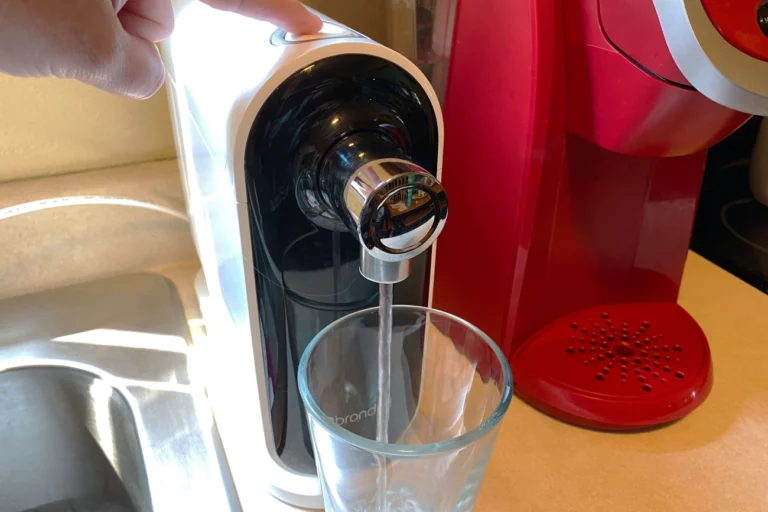
One of the biggest advantages is the instant access to filtered drinking water right from your kitchen tap. There’s no need to fill pitchers or rely on bottled water. This means:
- Saving time during meal prep or when filling cups and pots
- Avoiding the hassle of bulky water filter pitchers or jugs running out
- Access to consistently filtered water for cooking, coffee, and drinking
Environmental Impact and Sustainability
Using a filtered water tap also helps reduce reliance on bottled water, which means less plastic waste. Over time, switching to a water filtration system for kitchen use can significantly cut down your household’s plastic consumption, supporting a greener lifestyle.
Cost-Effectiveness Compared to Bottled Water
While there’s an initial investment in installing an under sink water filter tap or a kitchen tap with water filter, the long-term savings are substantial. Filter cartridges are affordable and last for months, making filtered tap water a much cheaper option than constantly buying bottled water. Here’s why it’s cost-effective:
- No need to buy bottled water regularly
- Less money spent on replacing pitcher filters or other temporary fixes
- Lower energy footprint, which keeps utility bills steady
Overall, a filtered water tap attachment is a smart, healthy, and eco-friendly choice that fits well with busy American homes looking for reliable, clean drinking water every day.
Types of Filtered Water Taps Available
When choosing a filtered water tap or a tap water filter system for your kitchen, it’s important to understand the different types available to match your needs and setup.
Countertop vs Under-Sink Filtered Water Taps
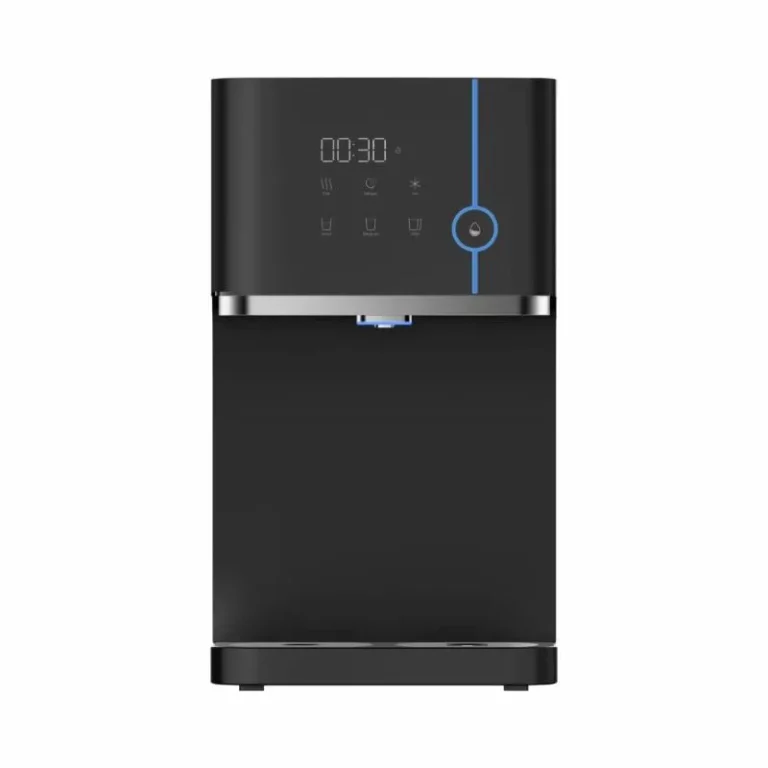
Countertop filtered water taps sit right on your kitchen counter and connect directly to your existing faucet. They are easy to install and maintain, making them a great option if you want quick access without any plumbing changes. These are perfect if you rent or prefer a portable solution.
Under-sink filtered water taps are installed under your sink, with a dedicated faucet mounted on the sink or countertop. This setup keeps the filtration system hidden, providing clean water without sacrificing space or style. It’s a more permanent solution but requires some plumbing work during installation.
Built-in Filtered Faucets vs Attachable Filters
Built-in filtered faucets combine the tap and filter in one sleek unit. These taps deliver on-demand filtered drinking water directly from their spout without toggling between filtered and unfiltered water. This option is ideal for those who want simplicity and a clutter-free kitchen faucet setup.
Attachable filters connect to your existing kitchen tap, filtering water as it flows. This is a budget-friendly alternative with easy installation, but the filtered water is limited to when the filter is active, and the faucet still delivers unfiltered water at times.
driplife Product Categories and Solutions
Driplife offers a range of solutions catering to different household needs:
- Countertop water filter taps for easy, no-fuss installation
- Under-sink water filter taps for seamless and permanent installation
- Inline water filter faucet systems for compact spaces where minimal footprint matters
- Various filtration technologies to address local water quality concerns including activated carbon, reverse osmosis, and UV options
Filter Lifespan and Replacement Frequency
Knowing when to replace your filter is key for maintaining clean, great-tasting water. driplife’s filters typically last between 3 to 6 months, depending on usage and local water conditions.
- On average, expect to replace filters every 3 months for heavy daily use
- Lighter use or better water quality may extend the life up to 6 months
- Most driplife products have clear indicators or reminders to make replacement hassle-free
Choosing the right type of filtered water tap means balancing convenience, space, and budget. With driplife’s wide range, you can find a kitchen tap with water filter that fits your lifestyle while ensuring you always have safe, fresh water at your fingertips.
How to Choose the Right Filtered Water Tap for Your Home
Picking the best filtered water tap for your home involves more than just price or style. You want a solution that fits your needs, your kitchen, and your local water quality. Here are the main factors to focus on:
Consider Your Local Water Quality
- Know your tap water quality: Understanding what contaminants are common in your area helps you pick the right filtration technology. For example, areas with high chlorine or lead levels might need activated carbon or reverse osmosis systems.
- Use local water quality reports or test kits to identify issues like hardness, bacteria, or heavy metals.
- Choose a water filtration system for kitchen specifically designed to target those contaminants for the best results.
Match Your Budget and Water Usage
- Set a budget that covers initial costs plus filter replacements. While some systems cost more upfront, they often save money over time compared to buying bottled water.
- Think about daily water usage: a family drinking a lot of filtered water may benefit from an under sink water filter tap with a larger capacity.
- Smaller households or occasional users might prefer attachable filters or countertop water filter taps as a more affordable, convenient option.
Fit Your Kitchen Layout and Installation Needs
- Measure your space carefully—under-sink taps require enough cabinet room for the filtration unit.
- If you have limited space or don’t want drilling, an inline or attachable kitchen water tap filter could be better.
- Check your plumbing system for compatibility with the filter’s connection type. Most systems work with standard U.S. plumbing, but some may need adapters.
Ensure Certification and Compliance
- Always look for NSF or ANSI certifications on the filter you choose. These guarantee the system has been tested for contaminant reduction and safety.
- Certified filters meet recognized standards, so you can trust the water coming from your filtered drinking water tap.
- Certifications also support compliance with local health and safety regulations.
By focusing on these key areas—local water quality, budget, kitchen setup, and certified performance—you’ll find the right filtered water tap that delivers clean, great-tasting water while fitting your lifestyle.
Installation and Maintenance of Filtered Water Taps
DIY vs Professional Installation Considerations
When it comes to installing a filtered water tap or a kitchen tap with water filter, you have two main options: do it yourself or hire a professional. Here’s what to consider:
DIY Installation
Great if you’re comfortable with basic plumbing. Most under-sink water filter taps or inline water filter faucet systems come with clear, step-by-step instructions. You just need a few tools, some patience, and time. This option saves money upfront.
Professional Installation
Ideal if your plumbing is complicated or if you’re adding a built-in filtered faucet that needs integration with your existing system. Professionals can ensure proper setup, avoid leaks, and comply with local codes. It’s a safer bet for flawless performance, especially with more advanced systems like reverse osmosis.
Step-by-Step General Installation Guide Overview
Here’s a quick snapshot of what a typical filtered water tap installation involves:
- Turn off the main water supply to prevent leaks.
- Choose an installation spot, usually next to your existing kitchen faucet or under the sink.
- Install the filter unit (under-sink or countertop) and connect the filter to the cold water line.
- Mount the filtered water tap on your sink or countertop, drilling a hole if needed.
- Connect tubing from the filter to the new tap and tighten all fittings.
- Turn the water supply back on and check for leaks.
- Flush the system by running water through it as per manufacturer instructions to clear any impurities.
Routine Maintenance Tips for Optimal Performance
Keeping your filtered water tap in top shape is easy with regular care:
- Replace filters on schedule—typically every 3 to 6 months, depending on usage and water quality.
- Clean faucet aerators and filter housings periodically to prevent buildup.
- Check connections for leaks every few months.
- Flush the system after filter changes to maintain water flow and quality.
- Use only manufacturer-approved replacement filters to keep your tap working efficiently and ensure health safety.
How Driplife Supports Installation and Maintenance
At Driplife, we know a hassle-free setup and upkeep are crucial. That’s why we:
- Offer clear, detailed guides and videos for DIY installation.
- Provide professional installation services for those who want expert help.
- Maintain a dedicated customer support team ready to assist with troubleshooting and maintenance questions.
- Supply high-quality replacement filters and reminders to keep your system running smoothly.
- Share advice to help you choose the right filter water tap attachment suited to your home’s needs.
For those exploring advanced features, check out our resources on ultraviolet water purifier systems and benefits of reverse osmosis water for home to understand how installation and maintenance vary by system type.
Maintaining your filtered water tap doesn’t have to be complicated. Whether you prefer DIY or professional setup, Driplife ensures you get clean, fresh water straight from your kitchen with minimal effort.
Common Concerns and FAQs About Filtered Water Taps
Does a Filtered Water Tap Reduce Water Pressure
One common question is whether installing a filtered water tap affects your water flow. In most cases, a quality tap water filter system like those offered by Driplife does not noticeably reduce water pressure. Modern filtration units are designed to allow steady water flow while still removing contaminants. However, if the filter becomes clogged or old, you might notice a slight drop in pressure. Regular maintenance and timely filter replacement are key to preventing this.
How Often Should Filters Be Replaced
Filter replacement depends on the type of filtration technology and your household water usage. Here’s a quick guide:
- Activated carbon filters: typically every 3 to 6 months
- Reverse osmosis membranes: about every 2 years
- UV filters: usually replace bulbs annually
Driplife products clearly indicate replacement schedules, and many taps feature easy-to-check indicators. Replacing filters on time keeps your water purifier faucet working efficiently and ensures you always get clean, fresh water.
Are Filtered Water Taps Safe for Drinking and Cooking
Absolutely. With the right filtration system, filtered water taps provide safe, clean water directly from your kitchen tap. They remove contaminants like chlorine, lead, bacteria, and other impurities that can affect taste and health. This means your filtered drinking water tap is perfect not just for drinking but also for cooking, making tea or coffee, and even watering plants.
Comparing Filtered Water Taps Versus Bottled Water or Pitchers
- Filtered water taps provide on-demand purified water, unlike pitchers that require filling and waiting or bottled water that runs out and generates waste.
- They are more cost-effective in the long run compared to constantly buying bottled water.
- Using a filtered water tap significantly reduces plastic waste, supporting environmentally friendly choices in kitchen water filtration.
- Unlike pitchers, taps offer consistent quality and higher filtration standards with advanced technologies like reverse osmosis or UV.
- For many local U.S. households, filtered water taps also handle hard water and other specific water quality issues better than pitchers.
In short, if you want convenience, consistent quality, and cost savings, a water filter tap attachment or built-in filtered faucet will often outperform bottled water and pitchers.
Why Choose driplife for Your Filtered Water Tap
When it comes to finding the best water filter for home use, driplife stands out for several reasons. Our filtered water taps combine advanced water filtration system for kitchen technology with durability and affordability, tailored for everyday American households.
Advanced Technology and Reliable Filtration
driplife’s under sink water filter taps use proven filtration methods like activated carbon and reverse osmosis to ensure clean, safe drinking water. This means you get a filtered drinking water tap that effectively removes chlorine, lead, bacteria, and common contaminants without sacrificing water pressure.
Built to Last and Affordable
Our products are designed with longevity in mind. The materials used in driplife’s kitchen water tap filter solutions offer high durability, making them a long-term investment. Plus, with competitive pricing and cost-effective filter replacements, driplife’s system offers real savings compared to constantly buying bottled water.
Trusted by Local Customers
Thousands of U.S. customers trust driplife because we deliver on our promises. Here’s what a few users have shared:
“I love how convenient it is to get clean water straight from my tap. The taste is so much better, and I feel safer using it for cooking.” – Sarah, Texas
“Installation was straightforward, and driplife’s customer service walked me through the process. The filter replacement reminders are super helpful too.” – Mark, California
Warranty and Customer Support You Can Count On
driplife stands behind its products with a comprehensive warranty that covers parts and performance. Our dedicated customer support team is ready to help with installation questions, filter replacements, or any concerns about your inline water filter faucet system.
Choosing driplife means investing in a trusted, efficient, and affordable tap water filter system—designed not just for cleaner water but for peace of mind in every glass you pour.