












Are you searching for the best water filter to ensure clean, safe drinking water for your home? Choosing the right water filtration system can feel overwhelming with so many options out there. At driplife, we’ve spent years testing and researching home water filters to bring you expert advice you can trust.
In this guide, you’ll discover the top water purifiers for 2025, learn what makes a filter effective, and find the perfect solution for your needs—whether you’re tackling city water or well water. Ready to dive into cleaner, better-tasting water? Let’s get started!
Water Filtration How Do Water Filters Work
Understanding how water filters work is essential when choosing the best water filter for your home. Water filtration is the process of removing impurities, contaminants, and unwanted substances from water to make it safer and better tasting. Different water filtration systems use a variety of technologies to target specific impurities commonly found in city water or well water.
Most home water filtration systems operate through physical and chemical methods:
- Mechanical filtration traps particles like sediment, dirt, and rust using a fine mesh or cartridge. This step helps improve water clarity and protects more delicate filter stages.
- Activated carbon filters absorb chlorine, volatile organic compounds (VOCs), bad tastes, and odors, making city water more pleasant to drink. This is common in many under sink water filters and countertop models.
- Reverse osmosis (RO) uses a semi-permeable membrane to remove up to 99% of dissolved solids, heavy metals, fluoride, and even some microorganisms. Reverse osmosis water filter benefits include unmatched purification performance, though it requires proper maintenance to keep running efficiently.
- Ultraviolet (UV) purification targets bacteria, viruses, and other pathogens by destroying their DNA. UV systems are often combined with other filtration types for comprehensive protection.
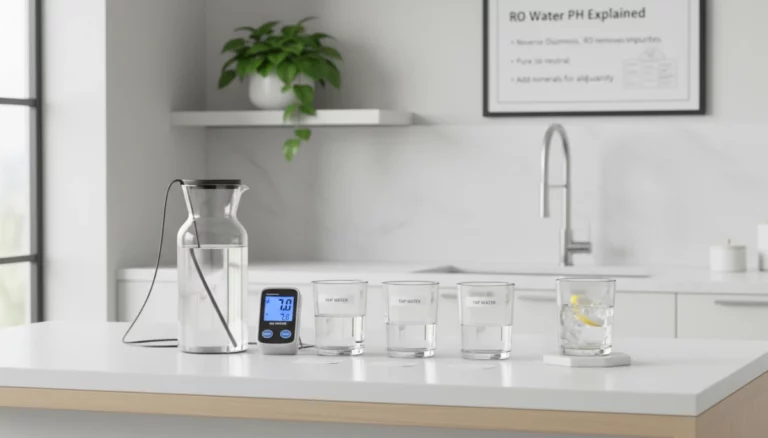
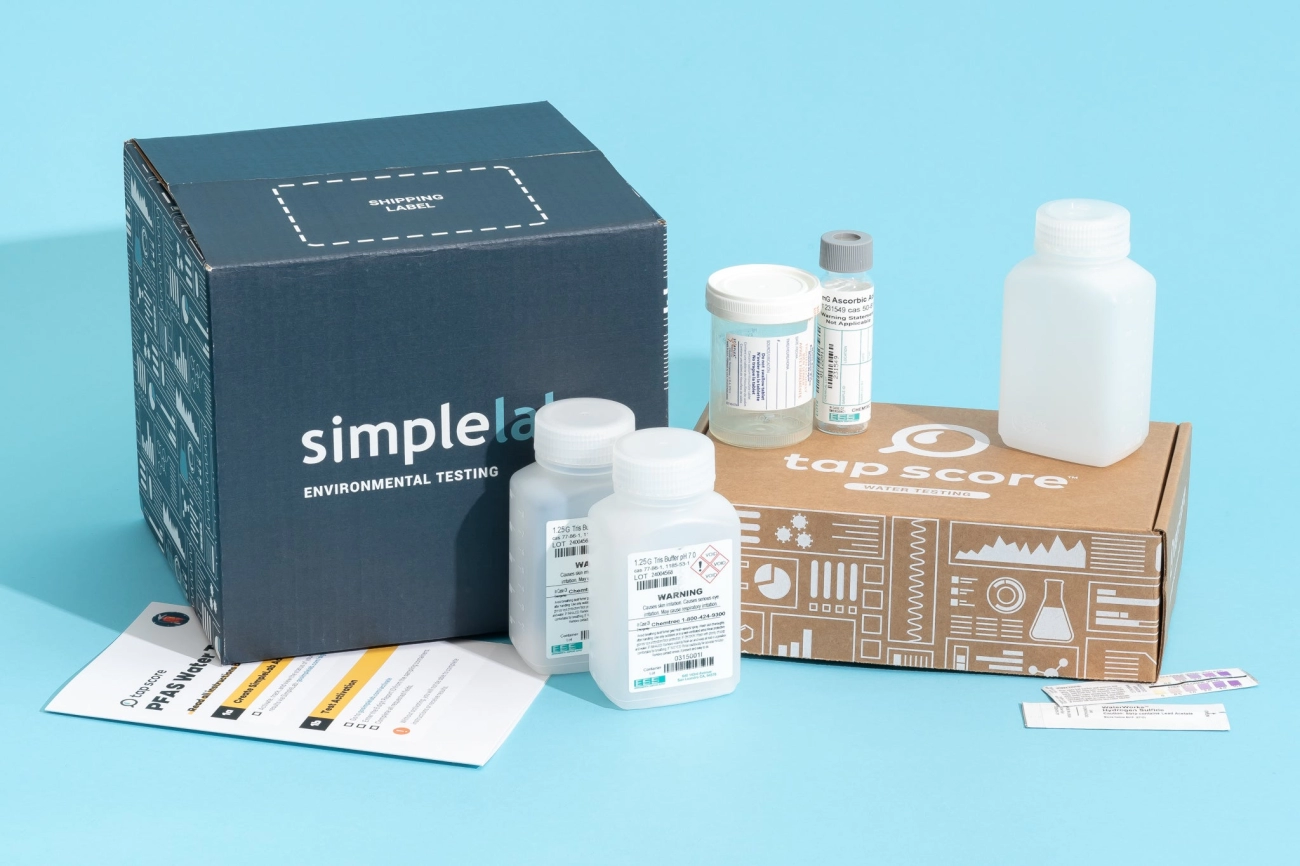
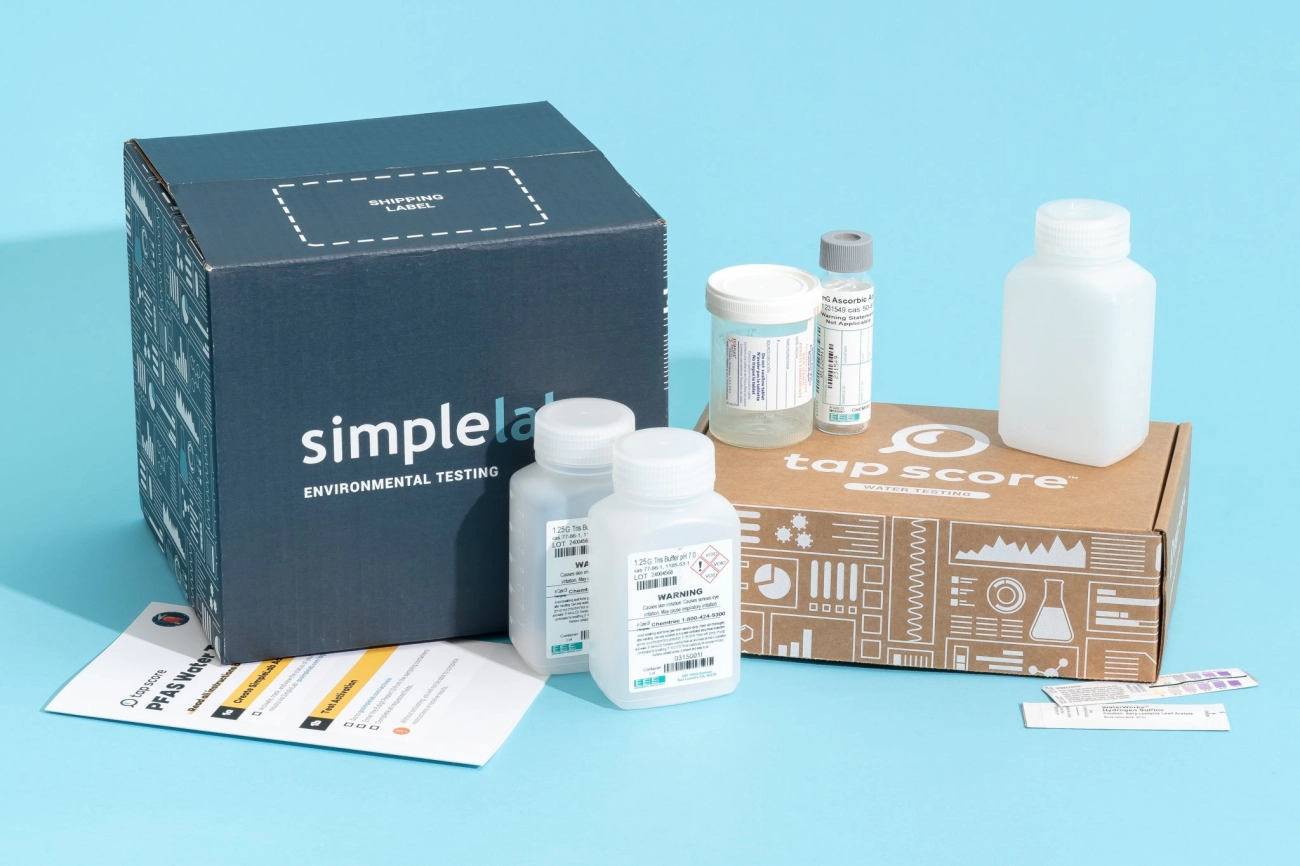
Each type of filtration addresses different concerns, so understanding your water quality is the first step. Many consumers ask how to test water quality before selecting a filter, which can be done with simple home kits or professional testing to identify contaminants like lead, chlorine, hardness, and microbes.
water filters improve drinking water by removing impurities through multiple stages: sediment removal, chemical absorption, microbial disinfection, and total dissolved solids reduction. Knowing these processes helps you choose the best water filter 2024 options that fit your household’s needs and water source.
Criteria for Choosing the Best Water Filter 2024
Picking the best water filter for your home means looking beyond just the price or brand. You want a system that fits your specific needs and ensures safe, clean water every time. Here are the key factors to consider when choosing a water filter in 2024:
1. Water Quality and Contaminants to Remove
Before buying, test your water quality to know what’s in it. City water usually contains chlorine, lead, and sometimes fluoride, while well water might have bacteria or sediments. The best water filter targets the contaminants you have:
- Reverse osmosis filters are great for removing most impurities, including heavy metals and chemicals.
- Activated carbon filters excel at reducing chlorine and odors.
- UV filters kill bacteria and viruses.
2. Filter Type and Technology
Know how different filters work:
- Under sink water filters are popular for saving space and providing filtered water at the tap.
- Pitcher filters are budget-friendly but filter less water at a time.
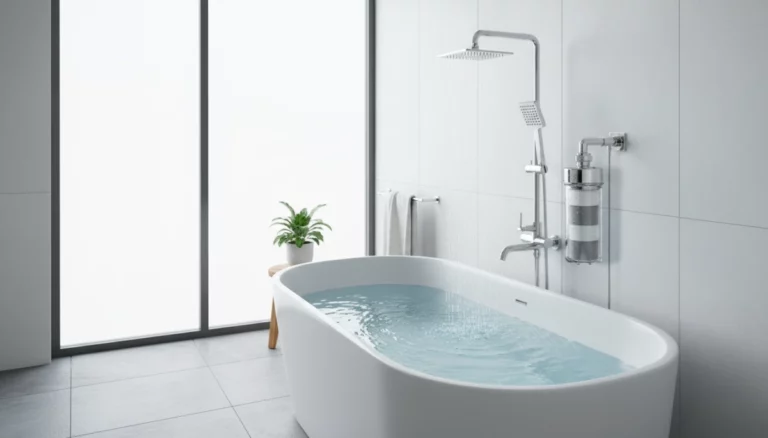
- Whole house filtration systems treat all water entering your home, best for comprehensive protection.
Choose the type that fits your household size and water use.
3. Filter Lifespan and Replacement Cost
A good filter should last long enough without losing effectiveness. Check:
- How often does the filter need replacement?
- Are replacement filters affordable and easy to find?
Filters that are cheap upfront but costly to maintain aren’t the best value.
4. Flow Rate and Water Pressure
Make sure the system you pick doesn’t slow your water flow too much. Some reverse osmosis units have slower flow rates. For family use, balance filtration power and water pressure to keep convenience intact.
5. Certification and Safety Standards
Look for filters certified by NSF or WQA. These certifications mean the filter has been tested for performance and safety, giving you peace of mind.
6. Ease of Installation and Maintenance
Consider whether you want a DIY install or professional help. Some filters are easy to set up and maintain yourself, while others need plumbing work. Also, check for simple maintenance steps and how often cleaning is required.
7. Price and Warranty
Price matters, but don’t just go for the cheapest. Look for systems that offer a good warranty and customer support to protect your investment.
Choosing the right water filter means knowing your water, understanding your household needs, and balancing performance with upkeep. Keep these critical points in mind, and you’ll be well on your way to picking the best water filter in 2024.
Top Types of Water Filters Reviewed
When it comes to finding the best water filter 2024, understanding the main types available helps you make a smart choice. Here’s a clear look at the top water filtration options, their benefits, and what fits various American homes and lifestyles.
Reverse Osmosis Water Filters
One of the most popular home water filtration systems, reverse osmosis (RO) filters remove contaminants by pushing water through a semi-permeable membrane. These filters excel at reducing heavy metals, chlorine, fluoride, and many other impurities.
Benefits:
- High level of purification
- Great for city water with chemical treatments
- Often paired with activated carbon filters for taste improvement
Considerations: Requires under-sink installation and periodic maintenance.
Activated Carbon Filters
Activated carbon filters are common in pitchers, faucet attachments, and under sink models. They work by adsorbing chlorine, sediment, and volatile organic compounds (VOCs), improving taste and odor effectively.
Benefits:
- Affordable and easy to replace
- Improves water taste and smell
- Great for reducing chlorine and pesticides
Considerations: Does not remove minerals, salts, or microorganisms.
UV Water Purifiers
UV filters use ultraviolet light to kill bacteria and viruses, providing a chemical-free way to disinfect water. Often used with other filtration systems to enhance safety.
Benefits:
- Chemical-free disinfection
- Effective against microorganisms
Considerations: Requires electricity and clear water for best results.
Ceramic Water Filters
Ceramic filters trap bacteria and sediment with their tiny pores, often used in countertop or portable systems. They are durable and easy to clean.
Benefits:
- Long-lasting and reusable
- Good for removing bacteria and sediments
Considerations: Limited effectiveness against chemicals and viruses.
Under Sink Water Filters
These are complete filtration systems installed under your kitchen sink, combining several filter types like carbon and RO for comprehensive water treatment.
Benefits:
- Convenient and space-saving
- Delivers clean, filtered water directly to your tap
- Often includes multi-stage filtration for broad protection
Considerations: Higher upfront cost and installation required.
Pitcher and Faucet Filters
Ideal for renters or quick upgrades, these filters are easy to use but generally offer less thorough filtration.
Benefits:
- Portable and budget-friendly
- Easy filter replacement
Considerations: Limited contaminant reduction compared to larger systems.
Each type of water filter carries strengths and trade-offs depending on what you want to remove from your water, budget, and space. Knowing the difference helps you pick the best water purifier for city water or well water at your home. Next, we’ll dive into best water filters in 2024 by category to narrow down your choices.
Best Water Filters in 2024 Recommendations by Category
Choosing the best water filter 2024 depends a lot on your needs and water source. Here’s a quick breakdown of top picks based on common categories, so you can find the right fit whether you want a whole-home solution or a simple under sink filter.
Best Whole House Water Filtration Systems
If you’re looking for comprehensive water cleaning right at the point where water enters your home, a whole house system is ideal. These filters handle sediment, chlorine, and sometimes even hard minerals.
- AquaPro Whole House System – Great for city water, reduces chlorine taste and odor while filtering sediment.
- iSpring WGB32B – Includes multi-stage filtration with carbon and iron removal, perfect for well water and city water alike.
Best Under Sink Water Filters
Under sink filters are great if you want high-quality drinking water without changing your whole home plumbing.
- CuZn UC-200 – Affordable, long-lasting with no complicated installation, filters chlorine, heavy metals, and pesticides.
- APEC ROES-50 – A popular reverse osmosis water filter that works well for city water with chemical contaminants.
Best Countertop Water Filters
For renters or those who want simple portability, countertop filters give clean water without installs.
- Berkey BK4X2 – Gravity-fed filter that removes viruses, bacteria, and chemicals; very popular for everyday use and emergencies.
- Big Berkey Light – Perfect for smaller households; highly rated for improving taste and removing common contaminants.
Best Reverse Osmosis Water Filters
Reverse osmosis (RO) systems are praised for removing a wide range of impurities and improving taste. They’re especially useful in areas where water quality is questionable.
- Home Master TMHP HydroPerfection – Highly efficient RO system with added UV light for sterilization; perfect for city water users concerned about microorganisms.
- Express Water RO5DX – Budget-friendly RO filter that delivers consistent clean water by removing lead, chlorine, fluoride, and more.
Best Affordable Water Filters
You don’t have to spend a fortune to get cleaner water.
- Brita Everyday Pitcher – Easy to use and maintain, great for improving taste and reducing chlorine.
- PUR Faucet Mount Filter – Installs directly on your faucet and filters out over 70 contaminants, a solid choice for renters.
Remember: The best water filter for you depends on your water source, budget, and whether you want point-of-use or whole house filtration. Testing your water first will help decide which type removes the contaminants you need to target.
How to Maintain Your Water Filter for Peak Performance
Keeping your water filter in top shape is key to getting the best water filter 2024 results every time. Proper water filter maintenance ensures clean, fresh-tasting water while extending the life of your system. Here’s how to care for your home water filtration system without hassle:
Regular Filter Replacement
- Change filters on schedule: Most filters need replacing every 3 to 6 months, depending on your water quality and usage.
- Check the manufacturer’s guide or use a reminder system to stay on track.
- Waiting too long can cause clogged filters, reducing flow and letting contaminants through.
Clean Filter Components
- For filters with reusable parts (like some under sink water filters), rinse or wash components regularly.
- Clean housings and remove sediment buildup.
- Use mild soap and warm water, avoiding harsh chemicals that might damage the filter.
Monitor Water Quality
- Test your water quality periodically with a DIY water test kit or professional service.
- Look for changes in taste, odor, or appearance like cloudy water or discoloration.
- These signs may mean your filter needs a check or early replacement.
Protect Against Freezing and Leaks
- In colder climates, avoid freezing by insulating pipes and filter housings.
- Regularly inspect for leaks or drips, which can signal worn-out parts or improper installation.
Use the Right Type of Filter
- Match your filter to your water conditions; for example, a reverse osmosis water filter needs specific membranes maintained carefully.
- Improper filter type can cause faster wear or poor purification results.
Follow Manufacturer’s Tips
- Every best water purifier for city water has unique needs.
- Follow the user manual’s maintenance tips closely for your specific model.
- Some may require flushing, sanitizing, or special care steps.
By following these water filter maintenance tips, you get consistent, high-quality water and protect your investment for years. Regular upkeep is simple but essential for peak filter performance that meets your household needs.
driplife’s Water Filter Solutions Why Choose Us
When it comes to choosing the best water filter for your home, driplife stands out as a trusted name in home water filtration systems. Here’s why many in the US rely on driplife for clean, safe drinking water:
Proven Performance and Reliability
driplife water filters deliver consistent, effective filtration that removes common city water contaminants like chlorine, lead, and sediment. Our systems are designed to meet water quality standards while improving taste and clarity — no more cloudy water worries.
Variety of Options to Fit Your Needs
Whether you want an easy-to-install under sink water filter or a full home filtration system, driplife offers a range of affordable water filters. We focus on making it simple to select a solution based on your water source and household size.
Innovative Filtration Technology
From carbon filters to reverse osmosis water filter benefits, driplife integrates proven technologies that reduce impurities. Our systems not only protect your family but also help you save money compared to bottled water and other purifiers.
Easy Maintenance and Support
Our water filters come with clear guides on how to maintain water filter systems so you get peak performance year-round. Plus, driplife provides prompt customer support in case you have questions or need help testing water quality at home.
Trusted by Local Communities
We understand US tap water variations, and driplife’s solutions are tailored for common regional challenges. By choosing driplife, you’re picking a brand that listens to local needs and continues to innovate based on customer feedback.
In short, driplife offers reliable, affordable, and effective water filters designed for daily American use. If you’re ready for clearer, better-tasting water, driplife has the solution you can count on.
FAQs About Water Filters Home Filtration Systems and Maintenance
Choosing the best water filter 2024 can raise several questions, especially if you’re new to home water filtration. Here are the answers to some of the most common concerns, helping you understand how to pick, use, and maintain your water filter effectively.
How Do I Choose the Best Water Filter for My Home
- Test your water quality first. Knowing what’s in your tap water—like chlorine, lead, or sediment—helps you pick the right filter.
- Decide on the type of filter that fits your needs: under sink water filters work well for heavy-duty purification, while pitcher filters are great for affordability and easy use.
- Look for certifications like NSF/ANSI to ensure your filter does what it claims.
What Is Reverse Osmosis and Is It the Best Option
- Reverse osmosis (RO) removes a wide range of contaminants by pushing water through a fine membrane.
- RO filters are excellent for city water, especially if your water has chlorine, fluoride, or heavy metals.
- Keep in mind, RO systems often require more maintenance and don’t filter minerals that some people prefer to keep in their water.
Why Is My Water Cloudy After Filtering
- Cloudy or milky water usually happens due to tiny air bubbles trapped in the water.
- It’s generally harmless and clears up after standing a few minutes.
- If cloudiness persists, check your filter for clogs or replacement needs.
How Often Should I Maintain or Change My Water Filter
- Filter lifespan varies: carbon filters may last 3-6 months, while RO membranes need changing every 2-3 years.
- Always follow the manufacturer’s replacement schedule to keep your system running at peak performance.
- Regular maintenance includes sanitizing components and checking for leaks or buildup.
Can I Use an Affordable Water Filter Without Sacrificing Quality
- Yes, many affordable water filters offer solid performance for typical city water contaminants.
- Look for filters with verified certifications and good water filter reviews.
- Avoid bargain models without certification—they might not filter effectively or could pose health risks.
How Do I Test My Water After Installing a Filter
- Use home water testing kits available online or at local stores to check for things like pH, chlorine, lead, and hardness.
- For precise results, consider sending a water sample to a certified lab.
- Testing confirms if your new filter meets your expectations.
Understanding these FAQs and the basics of water filter maintenance helps you get the most from your investment. If you’re still unsure which filter suits you best, don’t hesitate to explore detailed water filter reviews or contact a local expert for personalized advice.