















You might assume the water flowing from your kitchen faucet is perfectly safe for your newborn…
But is it really?
Invisible contaminants like Lead and Nitrates often lurk in aging pipes and private wells, posing critical risks to infant water safety.
From permanent developmental delays to the life-threatening Blue Baby Syndrome, the dangers are real—especially for formula-fed babies who consume water at a much higher rate than adults.
In this guide, you’re going to learn exactly how to safeguard your child’s health.
We’ll break down the science, reveal immediate steps to reduce exposure, and explain why Reverse Osmosis is the ultimate solution for Protecting Infants from Lead and Nitrates in Tap Water.
Let’s dive right in.
Understanding the Health Risks to Infants
At Driplife, we understand that ensuring infant water safety is the top priority for every parent. While adults might tolerate trace amounts of certain contaminants, a newborn’s developing system is far more delicate. The risks hidden in tap water—specifically lead and nitrates—are not just about stomach aches; they concern long-term development and immediate oxygen levels in the blood. We approach water purification with the seriousness this issue demands, knowing that clean water is the foundation of a healthy start.
Why Lead Poses a Serious Threat to Babies
Lead exposure in babies is a critical concern because infants absorb significantly more lead than adults—up to 50% of what they ingest. Their brains and nervous systems are in a rapid state of growth, making them highly susceptible to the toxic effects of this heavy metal.
Even low levels of lead can result in irreversible damage:
- Developmental Delays: Slower growth and learning difficulties.
- Nervous System Damage: Impact on motor skills and behavior.
- Cognitive Impairment: Lower IQ and attention span issues.
Because lead is tasteless and odorless, it often goes undetected without proper filtration or testing, silently accumulating in a child’s body.
The Dangers of Nitrates: Methemoglobinemia Explained
Nitrates are another invisible threat, particularly prevalent in rural areas or homes relying on well water. When an infant consumes water high in nitrates, their digestive system converts it into nitrite. This compound interferes with the blood’s ability to carry oxygen, leading to a condition known as Methemoglobinemia, or Blue Baby Syndrome.
Key Symptoms to Watch For:
- Skin turning a bluish tint (especially around the mouth and hands).
- Shortness of breath or difficulty breathing.
- Vomiting and diarrhea.
- Lethargy or excessive sleepiness.
Unlike bacteria, nitrate contamination in well water cannot be removed by boiling. In fact, boiling water evaporates the liquid and concentrates the nitrates, making the water more dangerous for the infant.
Vulnerability Factors: Why Formula-Fed Babies Are at Higher Risk
Safe water for baby formula is crucial because formula-fed infants consume a large volume of water relative to their body weight. A baby fed exclusively on powdered formula mixed with tap water may receive a dose of contaminants many times higher than a breastfed infant or an adult drinking the same water.
- High Intake Volume: Babies drink frequently throughout the day, increasing cumulative exposure.
- Immature Filtration: An infant’s kidneys are not yet fully developed, making it harder for them to filter and excrete toxins like nitrates.
- Formula Concentration: Using contaminated water to mix formula acts as a direct delivery system for heavy metals and chemical runoff.
Recognizing these vulnerabilities is the first step toward securing a safe hydration source for your family.
How Lead and Nitrates Enter Your Tap Water
Most parents assume that if water looks clear, it is safe for their newborn. However, lead exposure in babies and nitrate contamination often come from invisible sources that have nothing to do with the water’s appearance. As a manufacturer deeply involved in water purification R&D, we understand that contaminants enter the supply chain at different points, requiring specific filtration technologies to address them effectively.
Lead Sources: Old Plumbing, Fixtures, and Service Lines
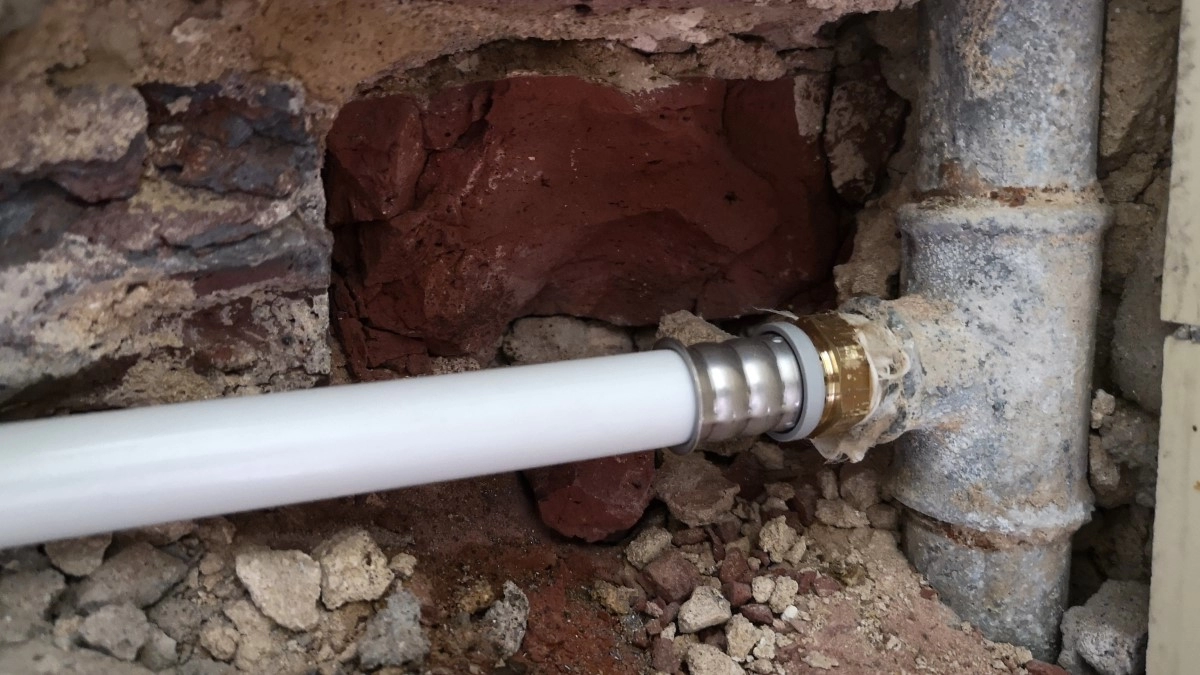
Lead rarely comes from the main water source; it typically enters drinking water as it travels through the distribution system. This is a significant issue in the United States, particularly in homes built before 1986. The primary culprits include:
- Lead Service Lines: The pipe connecting the main street water line to the home.
- Lead Solder: Used to join copper pipes in older indoor plumbing.
- Brass Faucets and Fixtures: Older fixtures can leach lead, especially when hot water corrodes the material.
Because lead dissolves into water upon contact, the longer water sits in pipes, the higher the concentration. This makes the “first draw” of water in the morning particularly risky for infant formula water preparation. Understanding the distinction between basic filtration and true purification is critical here; you can read more about purified water vs filtered water to see why advanced filtration is often necessary for heavy metals.
Nitrate Sources: Agricultural Runoff, Septic Systems, and Fertilizers
Unlike lead, nitrates usually originate from the environment surrounding the water source. This is a major concern for nitrate contamination well water, particularly in rural agricultural areas. Nitrogen is a common component in fertilizers and organic waste. When it rains, these chemicals wash into the soil and eventually reach groundwater aquifers.
Common sources include:
- Chemical Fertilizers: Runoff from farms and lawns.
- Animal Manure: Leaching from livestock operations.
- Septic Systems: Improperly maintained or leaking residential septic tanks.
Public Water Systems vs. Private Wells: Understanding Your Specific Risks
The risk profile changes significantly depending on whether a home relies on a municipality or a private well.
- Public Water Systems: While the EPA regulates these systems, they cannot control the plumbing inside a private residence. The water may leave the treatment plant clean but pick up lead in drinking water risks while traveling through aging city infrastructure or household pipes.
- Private Wells: These are unregulated by the EPA. Homeowners are solely responsible for testing and treating their water. Wells in shallow aquifers are highly susceptible to agricultural runoff, making them the primary vector for Blue Baby Syndrome caused by high nitrate levels.
For families relying on private wells, ensuring baby safe drinking water often requires installing point-of-use systems, such as Reverse Osmosis, which are specifically engineered to remove dissolved inorganic solids that standard carbon filters cannot catch.
Immediate Steps to Reduce Exposure Today
If you are concerned about the quality of your tap water, you cannot wait for long-term renovations to protect your family. There are immediate, practical actions you can take right now to lower the risk of lead exposure in babies and reduce nitrate contamination. While these are not permanent fixes, they are critical stopgap measures for infant water safety.
Practical Checklist: Flushing Pipes and Using Cold Water for Formula
The way you interact with your faucet matters. Lead often leaches into water while it sits stagnant in plumbing lines. Follow this simple protocol to minimize risks when preparing infant formula:
- Flush the Tap: If the water hasn’t been turned on for six hours or more, let it run for 1 to 2 minutes before using it. This flushes out the water that has been sitting in contact with potential lead sources in the pipes.
- Always Use Cold Water: Never use hot water from the tap for cooking or mixing formula. Hot water dissolves lead more quickly than cold water. Collect cold water and heat it separately on the stove or use a specialized countertop water filter that offers temperature control and purification in one step.
- Clean Aerators: Regularly remove and clean the screen (aerator) on your faucet. Lead particles can get trapped here and accumulate over time.
The Boiling Myth: Why Boiling Water Concentrates Nitrates
A common misconception is that boiling water makes it safe for everything. This is dangerous advice when dealing with chemical contaminants. While boiling effectively kills bacteria, it does not remove lead or nitrates. In fact, boiling can make the problem worse.
As water boils, some of it evaporates as steam, but the heavy metals and dissolved solids remain behind. This process actually increases the concentration of nitrates and lead in the remaining water. For methemoglobinemia prevention, do not boil water containing high nitrate levels.
Temporary Solutions: When to Switch to Bottled Water
If your local health department has issued a warning, or if you are waiting on test results for a private well, stop using tap water for your baby immediately. Switch to bottled water that is labeled as purified or distilled for mixing formula. This is a necessary temporary expense to ensure safe water for baby formula until you can install a reliable filtration system that is certified to remove these specific contaminants.
Testing Your Water — The First Line of Defense
You cannot taste lead, and you cannot smell nitrates. When it comes to infant water safety, relying on sensory checks is a gamble you shouldn’t take. As a manufacturer committed to water purification, I always tell parents that accurate data is the prerequisite to peace of mind. Before you mix that next bottle of formula, you need to know exactly what is coming out of your faucet.
When and How to Test: Schedules for Private Wells vs. Public Water
The urgency of testing depends heavily on your water source. If you are on a public municipal supply, the utility company provides an annual Consumer Confidence Report (CCR), but this only certifies the water quality as it leaves the plant. It does not account for lead leaching from the pipes inside your own home. For public water users, I recommend a “first draw” test specifically for lead if you live in a home built before 1986.
For families relying on private well water, the responsibility falls entirely on you. Groundwater conditions change. We recommend testing your well specifically for nitrate contamination and bacteria at least once a year, and definitely before bringing a newborn home. Understanding the specific health risks associated with tap water contaminants helps you prioritize which tests are non-negotiable for your family’s safety.
Finding Certified Labs and Understanding EPA Action Levels
Skip the DIY hardware store strips if you want definitive answers for your baby’s health. These strips often lack the sensitivity required to detect low-level lead in drinking water risks. Instead, send your samples to a state-certified laboratory. These facilities use rigorous protocols to detect trace elements that over-the-counter kits might miss.
Once you get your report back, you need to know what the numbers mean for tap water testing infants:
- Lead: The EPA Action Level is 15 parts per billion (ppb). However, the American Academy of Pediatrics suggests that there is no safe level of lead for children. If you see any detectable lead, immediate action is required.
- Nitrates: The Maximum Contaminant Level (MCL) is 10 mg/L (or 10 ppm). Levels above this are the primary trigger for Blue Baby Syndrome.
If your results exceed these limits, boiling water is not the answer—it concentrates the contaminants. Your immediate next step should be installing a certified filtration solution, such as a high-efficiency RO system or a specialized countertop ice water purifier capable of removing dissolved solids.
Effective Filtration Solutions for Lasting Protection

Why Reverse Osmosis (RO) is the Gold Standard
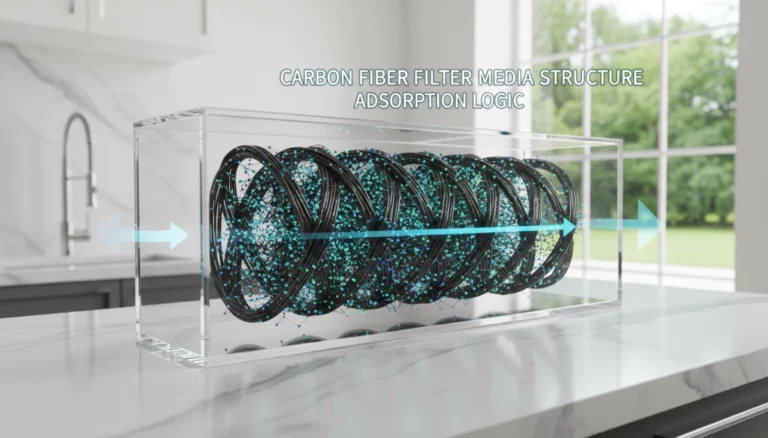
When we talk about infant water safety, relying on basic pitcher filters often isn’t enough. Standard carbon filters are great for taste and chlorine, but they usually struggle to remove dissolved inorganic solids like lead and nitrates effectively. This is where reverse osmosis for infants becomes the critical line of defense.
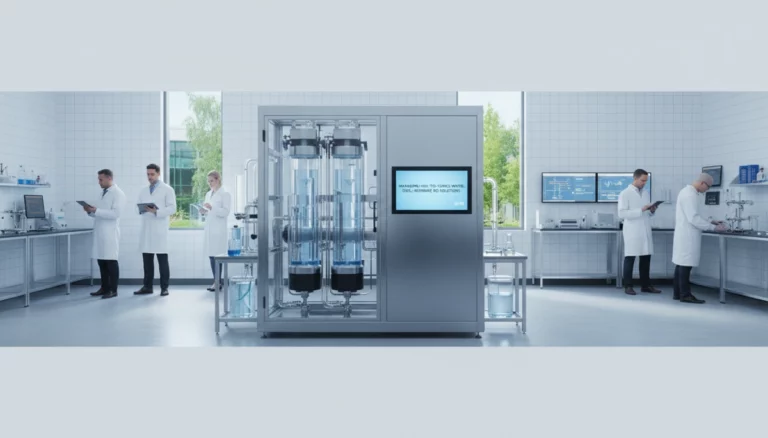
In our manufacturing experience, RO technology remains the most reliable method for nitrate reduction filtration and heavy metal removal. These systems force water through a semi-permeable membrane with pores so microscopic (0.0001 microns) that contaminants like lead and nitrates are physically blocked and flushed away. For parents mixing formula, understanding the benefits of reverse osmosis water for home is the first step toward ensuring every bottle is free from harmful runoff and pipe corrosion.
NSF/ANSI 58 Certification: What Parents Need to Look For
Marketing claims can be confusing, but certifications cut through the noise. If you are looking for baby safe drinking water, you need to check for NSF/ANSI 58 certification. This is the specific standard for Reverse Osmosis Drinking Water Treatment Systems.
A system with this certification has been rigorously tested to verify that it actually reduces the specific contaminants claimed, including lead, nitrates, and nitrites. It also verifies structural integrity and ensures the system doesn’t add anything harmful to the water.
Comparing Countertop vs. Under-Sink Options for Busy Families
We design our systems to fit different lifestyles, but both styles offer the contaminant filtration necessary for a nursery-safe home. Choosing between them often comes down to your kitchen layout and installation preference.
| Feature | Countertop RO Systems | Under-Sink RO Systems |
|---|---|---|
| Installation | Plug-and-play (No plumbing required) | Requires connection to cold water line |
| Portability | High (Great for renters) | Stationary (Permanent fixture) |
| Capacity | Typically around 150GPD | High output (e.g., 600GPD+) |
| Convenience | often 4-in-1 (Hot/Cold/Ice/Pure) | Continuous flow, tankless design |
| Best For | Instant formula prep at specific temps | Large families and cooking |
For parents who need immediate access to purified hot water for bottles, checking the best countertop RO system features can help you decide if a standalone unit is the right fit for your nursery routine.
Essential Safety Features: BPA-Free Materials and Lead-Free Components
Filtration performance means nothing if the machine itself re-contaminates the water. Pediatric water safety extends to the materials used in the construction of the device. We strictly utilize BPA-free materials for all water contact parts to prevent plastic leaching, which is a known endocrine disruptor.
Furthermore, all faucets and internal piping in a quality system must be certified as lead-free components. In our production facilities, we adhere to stringent quality standards to ensure that the clean water produced by the RO membrane travels through a safe, sterile pathway before it reaches your baby’s bottle.
Driplife Solutions: Advanced RO Systems Designed for Family Health
At Driplife, we understand that protecting infants from lead and nitrates in tap water requires more than just a basic filter; it demands precision engineering. As a manufacturer, we have moved beyond standard designs to create filtration systems that prioritize the unique vulnerability of newborns. We focus on contaminant filtration that ensures every drop used for formula is as safe as possible.
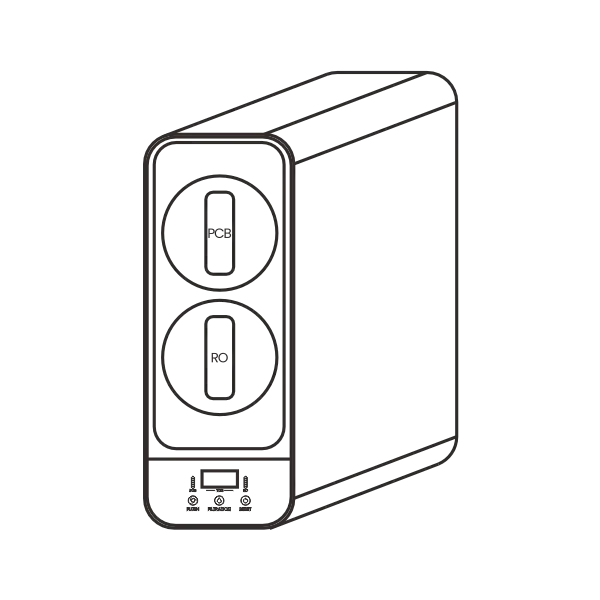
High-Performance Tankless Systems for Instant Pure Water
Traditional RO systems often use storage tanks, which can become breeding grounds for bacteria if not sanitized regularly—a risk no parent wants to take. Our reverse osmosis for infants utilizes a modern tankless design. This innovation guarantees that water is filtered at the exact moment you need it, eliminating the risk of secondary pollution.
- Freshness: Water doesn’t sit stagnant; it is purified on demand.
- Space-Saving: Fits easily under compact kitchen sinks.
- Efficiency: Reduces wastewater compared to bulky tank systems.
Understanding the key differences between reverse osmosis and distilled water highlights why our tankless RO technology is the superior choice for daily baby safe drinking water, providing purity without the hassle of distillation.
Quiet Operation and High-Flow Output for Modern Households
When you have a crying baby at 2:00 AM, speed and silence are essential. We engineered our systems to deliver a high flow rate, filling a baby bottle in seconds rather than minutes. Unlike older units that vibrate and hum loudly, our pumps operate with whisper-quiet technology. This ensures you can access contaminant-free water for babies without waking the rest of the household.
Customized Purification Solutions for Infant Safety
We don’t believe in a “one size fits all” approach to pediatric water safety. Our manufacturing process allows for customized filtration stages specifically designed to target local water issues, such as high nitrate levels in agricultural areas.
We strictly adhere to safety standards using:
- Lead-Free Components: Ensuring no heavy metals leach back into the purified water.
- BPA-Free Materials: All water pathways are constructed from food-grade, safe plastics.
- Precision Membranes: Targeting the molecular size of nitrates and lead for maximum removal.
By focusing on heavy metal removal and rigorous quality control, we provide families with the tools they need to ensure their water is safe for the most sensitive members of the family.
Frequently Asked Questions About Infant Water Safety
Does Boiling Tap Water Remove Lead or Nitrates?
Many parents assume that boiling water is the ultimate purification method, but this is a dangerous misconception regarding chemical contaminants. While boiling effectively kills bacteria and parasites, it does not remove lead or nitrates. In fact, boiling can make the water more dangerous for infant formula.
As water evaporates during the boiling process, the concentration of dissolved solids—including lead and nitrates—actually increases in the remaining water. To physically remove these heavy metals and chemical compounds, you need a filtration barrier. Reverse Osmosis (RO) systems are the most effective solution here, as they force water through a semi-permeable membrane that blocks contaminants that boiling leaves behind.
Is Bottled Water Always Safer Than Tap Water for Formula?
Not necessarily. While bottled water is often marketed as pure, it is not always sterile or free from contaminants. The regulations for bottled water can sometimes be less stringent than those for municipal tap water, and plastic bottles may leach chemicals if stored improperly. Additionally, relying on bottled water is expensive and environmentally taxing.
For consistent pediatric water safety, installing a dedicated filtration system is often the superior choice. Utilizing smart countertop RO water filter technology allows you to produce fresh, purified water on demand. This ensures you have control over the filtration quality and eliminates the risk of microplastics or contaminants from long-term storage in plastic bottles.
How Often Should I Test My Well Water if I Have a Newborn?
If your home relies on a private well, you are solely responsible for ensuring the water quality. Unlike public systems, no government agency monitors your well for nitrate contamination or bacteria.
- Before Birth: Test your water for nitrates, coliform bacteria, and lead several months before your due date.
- First 6 Months: Test again after the baby is born, as nitrate levels can fluctuate with rainfall and agricultural runoff.
- Annually: Conduct a comprehensive test once a year to maintain a safe environment for your growing family.
If testing reveals high levels of nitrates (above 10 mg/L) or lead, switch to an alternative water source or install a certified RO system immediately to prevent health risks like Blue Baby Syndrome.