











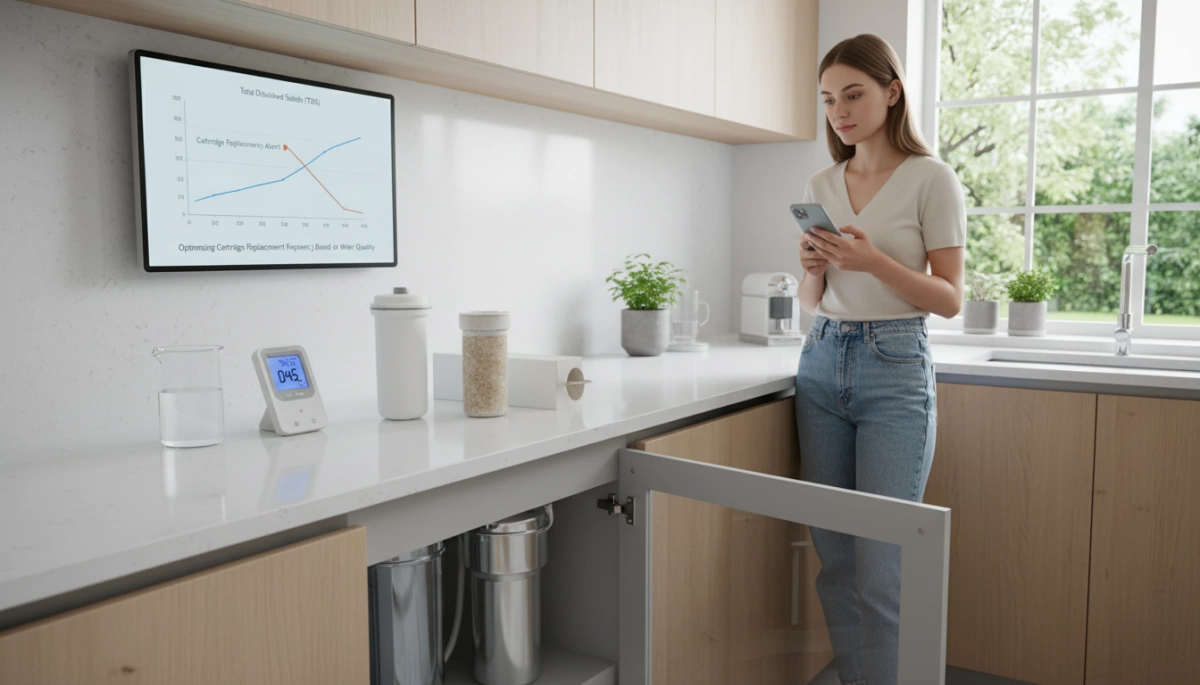
If you’re still changing your shower filter every 6–12 months just because the box says so, you’re probably either wasting money or showering in poorly filtered water.
The truth is, your ideal cartridge replacement frequency has almost nothing to do with the calendar—and everything to do with your water quality.
If your local water is hard, high in TDS, loaded with sediment, or heavily treated with chlorine, your filter can clog or lose effectiveness 30–50% faster than “standard” guidelines suggest. On the other hand, if your water is relatively clean, you can often safely extend cartridge life and change it less often without sacrificing protection.
In this guide, you’ll learn how to use real water quality data—not guesswork—to optimize your water filter cartridge replacement frequency. You’ll see exactly how to test your water, spot early warning signs of exhaustion, and build a custom replacement schedule that fits your home, your usage, and your local conditions.
Along the way, we’ll also show you how Driplife shower filters and replacement cartridges are engineered to handle challenging water and help you maintain consistent performance with smarter, more efficient maintenance.
Let’s get straight into how you can start optimizing your cartridge changes today.
Understanding Water Quality And Cartridge Lifespan
When we talk about optimizing cartridge replacement frequency, water quality is the deciding factor. The same cartridge can last 2–3 times longer in one home than another, simply because the water is cleaner to begin with.
Key Water Quality Factors That Affect Filter Life
Here are the main water quality variables that control water filter cartridge lifespan:
- Hardness (calcium + magnesium)
- TDS (total dissolved solids)
- Sediment (sand, rust, fine particles)
- Chlorine / chloramine
- pH (how acidic or alkaline the water is)
These factors directly change how often you should replace a shower filter, under-sink filter, or whole-house cartridge.
How Hard Water, TDS, Sediment, Chlorine, And pH Shorten Cartridge Life
Each factor stresses the cartridge in a different way:
Hard water:
- Builds scale inside the filter media and on pores
- Reduces flow and effective filter surface area
- Forces faster replacement, especially for shower filters
High TDS:
- Overloads carbon and specialty media
- Speeds up exhaustion of ion-exchange resins
- Cuts down effective gallons before performance drops
Sediment:
- Clogs sediment and carbon cartridges from the outside in
- Causes pressure drop and channeling
- Often the biggest driver of early changeouts in well water homes
Chlorine / chloramine:
- Consumes activated carbon capacity
- Strong city water disinfection levels shorten chlorine removal cartridge longevity
- More frequent cartridge changes are needed to maintain taste, odor, and skin comfort
pH:
- Very low or high pH can attack some filter components
- Can change how well some media adsorb contaminants
- Speeds up cartridge wear in aggressive water conditions
Real-World Examples Of Lifespan Reduction
To make this practical, here’s how tough water can impact a typical performance-based filter schedule:
| Water Condition | Typical Cartridge Lifespan* |
|---|---|
| Soft, low TDS city water | 100% of rated life (e.g., full 6 months) |
| Moderate hardness, some sediment | ~70–80% of rated life |
| Very hard water, high TDS, chlorine | ~50–60% of rated life |
| Well water with heavy sediment & iron | ~30–50% of rated life |
*Assumes normal US household usage; actual results vary by family size and system type.
This is why two homes using the same cartridge can see totally different water filter cartridge lifespans.
Why Generic 6–12 Month Rules Don’t Work
Most packaging says something like “replace every 6–12 months.” That’s a rough starting point, not an optimized cartridge replacement frequency. It fails when:
- You live in a hard water region (Midwest, Southwest, parts of Texas, Florida)
- Your home has older pipes that shed rust and sediment
- You take frequent showers or have a large household
- Your city uses high chlorine or chloramine levels
In these cases, following a generic shower filter replacement schedule can mean:
- Replacing too late → poor water quality, dry skin, scale buildup
- Replacing too early → wasted money and unnecessary cartridge waste
A custom water filter replacement plan based on water quality is more reliable and more cost-effective.
Differences Between Shower, Under-Sink, And Whole-House Systems
Different systems see different loads and flow rates, which changes how we optimize cartridge replacement frequency:
Shower filters (like Driplife):
- Direct contact with skin and hair
- Constant exposure to hot water and hard water scale
- Need more frequent, performance-based filter schedules (especially for chlorine and hardness)
Under-sink drinking water filters:
- Lower daily flow, but higher expectations for taste and TDS reduction
- More sensitive to TDS impact on filter life
- Typically changed by gallons used or clear taste/odor changes
Whole-house filters:
- Highest flow and sediment load
- Often the first line of defense for rust, sand, and scale
- Sediment filter change frequency drives the health of all downstream cartridges
By understanding your water quality and system type, you can move from a guess-based schedule to a smart, water-quality-based cartridge replacement plan that keeps your water clean and your cartridges working at their best.
How to Test Your Water Quality at Home
If I want to optimize cartridge replacement frequency instead of guessing, I start with simple at‑home water quality testing. It doesn’t have to be complicated or expensive.
Basic Home Water Tests
Here’s what I use and why it matters for water filter cartridge lifespan:
- TDS meter: A handheld TDS meter shows Total Dissolved Solids in ppm.
- Under ~150 ppm: cartridges usually last closer to the full rated life.
- 150–300 ppm: plan for a tighter, performance-based filter schedule.
- 300+ ppm (very high TDS): expect shorter shower filter replacement schedules and more frequent changeouts, especially for fine cartridges.
- Hardness test strips: Dip-and-read strips tell you if you’re in soft, medium, or hard water.
- 0–60 ppm: soft, normal replacement is often fine.
- 60–180 ppm: moderate hardness, watch your cartridge replacement indicators more closely.
- 180+ ppm: hard water filter maintenance needs to be strict; scale will clog cartridges faster.
- Chlorine test kits: Simple pool-style strips or drop kits show how hard your cartridge is working.
- High chlorine means your chlorine removal cartridge longevity will be shorter, especially for shower filters designed to protect skin and hair.
These quick tests are the foundation of any custom water filter replacement plan and help you dial in a smart shower filter maintenance routine.
When to Use Reports or Lab Testing
For many U.S. homes, I’ll pair at‑home tools with outside data:
- Municipal water quality reports: If you’re on city water, check your yearly Consumer Confidence Report for hardness, TDS, and disinfectants. It’s a good baseline for regional water hardness replacement planning.
- Professional lab testing:
- Well water
- Noticeable odor (rotten egg, metal, chemical)
- Older homes with plumbing concerns
In these cases, a lab test gives you precise numbers so you can build a more predictive cartridge replacement schedule and choose the right setup (under-sink, whole house, or multi-stage shower filter system).
If you’re trying to solve taste and quality issues at the tap, detailed testing pairs well with solutions like a dedicated water filter for your coffee maker so every-use appliances get water that matches your filter plan.
How Often to Test
To keep your optimized cartridge replacement frequency on track, I stick to a simple cadence:
- Every 3–6 months for most city homes, especially if you’re tracking TDS impact on filter life.
- At the start of each season if your area has big changes in source water (snowmelt, heavy summer usage, local treatment changes).
- Any time you notice a change in:
- Smell or taste
- Water color
- Scale buildup or soap scum
- Water pressure drop in filters
Those visible and sensory shifts usually show up before the cartridge completely clogs, so they’re a great trigger for quick testing.
Tracking Trends to Fine-Tune Replacement
Once you’ve got a few test results, you can move from guesswork to predictive filter replacement:
- Log key numbers: TDS, hardness level, and chlorine before and after your filter.
- Note dates and usage: Family size, showers per day, and whether you’ve added new appliances that increase water use.
- Watch the pattern: If TDS or chlorine creep up sooner than the manufacturer’s rating, tighten your replacement cycle; if performance stays strong longer, you can safely extend it.
Over a few months, this kind of simple tracking turns into a smart, water quality based cartridge replacement schedule that matches your real conditions instead of generic “every 6 months” rules.
Early warning signs your cartridge needs faster replacement
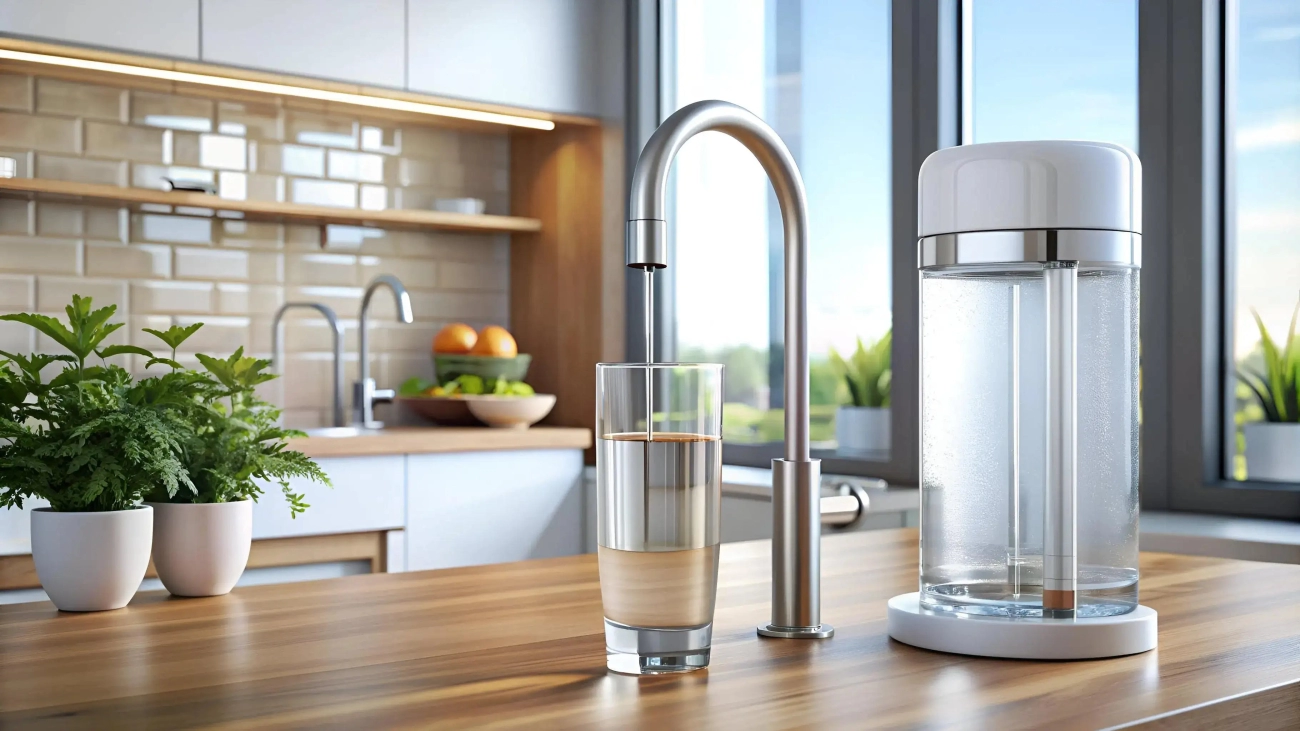
When you optimize cartridge replacement frequency based on water quality, the first step is spotting small changes early. A smart, performance-based filter schedule always pays attention to what the water is telling you.
Water pressure drop or weaker flow
If your shower or faucet suddenly feels weaker, or it takes longer to fill a pot, the cartridge is likely clogging with sediment or scale. A noticeable drop in water pressure usually means it’s time to replace the filter, not push it another month.Smell, taste, or color changes
Chlorine odor coming back, a “pool” smell, metallic taste, or yellow/cloudy water are clear cartridge replacement indicators. When chlorine or other contaminants break through, the media is close to exhausted and your shower filter replacement schedule needs to tighten up.Scale and spots even with a filter
White crust on showerheads, spotty glass, or rough-feeling fixtures tell you hard water is slipping past the system. In high TDS water, this can happen faster than expected, so your hard water filter maintenance plan needs shorter cycles and possibly additional stages like fluoride and hardness‑targeted filters.Skin and hair acting up again
If your skin starts to feel dry or itchy, or your hair gets dull and frizzy even though you’re using a shower filter, that’s a real-world sign chlorine and other irritants are no longer being removed effectively. Smart shower filter maintenance treats these body signals as early warnings that the cartridge is done.When “small” changes mean it’s time
Light discoloration on fixtures, a slight chlorine smell, or a minor flow change are enough to trigger a cartridge swap in a performance-based filter schedule. Cleaning aerators or showerheads can help, but if the same issues come back quickly, optimizing cartridge replacement frequency means replacing the cartridge, not just rinsing hardware.
Creating a Custom Cartridge Replacement Schedule Based on Water Quality
When I optimize cartridge replacement frequency, I always start with the manufacturer’s recommended interval, then customize it based on real water quality and usage at home. Those “every 6–12 months” rules are just a baseline, not a fixed law.
Start With The Default, Then Adjust
Use the manual as your starting point:
- Shower filter cartridge: usually 3–6 months
- Under-sink cartridge: usually 6–12 months
- Whole-house sediment filter: usually 3–6 months
From there, build a custom water filter replacement plan around your actual conditions.
Adjust For Hard Water, High TDS, And Sediment
To optimize cartridge replacement frequency, shorten or extend the schedule based on what your water is doing:
- Hard water / high scale (high hardness on test strips):
- Cut the interval by 25–50% (e.g., 6 months → 3–4 months)
- High TDS impact on filter life (TDS > 300–400 ppm):
- Plan more frequent checks and expect faster clogging
- Heavy sediment (cloudy water, dirty faucet aerators, dirty pre-filter):
- Treat sediment filter change frequency as priority and shorten by 30–50%
- High chlorine / chloramine (strong smell, high test reading):
- Carbon cartridges for chlorine removal may need earlier replacement to keep taste and odor down
Sample Timelines For Different Water Conditions
Here’s a simple, performance-based filter schedule many U.S. homes can use as a starting point:
- Soft/Moderate city water, low sediment
- Shower filter cartridge lifespan: 5–6 months
- Under-sink filter: 9–12 months
- Hard city water, moderate TDS
- Shower filter replacement schedule: 3–4 months
- Under-sink water filter schedule: 6–9 months
- Very hard or well water, high sediment
- Sediment pre-filter: every 1–3 months
- Shower filter: 2–3 months
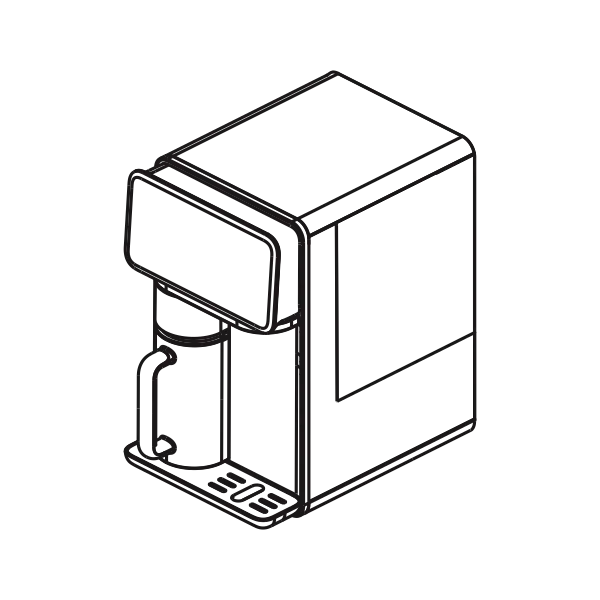
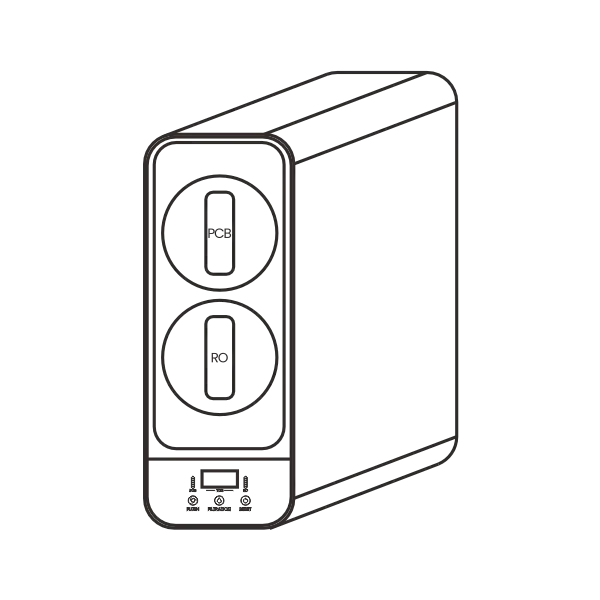
For homes already using advanced systems like countertop RO units with cooling and filtration, I still tie replacement timing to TDS, hardness, and usage, not just time.
Factor In Family Size And Daily Usage
Household water usage and filter life are directly connected. A family of five will burn through capacity much faster than a single person:
- 1–2 people: you can often push close to the max rated lifespan
- 3–4 people: expect to reduce intervals by ~25%
- 5+ people or multiple bathrooms: reduce by ~30–50%
Heavy shower users, frequent hair washing, or lots of guests all speed up cartridge wear.
Use Gallons And Simple Logs To Predict Changeouts
The smartest, cost-effective cartridge replacement strategy is usage-based:
- Check the rated gallons on the cartridge (e.g., 10,000 gallons)
- Estimate use:
- Shower: ~2–2.5 gallons per minute
- Typical shower: 8–10 minutes
- Track:
- Quick note on your phone: “New Driplife shower filter installed – March 10, 2026 – Family of 4”
- Count showers per day × minutes × flow rate to estimate gallons
This turns into a predictive cartridge replacement system: you’ll know roughly when that rated gallon number is coming up, instead of guessing.
Tweak Your Schedule After A Few Cycles
After 2–3 changeouts, dial in a regional water hardness replacement pattern that matches your home:
- If the water pressure drop in filters or taste issues show up before your planned date, shorten the next cycle
- If performance stays strong long past the date, safely extend in small steps (1–2 weeks at a time)
- Note seasonal changes (spring runoff, summer demand) and adjust those months more aggressively
Over a few cycles, you’ll move from a generic shower filter replacement schedule to a true, performance-based replacement plan that protects skin, hair, and fixtures while keeping costs and waste under control.
Benefits Of Optimizing Cartridge Replacement Frequency
Dialing in your water filter cartridge lifespan isn’t just “nice to have” — it’s how I keep performance, cost, and comfort in balance.
Why optimizing cartridge replacement frequency matters
Consistent water quality
When I optimize cartridge replacement frequency around my actual water quality, I avoid that slow drop in performance. Chlorine, odor, and fine sediment stay under control, and my shower water feels the same week after week.Real savings, less guesswork
A smart shower filter replacement schedule helps me avoid two expensive mistakes:- Changing too early = wasted cartridge life and higher costs
- Changing too late = clogged media, poor filtration, possible system damage
Better skin, hair, and fixtures
Staying on top of hard water filter maintenance cuts down on:- Dry, itchy skin and dull hair
- Soap scum and scale on glass, tile, and fixtures
- Buildup inside pipes and showerheads that shortens system life
Lower waste and environmental impact
Performance-based filter schedules mean fewer unnecessary cartridge swaps and less plastic headed to the trash. If I pair my shower setup with a long-life pitcher or faucet filter (like the ones discussed in this guide on glass water filter pitcher benefits and maintenance), I cut waste even more.Efficient, long-running systems
Predictive cartridge replacement keeps flow strong and pressure stable, which:- Reduces strain on valves and plumbing
- Helps multi-stage shower filter systems work as designed
- Supports a more cost-effective cartridge replacement plan over the years
Quick view: cost vs. performance
| Strategy | What Happens | Result |
|---|---|---|
| Change cartridges too early | Throw away remaining filter capacity | Higher costs, more waste |
| Change cartridges too late | Drop in water quality, pressure loss | Skin/hair issues, system wear |
| Optimize based on water quality & use | Use full, safe lifespan of cartridge | Best value and performance |
Driplife Options for Challenging Water Conditions
How Driplife Shower Filters Handle Hard Water and Chlorine
When water is tough, I design Driplife shower filter cartridges to focus on two things: hard water scale and chlorine.
- Multi-stage media: KDF + activated carbon + high-efficiency scale inhibitor to cut chlorine, reduce heavy metals, and help keep scale off your skin, hair, and fixtures.
- Stable performance: Media blend is tuned to keep chlorine removal strong across the full water filter cartridge lifespan, even in high-flow US showers.
- Skin and hair benefits: Softer-feeling water means less dryness, less itch, and better color hold for treated hair.
If you want a deeper look at how filtration compares, I break down the basics in this guide on water filters vs purifiers.
Cartridge Designs for High‑TDS Areas
High TDS water beats up cartridges fast, so I optimize Driplife designs for TDS impact on filter life:
- Larger media volume to stretch optimized cartridge life before flow or taste changes show up.
- Gradual-flow channel design so more contact time = better TDS handling and more stable performance.
- Optional pre-sediment stages for regions with cloudy or gritty water to protect the main shower filter cartridge.
Choosing the Right Driplife Cartridge for Your Local Water Profile
To build a custom water filter replacement plan, match your Driplife cartridge to your local water:
- Soft–medium city water (moderate TDS, moderate chlorine)
- Focus: strong chlorine removal cartridge
- Pick: high-carbon Driplife cartridge with KDF for taste and odor
- Hard water regions (Midwest, Southwest, some Southern states)
- Focus: scale and hardness control
- Pick: Driplife multi-stage shower filter with extra scale inhibitor media
- High TDS / older infrastructure areas
- Focus: more robust media load
- Pick: extended-life Driplife cartridge tuned for high TDS water solutions
Simple rule: if your water quality testing for filters shows higher hardness or TDS than your city’s average, move up one “level” of protection.
Pairing Driplife Filters with Your Custom Schedule
Once you know your water quality and usage, you can run a performance-based filter schedule instead of guessing:
- Start with the default shower filter replacement schedule (for most homes, 3–6 months).
- If you have hard water or higher TDS, tighten the interval by 25–40%.
- Use a simple log: date installed, people in the household, any water pressure drop in filters, or changes in smell/skin feel.
- When your notes show performance slipping at, say, 4 months, lock in a predictive cartridge replacement cycle at 3.5–4 months.
Here’s a quick reference:
| Water Condition | Household Size | Recommended Driplife Cartridge Cycle |
|---|---|---|
| Soft–medium, low TDS | 1–2 people | 5–6 months |
| Soft–medium, low TDS | 3–4 people | 4–5 months |
| Hard water or higher TDS | 1–2 people | 3–4 months |
| Hard water + heavy usage | 3–5+ people | 2.5–3.5 months |
This usage-based filter replacement optimization keeps your Driplife multi-stage shower filter system running efficiently without wasting money on too-early changeouts.
Maintenance Habits That Extend Cartridge Life
Smart maintenance is the easiest way to extend water filter cartridge lifespan and keep your shower filter replacement schedule under control.
Install And Pre-Flush Correctly
If a cartridge isn’t installed right, it never reaches its full life. I always recommend you:
- Follow the flow arrow and seating instructions exactly.
- Tighten firmly, but don’t overtighten and crack O-rings.
- Run a full pre-flush (usually 3–5 minutes) to clear fine carbon dust and air pockets.
This simple step alone helps optimize cartridge replacement frequency and prevents early pressure drop.
Keep Housings, Aerators, And Showerheads Clean
Even the best hard water filter maintenance fails if everything around the cartridge is clogged.
- Rinse and wipe the filter housing every time you swap a cartridge.
- Soak showerheads and faucet aerators in vinegar to remove scale.
- Check for trapped sand, rust flakes, or slime that can mimic a “bad cartridge.”
Use Pre-Filters In Tough Water Areas
If you live with high TDS, heavy sediment, or visible rust, a pre-filter is key to extending cartridge life.
- Add a simple sediment pre-filter before your shower filter in problem-water regions.
- In homes with whole-house or under-sink systems, a staged setup (sediment → carbon → specialty media) spreads the load.
For a deeper look at staged filtration beyond the shower, I often point customers to our breakdown of different water filter types and how they’re used.
Avoid Extreme Temperatures And Pressure Spikes
Cartridge designs are built for a specific range.
- Don’t run blazing hot water through filters not rated for it.
- Avoid sudden on/off slams that create pressure spikes.
- If your home has pressure issues, a simple pressure-reducing valve can protect housings and seals and support a more predictable, performance-based filter schedule.
Know When To Upgrade, Not Just Replace
If you’re blowing through cartridges fast—especially with high TDS water solutions or heavy sediment—it might be time to upgrade.
- Step up to a multi-stage shower filter system for better chlorine removal cartridge longevity.
- Add a whole house pre-sediment filter so your shower and under-sink water filter schedule becomes more stable.
- If your usage is high, move to larger-capacity cartridges instead of constant changeouts.
These habits help you extend water filter cartridge life, keep your custom water filter replacement plan on track, and avoid wasting money on unnecessary swaps.