















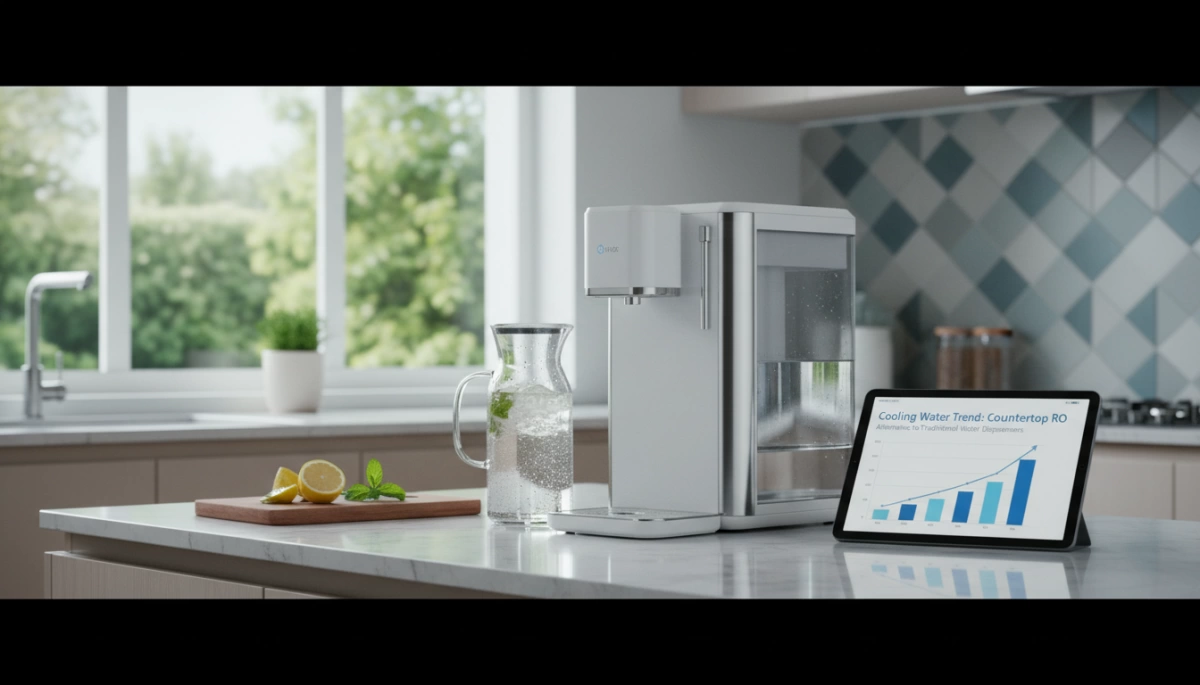
The Shift: From Heavy Jugs to Smart POU Systems
Why modern spaces are ditching the 5-gallon jug
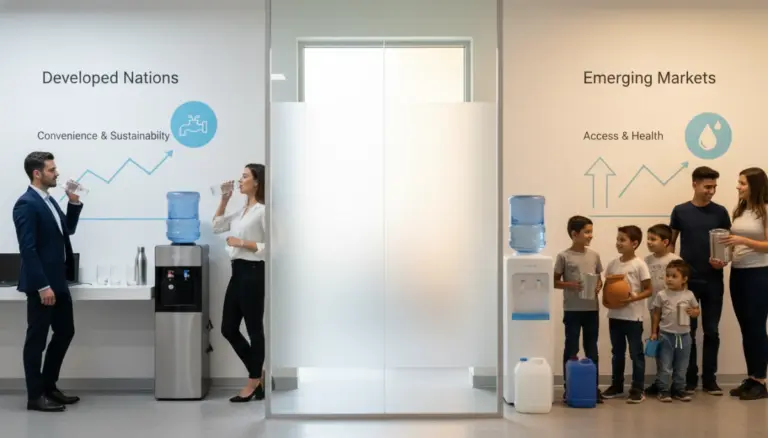
We have all been there—struggling to flip a 40-pound bottle onto a dusty dispenser without flooding the breakroom or kitchen floor. It is a workout nobody asked for. Modern homes and offices are rapidly moving away from these bulky floor units. The cooling water trend is shifting because relying on water delivery schedules, storing massive plastic bottles, and worrying about the hygiene of an open reservoir is simply outdated. Consumers are tired of the logistics and the back strain; they want hydration that fits seamlessly into a modern lifestyle.
Understanding Point-of-Use (POU) technology trends
The industry is pivoting aggressively toward Point-of-Use (POU) water systems. Instead of trucking in pre-bottled water that may have been sitting in plastic for months, POU technology purifies your existing tap water instantly at the source. This shift represents a move toward autonomy and purity. By integrating advanced filtration directly into the appliance, we eliminate the “middleman” of delivery trucks. The market data is clear: the POU dispenser replacement trend is driven by a desire for fresher water that hasn’t been compromised by storage or transport.
The demand for purified chilled water without plumbing
The biggest hurdle for traditional POU systems was always the plumbing. Drilling into granite countertops or routing complex lines under the sink isn’t an option for renters or small offices. That is where the countertop RO cooling module trend takes over.
We engineered our DripLife systems to be a zero-installation RO purifier solution. This meets the surging demand for a bottleless water cooler alternative that works anywhere there is a power outlet. You get the premium experience of an instant chilled water dispenser—delivering crisp, 5°C water—without calling a plumber or modifying your infrastructure. It is the ultimate plug-and-play upgrade for those who refuse to compromise on water quality or convenience.
Cooling Technology: Compressor vs. Thermoelectric
When analyzing the cooling water trend, the engineering challenge has always been fitting powerful thermal control into a compact footprint. The industry standard has shifted, and understanding the mechanics behind compressor vs. thermoelectric cooling is key to choosing the right appliance. Traditional floor-standing dispensers rely on heavy, noisy compressors that vibrate and consume significant floor space. In contrast, modern countertop units utilize advanced cooling modules designed for efficiency and silence.
How Compact Units Achieve 45°F (7°C)
Getting water down to a crisp 45°F (approx. 7°C) without a massive condenser coil requires innovation. We see a surge in home chilled water appliance trend devices that use high-efficiency semiconductor cooling or miniaturized compressors. These technologies allow us to deliver the same refreshing chill as a large refrigerator dispenser but in a portable, plug-and-play format.
- Thermoelectric (Semiconductor): Quiet, vibration-free, and energy-efficient for moderate cooling needs.
- Compact Compressor: Delivers rapid, icy temperatures (down to 5°C) for high-traffic environments.
On-Demand Cooling vs. Stagnant Reservoirs
The most significant upgrade in the countertop RO cooling module trend is the move away from stagnant tanks. Traditional coolers often keep gallons of water sitting in a chilled reservoir for days, which can become a breeding ground for bacteria if not sanitized. An instant chilled water dispenser takes a different approach: water is purified through the RO system first and then cooled. This ensures that every glass is fresh, rather than water that has been sitting in a plastic tank.
Energy Efficiency in Modern Modules
Old water coolers are notorious energy hogs because they constantly cycle to keep a large volume of water cold, regardless of usage. Modern systems are designed with “smart” energy management. By optimizing the cooling cycle and using better insulation, these units reduce the phantom power load significantly. For those interested in the technical side of these machines, understanding how countertop water filters work highlights the efficiency gains over legacy equipment. This shift not only lowers electricity bills but aligns with the growing demand for sustainable home appliances.
Comparison: Countertop RO vs. Traditional Dispensers
When we look at the cooling water trend, the gap between modern technology and legacy equipment becomes obvious. Traditional water coolers have been a staple in offices and homes for decades, but they come with baggage—literally and figuratively. We are seeing a massive shift toward zero-installation RO purifiers because they solve the fundamental flaws of the old “water cooler” model. It is not just about getting cold water; it is about how that water is purified, stored, and dispensed.
Filtration Accuracy: The 0.0001 Micron Difference
The biggest differentiator is what happens inside the machine. A standard water dispenser is essentially a holding tank for pre-bottled water. You are trusting that the bottling plant maintained strict standards and that the plastic jug hasn’t leached chemicals during transport.
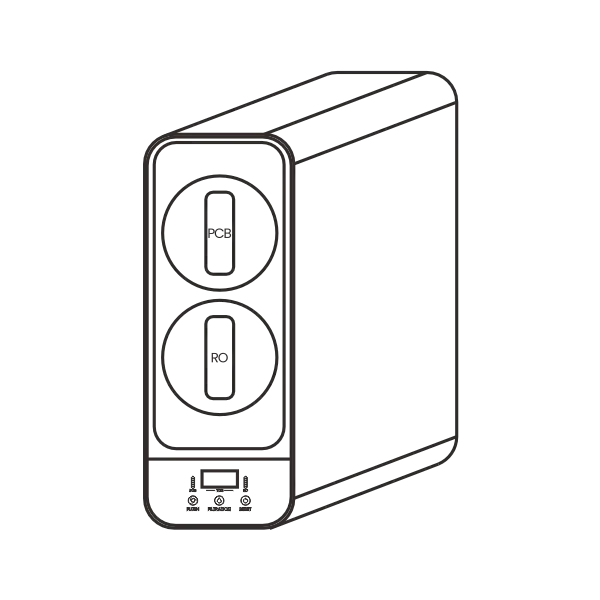
In contrast, our countertop RO systems manufacture purity on demand. We utilize 0.0001-micron filtration accuracy, which is significantly tighter than the standard carbon filters found in some bottleless units. This 4-stage process removes 99.99% of contaminants, including heavy metals and bacteria, right at the moment of dispensing. If you are looking to understand why this level of filtration matters for your daily hydration, exploring the benefits of reverse osmosis water for your home highlights why this technology is superior to relying on pre-filled jugs.
Hygiene Check: Sealed Systems vs. Open Air Intake
Hygiene is often the silent dealbreaker for traditional dispensers. Every time you dispense water from a 5-gallon jug, you hear that “glug-glug” sound. That is ambient room air—containing dust, spores, and bacteria—rushing inside the tank to displace the water. It is an open system that invites contamination.
We engineered our point-of-use (POU) water systems to be sealed. There is no air intake bubbling through your drinking water. Furthermore, we integrate UV-LED sterilization technology as a final safeguard. This ensures that the water remains sterile from the filter to your glass, preventing the biofilm buildup common in the reservoirs of traditional coolers.
Logistics and Aesthetics: A Smart Upgrade
Beyond health, the user experience is night and day. Traditional units require scheduling deliveries, storing bulky bottles, and lifting 40-pound jugs. They also take up valuable floor space and rarely fit the design of a modern kitchen or executive office.
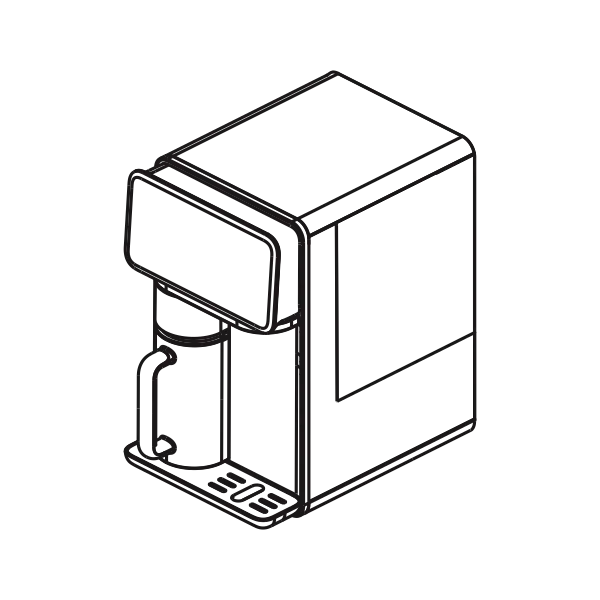
Our approach focuses on a smart home kitchen appliance aesthetic. It sits on the counter, requires zero installation (no plumbing), and uses a removable raw water tank. It looks like a high-end coffee machine rather than industrial office equipment.
Quick Comparison: DripLife RO vs. Traditional Coolers
| Feature | Traditional Water Dispenser | DripLife Countertop RO |
|---|---|---|
| Filtration | None (relies on bottled source) | 0.0001 Micron RO (4-Stage) |
| Hygiene | Open air intake (risk of bacteria) | Sealed system + UV Sterilization |
| Temperature | Slow recovery time | Instant Heating & Cooling (5°C–95°C) |
| Installation | Heavy lifting & delivery contracts | Plug-and-Play (No plumbing) |
| Footprint | Bulky floor unit | Compact countertop design |
Health and Safety: UV-LED and Smart Features
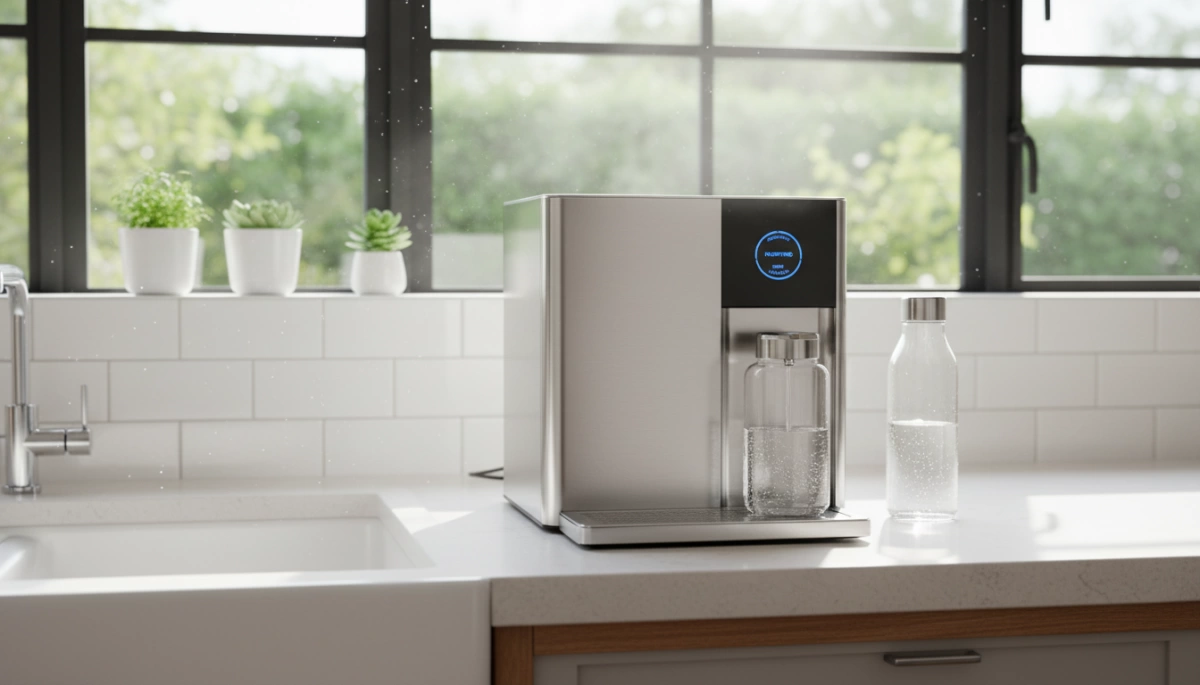
Preventing Secondary Pollution with UV-LED Sterilization
Stagnant water in traditional cooler reservoirs is a breeding ground for bacteria. We address this “secondary pollution” by integrating UV-LED sterilization technology as the final stage of our 4-in-1 filtration process. Unlike older mercury lamps, UV-LEDs are energy-efficient and do not warm up your chilled water. This ensures that even after the RO process, the water remains sterile right up to the moment of dispensing. For a deeper understanding of how this compares to other systems, exploring different types of water purification methods highlights why UV is critical for storage tanks.
The Importance of BPA-Free Water Dispensing
Material safety is just as critical as filtration. Standard plastic dispensers often degrade over time, especially when handling hot water. Our systems utilize BPA-free water dispensing pathways. This ensures that no harmful microplastics or chemicals leach into your purified water, maintaining the integrity of the 0.0001-micron filtration accuracy.
Real-Time Water Quality with Smart TDS Monitoring
Trusting your water shouldn’t be a guessing game. We built a Smart TDS monitoring display directly into the interface. This provides instant feedback on water quality by showing the Total Dissolved Solids (TDS) levels before and after filtration. It also tracks filter lifespan, eliminating the need for manual logs or calendar reminders.
Safety Feature Breakdown:
| Feature | Function | Benefit |
|---|---|---|
| UV-LED Sterilization | Kills 99.9% of bacteria in the tank | Prevents biofilm and secondary contamination |
| Smart TDS Display | Shows real-time purity levels | Verifies the RO membrane is working correctly |
| Child Lock | Secures hot water button | Prevents accidental burns from 95°C water |
| Dry-Burn Protection | Auto-shutoff when tank is empty | Prevents system overheating and damage |
Sustainability and Cost Efficiency
We are seeing a massive shift in how households approach their environmental footprint. Switching to a countertop RO system isn’t just about convenience; it is one of the most effective sustainable hydration solutions available today. By ditching the 5-gallon jugs and cases of single-use bottles, we directly reduce the demand for plastic production and the carbon emissions associated with delivery trucks.
Beyond just reducing waste, there is the critical issue of water purity. Bottled water often sits in plastic for months, potentially leaching chemicals. Our systems ensure microplastic removal and eliminate 99.99% of contaminants right at the point of use. Understanding the key reasons why water filtration is crucial helps consumers realize that this switch protects both the planet and their health.
High Recovery Rate RO System Explained
Traditional under-sink reverse osmosis systems were notorious for wasting water, sometimes sending four gallons down the drain for every one gallon of purified water produced. Modern countertop technology has changed that narrative.
- Optimized Efficiency: Our integrated design recycles water more effectively than older plumbing-dependent units.
- Smart Monitoring: The system alerts you when efficiency drops or filters need changing, ensuring no water is wasted due to clogged membranes.
- No Installation Leaks: Because it is a closed-loop countertop unit, we eliminate the risk of hidden leaks often associated with complex under-sink plumbing.
Calculating Long-Term Savings
While the upfront cost of a countertop water filter for office or home use might seem higher than a $5 case of water, the math quickly favors the RO system. When you calculate the cost per gallon over a year:
- Bottled Water: Average cost ranges from $1.00 to $9.00 per gallon depending on the brand.
- Delivery Services: Rental fees for dispensers plus monthly jug deliveries add up to hundreds of dollars annually.
- Countertop RO: After the initial purchase, the only ongoing cost is the occasional filter replacement. The cost per gallon drops to pennies.
Investing in a zero-installation RO purifier provides a rapid return on investment while delivering superior water quality without the microplastics found in bottled alternatives.
Target Scenarios: Who Needs Countertop RO?
As we analyze the Cooling Water Trend, it becomes clear that the shift toward countertop RO systems isn’t just about technology—it’s about lifestyle compatibility. We designed the DripLife system to bridge the gap between high-end purification and everyday convenience, specifically targeting users who find traditional plumbing or bulky dispensers impractical.
Hydration Solutions for Renters and Apartments
For the millions of people renting apartments or condos in the US, installing a traditional under-sink reverse osmosis system is often a lease violation. Landlords rarely approve drilling holes in granite countertops or modifying plumbing. This is where our zero-installation RO purifier becomes a game-changer. Because it requires no water line connection, it is the ultimate solution for renters who demand high-quality water without risking their security deposit.
The portability factor is huge here. When you move to a new place, you simply unplug the unit and take it with you. We have spent considerable time analyzing the weight and portability of desktop RO systems to ensure they are substantial enough to be durable, yet mobile enough for the modern nomadic lifestyle. It provides the permanence of purified water with the flexibility of a small appliance.
Upgrading the Small Office Breakroom
The days of scheduling water deliveries and storing heavy 5-gallon plastic jugs in a cramped breakroom are fading. Small businesses and startups are increasingly adopting the countertop water filter for office setups to save space and improve aesthetics. A sleek DripLife unit on the counter signals a modern, health-conscious work environment.
- Space Saving: Eliminates the floor footprint of a tower dispenser.
- Hygiene: Removes the risk of handling dirty bottle necks.
- Efficiency: No more running out of water or waiting for a delivery truck.
Families Requiring Precise Temperature Control
Modern families are looking for smart home kitchen appliances that multitask. A standard pitcher filter just sits there; a DripLife system actively manages your water needs. For parents with infants, the ability to dispense water at exactly 45°C for formula is a massive time-saver during late-night feedings. Conversely, for the rest of the family, having an instant chilled water dispenser ready at 5°C encourages better hydration habits without filling the fridge with plastic bottles.
By integrating cooling and heating into one compact device, we offer a versatile hub for the kitchen. You can read more about how these top desktop water dispensers’ features and benefits streamline daily routines, from morning coffee to post-workout cool downs.
FAQ: Switching to Countertop RO Systems
Making the jump from a traditional bottled dispenser to a modern countertop unit brings up a few common questions. We designed our systems to address the specific pain points of American households and offices, ensuring the transition is seamless and the water quality is superior. Here is what you need to know about this cooling water trend.
Is the water as cold as a traditional cooler?
Absolutely. One of the biggest misconceptions is that compact units can’t handle thermal control. Our systems are engineered as a robust instant chilled water dispenser, capable of dropping temperatures down to a crisp 41°F–50°F (5°C–10°C). Whether you need an icy glass of water after a workout or chilled water for mixing drinks, this countertop RO cooling module trend delivers the same refreshing experience as those bulky floor-standing compressors, just in a much smaller footprint.
Do these systems require professional plumbing?
No, and this is a game-changer for renters and small offices. We built this as a zero-installation RO purifier. You do not need to call a plumber, drill holes in your granite, or mess with complex tubing. It is a plug-and-play solution:
- Power Up: Plug it into any standard electrical outlet.
- Fill Up: Pour tap water into the removable raw water tank.
- Drink: The system handles the rest instantly.
How often do filters need to be changed?
Maintenance is far less frequent than standard pitchers, and we removed the guesswork entirely. Our units feature a smart TDS monitoring display and filter life indicators right on the front panel. Instead of marking a calendar, the machine alerts you exactly when the 4-in-1 composite filter needs attention. To truly appreciate why this maintenance matters, it helps to understand the distinction between purified water vs. filtered water, as our RO membranes strip away contaminants that standard filters leave behind.
Does the RO process waste a lot of water?
Traditional under-sink RO systems were notorious for wasting gallons of water for every gallon produced, but technology has evolved. We utilize a high recovery rate RO system that significantly reduces wastewater. By recirculating water and optimizing pressure, we maximize the amount of purified water you get from every fill. It is a sustainable bottleless water cooler alternative that respects both your water bill and the environment.