Every minute, nearly 1 million plastic bottles are sold worldwide—and most of them never get recycled.
If you’re trying to live more sustainably, that number isn’t just shocking…it’s a daily challenge every time you reach for drinking water at home.
More and more households are ditching bottled water and switching to sustainability driven home water dispensers—especially bottleless water coolers for home that filter tap water directly. Why? Because they cut plastic waste, lower your carbon footprint, and often cost less than buying bottled water long term.
In this guide, you’ll see how rising environmental awareness, plastic reduction policies, and eco-friendly home water dispensers are reshaping the way families drink water at home. You’ll learn what makes a truly sustainable hydration solution, how point-of-use water dispensers stack up against bottled water, and what to look for in a plastic-free, energy-efficient water dispenser that actually fits your lifestyle.
You’ll also discover how manufacturers like Driplife are designing smarter, greener home water filtration systems that make it easier than ever to reduce plastic and drink cleaner water—without compromising on convenience.
The Environmental Imperative for Sustainable Home Hydration
If you’re worried about plastic waste, rising costs, and what’s really in your drinking water, you’re not overreacting. The way we hydrate at home has a direct impact on the planet, our health, and our wallets—and that’s exactly why sustainability driven demand for home water dispensers is exploding.
Plastic pollution from bottled water at home
Single-use bottles add up fast:
- A typical family can easily go through hundreds of plastic bottles a year.
- Even if you recycle, a large share of plastic still ends up in landfills or oceans.
- Thin bottle plastics break down into microplastics that can enter the food chain and our bodies.
Switching to eco-friendly home water dispensers and plastic-free water dispensers instantly cuts the constant stream of bottles entering your home and trash.
Carbon footprint: bottled water vs filtered tap
Bottled water isn’t just a plastic problem—it’s a carbon problem:
- Bottles must be manufactured, filled, packaged, and shipped, often over long distances.
- That process gives bottled water a much higher carbon footprint than filtered tap water.
- Point-of-use water dispensers and home water filtration systems use local tap water, so there’s no truck delivery, no warehouse storage, and far less energy overall.
Choosing a low carbon footprint water solution at home is one of the simplest climate-conscious water choices you can make.
How home water dispensers cut waste and packaging
Modern bottleless water coolers for home are designed to eliminate disposable packaging:
- No more plastic jugs, shrink wrap, or cardboard boxes.
- Sustainable drinking water systems connect directly to your tap and filter on demand.
- You pair the system with reusable water bottles and glasses, turning your kitchen into a zero-waste hydration station.
This is how sustainable home hydration solutions move you away from a throwaway model and into a refill-and-reuse lifestyle.
Home hydration as part of a low-waste lifestyle
If you’re trying to live greener, hydration is low-hanging fruit:
- Swapping bottled water for an eco friendly drinking water at home setup has an immediate impact.
- You cut plastic at the source, shrink your carbon footprint, and simplify your shopping routine.
- An energy-efficient water dispenser becomes a core green lifestyle home upgrade alongside LED lighting, smart thermostats, and efficient appliances.
In short, changing how you drink water at home isn’t a small tweak—it’s a powerful step toward a climate-conscious, low-waste lifestyle.
Key Drivers Behind Sustainability Driven Demand for Home Water Dispensers
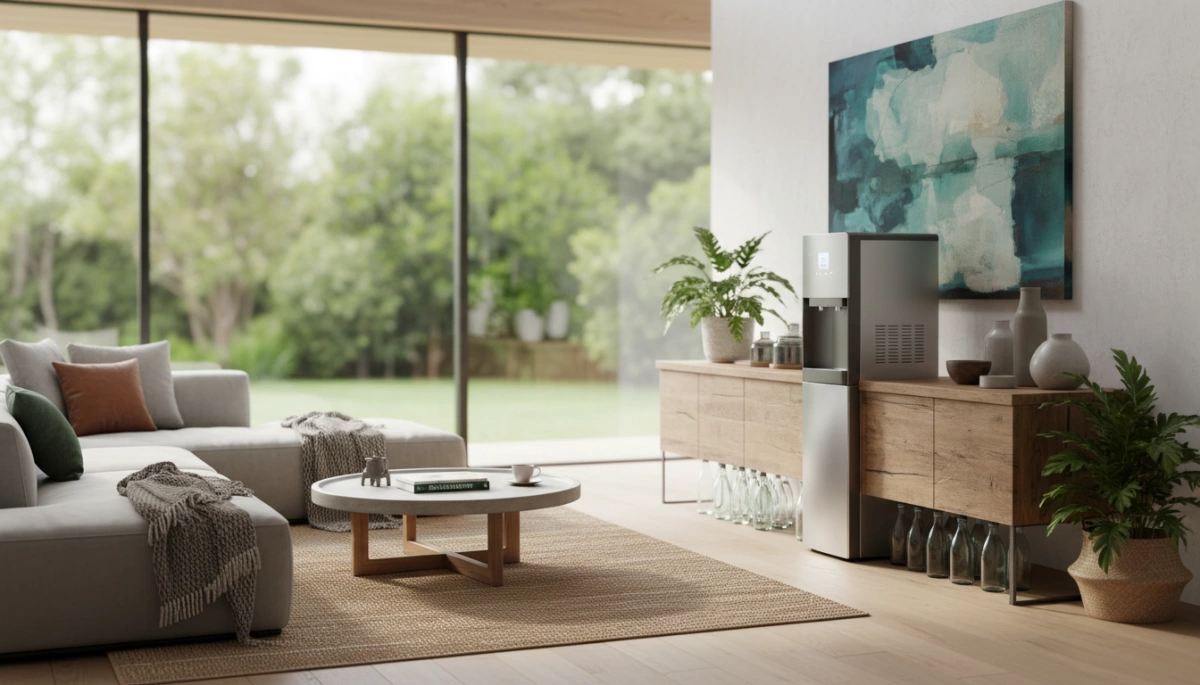
Sustainability driven demand for home water dispensers in the U.S. is exploding because eco-conscious families want cleaner water without the plastic, waste, or ongoing delivery costs. A few core shifts are pushing this change.
Rising eco-awareness and climate-conscious buying
More homeowners are actively looking for eco-friendly home water dispensers and plastic-free water dispensers instead of stacking 24-packs from Costco. People see the direct link between:
- Daily hydration habits and household plastic waste
- Energy used to make, fill, and ship bottled water
- Long-term impact of their appliances on the climate
Choosing bottleless water coolers for home or point-of-use water dispensers has become a simple, visible step toward a green lifestyle home upgrade.
Plastic reduction laws and green regulations
Across the U.S., cities and states are tightening rules on:
- Single-use plastic bottles
- Commercial bottled water use in offices, schools, and events
That mindset is spilling into the home. As plastic reduction policies grow, zero-waste hydration appliances and sustainable home hydration solutions are becoming the “default” choice, not the niche option.
Health concerns: microplastics and contaminants
American consumers are also worried about what’s actually in their water:
- Microplastics leaching from disposable bottles
- Chlorine, lead, PFAS, and other contaminants in tap water
This is driving interest in home water filtration systems, especially multi-stage water filter systems using activated carbon or reverse osmosis home water dispensers. Many buyers now expect BPA-free water dispensers and safe water-path design similar to what’s used in advanced water path material safety engineering for drinking water contact components.
Cost savings vs bottled water and delivery
On top of sustainability and health, the money math is clear. Households switching from:
- Weekly cases of bottled water, or
- Monthly 3–5 gallon jug delivery
to a bottleless point-of-use water dispenser typically see:
- Lower cost per gallon after the first year
- Predictable expenses (mainly filters and basic maintenance)
- No more delivery fees, deposits, or impulse bottled water buys
For U.S. families trying to cut costs while living more sustainably, energy-efficient water dispensers and sustainable drinking water systems are becoming one of the easiest, highest-impact upgrades in the kitchen.
How Home Water Dispensers Evolved Toward Sustainability
Home water dispensers have changed fast, and it’s all being driven by sustainability and smarter home habits.
From Bottled Dispensers to Bottleless Point-of-Use
Traditional coolers that use big plastic jugs create a constant stream of plastic waste and delivery emissions.
Now, bottleless point-of-use water dispensers hook directly to your home’s water line, filter on the spot, and remove the need for:
- Single-use bottles
- Heavy 3–5 gallon jugs
- Delivery trucks and storage space
For most U.S. homes, this is the cleanest path to eco-friendly home water dispensers.
Multi-Stage Filtration and Advanced Purification
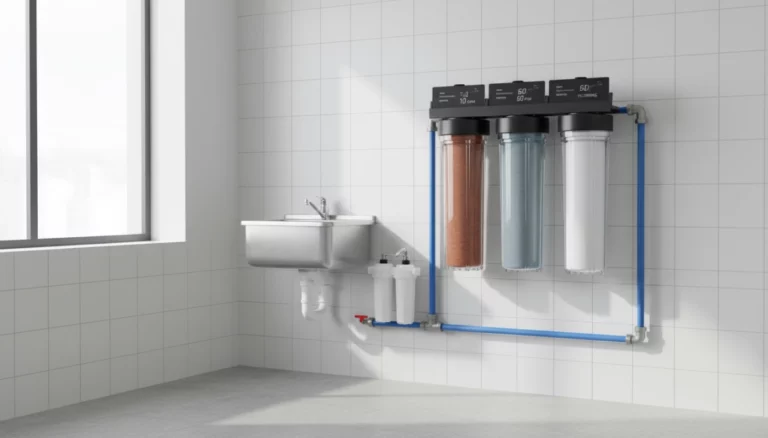
New systems use multi-stage water filter systems to clean tap water more thoroughly than basic pitcher filters:
- Sediment filters for rust and sand
- Activated carbon for chlorine, taste, and odor
- Reverse osmosis (RO) for heavy metals, microplastics, and many chemicals
If you want a deeper dive on RO tech, check out these portable reverse osmosis system benefits and tips from our product line: portable reverse osmosis systems.
Energy-Efficient Cooling and Heating
Modern energy-efficient water dispensers are designed to cut power use without giving up convenience:
- High-efficiency compressors and cooling systems
- Insulated hot tanks and smarter heating cycles
- Energy-saving modes for nights and off-hours
For U.S. households trying to trim both power bills and carbon footprint, this matters.
Recyclable, BPA-Free, Low-Impact Materials
Sustainable home hydration now means:
- BPA-free water dispensers and tanks
- Food-grade plastics and stainless steel parts
- Components designed for easy recycling and long service life
You avoid chemical worries while shrinking your overall environmental impact.
Smart Monitoring and Connected Hydration
New smart home water dispensers make sustainable habits easier to stick with:
- App or panel alerts for filter change reminders
- Usage tracking so you can see how much you’ve cut bottled water
- Diagnostics to keep performance high and waste low
As more U.S. homes move toward green lifestyle home upgrades, connected, climate-friendly water dispenser choices are quickly becoming the norm.
Benefits of Sustainable Home Water Dispensers for Eco-Conscious Homes
Cut Plastic Waste at Home
Switching to eco-friendly home water dispensers is one of the fastest ways to reduce plastic waste at home.
- No more cases of single-use plastic bottles
- Less trash, fewer recycling trips
- Easier to build a plastic-free kitchen routine
Quick comparison (per family, per year):
| Option | Plastic Bottles Used | Plastic Waste Impact |
|---|---|---|
| Bottled water habit | 700–1,500+ bottles | High plastic footprint |
| Bottleless water cooler at home | 0 bottles | Near-zero plastic waste |
Lower Your CO₂ Footprint
Sustainability-driven demand for home water dispensers is also about climate:
- No truck deliveries for cases of water
- No fuel burned hauling bottles from store to home
- Low carbon footprint water solutions when paired with efficient systems
Energy-efficient water dispensers use less power than old-school coolers, especially models with energy-saving modes and well-insulated tanks.
Health and Taste Benefits of Filtered Water
A good home water filtration system gives you clean, fresh-tasting water on tap:
- Filters reduce chlorine taste, odors, and common tap water contaminants
- Less worry about microplastics compared to bottled water
- Better tasting water = your family actually drinks more water
If you prefer under-counter setups, an under-sink water chiller and dispenser with multi-stage filtration can deliver cold, crisp filtered water without cluttering your countertop: under-sink water chiller dispenser.
On-Demand Hot, Cold, and Ambient Water
Bottleless point-of-use water dispensers give you what you need instantly:
- Cold water for gym bottles and kids’ cups
- Hot water for tea, oatmeal, instant coffee
- Room-temp water for cooking and daily sipping
You cut out:
- Waiting for water to chill in the fridge
- Boiling water on the stove or with separate kettles
Long-Term Cost Savings vs Bottled Water
For U.S. households, sustainable home hydration solutions are not just greener—they’re cheaper long term.
Typical cost picture (rough estimates):
| Option | Monthly Cost (Family) | Notes |
|---|---|---|
| Regular bottled water (cases) | \$40–\$100+ | Price spikes with brand & consumption |
| Delivery service 5-gallon jugs | \$30–\$70 | Plus deposits and rental fees |
| Bottleless home water dispenser system | \$10–\$25 (filters + power) | Higher upfront, lower long-term cost |
Over a few years, a sustainable drinking water system usually beats bottled water by hundreds of dollars while cutting plastic and CO₂ at the same time.
What to Look For in an Eco‑Friendly Home Water Dispenser
When I choose eco-friendly home water dispensers for U.S. homes, I focus on a few non‑negotiables: less plastic, lower power use, and simple everyday convenience.
Go Bottleless and Point‑of‑Use
If you really want to reduce plastic waste at home, skip the big jugs.
- Choose bottleless, point‑of‑use water dispensers that hook directly to your cold water line.
- Look for built‑in home water filtration systems so you’re not lifting, storing, or tossing plastic bottles.
- For apartments or small kitchens, countertop point‑of‑use units work well where under‑sink space is tight.
Pick the Right Filtration (Carbon, RO, or Multi‑Stage)
Clean, safe, great‑tasting water is the whole point.
- Activated carbon filters: Best for taste and odor, chlorine, and many chemical contaminants.
- Reverse osmosis home water dispensers: Ideal if you’re worried about heavy metals, PFAS, or higher TDS levels.
- Multi‑stage water filter systems: Combine sediment, carbon, and RO or other stages for broader protection.
If you want a deeper breakdown of RO performance for home use, I’d compare features similar to a countertop RO system with multi‑stage filtration like the setups covered in this countertop RO system features and comparisons guide.
Energy‑Saving and Efficient Cooling
Energy-efficient water dispensers should cut power use without killing performance.
- Look for energy‑saving modes, sleep modes, or scheduling so the chiller/heater powers down when you’re not home.
- Check for efficient compressors and insulated tanks to keep cold and hot water ready with less electricity.
- If you mainly drink room‑temp water, consider a model with optional hot/cold so you’re not cooling what you don’t use.
Safe Materials and Eco Labels
The whole unit should match your green goals, not just the filter.
- Choose BPA‑free water dispensers and food‑grade internal materials.
- Look for tested and certified filters and components (NSF/ANSI, FDA‑grade materials, etc.).
- Eco labels and clear material specs show the manufacturer is serious about low‑impact, plastic‑safe design.
Smart Features That Actually Help
Smart home water dispensers can make sustainable habits easier, not just “techy.”
- Usage tracking: See how much filtered tap water you’re drinking instead of bottled.
- Filter life monitoring & reminders: Stay on top of maintenance so filtration stays effective and efficient.
- Leak detection and auto‑shutoff: Protects your kitchen and avoids wasted water.
Sizing, Installation, and Maintenance
The best sustainable drinking water system is the one you’ll actually use every day.
- Match the dispenser size to your household:
- 1–2 people: compact countertop or slim freestanding
- 3–5 people: higher flow, larger tank capacity
- Decide if you want DIY installation (quick-connect tubing) or professional install.
- Check filter change frequency and cost—ideally quick swaps every 6–12 months with easy access.
- Make sure there’s enough space near a water line, drain (for RO), and outlet where you actually drink water: kitchen, pantry, or home bar.
Dial in these points, and you end up with a low carbon footprint water solution that cuts plastic, saves money, and fits how your home really runs day to day.
Market Trends in Sustainability Driven Home Water Dispenser Demand
Home water dispenser market growth and CAGR
Demand for sustainability driven home water dispensers is climbing fast in the U.S. as more households drop bottled water. The global home water dispenser market is posting solid double‑digit CAGR in many segments, especially bottleless point-of-use water dispensers and home water filtration systems that hook directly to tap lines. In real life, that looks like more families adding a dispenser next to the fridge instead of stocking 24-packs of water every week.
Shift to plastic-free and zero-waste appliances
American consumers are clearly leaning toward plastic-free water dispensers, eco-friendly home water dispensers, and other zero-waste hydration appliances. People want:
- Less plastic packaging coming into the house
- Fewer heavy jugs to store and toss
- Simple sustainable home hydration solutions that pair with reusable bottles
That’s why bottleless water coolers for home and sustainable drinking water systems are winning over traditional jug coolers and cases of bottled water.
Regional differences and regulations
Adoption is strongest in U.S. regions where:
- Tap water quality is decent but taste or trust is an issue
- Local bans or taxes on single-use plastics push people toward green home appliances
- Utility rebates or building codes support energy-efficient water dispensers
On the coasts and in big metro areas, eco conscious home buyers now see sustainable kitchen appliances—including point-of-use water dispensers—as a normal part of a green home upgrade. Growing awareness around tap water safety (helped by education on how a water purifier works and what filtration actually removes) is also speeding up adoption. You can see this trend in more homeowners researching how a water purifier works in home systems before they buy.
Future innovations in sustainable home hydration
The next wave of eco friendly hydration appliances is already taking shape:
- Smart home water dispensers with usage tracking, leak alerts, and filter-life monitoring
- More compact multi-stage water filter systems (carbon, ultrafiltration, and reverse osmosis home water dispensers) with lower wastewater ratios
- Even more energy saving home water coolers with better insulation and sleep modes
- Wider use of BPA-free water dispensers and recycled materials to cut the total carbon footprint of home hydration
Overall, the U.S. trend is clear: climate-conscious shoppers are moving from buying water to filtering tap water at home, cutting plastic, saving money, and choosing low carbon footprint water solutions that fit a modern, green lifestyle.
Driplife’s Sustainable Home Water Dispenser Solutions
China-Based Manufacturer Focused on Sustainability
I run Driplife as a China-based manufacturer and supplier focused on eco-friendly home water dispensers and filtration systems. We design and build sustainable home hydration solutions for families who want clean, great-tasting water without the plastic waste, extra CO2, or high ongoing costs of bottled water.
Bottleless, Point-of-Use Home Dispensers
Our core products are bottleless point-of-use water dispensers for home that connect directly to your tap line. That means:
- No heavy plastic jugs to lift or store
- Plastic-free water dispenser operation day to day
- Built‑in multi-stage home water filtration systems for safer, better-tasting water
We also offer units that work seamlessly with reverse osmosis home water dispensers and ceramic water filters for homes that need stronger purification, similar to the tech we break down in our guide on how efficient ceramic water filters work.
Energy-Efficient, Low-Impact Design
Every Driplife unit is engineered as an energy-efficient water dispenser with:
- High-efficiency compressors and insulation
- Energy-saving modes for nights and low-use hours
- BPA-free tanks and low-impact materials wherever possible
The goal is simple: low carbon footprint water solutions that fit modern green home appliance trends in the U.S.
Custom Options for Different Homes and Lifestyles
U.S. homes aren’t one-size-fits-all, and our systems aren’t either. We customize:
- Countertop vs floor-standing home water coolers vs bottled water setups
- Filter stacks (sediment, carbon, RO, remineralization) based on local water quality
- Smart features like usage tracking and filter reminders
Whether you live in a city apartment or a larger suburban home, we match the sustainable drinking water system to your space, family size, and hydration habits.
Global Shipping, OEM, and Partnerships
We ship globally and work closely with:
- U.S. distributors and dealers looking for green lifestyle home upgrades
- Brands that need OEM or private label eco-friendly hydration appliances
- Builders and designers focused on climate-conscious water choices for new homes
If you’re building a product line around zero-waste hydration appliances or sustainable kitchen appliances, we’re set up to be your manufacturing partner, from design tweaks to full custom builds.
How to Switch to a Sustainable Home Water Dispenser
1. Audit your plastic and dispenser use
Before you buy anything, get clear on your starting point.
- Count how many cases of bottled water you go through in a week/month.
- Include delivery jugs, mini bottles, and any office-style coolers at home.
- Estimate cost: bottles + delivery + time spent buying and hauling.
- Note where bottles pile up: kitchen, garage, cars, kids’ sports, home office.
This quick audit shows how much waste and money a sustainable home water dispenser can actually cut.
2. Compare sustainable home hydration options
Next, match the right eco-friendly home water dispenser to your space and habits.
Look at:
- Bottleless point-of-use water dispensers that hook to your existing cold-water line.
- Filtration levels: basic carbon filters vs multi-stage systems and reverse osmosis home water dispensers. (If you want a simple breakdown, I like using guides similar to a clear “what is an RO water filter and how it works” overview like this one: what is RO water filter.)
- Usage patterns: big family vs couple vs single; heavy coffee/tea drinkers vs mostly cold water.
- Zero-waste priorities: bottleless design, reusable bottles at home, low plastic footprint.
Pick the setup that gives you safe filtered tap water, fits your budget, and actually matches how your family drinks water.
3. Plan installation and placement
A sustainable drinking water system only pays off if it’s easy to use.
- Place the dispenser where your family naturally grabs water: kitchen, pantry, or open-plan living area.
- Make sure there’s:
- A nearby cold-water line
- A standard power outlet
- Enough space for filter access and airflow
- In many U.S. homes, under-sink filtration with a slim countertop dispenser or a freestanding point-of-use water dispenser near the fridge works best.
If you’re not handy, plan on a simple plumber visit—usually a quick install for most home water filtration systems.
4. Set up simple maintenance routines
Eco-friendly home water dispensers are low hassle if you set a routine from day one.
- Follow the maker’s schedule for filter changes (commonly every 6–12 months).
- Choose models with smart home water dispenser features like filter life indicators or mobile reminders.
- Keep a short checklist taped inside a cabinet:
- Next filter change date
- Basic cleaning steps
- Who to call for service
If you use RO, consider units with easy-access filter cartridges and clear guidance; some brands even support color-coded filter replacement systems similar to the strategy discussed in resources like strategic color coding for replacement filters.
5. Track plastic and cost savings over time
To really feel the impact of your climate-conscious water choices, track your wins.
- Note your last month of bottled water spending before you switch.
- Log:
- Number of bottles or jugs avoided each month
- Filter and energy costs
- Total savings vs old bottled water habits
- Use a simple spreadsheet or a notes app; some smart energy-efficient water dispensers will track usage for you.
Within a few months, you’ll see real numbers: less plastic waste at home, lower ongoing costs, and a cleaner, more sustainable home hydration setup.
Sustainability Driven Home Hydration FAQs
Do home water dispensers really reduce plastic waste?
Yes. A bottleless, point-of-use home water dispenser can replace hundreds to thousands of single-use plastic bottles per year for a typical U.S. family.
When you pair a sustainable home hydration system with reusable bottles, you:
- Cut out cases of bottled water and jug deliveries
- Shrink the plastic footprint of your kitchen
- Support a plastic-free, zero-waste hydration habit at home
For eco-conscious homes, this is one of the fastest, most visible ways to reduce plastic waste at home.
Are bottleless water coolers safe and reliable?
Modern bottleless water coolers for home are designed to be both safe and consistent:
- Multi-stage filtration (sediment, activated carbon, sometimes reverse osmosis)
- Food-grade, BPA-free materials in all water contact parts
- Built-in protections like leak detection and overheat safeguards
As long as you buy a certified system (NSF/ANSI, UL, or equivalent) and keep up with filter changes, point-of-use water dispensers are just as reliable as traditional bottled coolers—and much more sustainable.
How much money can I save vs bottled water?
Most U.S. households switching to an eco-friendly home water dispenser see payback within 6–18 months, depending on how much bottled water they used before.
You cut costs on:
- Single-use bottles (cases from Costco, Walmart, etc.)
- 3–5 gallon jug delivery subscriptions
- Gas and time spent buying water
After the upfront purchase and installation, your main ongoing cost is filter replacement, which is usually far cheaper than a steady bottled water habit. Over 5 years, the savings can easily reach hundreds to a few thousand dollars for an average family.
What maintenance does a home dispenser need?
Maintenance is simple and low effort with most sustainable home water dispensers:
- Filter changes: typically every 6–12 months, depending on water quality and usage
- Basic cleaning: wipe exterior and dispense area regularly
- Sanitizing: follow the manufacturer’s schedule (usually once or twice a year)
Some smart systems include filter change reminders and usage tracking, so you don’t have to guess. If you’re curious about how specific filtration media work, you can see the science behind a calcium sulfite chlorine neutralization process in this breakdown of chlorine reduction reactions.
Can I trust the taste and quality of filtered tap water?
Yes—if you use a quality, properly maintained home water filtration system, the taste and safety are often better than bottled for everyday drinking:
- Activated carbon filters reduce chlorine, odors, and off-flavors
- Advanced systems (like under-sink reverse osmosis units) target heavy metals, certain chemicals, and more; you can see an example line-up of under-sink water filters here: under-sink water filter systems for home use
- Consistent filtration means consistent taste, straight from your tap
For most U.S. homes on municipal water, pairing city treatment with a multi-stage home filtration system gives you clean, great-tasting, low-carbon-footprint water on demand.