

















Gemini 3 Pro is no longer available. Please switch to Gemini 3.1 Pro in the latest version of Antigravity.
Key Factors Influencing Carbonation Module Longevity
Maintaining a consistent sparkle isn’t just about the gas; it’s about how the hardware handles the physical stress of daily operation. In our carbonation module durability assessment, we’ve identified four critical variables that dictate whether a system lasts two years or ten.
Pressure Management and Hydraulic Shock
The transition from high-pressure CO2 (often stored at 800+ PSI in the tank) to atmospheric water pressure creates significant mechanical stress. If the module isn’t engineered to handle these rapid shifts, it leads to fatigue in the internal housings. We focus on hydraulic shock prevention by using graduated pressure regulators that smooth out the flow, protecting the integrity of the gas-to-liquid interface.
Water Quality and Mineral Scaling
Mineral buildup is the silent killer of carbonation valves. Calcium and magnesium deposits can seize a solenoid valve or clog the injection nozzle, leading to weak carbonation or total system failure. To mitigate this, we recommend pairing the module with the best under-sink RO system features to ensure the water entering the chamber is free of scale-forming contaminants that cause mineral scaling.
Thermal Stability and Gas Solubility
Temperature fluctuations don’t just affect how “fizzy” the water feels; they impact the physical expansion and contraction of the module components.
- Cold Water: Increases carbonation efficiency but requires the seals to remain flexible at low temperatures.
- Heat Spikes: Can cause gas to expand rapidly, putting extra strain on the burst pressure safety mechanisms.
- Consistency: Stable temperatures prevent the “burping” effect often seen in low-end carbonators.
Frequency of Use and Duty Cycles
A module designed for a quiet kitchen will fail quickly in a high-traffic office. We categorize longevity based on “Duty Cycles” to ensure the hardware matches the environment:
- Residential: Optimized for 5-10 cycles per day; focuses on O-ring integrity over long periods of standby.
- Commercial: Built for 50+ cycles per day; requires heavy-duty solenoid valve cycle ratings to prevent mechanical wear and ensure long-term beverage dispensing reliability.
Professional Carbonation Module Durability Assessment
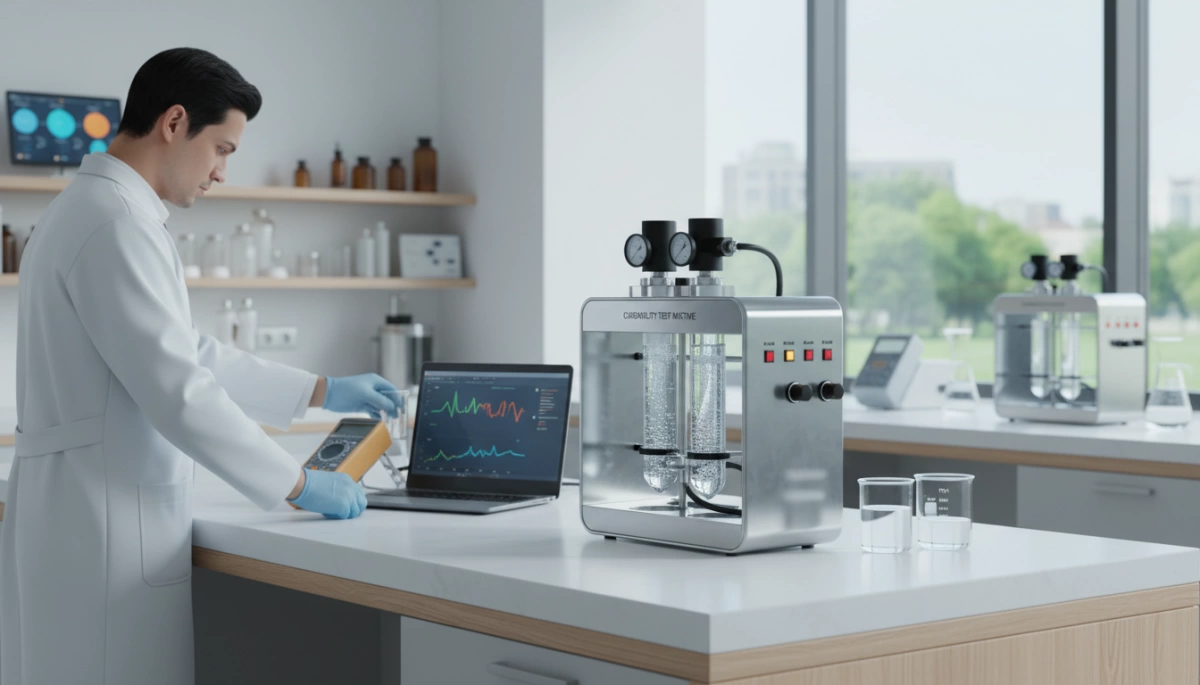
We don’t leave the lifespan of our equipment to chance. To ensure every unit stands up to years of daily use, we put our hardware through a rigorous carbonation module durability assessment. This process identifies potential weak points before a product ever reaches a kitchen or office, focusing on real-world stress and long-term mechanical survival.
Accelerated Life Testing (ALT)
We compress time to see the future of the hardware. By running the system under high-stress conditions—including elevated temperatures and maximum pressure—we simulate 5 to 10 years of residential usage within a 6-month window. This reveals how materials degrade over time, ensuring the gas system reliability remains intact long after the initial installation.
Cycle Endurance and MTBF
The Mean Time Between Failures (MTBF) is our primary benchmark for mechanical success. We track the solenoid valve cycle rating by firing the valve repeatedly until it fails. Our standard requires a minimum of 10,000 to 50,000 cycles without a single leak or valve stick. This rigorous valve endurance design ensures the module can handle the heavy demand of high-traffic commercial spaces or busy households.
Burst Pressure Analysis
Safety is non-negotiable when dealing with pressurized CO2. We perform burst pressure safety tests where we push the carbonation chamber to its absolute breaking point. We require a safety margin that exceeds 300% of the standard operating pressure. This ensures the module remains stable and secure even during unexpected pressure spikes or regulator malfunctions.
Consistency Benchmarking
A durable module must also be a consistent one. We measure CO2 saturation levels (g/L) at the start of testing and again after 10,000 cycles. If the carbonation consistency over time drops, we refine the gas-to-liquid interface. Maintaining high performance is just as critical as understanding why water filter important for protecting these delicate internal valves from mineral buildup.
- ALT Testing: 6 months of lab testing equals 10 years of real-world use.
- Safety Margin: Components are rated for 3x the normal operating pressure.
- Performance Stability: Zero measurable degradation in CO2 volumes over 10k cycles.
- System Synergy: High-grade tankless RO systems are often paired with these modules to provide the purified water necessary for peak carbonation efficiency.
Identifying and Preventing Common Failure Points
In our experience, a rigorous carbonation module durability assessment always highlights three primary areas where systems tend to struggle over time. By identifying these failure points early, we’ve engineered solutions that ensure long-term beverage dispensing reliability.
Gas Leaks and Micro-Fissures
The most common issue in aging systems is the development of micro-fissures in connectors and hoses. Constant pressure fluctuations can cause lower-quality plastics to become brittle.
- Detection: We utilize advanced gas leak detection protocols during the assembly phase to ensure every seal is airtight.
- Prevention: Switching to reinforced, food-grade tubing and high-tensile connectors prevents the slow CO2 bleed that often plagues residential units.
Valve Sticking: Debris and Biofilm
Solenoid valves are precision instruments. If debris or biofilm enters the line, the valve can stick in the open or closed position, rendering the system useless.
- The Cause: Poor water quality is the leading contributor to valve failure.
- The Solution: Integrating high-quality components from a reliable water filter supplier ensures that sediment never reaches the sensitive internal mechanics of the carbonation module.
Inconsistent Carbonation and Backflow
If your sparkling water starts tasting flat, the check valve is likely the culprit. This small component prevents water from flowing back into the gas regulator.
- Backflow Issues: When water enters the gas line, it causes corrosion and pressure instability.
- Engineering Fix: We use dual-stage check valves to provide a redundant layer of protection, maintaining a consistent gas-to-liquid interface regardless of how many cycles the machine has performed.
| Failure Point | Primary Cause | Engineering Solution |
|---|---|---|
| Gas Leaks | Material fatigue/brittleness | Reinforced polymer hoses |
| Valve Sticking | Mineral scaling/Biofilm | Integrated pre-filtration |
| Inconsistent Fizz | Check valve failure | Dual-stage backflow prevention |
| Pressure Loss | O-ring degradation | EPDM high-resiliency seals |
Maintenance Protocols for Long-Term Carbonation Module Durability
Maintaining a high-end carbonation module isn’t just about fixing things when they break; it’s about preventing the wear that leads to premature failure. To ensure your system hits the 10-year mark, we focus on three non-negotiable maintenance pillars that protect the internal components from the stresses of daily use.
The Critical Role of Integrated Filtration
The biggest threat to gas system reliability is sediment and mineral buildup. Hard water causes significant issues within the solenoid valves and the carbonation chamber, leading to clogs or poor seals. We always recommend pairing your unit with an under-sink RO system to strip out the dissolved solids that lead to “sticky” valves and scale. If you notice a drop in carbonation efficiency or a change in water flow, these are often the first signs you need a water filter to protect your equipment.
Routine Inspection of Pressure Relief Valves
Safety and consistency are core parts of our carbonation module durability assessment. The pressure relief valve (PRV) is your system’s fail-safe, and it must remain functional to prevent over-pressurization.
- Monthly Check: Ensure there is no salt or mineral crusting around the valve opening.
- Manual Trigger: Briefly trigger the valve once every six months to ensure the internal spring hasn’t seized.
- Seal Integrity: Look for moisture or “hissing,” which indicates the PRV is no longer seating correctly, compromising beverage dispensing reliability.
Environmental and Temperature Control
Carbonation is a thermal process. If your module is tucked in a cabinet without proper airflow, heat builds up, reducing CO2 solubility and forcing the system to cycle more frequently.
- Ventilation: Maintain at least 2 to 3 inches of clearance around the module cooling fans to prevent the motor from overheating.
- Ambient Temp: Keep the installation area between 50°F and 80°F. Excessive heat increases the internal pressure of the gas lines, which accelerates O-ring degradation and impacts the water carbonation unit (WCU) efficiency.
| Maintenance Task | Frequency | Impact on Longevity |
|---|---|---|
| Filter Replacement | Every 6-12 Months | Prevents mineral scaling mitigation issues |
| PRV Inspection | Semi-Annually | Ensures burst pressure safety margins |
| Ventilation Clearing | Quarterly | Protects electronics and solenoid cycle ratings |
| Leak Detection Spray | Annually | Identifies micro-fissures before they cause failure |
The Driplife Standard: Engineering for the Next Decade
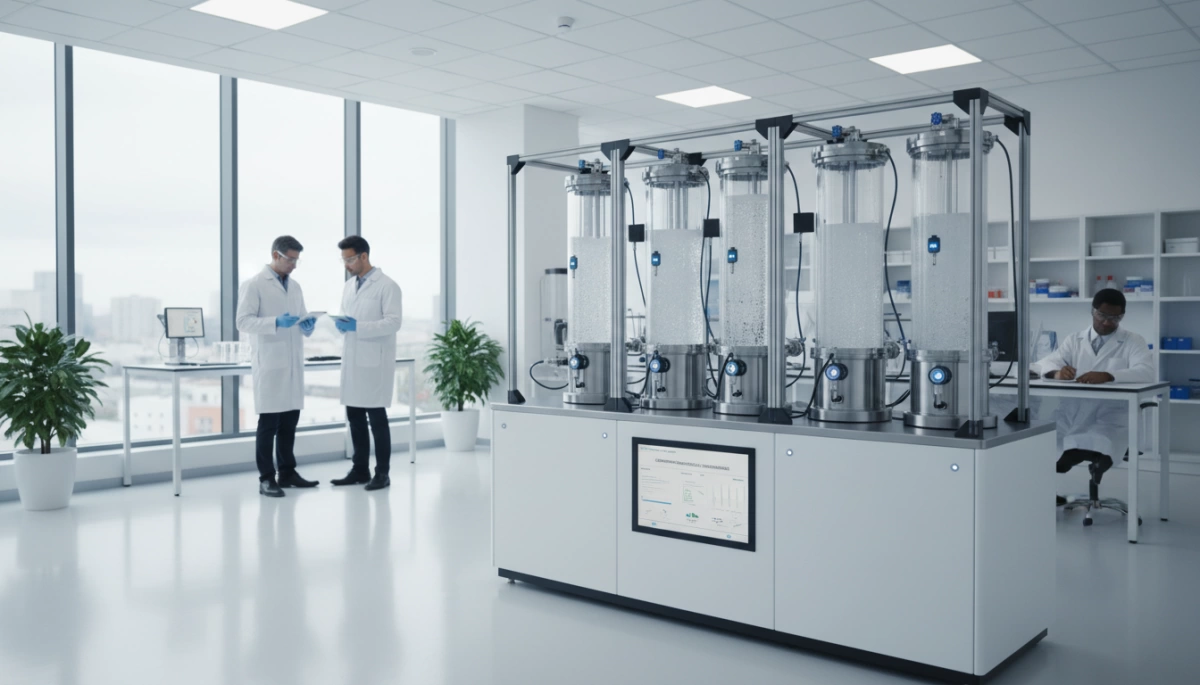
We don’t build products to be replaced in two years; we engineer them to lead the market for a decade. Our Carbonation Module Durability Assessment isn’t just a checklist—it’s the foundation of our manufacturing philosophy. By focusing on high-grade materials and rigorous testing, we ensure that every unit delivers premium performance from the first pour to the ten-thousandth.
Proprietary Valve Endurance Design
The weakest link in most carbonation systems is the valve. We’ve solved this by developing a proprietary valve endurance design that handles the constant stress of high-pressure CO2 without degrading.
- Precision Engineering: Our valves are built to withstand millions of micro-actuations.
- Wear Resistance: We use specialized coatings to prevent the friction-related failures common in off-the-shelf components.
- Reliability: This design ensures your water carbonation unit (WCU) remains leak-free and responsive for years.
Achieving Industry-Leading Carbonation Consistency
Consistency is the hallmark of a professional system. We’ve optimized the gas-to-liquid interface to ensure that CO2 saturation levels remain stable regardless of how often the machine is used. Whether it’s the first drink of the morning or the last one at a busy dinner party, the bubble profile stays sharp and crisp. If you ever need help optimizing your setup for peak performance, our technical support team provides the expertise needed to keep your system running at factory specs.
Sustainability Through Durability
We believe the most sustainable product is the one you don’t have to throw away. By prioritizing carbonation reliability and long-term gas system reliability, we significantly reduce electronic waste.
- Reduced E-Waste: Long-lasting components mean fewer replacements and a smaller environmental footprint.
- Modular Design: Our systems are easy to service, ensuring that a single worn part doesn’t mean the end of the entire module.
- Efficiency: High-quality seals and regulators prevent gas waste, making the system more economical and eco-friendly over its entire co2 system lifecycle.
FAQs: Carbonation Module Durability Assessment
How long does a standard carbonation module last?
In our experience, a typical residential carbonation module has a lifespan of 5 to 8 years. However, when we perform a professional carbonation module durability assessment on premium units, we often see them lasting well over 10 years. The actual longevity depends heavily on the quality of the solenoid valves and the frequency of the “duty cycles” in your specific environment.
Can hard water damage my carbonation system?
Absolutely. Hard water is the primary cause of mineral scaling, which can clog the gas-to-liquid interface and seize up internal valves. To protect your investment and maintain carbonation efficiency, we recommend partnering with reputable water purifier companies to ensure your feed water is properly filtered and softened before it ever reaches the carbonation chamber.
What are the signs of a failing solenoid valve?
A failing valve usually presents a few clear red flags that indicate the end of its cycle rating:
- Inconsistent CO2 saturation levels: You notice the water is “flat” despite a full gas tank.
- Audible gas leaks: A constant “hissing” sound coming from the internal module.
- Mechanical clicking: The solenoid triggers, but no gas is actually released into the water.
- Water backflow: Water entering the gas lines, which suggests the integrated check valve has failed.
Is stainless steel better than plastic for carbonation chambers?
For high-pressure environments, 304 or 316 food-grade stainless steel is the only choice for long-term reliability. Unlike plastic, which can become brittle or develop micro-fissures over time, stainless steel offers superior burst pressure safety and maintains its structural integrity over tens of thousands of carbonation cycles. It is the foundation of any high-end gas system reliability strategy.