













Are you tired of hard water leaving your hair dull and your skin itchy after every shower? Choosing the right shower filter for hard water can transform your daily routine and protect your plumbing.
As a homeowner, I’ve seen firsthand how hard water wreaks havoc—limescale buildup, dry skin, and lackluster hair are no joke. That’s why I’m sharing insider tips based on real experience to help you find the perfect filtered showerhead or shower filter.
In this guide, you’ll discover how Driplife shower filters tackle hard water issues, why they’re a game-changer for your hair and skin, and how to pick the best one for your home in 2025.
Let’s dive in and make your showers feel like a spa day!
What Is Hard Water and Why Does It Matter
Have you ever noticed your hair feeling dry or your skin itchy after a shower? Hard water might be the culprit. Hard water is water that contains high levels of minerals like calcium and magnesium. It’s common in many parts of the United States, especially in areas with limestone or chalky soil.
These minerals can build up on your hair and skin, leaving behind a residue that makes hair feel rough and skin irritated. Hard water can also cause dryness and worsen conditions like eczema. Beyond personal care, hard water affects your plumbing by causing limescale buildup inside pipes and showerheads. This buildup can reduce water pressure and shorten the lifespan of your fixtures.
To know if hard water is an issue where you live, you can check local water hardness databases or contact your water provider. Understanding your water quality is the first step toward choosing the right hard water shower filter that protects your hair, skin, and home plumbing.
How Do Shower Filters for Hard Water Work
Shower filters for hard water use special materials to reduce minerals and chemicals that cause damage. Common filtration tech includes KDF-55, which helps remove chlorine and heavy metals, calcium sulfite that tackles hard water minerals even at high temperatures, and activated carbon to filter out chlorine and odors. Together, these work to improve your shower water quality.
Keep in mind, shower filters don’t soften water like whole-house water softeners do. They mainly reduce chlorine and some minerals but won’t eliminate all hardness or prevent scale buildup in your pipes.
The benefits of using a hard water shower filter are clear: you’ll notice softer skin, less dryness or irritation, and hair that feels smoother and less brittle. This is because the filter cuts down on harsh minerals and chemicals that strip natural oils.
Driplife’s shower filters take it a step further with advanced multi-stage filtration. This means they combine several filter types to tackle chlorine, hard water minerals, and even add vitamin C options to neutralize chlorine fully. It’s a smart choice for anyone dealing with hard water issues and wanting healthier hair and skin.
Key Features to Look for in a Hard Water Shower Filter
When choosing a hard water shower filter, there are a few important features to keep in mind to get the best results for your hair and skin.
Filter media types
Look for filters that use effective media like KDF-55, calcium sulfite, or activated carbon. These materials help reduce chlorine, minerals, and other impurities that cause hard water hair damage and skin irritation.
Easy installation
A good hard water shower filter should be simple to install without any plumbing work. Most screw-on filters fit standard showerheads, making setup quick and hassle-free.
Filter lifespan and replacement
Check how long the filter lasts before needing a replacement. Most filters work well for 6 months to a year, depending on your water quality. Easy-to-replace cartridges save time and keep your filtered showerhead working efficiently.
Certifications
Choose filters with certifications like NSF/ANSI 177. This ensures the filter meets safety and performance standards for chlorine removal and water quality.
Design and local water needs
Consider the filter’s size and look to match your bathroom style. Also, think about your local water hardness level—some filters perform better in areas with very hard water.
By focusing on these features, you’ll find a hard water shower filter that improves your shower experience without any fuss.
Why Choose Driplife Shower Filters for Hard Water
Driplife shower filters stand out because of their advanced multi-stage filtration system. They combine KDF-55, calcium sulfite, and activated carbon to tackle hard water minerals, chlorine, and other impurities effectively. This design not only improves water quality but also helps protect your hair and skin from dryness and irritation caused by hard water.
What makes Driplife unique is the option to add vitamin C to the filtration process. This helps neutralize chlorine and leaves your skin feeling softer and your hair shinier. Plus, Driplife filters are built to handle high water pressure without losing performance, making them perfect for most homes in the U.S.
Eco-conscious buyers will appreciate that Driplife uses durable, long-lasting filters, reducing waste and saving money over time. Many customers report noticeable improvements in hair texture and skin softness after switching to Driplife, highlighting its effectiveness against hard water damage.
Compared to competitors like Jolie and Berkey, Driplife offers a better balance of affordability, filtration power, and ease of installation. While Jolie focuses mainly on chlorine removal and Berkey on whole-house systems, Driplife targets hard water issues specifically for showers, making it a smart choice for those dealing with hard water hair damage and skin irritation.
How to Install and Maintain Your Driplife Shower Filter
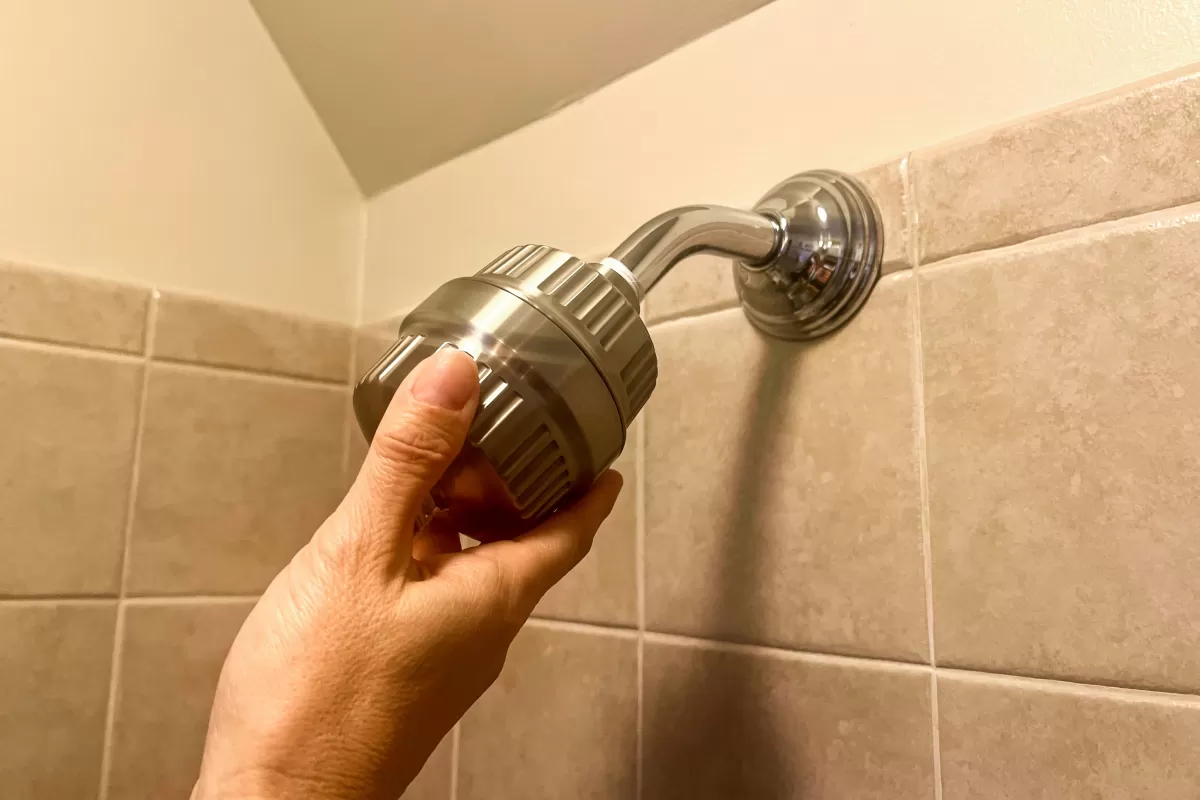
Installing your Driplife shower filter is simple and doesn’t require any plumbing skills. Here’s how to get started:
- Step 1: Unscrew your existing showerhead.
- Step 2: Screw the Driplife filter directly onto the shower arm.
- Step 3: Attach your showerhead to the other end of the filter.
- Step 4: Tighten both connections by hand—no tools needed.
For maintenance, replace the filter cartridge every 6 months or sooner if you notice reduced water flow. Cleaning the exterior with a damp cloth keeps it looking fresh but avoid harsh chemicals.
If you experience pressure drops, check for clogged filters or buildup. Replacing the cartridge usually fixes this.
Driplife also offers a convenient subscription service, so you can get replacement filters delivered on time without hassle. This keeps your hard water shower filter working at its best year-round.
Comparing Driplife to Other Solutions
When it comes to dealing with hard water in your shower, you have two main options: shower filters like Driplife or whole-house water softeners. Shower filters are a much more cost-effective choice if you’re focused on improving your shower water without a big upfront investment. Water softeners treat all the water in your home but can be expensive to install and maintain.
Driplife stands out because it offers great performance at an affordable price. Its multi-stage filtration reduces minerals and chlorine effectively, improving hair and skin health without sacrificing water pressure. Compared to competitors like Jolie or Berkey, Driplife combines solid filtration with easy installation and a sleek design.
Here’s a quick cost-benefit look:
- Shower filters (Driplife): Lower upfront cost, easy to install, focused on shower water, filter replacements every few months, improves hair and skin.
- Whole-house softeners: Higher upfront and maintenance costs, treats all water, requires plumbing changes, better for large-scale limescale issues.
For most people in the U.S. dealing with hard water shower problems, Driplife offers a smart balance of affordability, performance, and convenience without the hassle of a whole-house system.
FAQs About Hard Water Shower Filters
Do shower filters soften water
Shower filters don’t actually soften water like a whole-house water softener. Instead, they reduce minerals like chlorine, calcium, and magnesium that cause hard water problems. This means less buildup on your skin and hair but not a full softening.
How often should I replace the filter
Most hard water shower filters, including Driplife, need a replacement every 6 months or about 10,000 gallons. Check your specific model’s instructions since usage and water hardness can affect filter life.
Will a shower filter reduce water pressure
Good quality shower filters are designed to maintain water pressure. Driplife filters, for example, use advanced filtration media that won’t slow down your shower flow. If you notice a big drop, it might be time to replace the filter or check for clogs.
Are shower filters worth it
Yes, especially if you have hard water. A shower filter helps improve hair texture, reduces skin irritation, and cuts down on mineral buildup in your plumbing. It’s a cost-effective way to get cleaner, healthier water just in your shower.
Will a hard water shower filter work with my showerhead
Most shower filters, including Driplife’s, are designed to fit standard US showerheads without extra tools or plumbing. If you have a non-standard setup, it’s worth double-checking the compatibility before buying.