













Why Splash-Free Fast Refills Matter
In high-traffic spaces, a high-flow hydraulic design for fast bottle refill without splashing is not a nice-to-have; it’s a requirement. When I design a fast bottle refill station, I start with the user’s reality, not just the spec sheet.
Real Pain Points With Slow, Messy Refills
Users and facility teams feel the impact of poor bottle filling station design every day:
- Long wait times at a public drinking water dispenser create lines in schools, gyms, and airports.
- Narrow, turbulent streams miss the bottle opening and create spray on counters and floors.
- Traditional bubblers or low-flow taps force users to “babysit” the bottle and reposition it to avoid splashing.
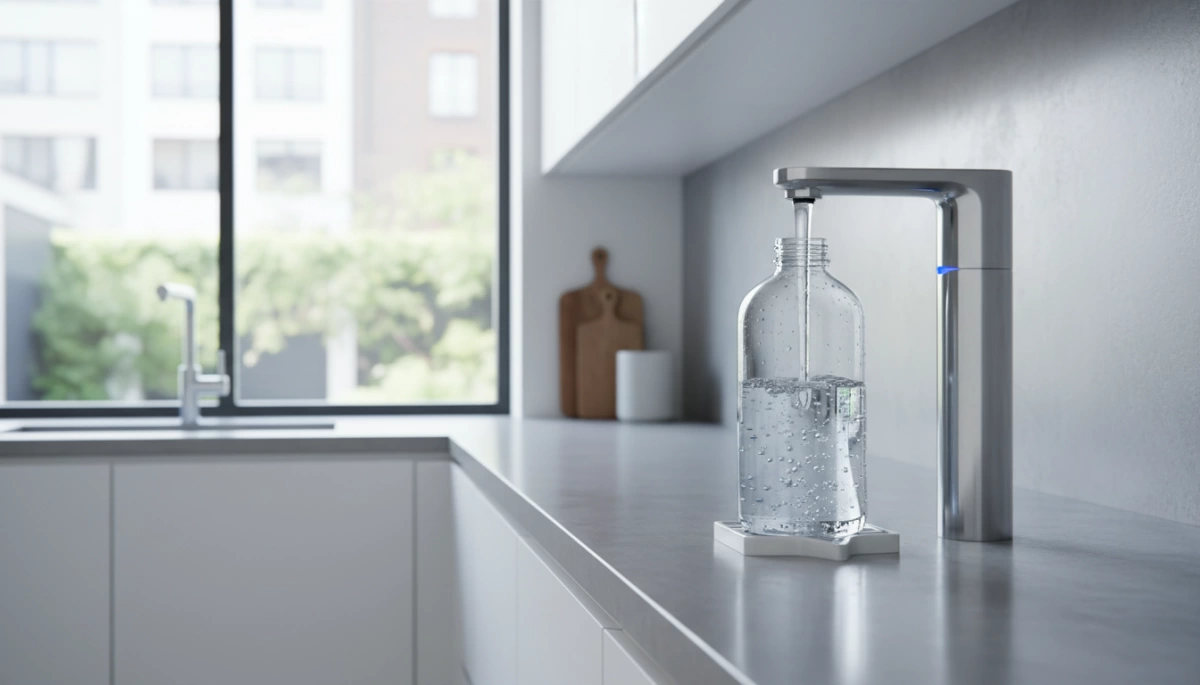
A well-engineered laminar flow bottle filler with a high-flow water nozzle solves this by delivering a controlled, centered stream that fills quickly and cleanly.
Hygiene, Cleanliness, and Slip Risk
Slow, splashy stations turn into hygiene problems:
- Puddles around the public bottle hydration engineering zone collect dirt, biofilm, and cleaning chemicals.
- Wet floors increase slip-and-fall risk and liability for operators.
- Users associate visible mess with poor water quality, even when the filtered drinking water solution is technically sound.
By using an anti-splash hydration spout and coherent water stream nozzle, I keep the stream tight, reduce droplets, and keep the deck and floor dry.
Why Users Expect 10–15 Second Refills
Most people now carry 16–32 oz reusable bottles. They expect:
- A full refill in under 10–15 seconds from a high-flow refill GPM range of about 1.0–1.5 GPM.
- Minimal need to reposition the bottle under the minimal splash bottle spout.
- A quick, predictable experience at any commercial bottle filling station.
If a station feels slow, users abandon it or move to single-use bottles. A quick fill bottle filler with proper hydraulic flow control refill keeps refill times competitive with single-use options.
Supporting Reusable Bottle Culture
Splash-free, fast refills directly support a sustainable reusable bottle culture:
- When a clean stream bottle filling experience is reliable, people refill more often and stop buying disposable bottles.
- A filtered high-flow dispenser reassures users they’re getting both speed and water quality.
- Consistent, splash-free performance signals that the facility takes hydration and sustainability seriously.
Accessibility and Public Space Requirements
In US public spaces, accessibility and safety are non-negotiable:
- ADA-compliant bottle filler layouts require easy reach, clear approach, and no standing in puddles.
- In schools, gyms, offices, and transit hubs, a touchless hydration station with touchless bottle filler flow reduces contact surfaces and cross-contamination.
- At high-traffic hydration stations, stable, laminar fill stream control makes it easier for children, seniors, and users with limited mobility to align their bottle without fine motor adjustments.
My goal with each high-flow hydraulic system is simple: fast, consistent, splash-free bottle filling that protects users, reduces maintenance, and keeps public hydration areas clean and accessible.
Core Hydraulic Principles Behind High-Flow Hydraulic Design for Fast Bottle Refill Without Splashing
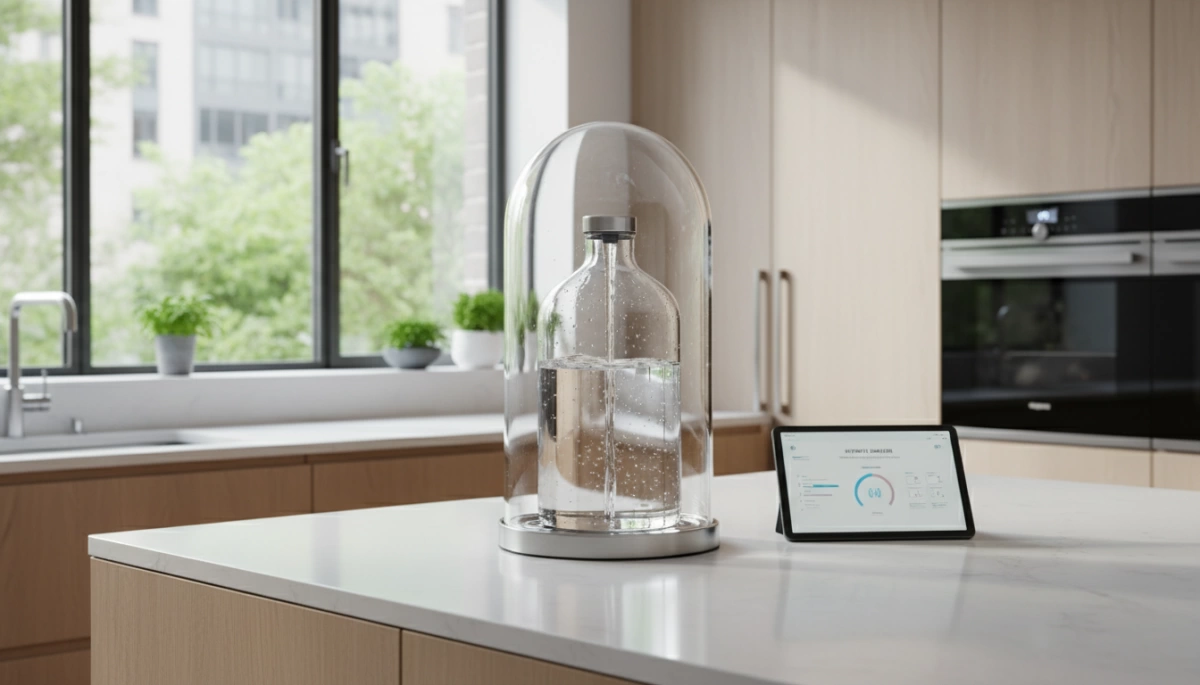
When I design a high-flow hydraulic system for fast bottle refill, I focus first on flow behavior. A laminar flow bottle filler sends out a smooth, solid-looking stream that slips straight into the bottle with almost no side spray. Turbulent flow does the opposite—it breaks the stream into rough, chaotic water that instantly splashes off the neck and walls of the bottle. The difference often comes down to the internal channel design, surface finish, and nozzle geometry that guide the water before it exits.
Flow rate, measured in gallons per minute (GPM), is the next big lever. Most users in U.S. gyms, schools, and offices expect a full refill in under 10–15 seconds, which typically means targeting a high-flow refill GPM in the 1.0–1.5 GPM range. If the flow is too low, people give up or crowd the station. If it’s too high and poorly controlled, the user experience turns into a wet, messy interaction that feels careless and cheap, no matter how good the filtration is. That’s why I pair hydraulic flow control with a clean stream bottle filling design instead of just cranking up pressure.
Splashing usually comes from three things: excessive velocity, the wrong impact angle, and how the stream hits the bottle neck. A vertical stream aimed straight down into the bottle center, with a coherent water stream nozzle, cuts splash way down compared to a diagonal jet that crashes into the rim. I keep velocity high enough for fast refill, but not so aggressive that it bounces off the bottom and shoots back out. Good hydraulic design means using pressure regulation and nozzle geometry to shape the laminar stream so it enters smoothly, slows slightly on impact, and stays inside the bottle.
The sweet spot is balancing that 1.0–1.5 GPM high-flow hydraulic system with tight laminar flow stream control. I use internal flow straighteners, smooth bore passages, and an anti-splash hydration spout shape that keeps the stream stable from nozzle to bottle. From there, it’s easy to integrate with a filtered drinking water solution—similar to how we build our own filtered high-flow dispensers—without choking the flow. Done right, you get a fast bottle refill station that feels premium, stays clean, and keeps floors dry while still moving water at a serious rate.
Nozzle Geometry for Splash-Free High-Flow Bottle Refill
When I design a high-flow hydraulic system for fast bottle refill without splashing, I start with nozzle geometry. The shape and internals of the high-flow water nozzle decide whether you get a clean laminar stream or a messy spray.
Laminar flow bottle filler nozzle basics
A true laminar flow bottle filler uses:
- A straight, gradual flow path with no sharp turns that create turbulence
- Flow straighteners and screens to line up the water molecules into a coherent water column
- A carefully sized outlet orifice that matches your target high-flow refill GPM (usually 1.0–1.5 GPM)
Dial this in right, and you get splash-free bottle filling that looks like a clear glass rod and hits the bottle opening with zero drama.
Smooth internal channels and precision orifices
Inside the nozzle, I keep everything as smooth and predictable as possible:
- Polished internal channels reduce friction and random eddies
- Precision-machined orifices keep velocity and direction consistent
- Rounded transitions avoid “hot spots” of turbulence that cause spray
This is the core of good bottle filling station design: control the water long before it reaches the bottle.
Stream shaping and air entrainment control
At the spout, the job shifts from “move water” to “shape water”:
- A laminar stream nozzle focuses the column so it stays tight and stable
- Proper outlet edges prevent air entrainment, which breaks the stream into droplets
- Slight angle control lets you aim right into typical bottle necks without hitting the rim
The goal is clean stream bottle filling that feels fast but never looks aggressive.
Standard bubblers vs laminar stream nozzles
Standard drinking fountain bubblers are built for sipping, not quick fill bottle filler performance:
- Bubblers use aerated, turbulent flow that will splash badly at high flow rates
- Laminar stream nozzles stay coherent at higher velocities, ideal for a fast bottle refill station
- A commercial bottle filling station should always separate the drinking bubbler from the high-flow bottle filler
If I’m pairing with a filtered drinking water solution like a countertop water cooler dispenser, I tune the nozzle geometry around that system’s pressure and filtration losses.
Material choices for anti-splash bottle spouts
For a minimal splash bottle spout in high-traffic hydration stations, I stick to:
- Lead-free brass or stainless steel bodies for durability and hygiene
- High-grade polymers or elastomers on impact surfaces to soften bottle bumps
- Corrosion-resistant finishes that protect the coherent water stream nozzle shape over time
The right materials keep your anti-splash hydration spout performing like new, even in gyms, schools, and busy offices where bottles slam into the nozzle all day.
Engineering High-Flow Systems Without Losing Control
When I design high-flow hydraulic systems for fast bottle refill without splashing, control matters as much as speed. The goal is simple: deliver a strong, clean stream at the nozzle while the system quietly manages all the chaos behind the wall.
Pressure regulation and flow control
In real buildings, line pressure can swing a lot, so I always start with:
- Pressure-regulated bottle filler valves that hold a steady inlet pressure to the high-flow water nozzle, even when other fixtures open.
- Flow restrictors or hydraulic flow control cartridges at the outlet to lock in a target high-flow refill GPM (usually 1.0–1.5 GPM) so users get predictable, splash-free bottle filling every time.
- Pressure-compensating components that keep the laminar flow bottle filler stream consistent when upstream pressure rises, instead of turning into a harsh, turbulent jet.
This combo gives fast bottle refill station performance without blowing up splash risk.
Smart sensor activation and timing
For touchless hydration station design, I tune sensors specifically around bottle behavior:
- Short sensor lag so the stream starts quickly but doesn’t “hammer” the bottle with an instant full blast.
- A brief ramp-up or soft-start profile where possible, to let water settle into a coherent water stream nozzle before hitting full flow.
- Auto shutoff timing based on typical bottle sizes, with a maximum run time to avoid overflows if someone walks away.
Done right, touchless bottle filler flow feels instant and responsive but stays controlled and safe.
High-flow filtration without choking the stream
In the U.S. market, people expect filtered drinking water solutions that still fill quickly. To keep high-flow hydraulic design performing well:
- I size filters for the real demand of high-traffic hydration stations, with low pressure drop at 1.0–1.5 GPM.
- I place filters upstream of the pressure regulation and laminar flow stream control, so the nozzle still gets stable input pressure.
- For advanced needs like PFAS or heavy metal reduction, I use higher-capacity cartridges and clear maintenance intervals so the system doesn’t slowly starve the stream.
For homes or offices that want similar performance at the point of use, I often pair public-style refill tech with under-sink RO systems optimized for daily drinking and cooking.
Real-world splash-free benchmarks
From testing and field installs, I’ve found:
- 0.7–0.9 GPM: Very safe, almost zero splash risk, but feels slow in gyms and schools.
- 1.0–1.3 GPM: Best balance for quick fill bottle filler performance and splash-free bottle filling on most bottle shapes.
- 1.4–1.5 GPM+: Feels impressively fast, but only works splash-free with excellent nozzle geometry, stable pressure, and a well-designed minimal splash bottle spout.
If I can hold that 1.0–1.3 GPM range with stable pressure, proper hydraulic flow control refill hardware, and a laminar stream nozzle, users get the fast, clean stream bottle filling experience they expect—without puddles on the floor.
Practical High-Flow Hydraulic Design for Fast Bottle Refill Without Splashing
When I take a fast bottle refill station from concept to installation, I treat it like a full test program, not a “set and forget” nozzle swap. High-flow hydraulic design for fast bottle refill without splashing lives or dies on real-world details.
Lab + Field Testing for Splash-Free Bottle Filling
I always start in the lab, then prove it in the field:
- Bench-test the laminar flow bottle filler nozzle at multiple pressures (40–80 psi) and flow rates (around 1.0–1.5 GPM) and record splash height, refill time, and stream breakup.
- Test with common U.S. bottle sizes: 16 oz, 24 oz, 32 oz, wide-mouth sports bottles, and metal hydro flasks. Change bottle height and angle to catch worst-case splash.
- Move to a pilot install in a real hallway, gym, or breakroom and log user behavior, refill times, and puddle formation over several weeks.
- Use high-speed video or simple phone slow-mo to see where the stream loses coherence and hits the bottle neck wrong.
Common Hydraulic Design Mistakes That Create Turbulence
Most splash issues come from a few predictable hydraulic mistakes:
- Sharp elbows or tees right before the nozzle that stir up turbulence instead of delivering a clean stream.
- Undersized or poorly placed flow restrictors that create noisy jets instead of a smooth high-flow water nozzle.
- Mixing filtration, chillers, and solenoid valves without proper straight pipe runs, so the flow is choppy before it ever reaches the laminar stream nozzle.
- Mounting the anti-splash hydration spout too high or at the wrong angle, so the stream slams into the bottle rim instead of sliding down the side.
Dealing With Upstream Piping, Pressure Swings, and Retrofits
Real buildings in the U.S. have messy plumbing, so I design for that reality:
- Add pressure regulation near the commercial bottle filling station to keep the refill GPM consistent even if city pressure fluctuates.
- Use short, straight, smooth-bore runs into the hydration station nozzle design to help laminar flow stream control.
- For retrofits on older public drinking water dispensers, I often add small balancing valves and check valves to tame water hammer and pressure spikes.
- If pressure is extremely inconsistent, I’ll size the pressure regulated bottle filler to hit a safe, splash-free upper limit instead of chasing the absolute fastest possible refill.
How I Validate a Laminar Flow Bottle Filler Before Rollout
Before I green-light a fast bottle refill station design, I run a simple, repeatable checklist:
- Confirm refill times (typically <10–15 seconds for a 24 oz bottle) at low and high system pressures.
- Measure splash radius on the deck and floor with a consistent test bottle setup; adjust nozzle geometry for a minimal splash bottle spout.
- Cycle the touchless bottle filler flow thousands of times to stress the valve, sensors, and seals.
- Inspect for biofilm traps or scale buildup zones inside the nozzle and flow path, using lessons from our own hydration system innovation work.
High-Traffic Case Scenarios I Design For
To make high-flow hydraulic systems perform in real life, I simulate the worst use cases from high-traffic hydration stations:
- School corridors at passing time, where kids slam bottles in fast and don’t aim carefully.
- Fitness centers and sports facilities, where wide-mouth bottles and shakers demand strong, clean stream bottle filling.
- Transit hubs and airports, where users refill oversized travel bottles back-to-back all day.
- Office breakrooms with touchless hydration stations that must stay quiet, clean, and nearly splash-free to avoid constant facilities complaints.
By designing, testing, and validating around these scenarios, I can deploy splash-free bottle filling that’s fast, reliable, and ready for the realities of U.S. public spaces.
Benefits of High-Flow Hydraulic Design for Facility Managers and Users
Time savings and better refill experience
With a high-flow hydraulic design for fast bottle refill without splashing, I can move people through a hydration station in seconds, not minutes. At 1.0–1.5 GPM, most bottles fill in under 10–15 seconds, which is what users expect in gyms, schools, airports, and offices.
- Faster lines, less crowding at peak times
- Smoother user flow around break rooms and corridors
- Clean, laminar flow bottle filler streams that feel premium and predictable
| Metric | Standard Filler | High-Flow Laminar Filler |
|---|---|---|
| Typical refill time (20 oz) | 20–30 sec | 8–12 sec |
| User wait line length | Longer | Shorter |
| Perceived experience | “Slow” | “Fast and clean” |
Less water waste, fewer puddles, safer floors
Splash-free bottle filling means the flow goes into the bottle, not onto the deck. High-flow water nozzles with anti-splash hydration spouts cut down stray spray, so I’m not constantly dealing with wet floors and complaints.
- Less water on floors, less slip-and-fall risk
- Fewer paper towels used to mop up messes
- More precise, clean stream bottle filling into narrow bottle necks
| Issue | Poor Nozzle Design | Laminar Stream Nozzle |
|---|---|---|
| Floor puddles | Frequent | Rare |
| Slip risk | Higher | Lower |
| Splash outside drip tray | Common | Minimal |
Lower maintenance and cleaning costs
A smart high-flow hydraulic system with stable, laminar flow stream control saves me labor. When the bottle filling station design doesn’t splash, janitorial teams don’t have to babysit the area.
- Fewer service calls for clogged drains and water damage
- Less corrosion and staining on surrounding surfaces
- Longer life for the anti-splash nozzle geometry and finishes
| Cost Area | Traditional Station | Splash-Free Design |
|---|---|---|
| Daily wipe-downs | Multiple | Fewer |
| Deep cleaning | More frequent | Less frequent |
| Component wear | Higher | Lower |
Sustainability and reusable bottle culture
Splash-free fast bottle refill stations directly support sustainable, reusable bottle culture in the U.S. When filling is quick, clean, and mess-free, people actually use their bottles instead of grabbing single-use plastic.
- High-flow refill GPM encourages refills before meetings or workouts
- Less wasted water from overspray and mis-aimed streams
- Better alignment with ESG goals and green building standards
A filtered high-flow dispenser with efficient hydraulic flow control refill also pairs well with advanced filtration tech that removes micro-particles and improves taste, similar to how micro-particle filtration in shower filters boosts user comfort and confidence.
Clean, filtered high-flow dispensers build trust
In high-traffic hydration stations, trust is everything. Users want to see a clear, coherent water stream nozzle, know it’s filtered, and get a consistent, touchless bottle filler flow every time.
- Clean stream, no sputtering, no cloudy bursts
- Integrated filtration that targets taste, odor, and fine particles
- Touchless hydration station design that feels modern and hygienic
| User Perception | Low-Flow, Messy | High-Flow, Splash-Free |
|---|---|---|
| Confidence in water | Moderate | High |
| Likelihood to refill | Lower | Higher |
| Trust in facility brand | Average | Strong |
Future of High-Flow Hydraulic Design for Fast Bottle Refill Without Splashing
The future of high-flow hydraulic design for fast bottle refill without splashing is all about smarter control and cleaner water. I see every touchless hydration station using tuned sensors that react fast, ignore false triggers, and keep a stable, laminar flow stream so you can drop a bottle in, get a 10–15 second refill, and walk away without a puddle. Smart sensor logic plus stable hydraulic flow control is what keeps a high-flow water nozzle fast but still splash-free.
IoT-connected fast bottle refill stations are the next step. Facility teams in schools, gyms, offices, and transit hubs want real-time data on usage, filter life, and flow rates. A connected laminar flow bottle filler can report when flow drops, when filters need swapping, and even which high-traffic zones need more stations. That’s how you keep splash-free bottle filling consistent across a whole building, not just one unit.
High-performance filtration is also moving to the front. In the U.S., more buyers now ask directly about PFAS and heavy metal reduction, not just taste. That’s driving multi-stage, high-flow filtration that keeps a coherent water stream nozzle at 1.0–1.5 GPM without choking the system. At Driplife, we build on the same kind of multi-stage thinking you see in advanced engineering of multistage filtration from sediment to pure water and adapt it for fast, splash-free bottle filling in public spaces.
Sports bottle refill technology and public bottle hydration engineering are also shifting toward performance-style features: bigger bottles, wider mouths, more frequent refills. That means laminar stream nozzles with anti-splash hydration spouts, ADA-compliant clearances, and touchless hydration station designs that work for kids, athletes, and commuters. My goal with Driplife-style innovation is simple: pair clean, filtered high-flow dispensers with stable laminar flow stream control so facility managers get fewer complaints, less cleanup, and users get a quick fill bottle filler they actually trust and want to use every day.