

















If you’re dealing with low water pressure and still need effective filtration, you’ve hit a common industry challenge: Low Pressure Compatible Shower Filtration Technology. Standard filters create excessive pressure drop, turning a steady shower into a frustrating trickle. The key is engineering filters that maintain high GPM and flow while delivering thorough purification. This post breaks down the mechanics behind pressure drop reduction, optimized hydrodynamic filter housing, and media choices like KDF 55 that minimize clogging without sacrificing performance. Whether you’re a distributor or a homeowner, understanding these design principles is crucial to finding solutions that safeguard both water quality and shower experience.
The Physics of Low Pressure: Why Standard Filters Fail
Low pressure inherently limits water flow, causing pressure drop (Delta P) to become a critical factor in shower filtration. Standard filters rely on a minimum PSI to push water through dense media, but at low PSI, flow resistance spikes, dramatically reducing output and effectiveness.
Key challenges include:
- High flow resistance: Dense filter media and narrow pathways increase Delta P, choking flow at low PSI.
- Clogging risk: Sediment and particulates accumulate faster since low pressure slows water movement, accelerating early fouling.
- Minimum PSI requirement: Typical filters need around 30-40 PSI to function well. Below this, water barely penetrates, degrading filtration performance and user experience.
Optimized filters for low pressure environments reduce flow resistance by design, allowing operation at much lower PSI thresholds—often down to 15-20 PSI—without clogging or performance loss. Understanding these physical and hydraulic dynamics is essential for engineering shower filtration that excels in low-pressure scenarios.
Engineering Solutions: Designing for Low-Pressure Environments
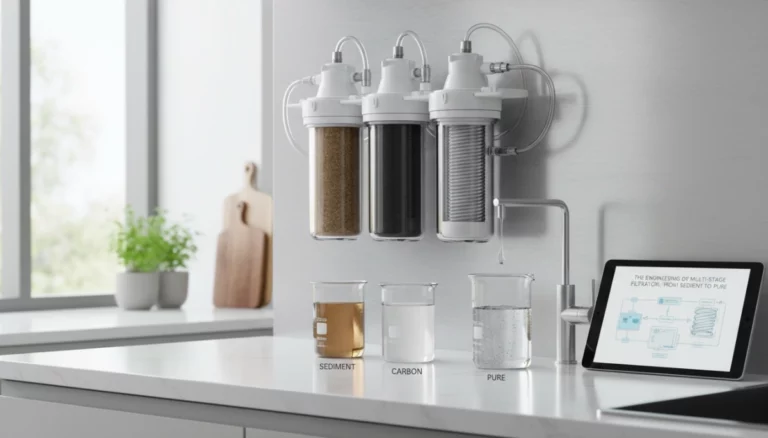
When tackling low pressure compatible shower filtration technology, engineering the filter housing and internal channels is critical. Wide-bore designs reduce flow resistance, allowing water to pass smoothly even at low PSI. Applying fluid dynamics principles, optimized internal channeling guides water with minimal pressure drop, preventing clogging and maintaining consistent flow.
Choosing the right filtration media is another key factor. Granular Activated Carbon effectively removes chlorine and odors without significant flow restriction. KDF 55 excels at reducing heavy metals and controls bacteria growth, crucial in low pressure setups. Calcium Sulfite targets hardness and scale, boosting performance in hard water areas while preserving flow.
Cartridge architecture also matters. Radial flow cartridges distribute water evenly around the media, maximizing contact time without choking flow, unlike traditional axial flow paths. Adding pre-filtration layers traps sediment upfront, further protecting the main media and extending cartridge life in low PSI settings.
For reliable low PSI filtration, combining optimized housing, selective media like KDF 55 and granular carbon, and radial flow cartridge design is the engineering formula that ensures clean water without sacrificing pressure or flow rate. To explore compatible options and component details, check our range of under sink water filtration systems designed with similar low pressure considerations.
Advanced Technologies: Pressure Boosting & Gravity Assistance
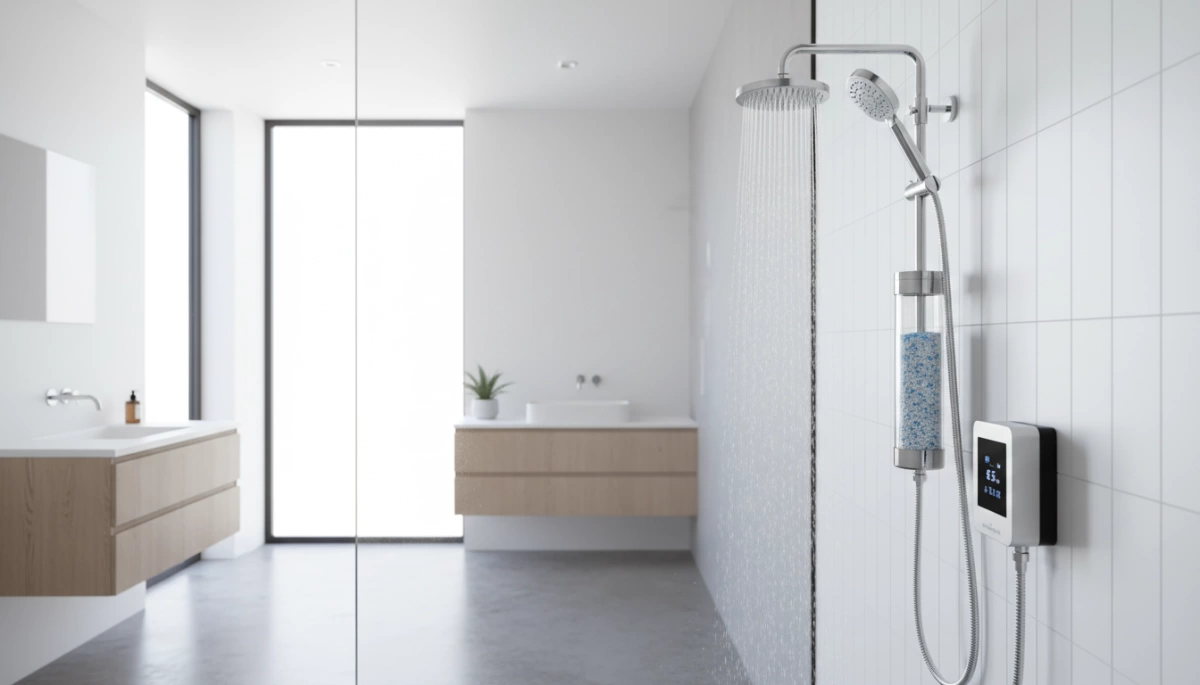
To tackle low PSI filtration challenges, hybrid systems using Venturi mechanisms effectively boost water pressure by drawing in air, which increases flow without extra power. This pressure boosting improves filtration efficiency, especially where household water pressure is inconsistent.
Gravity-assisted filtration designs make a difference for homes with low-pressure tanks. Specialized cartridges work by leveraging gravity, allowing water to flow steadily through media like granular activated carbon and KDF 55 without relying on high pressure. This ensures consistent contaminant removal even in low flow conditions.
Low Flow Compatibility: Pressure vs. Regulations
Understanding the difference between supply pressure and regulatory limits is key. Some states or buildings restrict maximum flow rates, which affects Gallons Per Minute (GPM) performance. Low-pressure compatible shower filters must balance these rules while maintaining filtration quality and avoiding hydraulic drag.
| Feature | Benefit | Application |
|---|---|---|
| Venturi pressure boosting | Increases flow without power input | Low PSI systems |
| Gravity-assisted filters | Reliable flow using natural force | Tank-fed or low-pressure homes |
| Low flow rate compliance | Meets regulatory water-saving rules | Urban & eco-friendly installations |
For more on how low pressure systems expand rural access, check our deep dive on low-pressure RO system benefits.
Driplife’s Approach to Low-Pressure Filtration
Driplife rigorously tests shower filtration systems across a wide range of PSI levels to ensure consistent low PSI filtration performance. This thorough R&D process helps guarantee reliable filtration even in low water pressure scenarios common in many U.S. homes. Customization plays a key role—with adjustable media density and tailored housing geometry, Driplife optimizes filter resistance to prevent clogging while maintaining contaminant removal efficiency. Their quality control strikes a careful balance between minimizing pressure drop and maximizing filter life, ensuring every unit supports steady flow without sacrificing filtration effectiveness. For more on advanced media like granular activated carbon, visit Driplife’s guide on how charcoal filters water.
Key Considerations for Buyers (B2B & B2C)
When selecting low pressure compatible shower filtration technology, pay close attention to GPM ratings—these indicate how well a filter performs at specific flow rates. Under low PSI conditions, a mismatch can cause poor filtration or reduced water flow. Opt for systems tested and rated for low PSI filtration performance to avoid surprises.
Media lifespan also shifts under low pressure. Lower flow slows contaminant load, potentially extending filter life but can also promote clogging if the filter isn’t designed to handle it. Choose filters engineered with anti-clogging filtration design that balance flow and longevity.
Installation is another critical factor. Avoid designs that cause hydraulic drag by restricting water flow or raising pressure drop. Always verify housing and cartridge compatibility with your existing plumbing setup to maintain smooth operation and reduce strain on the system. For detailed insights, consider checking options like our install under-sink water filter system that emphasize optimized flow and minimal pressure loss.
In sum, look for shower filtration solutions combining GPM optimization, durable media compatible with low PSI, and installation flexibility to ensure reliable, consistent performance.