














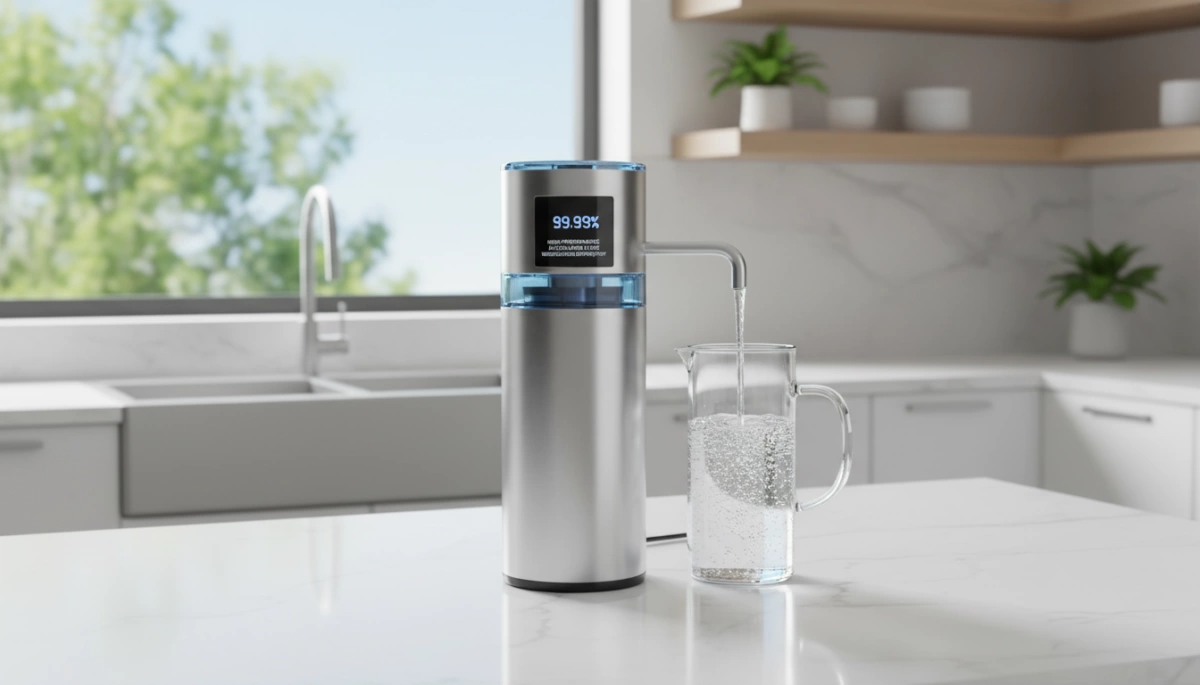
You’ve likely seen the bold claim stamped on datasheets and packaging: 99.99% Microbial Removal Efficiency.
But does the engineering actually back up the label?
As a manufacturer, I can tell you that achieving that specific “Log 4” reduction isn’t about marketing magic—it’s about precision physics. It requires a High-Performance Bacteria Water Filter capable of physically intercepting pathogens at the microscopic 0.01-micron level.
In this breakdown, we’re going to strip away the jargon and look at the exact mechanics that make this level of purity possible.
If you are looking for verifiable water safety without the chemical aftertaste, this is the technical analysis you need.
Let’s get to the truth.
Decoding the Metrics: What “High-Performance” Actually Means
When we talk about water safety, “high-performance” isn’t just a marketing buzzword—it is a quantifiable scientific standard. For homeowners looking to protect their families, understanding the difference between a standard filter and a High-Performance Bacteria Water Filter: 99.99% Microbial Removal Efficiency is crucial. It all comes down to the Log Reduction Value (LRV), a mathematical term that defines exactly how many pathogens are stopped by the physical barrier filtration.
Log Reduction Values (LRV) Explained
Most people see “99%” and assume it’s perfect. In the world of bio-contaminant retention, however, that missing 1% is where the danger lies. Here is why the math matters when dealing with microscopic threats like bacteria and cysts:
- Log 2 (99% Removal): For every 100 bacteria, 1 passes through. In highly contaminated water, this is not enough to guarantee safety.
- Log 3 (99.9% Removal): For every 1,000 bacteria, 1 passes through. Better, but still risky for sensitive immune systems.
- Log 4 (99.99% Removal): For every 10,000 bacteria, only 1 passes through. This is the Bacterial Exclusion Limit we strive for at DripLife.
The Critical Safety Margin
Achieving a 99.99% safety margin requires precision technology, such as our 0.0001-micron RO membranes or advanced Ultra-Filtration (UF) systems. Standard carbon filters might improve taste, but they lack the pathogen interception technology required to physically block viruses and bacteria. By insisting on high LRV ratings, we ensure that our systems provide a fail-safe physical barrier, giving you water that isn’t just clear, but microbiologically safe.
The Technology Core: Hollow Fiber Ultra-Filtration (UF)
When we engineer a High-Performance Bacteria Water Filter: 99.99% Microbial Removal Efficiency, the reliability comes down to the physical mechanics of the filtration media. At the heart of this system is the Ultra-Filtration (UF) System, which utilizes a 0.01 Micron Hollow Fiber Membrane. Unlike chemical disinfection methods that attempt to neutralize pathogens, this technology functions as an absolute Physical Barrier Filtration method.
Think of it as a microscopic security net. Most bacteria and protozoa are significantly larger than 0.01 microns. By forcing water through these microscopic pores, we establish a strict Bacterial Exclusion Limit. The contaminants are physically too large to pass through the membrane walls, effectively trapping them on the surface while allowing clean water molecules to flow freely. This Pathogen Interception Technology ensures that your water is physically scrubbed of bio-contaminants without altering its chemical composition.
Key Advantages of Hollow Fiber UF:
- Hydrophilic Membrane Surface: The material is designed to attract water, allowing for high flow rates at low pressure without requiring electricity.
- Bio-contaminant Retention: It creates a fail-safe block against cysts, bacteria, and viruses, achieving that critical 99.99% safety standard.
- Mineral Preservation: Unlike Reverse Osmosis, UF retains beneficial dissolved minerals, making it ideal for applications like a high-traffic drinking water fountain where taste and health benefits are prioritized.
Comparing Filtration Methods: UF vs. RO vs. Carbon
When selecting a High-Performance Bacteria Water Filter, understanding the mechanical differences between filtration technologies is vital. Many homeowners mistakenly assume that standard carbon filters, often found in simple pitchers, provide biological protection. In reality, the pore size of a standard carbon block is too large to effectively trap microorganisms, serving primarily to improve taste and reduce chlorine rather than ensure Point-of-Use (POU) Water Safety.
Here is how the three major technologies stack up regarding Bio-contaminant Retention:
- Activated Carbon: Excellent for adsorption of chemicals and odors, but offers negligible protection against pathogens. Bacteria can easily pass through the porous carbon structure.
- Reverse Osmosis (RO): This is the gold standard for total purification, utilizing a 0.0001-micron membrane to strip water of nearly all impurities, including heavy metals and salts. While our reverse osmosis water softener combinations provide the highest purity, the process removes beneficial minerals alongside the contaminants.
- Ultra-Filtration (UF): This is often the superior choice specifically for microbial control when mineral retention is desired. The Ultra-Filtration (UF) System operates at 0.01 microns. This is small enough to act as an absolute physical barrier against bacteria (which are typically 0.2 to 2 microns in size) and cysts, yet large enough to allow dissolved minerals like calcium and magnesium to pass through.
For users seeking Non-Chemical Disinfection without the wastewater generation or mineral depletion associated with RO, UF technology strikes the perfect balance. It provides a verified 0.01 Micron Hollow Fiber Membrane barrier that physically blocks pathogens while maintaining the natural health benefits of the water.
Validating the 99.99% Claim: Testing and Traceability
In the water filtration industry, a safety claim is worthless without the hard data to back it up. When we state that a system is a High-Performance Bacteria Water Filter: 99.99% Microbial Removal Efficiency, it is not a marketing guess; it is a scientifically verified metric derived from rigorous stress testing. Real reliability comes from Third-Party Microbiological Testing, where independent laboratories challenge the filtration membranes against high concentrations of pathogens to verify the specific Log Reduction Value (LRV).
To ensure every drop is safe, we focus on three pillars of validation:
- Independent Verification: We do not grade our own homework. External labs validate that our filtration stages meet or exceed strict benchmarks, such as the NSF/ANSI 53 Standard for cyst and bacteria reduction.
- Material Integrity: We utilize Food-Grade Filter Materials with full traceability. This ensures that while we remove contaminants, the filter housing itself never leaches harmful chemicals back into your purified water.
- Manufacturing Consistency: A prototype might pass a lab test, but Supply chain consistency ensures that the unit actually installed in your home performs exactly like the test model.
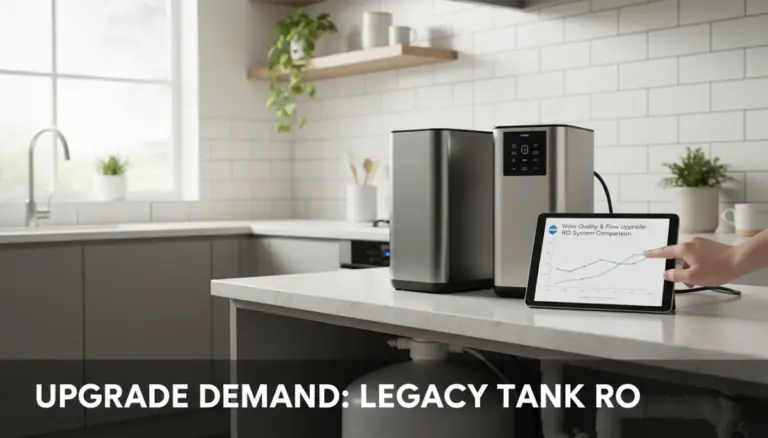
Whether you are relying on one of our 600-1200GPD under-sink RO systems or a specialized UF unit, the barrier protection relies on this unwavering commitment to quality control. We maintain strict oversight to guarantee that the 0.01 Micron Hollow Fiber Membrane or RO sheet inside your housing delivers the precise protection promised on the spec sheet.
Practical Applications for High-Performance Filters
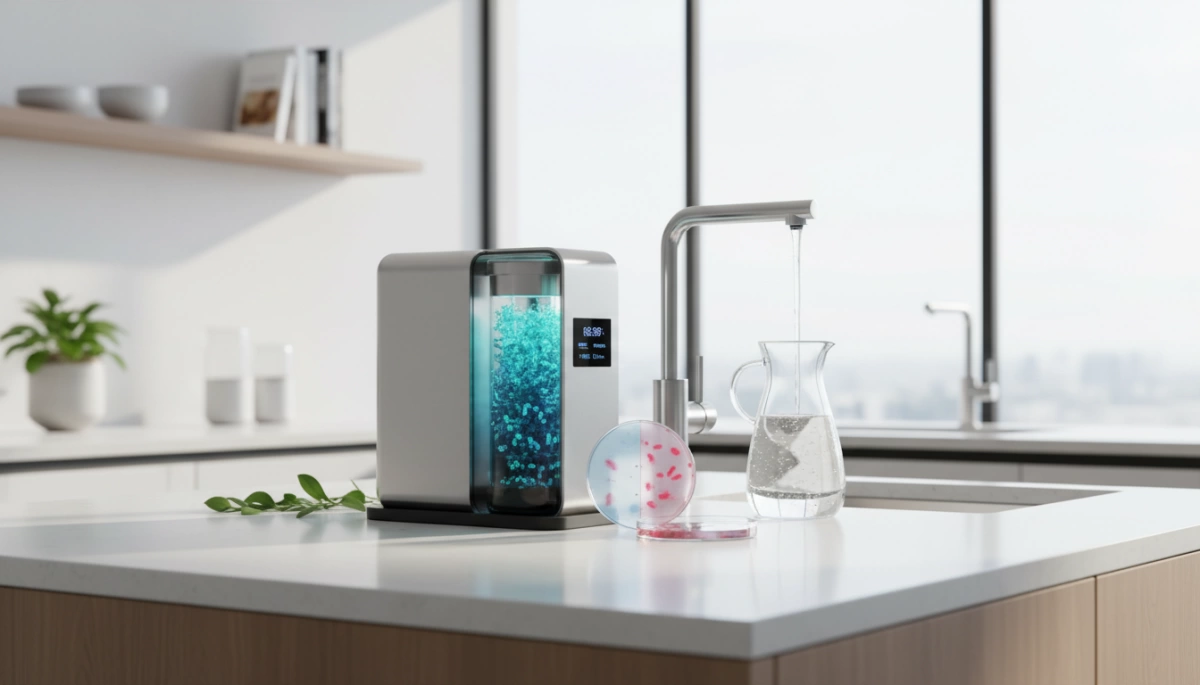
Deploying a high-performance bacteria water filter goes far beyond simple taste improvement; it is about establishing absolute Point-of-Use (POU) Water Safety in diverse environments. In residential settings, we integrate these systems directly under the sink to act as a final firewall against municipal pipe contamination. By pairing the unit with a specialized tap with filter water, homeowners gain immediate access to purified water that has undergone rigorous bio-contaminant retention processes, ensuring that bacteria and cysts picked up in aging infrastructure never reach the glass.
The utility of this technology extends to scenarios where reliability is non-negotiable:
- Residential Security: The 0.01 Micron Hollow Fiber Membrane serves as an impenetrable physical barrier, protecting vulnerable family members from waterborne pathogens without adding chemicals.
- Off-Grid & Emergency Use: Unlike complex reverse osmosis systems that often demand electric pumps, basic Ultra-Filtration (UF) systems can operate effectively with no electricity required. This makes them indispensable for emergency kits or off-grid living, delivering non-chemical disinfection purely through hydraulic pressure.
- Commercial Consistency: For businesses, maintaining a sterile water supply protects equipment and customers alike, ensuring compliance with health standards.
Whether it is for daily hydration or critical emergency backup, the focus remains on the 99.99% efficiency of the physical barrier. We ensure that every drop passing through our systems meets strict safety standards, regardless of the input water’s turbidity.
Maintenance and Longevity: Sustaining the Barrier
Maintaining a High-Performance Bacteria Water Filter isn’t just about ensuring clear water; it is about upholding the integrity of the shield protecting your family. Unlike chemical disinfection methods that can fade invisibly, Physical Barrier Filtration gives you a tangible sign when it is time for maintenance: the flow rate. When you notice the water pressure dropping, that is actually a positive confirmation that the system is working. It means the 0.01 Micron Hollow Fiber Membrane is successfully executing Bio-contaminant Retention, physically blocking pathogens until the pores become saturated.
To guarantee continuous 99.99% Microbial Removal Efficiency, you must recognize these saturation signs immediately. We designed our systems to make this process foolproof, moving away from vague guesswork to precision monitoring.
Key Indicators for Filter Replacement:
- Flow Rate Reduction: A noticeable slow-down in output means the physical barrier is full and doing its job.
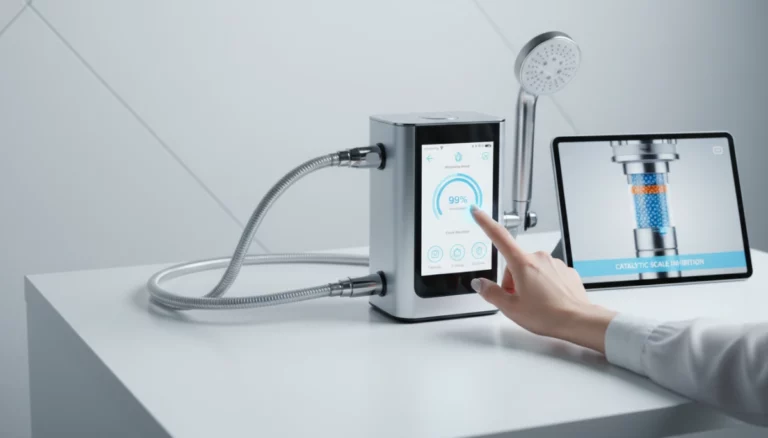
- Smart Monitoring: Our units feature integrated LED displays that track filter life in real-time, alerting you exactly when a change is needed.
- Taste Drift: A shift in flavor usually indicates the post-carbon stage has reached its adsorption limit.
Whether you are maintaining a complex under-sink RO system or a simple transparent glass water purifier pitcher, timely replacement is non-negotiable for safety. We engineered our filters with a twist-and-pull design that allows for a three-second changeout without any tools. Ignoring a saturated filter risks breakthrough, where the accumulated pressure could compromise the barrier. Keeping the system fresh ensures that the physical blockade against bacteria remains impenetrable.
FAQ: High-Performance Bacteria Water Filters
How difficult is the installation for these systems?
We designed our units with the user in mind, specifically moving away from complex plumbing requirements. Whether you are setting up a Point-of-Use (POU) Water Safety system under the sink or a countertop unit, the process is straightforward. Our filters feature a “twist-and-pull” design that allows for a 3-second changeout without needing to shut off the main water supply or call a professional. This ease of use ensures you can maintain a High-Performance Bacteria Water Filter without technical headaches.
Does the 99.99% Microbial Removal Efficiency apply to viruses and cysts?
Yes. The 99.99% Microbial Removal Efficiency rating is a rigorous standard. By utilizing a 0.01 Micron Hollow Fiber Membrane or our advanced 0.0001-micron RO technology, the system acts as a Fail-safe physical barrier. This is tight enough to intercept bacteria, cysts, and protozoa that standard carbon filters often miss. Understanding the key reasons why water filtration is crucial helps explain why we prioritize such strict Bio-contaminant Retention standards to keep your water supply safe from invisible threats.
How do I know when the filter has reached its limit?
Unlike chemical filters that stop working invisibly, a Physical Barrier Filtration system gives you a clear sign: the flow rate drops. As the membrane captures contaminants, the pores eventually fill up, leading to reduced water output. This is actually a good thing—it means the Pathogen Interception Technology is working and preventing breakthrough. For our smart RO units, we also include integrated LED displays that track filter life and TDS levels in real-time, taking the guesswork out of maintenance.