













Hard Water, Limescale, and Your Shower
When I talk about Anti Scale Technology in Shower Water Filtration Systems, it always starts with understanding hard water itself.
What Is Hard Water?
Hard water is simply water with a high level of dissolved calcium and magnesium. These natural minerals come from groundwater moving through limestone and rock. They’re not “dirty,” but in your shower they create real problems:
- They leave chalky white or yellowish deposits called limescale
- They react more with soap, making it harder to rinse clean
- They build up inside fixtures and on every wet surface in your bathroom
How Limescale Forms in Your Shower
In a hot shower, hard water behaves differently:
- As water heats up, calcium and magnesium become less soluble
- They fall out of the water and form hard mineral crystals
- These crystals stick to tiles, glass, shower doors, faucets, and showerheads
That is the limescale you see – a stubborn crust that standard cleaning often struggles to remove.
Common Signs of Mineral Scale in the Bathroom
If you live in a hard water area, you probably recognize these symptoms:
- White, chalky rings or spots on glass doors, tiles, and faucets
- A clogged or uneven-spraying showerhead
- Soap scum that feels sticky and is difficult to rinse off
- Faded shine on fixtures, even right after cleaning
These are classic triggers that push people to look for a limescale prevention shower filter or hard water shower head filter.
Impact on Skin, Hair, and Plumbing
Hard water scale is more than just a cosmetic issue:
- Skin: can feel dry, tight, or irritated because minerals and soap residue sit on the surface
- Hair: may feel rough, dull, or weighed down from mineral buildup
- Plumbing and showerheads: scale narrows internal passages, reducing water pressure and shortening the life of fixtures
- Cleaning time: bathrooms take longer to clean and look “dirty” faster
This is why homeowners in hard water regions actively look for anti mineral buildup filtration and shower nozzle scale protection solutions.
Why People Turn to Anti Scale Shower Technology
Once you see these effects day after day, upgrading to anti scale shower filter technology becomes a practical decision, not a luxury. Homeowners want:
- Less limescale on glass, tiles, and metal
- Better water flow and fewer clogs in showerheads
- Gentler water feel for skin and hair protection
- A simple, point-of-use solution instead of tearing into plumbing
That’s exactly the gap that Anti Scale Technology in Shower Water Filtration Systems is designed to fill: targeted, scale resistant filtration cartridges that protect your shower, your comfort, and your fixtures from hard water scale.
Understanding Anti Scale Technology in Shower Water Filtration Systems
What Anti Scale Technology Means in Shower Filtration
When I talk about anti scale shower filter technology, I’m talking about systems designed to stop calcium and magnesium from sticking to surfaces as hard scale, not stripping every mineral out of the water. A limescale prevention shower filter changes how those minerals behave so they rinse away instead of baking onto your showerhead, tile, and glass. This is anti mineral buildup filtration by design, built for real-world hard water shower protection rather than “lab-only” results.
Anti Scale Shower Systems vs Chlorine-Only Filters
Standard chlorine shower filters focus on chlorine, odor, and some chemical reduction. A true hard water shower head filter with anti scale technology adds a specific scale resistant filtration cartridge that:
- Targets calcium magnesium scale reduction filtration
- Protects shower nozzles from clogging with mineral deposits
- Works as both a chlorine and limescale shower filter in one
If a filter only talks about chlorine and never mentions scale, it’s not a real anti-limescale shower technology solution. For example, using copper-zinc (KDF) media in premium shower filters tackles chlorine and metals, and when combined with anti scale stages it becomes a strong all-around hard water shower protection technology.
Salt-Free Anti Scale vs Traditional Water Softeners
Traditional water softeners use salt and ion exchange to actually remove calcium and magnesium from all the water in the house. Salt-free anti scale shower filters work differently:
- They condition minerals instead of fully removing them
- They’re point-of-use (just at the shower), not whole-house
- They don’t add sodium to the water
- They avoid heavy maintenance, bags of salt, and drain discharge
For many U.S. homeowners, a salt-free anti scale shower water conditioner is an easier, lower-cost way to get practical hard water scale shower protection right where you feel it most—at the shower.
Scale Prevention vs Mineral Removal in Shower Filters
A key point: anti scale systems focus on limescale prevention shower filtration, not zero-mineral water. That means:
- Minerals stay in the water but are kept from bonding as rock-hard scale
- Shower nozzle scale prevention filtration reduces crusty buildup and clogs
- You still get the natural feel of hard water, but with less mess and maintenance
If you expect a shower anti scale system to behave like a giant whole-house softener, you’ll be disappointed. If you want targeted mineral scale reduction filtration on shower surfaces, it’s the right tool.
Why Anti Scale Technology Matters for Hard Water Shower Users
For U.S. homes in hard water areas, anti scale shower filter technology is about everyday comfort and protection:
- Less scale on glass, tile, and fixtures
- Better hard water skin and hair protection from heavy buildup
- Fewer clogged nozzles, more stable water pressure
- A smarter, salt-free anti-scale technology option that’s easy to install and maintain
When you match a scale resistant shower cartridge to your local hardness level, you get reliable hard water shower protection without overcomplicating your setup.
How Anti Scale Technology in Shower Filters Works
When we talk about anti scale technology in shower filters, we’re really talking about how the water moves through a compact system that’s built to fight limescale from hard water.
Step-by-step: Water flow through an anti scale shower filter
Here’s how a typical anti scale shower filter for hard water areas is laid out inside:
- Inlet stage: Hard water enters the shower filter from your existing shower arm or hose.
- Sediment pre-filtration: A fine mesh or sediment pad catches sand, rust, and grit so they don’t clog the anti mineral buildup filtration media.
- Chlorine/chemical stage (often KDF or similar): Many scale resistant shower cartridge designs include a layer to reduce chlorine and some heavy metals before water hits the anti scale media.
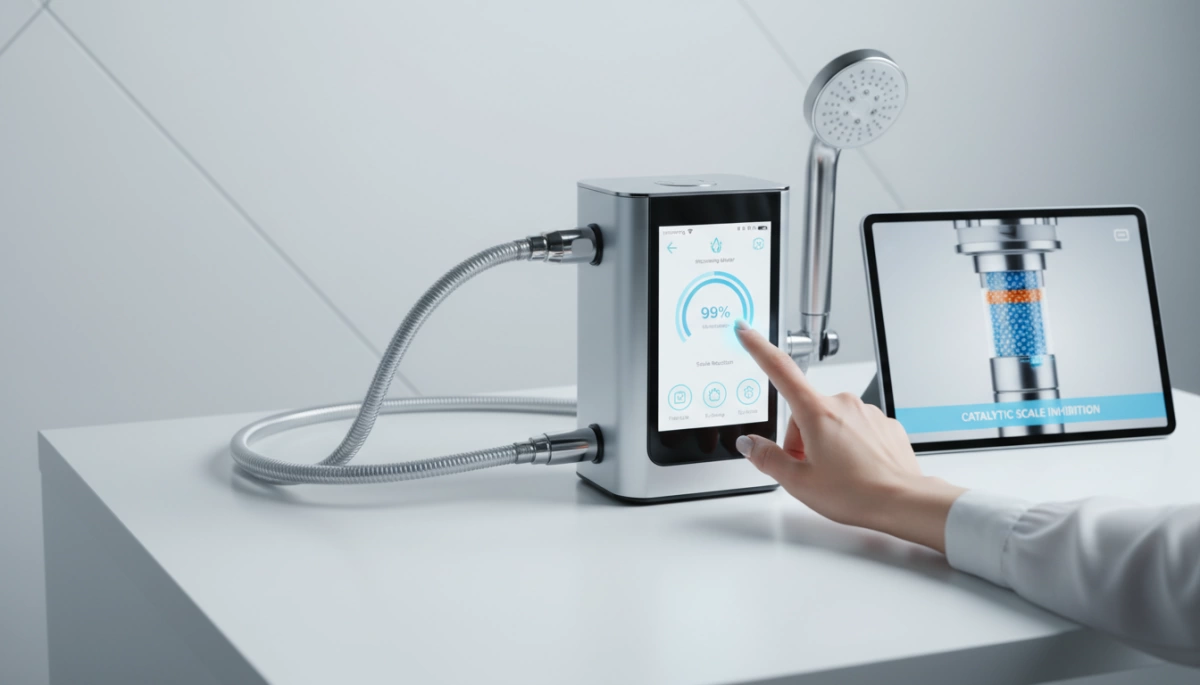
- Anti scale media stage: Specialized media (like polyphosphate or TAC) conditions calcium and magnesium so they don’t stick as limescale on showerheads, tiles, and glass.
- Outlet to showerhead: The conditioned, scale-resistant water flows out to your shower nozzle, helping with shower nozzle scale protection and maintaining pressure.
Why sediment pre-filtration matters
Sediment pre-filtration is key to reliable anti scale shower filter technology:
- It keeps dirt and rust from coating the anti scale media.
- It helps maintain a steady flow rate so calcium magnesium scale reduction filtration works as designed.
- It extends the life of the scale resistant filtration cartridge and supports more consistent limescale prevention shower filtration.
How minerals are “conditioned” instead of removed
Most salt-free anti scale technology doesn’t fully remove calcium and magnesium. Instead, it changes how they behave:
- Minerals are converted into tiny, stable crystals or coated so they’re less able to form hard deposits.
- These microscopic particles stay suspended in the water and rinse away instead of bonding to surfaces.
- You still get the feel of hard water, but with hard water scale shower protection and fewer crusty white spots on showerheads and glass.
This is different from a full calcium water filter or traditional softener that swaps minerals out; it’s a shower water conditioner anti-scale approach focused on limescale prevention.
Point-of-use vs whole-house anti scale treatment
For U.S. homeowners, there are two main ways to use anti-limescale shower technology:
Point-of-use anti scale shower filtration (at the shower only):
- Easy DIY install, lower cost.
- Targets your daily shower, where hard water skin hair protection matters most.
- Ideal for renters or anyone who can’t change the whole plumbing system.
Whole-house scale reduction systems:
- Treat all water entering the home, including sinks, laundry, and appliances.
- Higher upfront cost, usually requires professional installation.
- Makes sense if you also want protection for dishwashers, heaters, and if you’re already thinking about a broader solution like a calcium water filter for your main line.
What to expect from scale-resistant shower water conditioner designs
From a well-designed limescale prevention shower filter, you can realistically expect:
- Noticeably less hard scale buildup on showerheads, tiles, and doors.
- Better long-term water flow and fewer clogged nozzles.
- A compact, salt-free anti-scale technology layout that doesn’t need electricity or a drain.
- Anti mineral buildup filtration design that works quietly in the background while you shower, without changing your normal routine.
Salt-Free Anti Scale Methods Used in Shower Filtration Systems
Salt-free anti scale shower filter technology is built for homeowners who want limescale prevention without bags of salt or heavy maintenance. Instead of swapping minerals out, these systems “condition” calcium and magnesium so they don’t stick to showerheads, tiles, or glass.
Polyphosphate Scale Inhibitor Shower Technology
A polyphosphate scale inhibitor shower filter slowly releases food-grade polyphosphate into the water. This binds to calcium and magnesium, keeping them suspended so they’re far less likely to form hard limescale on hot shower surfaces. It’s a simple, compact way to get anti mineral buildup filtration and shower nozzle scale protection in apartments, rentals, or tight spaces. When paired with smart multi-layer filtration design, it delivers stable performance in typical U.S. hard water conditions.
TAC Media for Limescale Prevention
Template assisted crystallization (TAC) media is a more advanced salt-free anti-scale technology. As water flows through the media, calcium and magnesium are converted into tiny crystal forms that stay in the water but no longer stick to shower walls and glass. This kind of shower water conditioner anti-scale setup is great if you want calcium magnesium scale reduction filtration without losing beneficial minerals or dealing with brine discharge.
Specialized Anti Scale Cartridges and Media Blends
Many scale resistant shower cartridges combine several media types into one anti mineral buildup filtration design. A typical hard water shower protection technology layout might include:
- A polyphosphate scale inhibitor stage
- A TAC or other anti scale shower filter technology stage
- Additional media for sediment and odor control
These specialized cartridges are built for quick DIY replacement and steady limescale prevention shower filtration at common U.S. shower flow rates.
KDF Media Plus Anti Scale Stages
You’ll often see KDF media with anti-scale stages inside a chlorine and limescale shower filter. KDF targets chlorine, some heavy metals, and helps control bacteria, while the anti scale layer focuses on shower nozzle scale prevention filtration and surface protection. This combo gives you a hard water shower head filter that tackles both water quality (chlorine, metals) and hard water scale shower protection in a single compact body.
Pros and Cons of Each Method
Every salt-free anti-scale technology has trade-offs:
Polyphosphate:
- Pros: Affordable, compact, easy to install, strong limescale prevention for most homes.
- Cons: Doesn’t remove hardness minerals; protection fades if cartridges aren’t replaced on time.
TAC media:
- Pros: Highly effective anti-limescale shower technology, no salt, no electricity, low maintenance.
- Cons: Higher upfront cost; performance depends on proper sizing and flow rate.
Mixed anti scale cartridges (with KDF or other media):
- Pros: All-in-one chlorine and limescale shower filter, better overall water feel, good for skin and hair.
- Cons: Cartridges can be more expensive; real-world results vary with water hardness and usage patterns.
Benefits of Anti Scale Technology in Shower Water Filtration
Anti scale technology in shower water filtration systems gives real, everyday benefits if you live with hard water.
Limescale Prevention & Strong Water Pressure
Anti scale shower filters keep calcium and magnesium from sticking to:
- Showerheads and nozzles
- Glass doors and tiles
- Metal trims and fixtures
That means:
- Less white crust on fixtures
- Fewer clogged nozzles
- More stable water pressure over time
Hard Water Skin and Hair Protection
With limescale prevention shower filtration, minerals don’t cake onto your skin and hair as easily. You’ll usually notice:
- Less dryness and tight-feeling skin
- Softer-feeling hair with better movement
- Less soap scum left on your body
This kind of anti mineral buildup filtration design is a practical way to get hard water skin and hair protection without a full-house softener.
Longer Fixture Life & Easier Cleaning
By cutting down scale, a hard water shower head filter helps:
- Extend showerhead and valve lifespan
- Reduce repair calls and hardware replacements
- Make glass and tile wipe down faster with simple cleaners
Here’s a quick view:
| Benefit | What You Notice at Home |
|---|---|
| Limescale prevention | Less chalky buildup on glass and chrome |
| Shower nozzle scale protection | Nozzles stay open, water flow stays strong |
| Hard water scale shower protection | Fewer stains and “ring” marks on walls and doors |
| Less maintenance | Less scrubbing, less soaking in vinegar |
If you want more ideas on keeping filtration performing well long term, I recommend checking out these practical tips on extending shower filter lifespan through proper maintenance.
Eco-Friendly, Salt-Free Shower Filtration
Salt-free anti-scale technology works as a shower water conditioner, not a heavy salt-based softener. For U.S. homes trying to stay eco-conscious, that means:
- No heavy salt bags to buy, carry, or dump
- Lower wastewater impact compared to traditional softeners
- Compact, scale resistant shower cartridges with low waste
In short, a chlorine and limescale shower filter with salt-free anti-scale technology gives you cleaner-looking surfaces, better-feeling showers, and less hassle—without overhauling your whole plumbing system.
Limitations and Realistic Expectations of Anti Scale Shower Filters
Anti scale shower filter technology is designed for limescale prevention, not full water softening. Salt-free anti-scale technology doesn’t swap out calcium and magnesium like an ion exchange softener, so your hard water shower head filter will still show a similar hardness level on a test strip. The win is that minerals are kept from sticking to surfaces, not that they’re completely removed.
Even with a quality limescale prevention shower filter, some light mineral spotting can still show up on glass doors or tiles, especially in very hard water areas or if water is allowed to air-dry. That’s normal. Anti mineral buildup filtration is about easier wipe-downs and slower buildup, not a 100% spot-free bathroom.
Performance depends heavily on your local conditions. Very high hardness (over ~15–20 grains), high flow rate rain showers, and very hot water can push any scale resistant shower cartridge to its limits. If you’re already dealing with strong chlorine taste in your home, pairing your shower solution with broader chlorine reduction (like the mechanisms explained in this guide on chlorine taste and odor reduction) will usually deliver a more balanced experience.
Most shower nozzle scale protection filters and calcium magnesium scale reduction filtration cartridges last about 3–6 months in a typical U.S. household, depending on:
- Number of people showering daily
- Local hardness level
- Flow rate and shower length
If your water is extremely hard, or you want whole-bathroom hard water scale shower protection (toilets, sinks, dishwasher, etc.), I recommend using a shower water conditioner anti-scale unit at the shower plus a whole-house conditioner or softener. The shower filter for hard water areas handles direct skin and hair exposure, while the main system takes care of pipes, appliances, and the rest of the home.
How to Choose the Right Anti Scale Shower Filtration System
Match Anti Scale Technology to Your Water
Before picking an anti scale shower filter, I always start with the water:
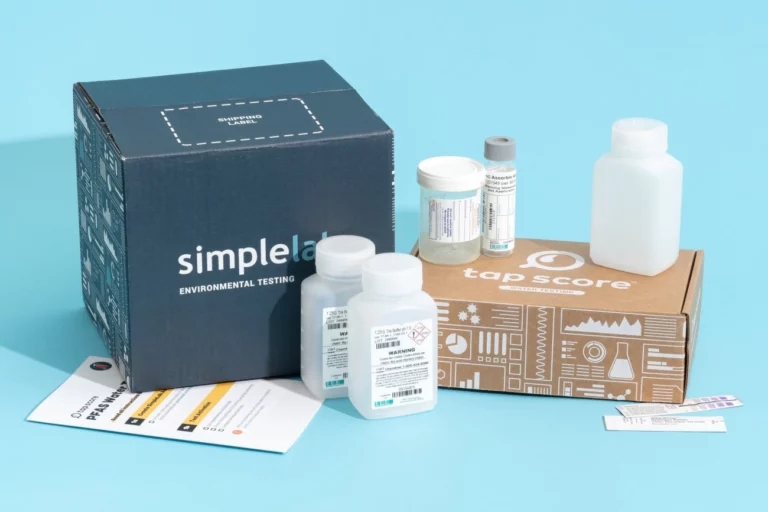
- Test your hardness: Use a basic hard water test strip kit (look for grains per gallon / gpg).
- 0–7 gpg (soft–moderate): A simple limescale prevention shower filter with polyphosphate may be enough.
- 8–15+ gpg (hard–very hard): Go for a stronger salt-free anti-scale technology like TAC plus chlorine removal.
- High usage (large family, long showers) = choose a bigger capacity scale resistant shower cartridge and shorter replacement cycles.
Key Features in Scale Resistant Shower Cartridges
When I choose a hard water shower head filter, I focus on performance, not hype:
- Multi-stage design: Sediment + KDF media with anti-scale + carbon or other stages for chlorine and odor.
- True anti mineral buildup filtration: Look for polyphosphate or TAC (Template Assisted Crystallization) clearly listed.
- Flow rate control: 1.5–2.5 GPM is ideal for most US showers to balance pressure and contact time.
Here’s a quick snapshot:
| Feature | Why It Matters |
|---|---|
| Scale-resistant cartridge | Helps prevent limescale on nozzles and glass |
| KDF + anti-scale media | Targets chlorine and calcium magnesium reduction |
| Rated capacity (gallons) | Tells you how long the cartridge actually lasts |
| NSF or similar claims | Basic signal of safety and performance standards |
Material Quality, Safety, and Certifications
For US homes, material safety is non-negotiable:
- Choose BPA-free housings and food-grade plastics or stainless where possible.
- Look for media that references NSF/ANSI standards for material safety and chlorine reduction.
- Avoid unknown fillers or “mystery mineral blend” claims in calcium magnesium scale reduction filtration.
If you’re also dealing with higher TDS drinking water at home, it can be useful to pair your shower solution with a dedicated drinking system like a reverse osmosis water filter; a good overview is in this guide on what an RO water filter is and how it works.
Easy Installation and Compatibility
Most US customers want simple, tool-light installs:
- Make sure it fits standard 1/2″ NPT shower arms (typical in the US).
- Check if it supports fixed showerheads, handheld sets, or combo units.
- Prefer designs that can be installed in minutes without a plumber and come with clear instructions and Teflon tape.
Red Flags and Overhyped Claims
When I see these, I walk away:
- Claims like “turns hard water into soft water like a full softener” from a tiny shower cartridge.
- No mention of anti-limescale shower technology type (no polyphosphate, no TAC, nothing specific).
- Vague “energy restructuring,” magnets, or “crystal water” selling points with no real data.
- No replacement schedule, no capacity rating, or zero details on the media inside.
Smart Questions to Ask Suppliers
Before I trust an anti scale shower filter technology, I ask:
- What’s the hardness range this shower water conditioner anti-scale system is designed for?
- Which anti scale media do you use (polyphosphate, TAC, or other) and what’s the cartridge lifespan (in gallons/months)?
- Does this filter also reduce chlorine, or is it only for limescale prevention shower filtration?
- Is the housing and media tested to any NSF/ANSI standards or similar benchmarks?
- What happens when the cartridge is exhausted—does it just stop working, or can it release media or debris?
These questions cut through marketing and help you land a shower filter for hard water areas that actually gives real hard water scale shower protection, not just a nice-looking showerhead.
Driplife Anti Scale Technology Solutions for Showers
When I design Driplife anti scale shower filtration systems, I focus on real hard water problems US homeowners deal with every day—limescale on glass, clogged showerheads, and dry skin and hair. Our anti scale shower filter technology combines limescale prevention shower filtration with effective chlorine reduction, so you get both scale control and cleaner, more comfortable water.
Polyphosphate & TAC Anti-Scale Cartridges
Driplife offers two main scale resistant shower cartridge options:
- Polyphosphate scale inhibitor shower cartridges – Food-grade polyphosphate wraps calcium and magnesium so they don’t stick as hard limescale on tiles, doors, and shower nozzles. It’s a simple, reliable option for most city water in hard water areas.
- TAC (Template Assisted Crystallization) media – Our TAC-based anti mineral buildup filtration converts dissolved calcium and magnesium into tiny crystals, so they pass through without forming scale. This is a strong, salt-free anti-scale technology choice for tough hard water regions where you want solid hard water scale shower protection without a full softener.
Both options are built into compact scale resistant filtration cartridges that fit standard US shower setups, with flow rates designed to keep a strong, comfortable spray.
Chlorine and Limescale Shower Filter Integration
Our chlorine and limescale shower filter designs combine:
- Sediment pre-filtration to protect the anti scale media
- KDF media with anti-scale stages for chlorine and scale control
- Polyphosphate or TAC for calcium magnesium scale reduction filtration
This layered approach means you’re not just getting shower nozzle scale protection filtration, you’re also cutting chlorine that can irritate skin and hair. For customers who care a lot about skin comfort, we design our cartridges to work alongside skin-focused upgrades, similar to what we discuss in our guide on skin care–driven demand for bath water filtration.
Why Driplife Works for Hard Water Homes
As a China-based water filter manufacturer and supplier, I build Driplife systems specifically for shower water conditioner anti-scale performance in real-world hard water. For US homeowners, that means:
- Salt-free hard water shower head filter options that don’t change TDS
- Durable housings with optional anti-bacterial coating technology in shower filter housing
- Cartridges tested for consistent anti-limescale shower technology output over their rated lifespan
You get direct-from-manufacturer pricing, custom OEM/ODM support if you’re a brand or distributor, and a partner that understands hard water shower protection technology from the inside out.
Real-World Use Cases and Maintenance Tips for Anti Scale Shower Filters
Signs You Need Anti Scale Technology in Your Shower
You probably need an anti scale shower filter if you notice:
- White or chalky limescale rings on glass, tiles, and metal fixtures
- Clogged or uneven shower spray from mineral buildup in nozzles
- Soap that never seems to rinse clean, leaving your skin tight and hair dull
- Constant scrubbing with vinegar or harsh cleaners just to keep the shower presentable
If your water test shows high calcium and magnesium, a hard water shower head filter with anti-limescale shower technology isn’t optional—it’s basic home protection.
Best Practices for Installing Anti Scale Shower Filters
Most scale resistant shower cartridges are DIY friendly. For a clean install:
- Use Teflon tape on threads to prevent leaks and keep water pressure steady
- Hand-tighten first, then lightly snug with a wrench—don’t overtighten
- Flush the new cartridge for 30–60 seconds before your first shower
- If you’re already using RO or other filtration (for example, in a system focused on what reverse osmosis removes from water), make sure the anti scale shower filter is the final point-of-use stage
How Often to Check and Replace Shower Filter Cartridges
Anti scale shower filter technology works only if the cartridge is active:
- Check flow and limescale every 1–2 months
- Replace most anti mineral buildup filtration cartridges every 6 months, or sooner in very hard water areas or big households
- Track usage by simple rules: more showers per day = shorter cartridge life
- If water pressure drops or limescale returns faster, your scale resistant filtration cartridge is likely exhausted
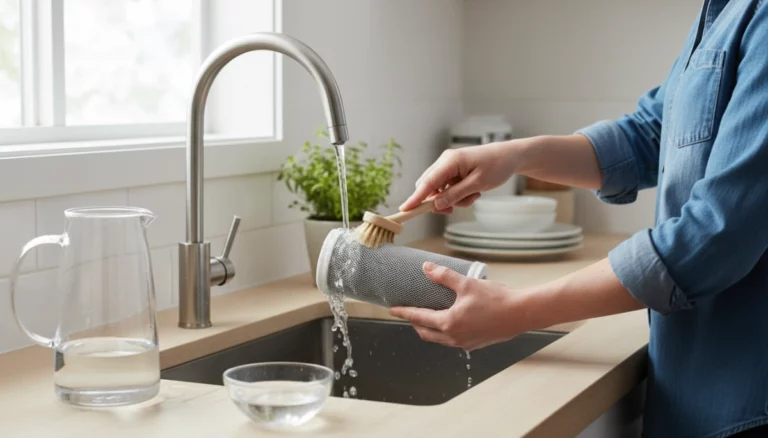
Simple Cleaning Habits That Help Anti Mineral Buildup Filtration
Good cleaning helps your limescale prevention shower filter do its job:
- Wipe glass and chrome quickly after showers to remove light mineral spotting
- Soak removable showerheads in a 1:1 vinegar and water mix if nozzles start to clog
- Avoid super-harsh chemicals that can damage finishes and rubber seals
- Keep an eye on shower nozzle scale protection by checking spray pattern weekly
Pairing Anti Scale Filters with Skin-Focused Shower Upgrades
For hard water skin and hair protection, I like combining:
- A salt-free anti-scale technology shower water conditioner for mineral scale reduction filtration
- A vitamin C or KDF media with anti-scale stage to reduce chlorine and support softer-feeling water
- Moisturizing body wash and conditioner to complement anti mineral buildup filtration design
This combo delivers hard water shower protection technology that keeps scale in check while helping your skin and hair feel better, especially in tough hard water areas across the U.S.
How to Tell If Your Anti Scale Shower Filter Is Working
When an anti scale shower filter is doing its job, you’ll notice it in a few clear ways. Here’s what I tell customers to watch for with any anti scale shower filter technology or limescale prevention shower filtration system.
Visual limescale changes
You should see:
- Less white, chalky limescale on showerheads, nozzles, and glass
- Spots that wipe off easily instead of hard crust that needs scrubbing
- Slower buildup on tiles, doors, and metal fixtures over a few weeks
If new mineral scale sticks hard and fast again, your calcium magnesium scale reduction filtration is probably near the end of its life.
Water pressure and nozzle performance
A good hard water shower head filter with anti mineral buildup filtration design will:
- Keep nozzles from clogging as quickly
- Hold a more consistent spray pattern and flow
- Avoid sudden drops in pressure (with no plumbing changes)
If your shower nozzle scale prevention filtration stops working, you’ll see more uneven spray and more blocked jets.
Skin and hair feel in hard water
You won’t get the “soft water” feel, but effective hard water skin hair protection usually looks like:
- Less tight, dry feeling on skin after hot showers
- Hair that feels less coated and easier to rinse
- Fewer flakes or irritation triggered by hard water and chlorine
Combined chlorine and limescale shower filter designs with KDF media and anti-scale stages often give the most noticeable comfort upgrade.
Track filter age and replacement
To keep scale resistant filtration cartridges working:
- Note install date on the housing or in your phone
- Follow the stated gallons/months from the manufacturer
- Replace sooner if you have very hard water or a large household
I recommend treating filter changes like oil changes—on a schedule, not only when something “looks bad.” For a deeper look at how filter lifecycles and performance tie together, you can check how we handle media and monitoring in our countertop RO and TDS control systems.
Basic troubleshooting if results drop
If your anti-limescale shower technology doesn’t seem to work:
- Unscrew the showerhead and clean physical debris from the screen
- Soak the showerhead in vinegar to clear old limescale that built up before your filter
- Make sure the anti scale cartridge is installed in the right direction
- Check for leaks or bypass paths where water might be skipping the filter
- Replace the cartridge if it’s at or past its rated life
If you stay on top of filter age, simple cleaning, and quick visual checks, you’ll know your shower water conditioner anti-scale system is actually protecting your bathroom and your daily routine.
Comparing Anti Scale Shower Filters to Other Hard Water Solutions
Anti scale shower filter vs basic chlorine shower head filter
A basic chlorine shower head filter mainly targets chlorine and some odors. It doesn’t do much for limescale on your glass, tile, or showerhead. An anti scale shower filter or shower water conditioner is built for limescale prevention, using salt-free anti scale technology to keep calcium and magnesium from sticking to surfaces. For hard water shower protection, I always prioritize a scale resistant shower cartridge over a chlorine-only filter, then layer in chlorine control (KDF or carbon) as needed.
Shower water conditioner vs full-house water softener
A point-of-use anti scale shower filter conditions minerals right at the shower, giving local shower nozzle scale protection and anti mineral buildup filtration design without salt, electricity, or a drain line. A full-house water softener actually exchanges calcium and magnesium for sodium, softening all the water in the home. If you want entire-home plumbing protection, dishware with fewer spots, and the “silky” soft water feel, a whole-home system wins. If your main headache is the shower, a shower water conditioner anti-scale system is a leaner, faster fix.
Costs: upfront and ongoing
- Anti scale shower filter: low upfront cost, quick DIY install, and simple cartridge swaps every few months.
- Full-house softener or conditioner: higher upfront cost (equipment + install), plus ongoing salt or media changes and possible service calls.
For many U.S. homeowners who rent, move often, or just want targeted hard water scale shower protection, the point-of-use option delivers strong value with minimal hassle. For bigger projects and multi-bath homes, I treat the shower solution as a first step before committing to a whole-home setup, similar to how we stage advanced filtration upgrades in drinking water systems.
When a point-of-use anti scale shower filter is enough
A salt-free, scale resistant filtration cartridge at the shower is usually enough when:
- Your main complaint is limescale on glass, tile, and showerheads
- Skin and hair feel dry, but other fixtures are “good enough”
- You live in an apartment or rental and can’t install a full system
- You want a low-commitment way to test anti-limescale shower technology
When to upgrade to broader conditioning systems
It’s time to look at whole-house conditioning or softening when:
- Scale is damaging appliances (dishwasher, water heater, washing machine)
- You see heavy mineral scale throughout the home, not just in showers
- You want consistent calcium magnesium scale reduction filtration at every tap
- You’re ready to invest in long-term property protection and higher resale value
I like to think of an anti scale shower filter as the “starter kit” for hard water shower head filter protection—and a full-house system as the long-term, whole-home solution once you know you’re staying put and want everything protected, not just the shower.