












Understanding Your UF Filter
How a UF Membrane Works
A UF (ultrafiltration) filter uses a tightly wound membrane with microscopic pores, usually in the 0.01–0.1 micron range. In simple terms:
- Water is pushed through the membrane under pressure.
- Clean water (permeate) passes through the tiny pores.
- Larger contaminants are held back on the outside of the membrane.
These pores are small enough to remove:
- Suspended solids and fine sediment
- Most bacteria and some viruses
- Rust, colloids, and many organic particles
This is the core of UF filter maintenance and care: keeping those tiny pores open and unclogged so your system can keep protecting your water.
Key UF Filter Components
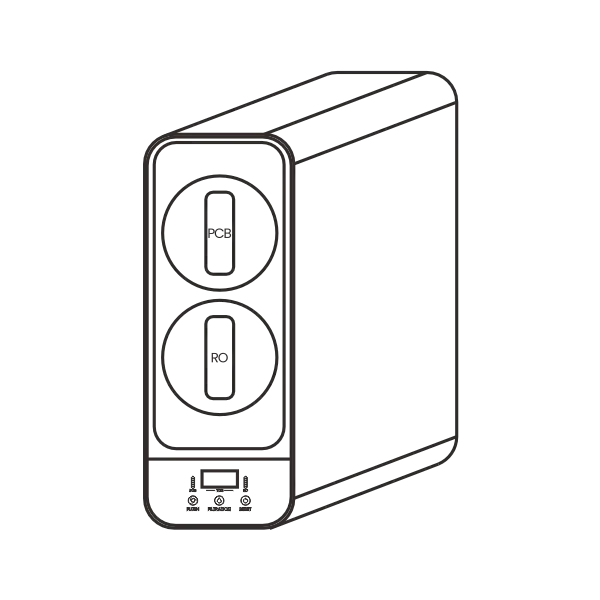
A typical Driplife UF water purifier includes:
- UF membrane module – The heart of the system where ultrafiltration happens.
- Filter housing – The protective shell that holds the membrane and keeps it sealed under pressure.
- Pre-filters – Sediment and sometimes carbon filters that catch sand, rust, and larger particles before they reach the membrane.
- Valves and gauges – Control flow, allow UF membrane backwashing, and help you monitor pressure and performance.
Understanding these parts makes it easier to follow proper UF filter cleaning methods and basic UF system troubleshooting.
How UF Filtration Protects Your Drinking Water
For homes and small businesses, a well-maintained UF drinking water system helps:
- Improve clarity so water looks clean and bright
- Reduce bacteria and turbidity for safer, more reliable water
- Protect downstream equipment like coffee machines, ice makers, or dispensers
UF does not typically remove dissolved minerals like calcium or magnesium, so your water still tastes natural while physical contaminants are filtered out.
Why UF Filter Maintenance Matters
Without regular UF filter maintenance:
- Pores in the membrane clog, causing pressure drop and low flow rate
- Organic matter can build up, increasing the risk of bacterial growth on the membrane surface
- Pump and plumbing components can be stressed by high back pressure
Staying on top of UF filter care guidelines helps:
- Keep flow strong and stable
- Maintain consistent water quality
- Extend UF filter life and avoid premature membrane replacement
How Driplife Design Makes Care Easier
As Driplife, we design our UF systems specifically for easy ultrafiltration system maintenance:
- Front-access housings for quick UF membrane checks and cartridge changes
- Built-in backwash valves to simplify regular UF membrane backwashing
- Clear pressure gauge placement so you can see performance changes at a glance
- Standardized seals and fittings to reduce leaks and simplify service
This combination of smart design and clear membrane protection guidelines helps you handle day-to-day UF filter care confidently, even if you are not a water treatment expert.
Daily UF Filter Monitoring And Care
Daily and Weekly UF Filter Checks
For solid UF filter maintenance, I always tell customers to build a quick routine:
- Check the inlet and outlet pressure gauges once a day if possible, or at least a few times a week.
- Watch for a growing pressure drop (inlet pressure minus outlet pressure). A steady increase usually means UF membrane fouling is starting.
- Pay attention to flow at the faucet or outlet. If your UF water purifier suddenly feels “weaker” even though house pressure is normal, the UF membrane may be loading up.
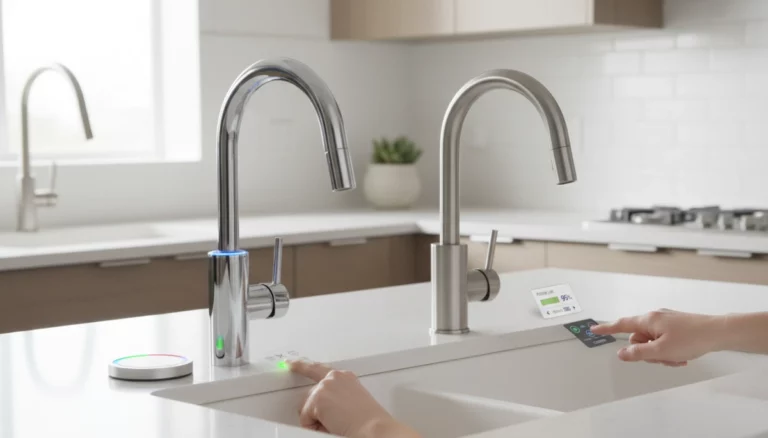
If your system is under the sink (like a compact UF kitchen faucet water purifier system), a fast glance at flow every time you fill a glass becomes your best early warning.
Spotting Early UF Membrane Fouling
Catching issues early is the easiest UF filter fouling prevention step:
- Look at water clarity in a clear glass under good light. Cloudiness or fine particles are warning signs.
- Smell the water. A musty, earthy, or “swampy” odor can point to biofilm growth on the ultrafiltration membrane.
- Taste the water. A sudden change in taste, especially “flat,” metallic, or dirty notes, usually means it’s time for UF membrane backwashing or cleaning.
If you notice any of these signs along with a drop in flow, tighten up your UF filter care guidelines immediately (backwash, flush, or schedule cleaning).
Visual Leak and Noise Checks
A quick visual inspection is part of proper UF filter cleaning methods and membrane protection guidelines:
- Run your fingers along housings, fittings, and tubing to feel for moisture or drips.
- Look for hairline cracks, bulging housings, or white scale around joints that signal slow leaks.
- Listen for unusual hissing, rattling, or pulsing noises when the UF system runs; they can indicate trapped air, pressure problems, or loose fittings.
Catching and fixing leaks early keeps pressure stable and protects the membrane from sudden shocks.
Simple UF Filter Performance Log
To extend UF filter life and keep performance predictable, I recommend a simple monitoring log:
- Note date, inlet pressure, outlet pressure, and flow feel (strong/normal/weak).
- Add quick notes when you perform UF membrane backwashing, flushing, or chemical cleaning.
- Record any changes in water clarity, taste, or odor.
A basic UF filter maintenance checklist like this makes UF system troubleshooting much easier later and helps you plan a realistic ultrafiltration system maintenance schedule instead of guessing.
UF Filter Backwashing and Flushing Procedures
Why UF membrane backwashing matters for fouling prevention
Regular UF filter backwashing is the backbone of UF filter maintenance and care. As water moves through the ultrafiltration membrane, fine sediment, organics, and microbial debris can build up on the surface. If we don’t backwash:
- Pressure drop increases and you see UF low flow rate issues.
- Fouling gets harder to remove, even with chemical cleaning.
- Trapped contaminants can encourage bacterial growth and off-tastes.
By backwashing your Driplife UF filter on schedule, we push clean water in the reverse direction to lift away buildup, keep pores open, and extend UF membrane longevity.
Recommended backwash frequency for home and light commercial use
Backwash frequency depends on your incoming water quality and usage pattern. As a practical UF filter maintenance guideline in the U.S.:
- City water, normal home use: backwash every 2–4 weeks.
- Well water or sediment-heavy areas: backwash every 1–2 weeks.
- Light commercial or high-demand use: set a weekly UF backwashing routine.
If you notice faster pressure drop or cloudy water, increase your UF backwash frequency. Pairing your UF unit with good pre-filter maintenance also helps keep backwashing intervals reasonable.
Step-by-step UF filter backwashing steps (Driplife UF)
For a typical Driplife UF system, here’s a simple manual backwash and flush process:
- Shut off feed water and power (if applicable) to the UF system.
- Relieve pressure using the designated valve or faucet before touching any fittings.
- Set valves to backwash mode according to your Driplife UF system diagram. This reverses flow through the UF membrane.
- Open the backwash drain line and start the backwash flow slowly.
- Run backwash for the recommended time (usually 5–15 minutes) until the drain water looks clear.
- Switch to forward flush to rinse loosened debris out of the housing for a few minutes.
- Return valves to normal filtration mode, then restore feed water and power.
- Check pressure and flow at the faucet to confirm UF filter performance optimization.
Use a simple UF filter maintenance checklist or log to record the date, backwash duration, and pressure before/after. That makes it easy to track trends and spot early fouling.
Best practices for backwash duration, pressure, and rinse checks
To protect the UF membrane and keep performance stable, follow these membrane protection guidelines:
- Backwash duration: 5–15 minutes is typical. Stop when drain water clears; long enough to remove fouling, not so long that you waste water.
- Backwash pressure: Stay within the Driplife UF filter operating pressure range. Avoid spikes—slowly open valves to prevent membrane stress.
- Water temperature: Keep within safe UF filter temperature limits (usually cool to lukewarm tap water, not hot).
- Post-flush rinse: After backwashing, run filtered water for a few minutes and confirm clear water, steady flow, and normal taste. If you use TDS or quality monitors, align with our guidance on water quality monitoring accuracy in faucet displays.
Done right, UF membrane backwashing is a fast, low-cost way to prevent UF filter fouling, cut down on aggressive ultrafiltration membrane cleaning, and extend UF filter life for your home or small business.
UF Filter Cleaning Methods and Membrane Care
Keeping your UF membrane clean is the core of UF filter maintenance and care. If you’re seeing a noticeable flow loss (usually 15–25% lower than normal) or a higher pressure differential across the UF module than what the Driplife gauge normally shows, it’s time to clean. Ignoring those early signs of UF membrane fouling is what leads to low flow, pressure drop, and shorter membrane life.
When To Clean Your UF Membrane
Use these simple checks:
- Flow loss: If your normal faucet or dispenser flow slows down by ~20% or more, schedule a UF cleaning.
- Pressure differential: A rising inlet–outlet pressure difference (psi) is one of the clearest UF pressure drop causes.
- Backwash not enough: If regular UF membrane backwashing doesn’t bring flow back, move to a deeper cleaning.
Routine UF Cleaning Methods (Non‑Chemical)
For most homes, proper UF filter cleaning methods start with simple, low‑stress steps:
- Mild flushes: Run a forward flush and backflush at the recommended pressure for a few minutes to push out trapped sediments.
- Low‑temperature hot water rinses: If your Driplife UF membrane allows it, use warm water (often in the 95–104°F / 35–40°C range) to help loosen organic buildup without overheating the membrane.
- No harsh scrubbing: Never scrape or brush the membrane surface—this damages the pores and kills long‑term UF membrane longevity.
If you’re running a UF unit alongside a pitcher or countertop system, pairing it with a well-maintained countertop water filter can reduce incoming sediment and make every cleaning cycle more effective.
Chemical Cleaning UF Membranes (Acid vs Alkaline)
When fouling is heavier, chemical cleaning UF membranes may be needed. Always follow the Driplife manual and membrane protection guidelines:
- Acid cleaning (for scale/minerals):
- Use a mild acid (like citric or very low‑concentration mineral acid).
- Stay within the safe pH range listed for your UF module (commonly pH 2–3 as a lower limit).
- Alkaline cleaning (for organics/biofilm):
- Use a mild alkaline solution with compatible detergents.
- Stay within the upper pH limit (often around pH 10–11, depending on membrane type).
- One chemical at a time: Never mix acid and alkaline cleaners. Flush fully between any different chemical steps.
Protecting The UF Membrane During Chemical Cleaning
Good UF filter care guidelines are all about protecting the membrane while you clean:
- Check compatibility: Only use safe UF cleaning chemicals listed as compatible with your membrane material (PVDF, PES, etc.).
- Control temperature: Keep cleaning solutions within the rated UF filter temperature limits to avoid heat damage.
- Limit contact time: Don’t exceed the recommended soak or circulation time; more time doesn’t always mean better cleaning.
- Use clean tools: Use dedicated, clean hoses and containers so you’re not introducing new contaminants.
Rinse And Recovery Steps After Cleaning
After any chemical or hot water cleaning, you must restore water quality before drinking:
- Thorough rinse: Flush with clean water until no smell, no foam, and stable pH are observed at the outlet.
- Check performance: Confirm that flow rate and pressure differential are back in the normal range—this is key UF filter performance optimization.
- Taste check: Run the faucet for a few minutes, then taste and smell the water. Any “chemical” or odd taste means more rinsing is needed.
Suggested UF Cleaning Schedule (Home & Light Commercial)
As a baseline UF system preventive maintenance plan:
Typical home use (city water):
- Routine flush/backwash: as recommended, often daily or several times per week.
- Mild non‑chemical cleaning: every 1–3 months, or when you first notice minor flow loss.
- Chemical cleaning: about every 6–12 months, based on water quality and hours of use.
Light commercial or well water use:
- Routine flush/backwash: daily, sometimes multiple times per day.
- Non‑chemical cleaning: every 2–8 weeks, depending on load and usage hours.
- Chemical cleaning: every 3–6 months, or when pressure differential remains high after backwashing.
Following these UF filter maintenance best practices keeps your Driplife UF system running at peak performance, extends UF filter lifespan, and locks in consistent, clean-tasting water for your home or business.
UF Filter Storage and Long-Term Care
Short-Term UF Filter Storage (Under 10 Days)
For short breaks like long weekends or quick trips, UF filter maintenance is simple but important. To protect the ultrafiltration membrane and avoid bad smells or bacteria growth:
- Let the system run a final flush for 3–5 minutes before you leave.
- Shut off the inlet and outlet valves so the UF filter stays full and sealed.
- Keep the unit out of direct sunlight and away from heat sources.
- Avoid draining the membrane dry; a wet membrane lasts longer and restarts easier.
These quick UF filter care guidelines help prevent air lock, drying, and early fouling when you turn the system back on.
Long-Term UF Membrane Storage
For seasonal homes, small offices, or businesses that shut down for weeks or months, you need stronger UF membrane protection guidelines:
- Never store a UF membrane dry for long periods; it should stay wet in a safe storage solution.
- Use a manufacturer-approved preservative (often a low-level food-grade biocide) mixed with clean water.
- Fill the housing and lines completely to push out trapped air, then close all valves tightly.
- Label the unit with the storage date and the type of solution used.
If your UF system supports multiple water points, like a kitchen faucet or dedicated coffee line, tie your storage plan into your broader filtration setup. For example, if you run a dedicated line to a water filter for coffee makers and beverage stations, store that equipment wet and capped as well so everything restarts clean together.
Protective Solution and Sealing Steps
Proper UF filter cleaning methods also apply when you prepare a system for downtime:
- Use clean, chlorine-free water to mix your storage or protective solution.
- Stay within safe chemical ranges recommended for ultrafiltration membrane cleaning so you don’t damage the fibers.
- Fill the UF module slowly to avoid pressure spikes, then cap or plug any open ports.
- Check all O-rings and fittings before sealing to prevent slow leaks or air entry.
This simple membrane care planning keeps the module ready to go when you need it again.
Safe UF Filter Restart Procedure
When you bring a UF drinking water system back online after storage, don’t send water straight to the tap:
- Open the inlet slowly and keep the outlet pointed to drain at first.
- Flush out the storage solution for at least 5–10 minutes, or as long as the manufacturer recommends.
- Watch pressure and flow closely; any big pressure drop or very low flow can signal UF filter fouling or trapped air.
- Only reconnect to your drinking lines once the water runs clear, tastes normal, and any odor is gone.
Following a consistent UF filter restart procedure protects water quality, supports UF membrane longevity, and keeps your UF filter performance optimization on track for the long run.
UF Filter Troubleshooting and When to Call for Support
Diagnosing Low Flow, Pressure Drop, and UF Fouling
If your UF filter suddenly feels “slower,” I always start with a quick check:
- Check inlet and outlet pressure: A higher pressure before the UF and a lower pressure after it usually means UF membrane fouling or a clogged pre-filter.
- Compare to your normal baseline: If differential pressure is up by 20–30% or more, it’s time for backwashing or cleaning.
- Look at flow rate: If taps that used to run strong now trickle, that’s a classic UF filter fouling sign.
- Rule out plumbing issues: Make sure main shutoff valves are fully open and no other work was done on the line that could restrict flow.
What to Do When UF Water Quality Drops or Tastes Off
When UF water tastes “flat,” “earthy,” or just different, I treat it as a warning:
- Check appearance and smell: Cloudy water, color change, or a musty odor can point to biofouling on the UF membrane or issues with upstream water.
- Backwash and flush thoroughly: Run a full UF filter backwashing and flushing cycle to clear surface fouling and trapped air.
- Verify source water: If your city or well water has changed, you may need to adjust your UF maintenance schedule or add pre-treatment.
- Know what UF can and can’t do: If you’re also worried about hardness or scaling, pair your UF with the right pre-treatment, not just rely on UF, similar to how we separate filtration from softening in our guidance on whether a water filter softens water.
Finding and Fixing Leaks and Mechanical Issues
Small leaks around a UF system can quickly turn into bigger problems:
- Inspect housings and fittings: Look for drips at joints, UF housings, and drain lines during operation and backwash.
- Tighten, don’t overtighten: Gently snug threaded fittings and ensure quick-connects are fully seated; overtightening can crack UF housings.
- Check O-rings and seals: Flattened, cut, or dry O-rings should be replaced and lightly lubricated with food-grade silicone.
- Listen for unusual noises: Whistling, rattling, or knocking can signal trapped air, water hammer, or loose mounting.
When Cleaning Is Enough vs. UF Membrane Replacement
To protect UF membrane longevity and keep costs in check, I follow a simple rule:
- Try cleaning first when:
- Flow has dropped but pressure differential improves after backwashing.
- Water quality returns to normal after a thorough flush or mild chemical clean.
- Plan for UF membrane replacement when:
- Flow and pressure do not recover after proper backwash and chemical cleaning.
- You see physical damage (cracks, deformation, severe discoloration).
- The membrane has reached or exceeded its rated service life under normal use.
If cleaning only brings back a small percentage of performance, it’s usually smarter to replace the UF module to protect water quality.
When to Contact Driplife or a Professional
Some UF system troubleshooting is best handled with expert support:
- Call Driplife or a pro when:
- You see repeated, rapid pressure drops or clogs even with proper UF maintenance.
- There’s ongoing leakage from a UF housing body or manifold, not just fittings.
- You suspect internal damage, controller faults, or backwash valve failures.
- You’re unsure which safe UF cleaning chemicals or concentrations match your membrane type.
Early contact saves time and protects your UF filter investment. If you’re in doubt about a repair, operating pressure limits, or proper UF filter cleaning methods, it’s better to let our technical team or a licensed local installer walk you through the next step.
Best Practices for UF Filter Longevity and Performance
UF Filter Maintenance Best Practices
If you want your Driplife UF filter to last and keep water crystal-clear, a few steady habits make a big difference. I design our UF filter maintenance guidelines to be simple enough for daily home use and tough enough for light commercial duty.
Use pre-treatment to protect the UF membrane
- Always install a sediment pre-filter before the UF filter to catch sand, rust, and dirt.
- For well water or older city pipes, use staged pre-filters (sediment + carbon) to cut down on UF filter fouling.
- Check and replace pre-filters on time; clogged pre-filters push pressure up and stress the UF membrane.
Keep pressure and temperature in the safe zone
- Stay within the recommended UF filter operating pressure range (often around 30–80 psi; follow your system label).
- Avoid pressure spikes from well pumps or booster pumps by using a pressure regulator.
- Keep water temperature in the safe UF filter temperature limits; don’t pipe UF systems to hot water feeds.
Follow the UF maintenance schedule and chemical rules
- Stick to the manufacturer’s ultrafiltration system maintenance schedule for backwashing, cleaning, and change-outs.
- Only use safe UF cleaning chemicals in the approved pH and concentration ranges; harsh chemicals damage the membrane.
- Log your UF filter maintenance so you can see trends in flow, pressure, and cleaning frequency.
Replace wear parts to stabilize UF performance
- Inspect and replace O-rings if you see drips, cracks, or flattened seals around housings and caps.
- Swap out sticky or leaking valves and any pressure gauges that no longer read accurately.
- Don’t ignore small leaks; they’re usually early signs that a seal or fitting needs attention.
Everyday habits to extend UF filter life
- Backwash and flush on schedule, especially if you use your UF water purifier heavily during the day.
- Never run the UF system dry; keep it wet and under safe pressure whenever it’s in service.
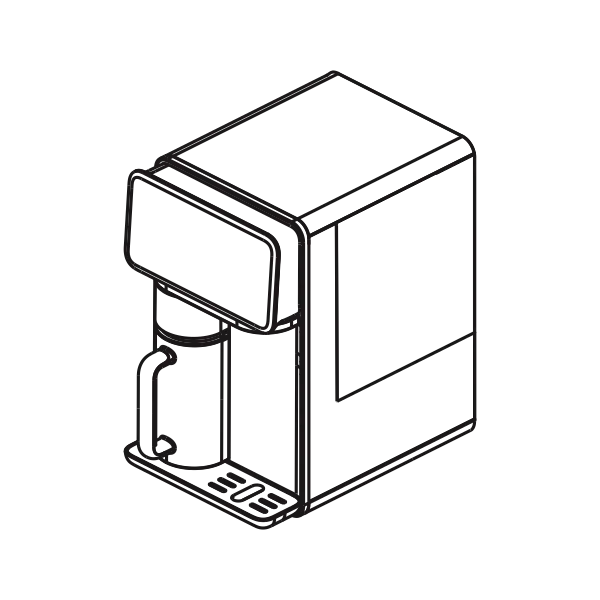
- If you pair your UF filtration with a dispenser like our countertop water cooler, keep both sides clean and sanitized to prevent biofilm and protect the membrane.
With steady UF filter maintenance, proper cleaning practices, and basic membrane protection guidelines, you keep performance high, reduce UF pressure drop, and stretch the filter’s lifespan while protecting your drinking water.