











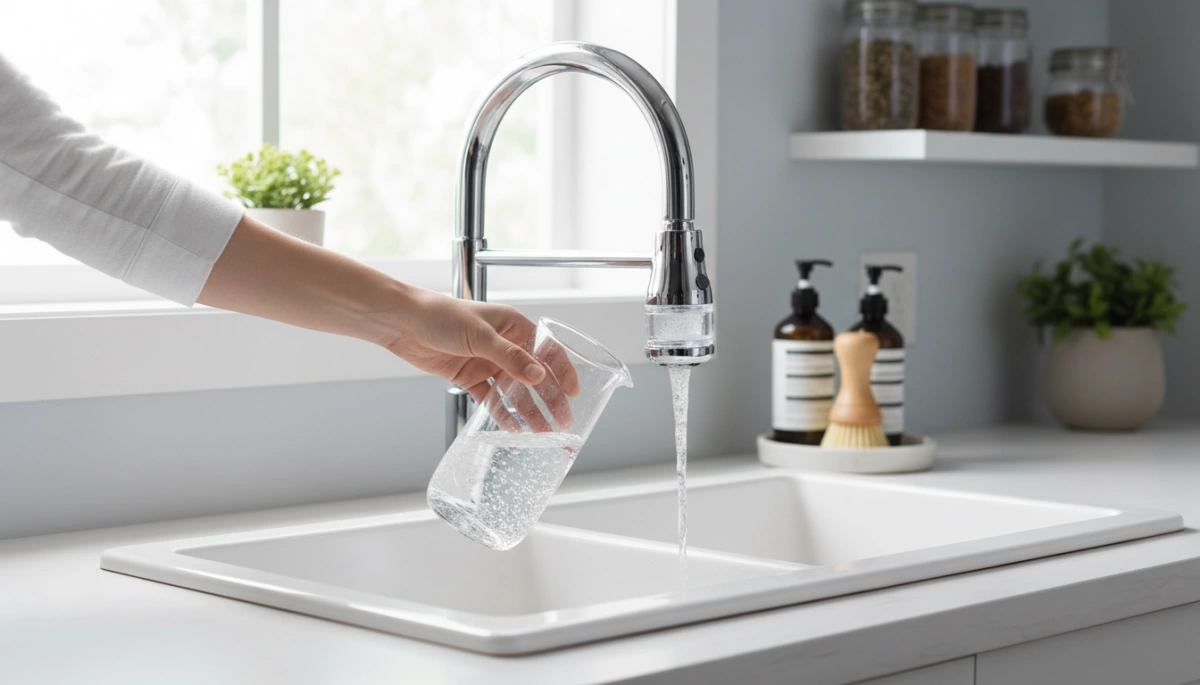
You’ve probably noticed it too: since the pandemic, household hygiene awareness has completely changed. Families are washing hands more, cleaning surfaces more—and asking tougher questions about the clean drinking water coming from their taps.
That shift isn’t a trend. It’s a permanent change in how people think about household water hygiene, tap water contamination risks, and everyday health.
And here’s where it gets interesting:
More and more homeowners are realizing that hygiene doesn’t stop at soap and disinfectant—it extends to every glass of water they drink, cook with, or give to their kids. As a result, demand for faucet mounted water filters (also called faucet water filters or tap filters) is surging, especially simple point of use water filtration solutions that fit right on the tap.
In this guide, you’ll see exactly how rising post-pandemic hygiene habits are driving a boom in faucet filter adoption, why concerns about lead and bacteria, chlorine and contaminant removal, and waterborne disease prevention are reshaping the market, and how brands like Driplife are stepping in with easy install faucet filters that support healthier, more sustainable home water solutions.
If you want to understand why hygiene-minded homeowners now trust filtered tap water more than ever—and how that’s redefining the entire category—you’re in the right place.
The Evolution of Household Hygiene Awareness
Not long ago, most of us thought “household hygiene” meant wiping counters, cleaning bathrooms, and keeping the kitchen looking neat. Now, the conversation has shifted to a deeper level: what’s actually in the water we drink, cook with, and wash with every day.
Pre- and Post-Pandemic Hygiene Shifts
The pandemic completely reset home hygiene priorities. In my own experience building a hygiene-focused water brand, I watched three big behavior changes happen almost overnight:
From visible to invisible threats
Before, people worried about dust, grease, and stains. After COVID, they started worrying about germs, viruses, and waterborne contaminants they couldn’t see.From occasional cleaning to daily routines
Disinfecting surfaces, washing hands, and rinsing produce became non-negotiable daily habits. Clean water became part of that same routine mindset.From blind trust to informed skepticism
More households started asking:- Is my tap water really safe?
- What about chlorine, lead, and bacteria?
- Do I need point of use water filtration at home?
These post‑pandemic hygiene habits directly increased clean drinking water awareness and made people much more conscious of tap water contamination risks.
Water Safety and Invisible Contaminants
Global health events didn’t just make us sanitize more; they made us rethink what we’re putting into our bodies every day. People began to connect:
- Household water hygiene with overall immunity and health
- Invisible contaminants (like lead, chlorine byproducts, and microbial risks) with long‑term wellness
- Daily water use—drinking, cooking, washing produce, brushing teeth—with waterborne disease prevention
That’s why household hygiene awareness trends now include questions like:
- “Is the water I’m cooking my kids’ pasta in really clean?”
- “What’s in the water I’m using for coffee, baby formula, or skincare?”
- “Is a faucet mounted water filter just a ‘nice to have’ or part of everyday hygiene?”
Lasting Behavior Changes in Daily Routines
The result is a permanent shift in post‑pandemic hygiene behavior. Instead of seeing water as “just water,” more families now see it as a core part of their daily hygiene water trend:
- Choosing filtered tap water over random, unfiltered tap sources
- Prioritizing clean water in daily routines for cooking, drinking, and personal care
- Looking for hygiene driven water purification solutions that fit into busy home life
In short, modern household hygiene isn’t just about what we clean on the surface—it’s about what flows out of the faucet. That mindset is exactly what’s driving the rising, cleanliness‑driven demand for faucet filters in homes across the U.S.
Why Clean Water Is Central to Modern Hygiene Practices
Clean water sits at the center of modern household hygiene awareness. It’s not just about wiping counters and washing hands anymore. If the tap water we cook with, drink, and brush our teeth with isn’t safe, every other hygiene habit loses impact. That’s why more U.S. households now see household water hygiene as a core part of their daily routine.
Role of Safe Tap Water in Household Water Hygiene
In a typical American home, tap water touches almost every hygiene moment:
- Drinking and cooking
- Washing fruits and veggies
- Brushing teeth and rinsing mouths
- Making baby formula, coffee, and tea
When that tap water is clean and filtered, it supports daily water routine cleanliness and waterborne disease prevention. When it’s not, it quietly works against the rest of your hygiene habits.
Key Tap Water Contamination Risks in Daily Life
Even if tap water meets basic regulations, there are still tap water contamination risks that matter for health-conscious families:
- Chlorine and disinfection byproducts from municipal treatment
- Lead from older household plumbing or fixtures
- Bacteria or microbial contamination in some systems
These are “invisible” issues you can’t see, smell, or always taste, which is why clean drinking water awareness has become a major post-pandemic hygiene habit.
Impact of Chlorine, Lead, and Bacteria on Health and Hygiene
From a hygiene standpoint:
- Chlorine can dry out skin and hair, affect taste and smell, and make people drink less water.
- Lead is a serious long-term risk, especially for kids’ brain and nerve development.
- Bacteria and other microbes can trigger stomach issues and raise concern about overall household water hygiene.
Because of this, many customers now look for solutions focused on chlorine and contaminant removal, lead and bacteria reduction, and consistent health-conscious water choices. For example, many homeowners start by understanding the principle behind installing a water purifier on a faucet before upgrading their kitchen setup.
Hygiene Now Includes What We Drink
Modern hygiene isn’t just about surface disinfectants and hand soap. It’s just as much about what goes into our bodies:
- Clean counters + clean cooking water
- Washed hands + safe water for kids’ cups and bottles
- Fresh produce + filtered rinse water
This is why faucet mounted water filter benefits now sit squarely in the middle of the household hygiene awareness trend. When I talk to U.S. customers, they don’t see filtration as a luxury add-on anymore—it’s part of a clean water daily routine and a practical way to align hygiene habits with everyday reality at the tap.
The Direct Link Between Hygiene Awareness and Faucet Filter Demand
Post-pandemic hygiene habits changed how we think about tap water. When people in the U.S. started washing hands more, wiping surfaces constantly, and watching what they brought into the house, it naturally led to a sharper household hygiene awareness trend around what we drink and cook with too. Clean water became part of the daily hygiene checklist, not just a “nice to have.”
We see it in buying behavior. Surveys and market reports consistently show that health-conscious water choices are now a top reason for installing faucet filters, often outranking taste or convenience. Families who upgraded air purifiers and cleaning routines are the same ones driving cleanliness driven filtration demand and investing in point of use water filtration at the kitchen sink.
At the same time, many U.S. consumers simply don’t fully trust municipal tap water, especially after news about local contamination issues. This consumer distrust of municipal supplies pushes people toward home filtration, where they feel more in control of tap water contamination risks like chlorine, lead, and bacteria. A faucet mounted water filter sits right at this intersection: it’s visible, always on, and directly tied to your clean water daily routine.
For hygiene-focused buyers, the appeal is straightforward:
- It fits right into daily water routine cleanliness (rinsing produce, brushing teeth, cooking, drinking).
- It supports waterborne disease prevention and reduction of key contaminants without changing the whole plumbing system.
- It’s an easy, relatively low-cost step that aligns with broader post pandemic hygiene behavior and long-term health goals.
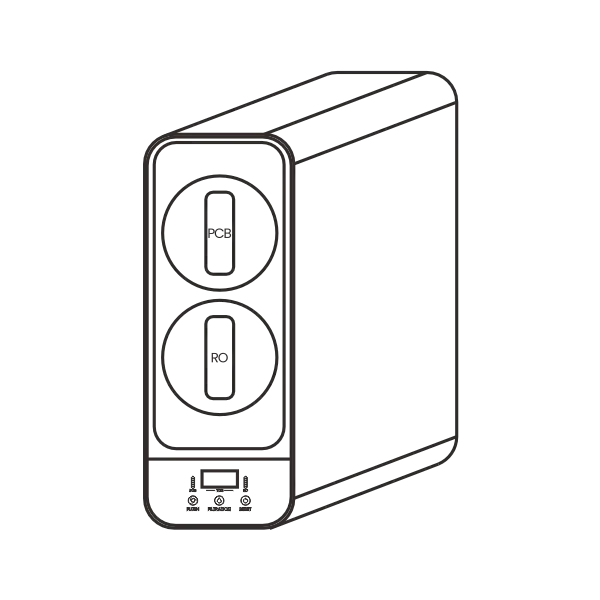
As awareness grows, faucet filters move from “optional gadget” to a core tool in a hygiene driven water purification strategy at home—especially when paired with more advanced systems like reverse osmosis filters that remove a wide range of contaminants (purified vs filtered water explained).
Benefits of Faucet Filters in Supporting Daily Hygiene
Immediate Clean Drinking Water At The Tap
With a faucet mounted water filter, my family gets clean drinking water on demand. No waiting, no refilling pitchers, no extra steps in our daily water routine. This keeps everyone drinking more water, which supports better hydration and overall household water hygiene.
Chlorine And Contaminant Removal
Most U.S. homes rely on city water that’s treated with chlorine. A good faucet filter cuts chlorine, improves taste, and reduces common tap water contamination risks like sediment and micro-particles. That makes clean water a normal part of cooking, coffee, and brushing teeth—not just something from a bottle.
Daily Water Routine Cleanliness
When water tastes and smells better, people drink it more and use it more confidently in their hygiene routines. That means:
- Safer rinsing of fruits and veggies
- Cleaner water for mixing baby formula or pet bowls
- Less plastic waste from bottled water
This is how clean water becomes built into everyday hygiene, not an afterthought.
Lead And Bacteria Reduction For Families
For families, lead and bacteria reduction is non‑negotiable. Faucet filters designed for lead and bacteria reduction help lower exposure from aging pipes and plumbing fixtures. That’s a big deal for kids, pregnant women, and anyone with a weaker immune system, supporting real waterborne disease prevention at the tap.
Easy Install And Everyday Fit
Most easy install faucet filters snap onto standard U.S. kitchen faucets with simple adapters. No tools, no plumber, no drilling. That makes it realistic for renters, busy parents, and anyone who doesn’t want a full under‑sink system but still wants point of use water filtration.
Sustainable Home Water Solutions
Choosing a faucet filter over bottled water is a clear win for sustainable home water solutions:
- Fewer plastic bottles
- Lower long‑term cost per gallon
- Less storage and trash
For homes that want stronger whole‑home protection, pairing faucet filters with options like a countertop reverse osmosis water filter is a smart move, balancing hygiene, convenience, and sustainability in one clean water daily routine.
How Driplife Faucet Filters Align With Hygiene-Focused Needs
When I look at today’s household hygiene awareness trend, I see one clear shift: families want clean, safe water at the tap without hassle. That’s exactly where Driplife faucet filters fit in.
Hygiene-Driven Water Purification Brand
Driplife is built around hygiene-driven water purification, not just “better tasting water.” Our faucet mounted water filter benefits are designed for people who care about daily water routine cleanliness, waterborne disease prevention, and health conscious water choices at home.
Advanced Filtration for Household Water Hygiene
Our point of use water filtration cartridges use multi-stage media to target common tap water contamination risks you see across U.S. cities, including:
- Chlorine and contaminant removal to improve taste and odor
- Lead and bacteria reduction to support safer drinking, cooking, and brushing
- Support for overall household water hygiene in kitchens and bathrooms
By focusing on these core risks, we help families turn regular tap water into clean drinking water they actually trust.
Performance on Chlorine, Lead, and Bacteria
Hygiene-conscious buyers care less about fancy buzzwords and more about real results. Driplife faucet filters are engineered for:
- Noticeable chlorine reduction for better taste and smell
- Targeted lead reduction, especially important in older homes
- Added protection against bacteria and other micro-scale contaminants
This performance-first approach is also why we encourage customers to cut plastic and move away from bottled water, similar to how our sustainable home water solutions approach reduces waste across the board.
Easy Install for Busy Households
Post-pandemic hygiene habits stuck, but nobody has time for complicated hardware. That’s why we focus on:
- Easy install faucet filters that fit common U.S. kitchen faucets
- Simple tool-free setup and quick-connect designs
- Straightforward cartridge changes that don’t require a plumber
If you rent, move often, or just don’t want to remodel your sink, a Driplife faucet filter drops right into your existing kitchen setup.
Durability, Reliability, and Trust
For hygiene-focused families, trust matters. Our faucet mounted filters are:
- Built with durable housings for everyday use
- Designed for consistent flow rate and water pressure
- Backed by quality controls that support long-term consumer trust in filtered tap water
As a manufacturer and supplier, we support OEM and global demand for faucet water filters while still keeping the end user in mind: cleaner water, simple use, and a clear hygiene benefit every time you turn on the tap.
Overcoming Common Barriers to Faucet Filter Adoption
A lot of people want better household water hygiene but still hesitate to add a faucet mounted water filter. Most of the time, it comes down to a few practical worries I hear again and again.
Installation and compatibility: Most modern easy install faucet filters come with quick-connect adapters that fit standard US kitchen faucets. If you can twist off an aerator, you can usually install a filter in a few minutes with no tools. The only tricky cases are specialty pull-down sprayers or designer faucets, where a simple adapter or an under-sink option might be a better fit.
Maintenance and ongoing cost: Cartridge replacement is what keeps chlorine and contaminant removal effective, but it doesn’t have to be a hassle. Clear usage guidelines (like “change every 3 months or X gallons”) and simple twist-off cartridges keep daily water routine cleanliness high with just a few minutes of maintenance a couple of times a year. When you spread the cost over gallons of clean drinking water, it’s usually much cheaper than bottled water.
Flow rate and usability: Good point of use water filtration is designed to balance hygiene and convenience. A well-designed faucet filter keeps normal water pressure for rinsing and switching between filtered and unfiltered modes, so you can cook, wash, and drink without feeling like your sink is “slowed down.”
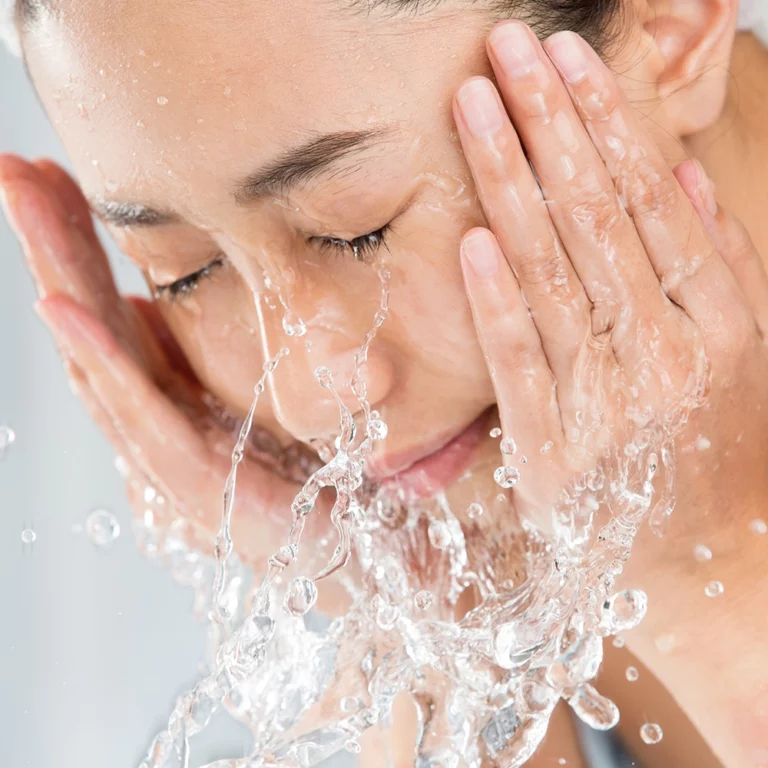
Bottled water vs. faucet filters: Compared with bottled water, a faucet filter cuts plastic waste, last-minute store runs, and storage space headaches while still supporting waterborne disease prevention and health conscious water choices. Compared with basic pitcher filters, faucet systems give faster flow, fresher filtered water on demand, and no constant refilling. For skincare-focused customers, pairing a faucet filter with routines like tap water filtration for facial cleansing brings hygiene benefits into the bathroom too.
Long-term hygiene vs. short-term price: Upfront, a faucet filter can feel like “one more gadget.” But when you factor in fewer bottled water purchases, better tasting tap water, lead and bacteria reduction, and stronger consumer trust in filtered tap water at home, the long-term hygiene and cost advantages are significant. In a post-pandemic hygiene behavior world, this kind of cleanliness driven filtration demand is less about luxury and more about smart, everyday protection for your family.
Future Trends in Household Hygiene Awareness and Faucet Filter Demand
Household hygiene awareness isn’t going backwards. Post‑pandemic hygiene habits are settling into a new baseline where families in the U.S. expect cleaner air, safer surfaces, and especially cleaner tap water. As we keep hearing about boil‑water advisories, aging pipes, and new contaminants, faucet filter demand will keep rising because it fits directly into this “everyday protection” mindset.
We’ll see three big shifts in the coming years:
- Stronger post‑pandemic hygiene behavior: People now build clean water into their daily routine—cooking, rinsing produce, brushing teeth, making coffee, filling pet bowls. That “just in case” habit is turning into a non‑negotiable standard at the tap.
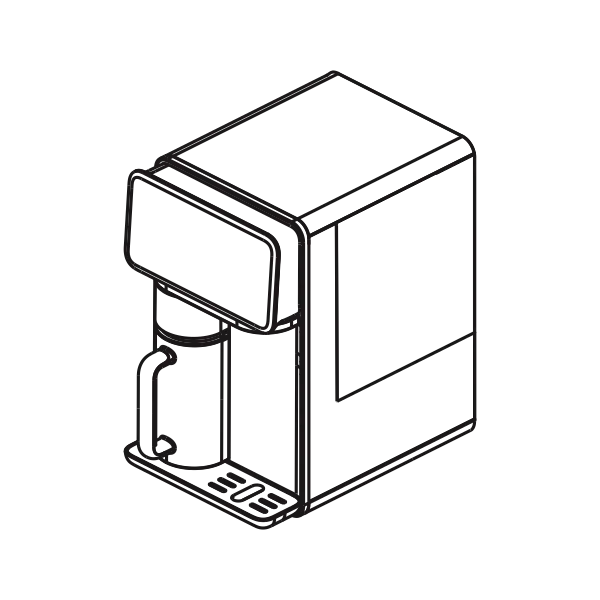
- More sustainable home water solutions: Households are trying to cut plastic bottle waste and avoid bulky dispensers. Faucet filters and other point of use water filtration options give clean drinking water awareness a greener angle by pairing hygiene with less plastic and fewer deliveries. Solutions like countertop RO systems as an alternative to traditional water dispensers show where this sustainable trend is headed.
- Smarter, data‑driven filtration: Smart faucet filters with usage tracking, filter life alerts, and basic water quality indicators will move from “nice to have” to expected. Busy, health‑conscious buyers want simple dashboards or app alerts that confirm their water is being filtered properly, not just a guess based on time.
For hygiene‑focused homes, faucet mounted water filter benefits stay front and center:
- Direct, on‑demand clean water at the source
- Chlorine and contaminant removal that improves taste and confidence
- Lead and bacteria reduction that supports waterborne disease prevention
As household water hygiene keeps trending up, faucet water filters stay a core part of home hygiene strategies—simple to install, easy to maintain, and tightly aligned with modern, health‑conscious water choices.