












Reducing Plastic Bottle Use with Home Water Dispensers: The Real Environmental Impact
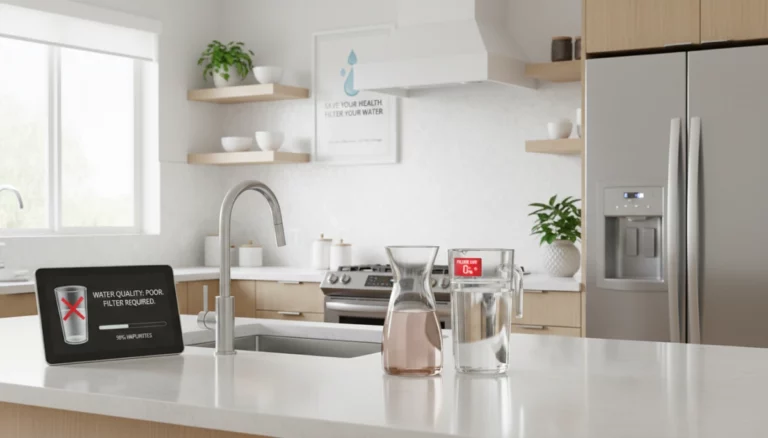
When I look at bottled water in the U.S., I see three problems: a heavy carbon footprint, mountains of plastic trash, and growing concern about microplastics in water. A home water dispenser is one of the simplest ways to tackle all three at once.
Carbon Footprint: Bottled Water vs. Home Dispensers
Bottled water is energy-intensive at every step: making the plastic, bottling, trucking, and chilling.
- Producing and transporting bottled water can use up to 1,000–2,000 times more energy than tap water.
- A single 16.9 oz bottle carries the emissions of plastic production plus miles of transport.
- A home water dispenser, especially a point-of-use tankless RO water dispenser connected to your tap, mainly uses:
- Minimal electricity to chill/heat water
- Small, infrequent filter replacements
- Over a year of family use, the carbon footprint of a home water dispenser is a fraction of buying cases of bottled water every week.
Cutting Plastic Bottle Waste at the Source
Reducing plastic bottle use with home water dispensers works because you remove the need to buy single-use containers in the first place.
- You switch from hundreds of PET bottles to a fixed, durable appliance and reusable water bottles.
- My own dispenser system is built as a sustainable home appliance: long-life components, replaceable cartridges, and minimal plastic per gallon filtered.
- Instead of sending bottle after bottle to landfills or recycling plants, you create a steady, low-waste stream of filtered tap water right at home.
Microplastics: Bottled vs. Filtered Tap
Microplastics in water are a real and growing concern.
- Studies have found higher microplastic levels in bottled water compared to many municipal water supplies.
- A household water filtration system with advanced filters (like a reverse osmosis system plus carbon block) can:
- Reduce many microplastic particles
- Improve taste and odor
- Help you trust your municipal water quality more
- By relying on a home water dispenser instead of disposable bottles, you limit your exposure to microplastics from both the water and the bottle itself.
How Many Bottles Can One Dispenser Replace?
Even conservative numbers are eye-opening.
Assume:
- Family of 4
- Each person drinks 3 bottles (16.9 oz) per day
That’s:
- 12 bottles per day
- ~365 days per year
- Over 4,300 plastic bottles every year
One eco-friendly water filter and dispenser can realistically replace 4,000–6,000 single-use bottles annually for a typical U.S. household, depending on how much you drink. That’s powerful plastic waste reduction at home from a single sustainable drinking water solution.
In short, reducing plastic bottle use with home water dispensers is not a feel-good gesture—it’s a concrete, measurable way to cut your carbon footprint, reduce microplastics exposure, and eliminate thousands of single-use bottles from your home.
Beyond Sustainability: The Practical Benefits of Switching

Cost of Bottled Water vs Home Water Dispensers for Families
When I stack the cost of bottled water against a home water dispenser, the numbers are clear.
| Option | Typical Cost (Family of 3–4) | Notes |
|---|---|---|
| Bottled water (single-use) | $60–$120/month | Higher if you buy name-brand bottles |
| Home water dispenser + filters | $20–$40/month (averaged) | Includes filter replacements and upkeep |
By moving to a point-of-use home water dispenser, most U.S. households cut drinking water costs by 30–60% while also driving serious single-use plastic reduction.
How Home Water Dispensers Improve Daily Convenience
A home water dispenser turns hydration into a set-it-and-forget-it routine:
- Hot and cold water on demand for coffee, tea, and chilled water
- No more hauling heavy cases of bottled water from Costco or Target
- A fixed “hydration station for home” that keeps everyone drinking more water
- Easy to pair with reusable water bottles so you always have grab-and-go eco-friendly hydration
Health and Water Quality Benefits of Home Filtration
With a good household water filtration system, I control what stays in the water and what gets removed.
- Filters reduce chlorine taste, odors, and many common contaminants
- A quality reverse osmosis system gives clean-tasting, consistent water, regardless of seasonal changes in municipal water quality
- It’s easier to drink more water when it tastes good, which supports better daily health habits
If you want a deeper breakdown of health benefits, I recommend looking at the benefits of reverse osmosis water for home to see how RO supports both wellness and savings.
Why Reducing Plastic Bottle Use Saves Money and Time Long Term
Reducing plastic bottle use isn’t just an environmental water choice — it’s a time and money play:
- Fewer store trips and online orders for bottled water
- Less storage space wasted on cases and jugs
- Lower long-term cost per gallon from a sustainable hydration appliance
- A reliable, eco-friendly water solution you can use for years with simple filter changes
For most families, a BPA-free water dispenser is the simplest way to lock in lower costs, cut plastic waste, and make everyday drinking water easy.
How Water Dispenser Technology Works to Reduce Waste
Direct-to-tap home water dispensers
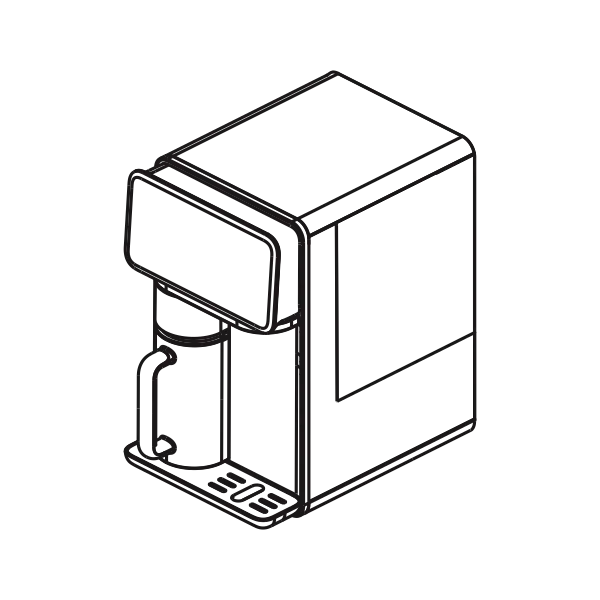
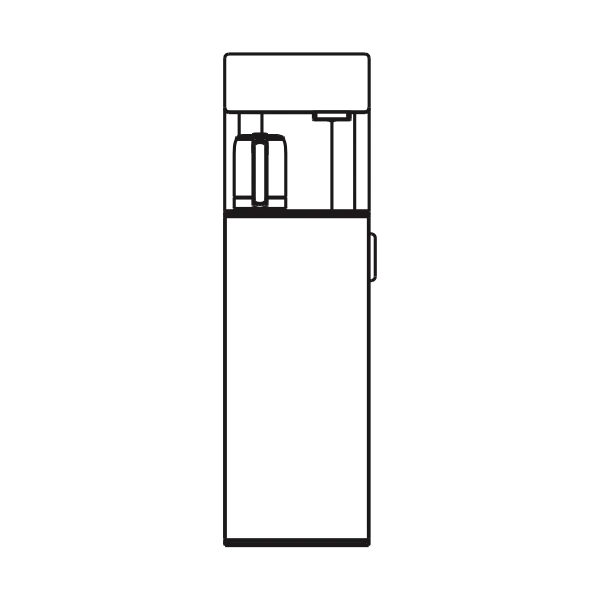
Direct-to-tap home water dispensers cut plastic at the source. Instead of buying cases of single-use bottles, I connect a point-of-use water dispenser straight to my municipal water line and filter on demand. A compact under-sink water filter dispenser or a countertop water cooler dispenser gives my family cold, hot, or room-temp water without any plastic bottles coming through the door. For example, a countertop unit like this countertop water cooler dispenser turns tap water into an eco-friendly hydration station with zero bottled water delivery.
Tankless RO systems and plastic footprint
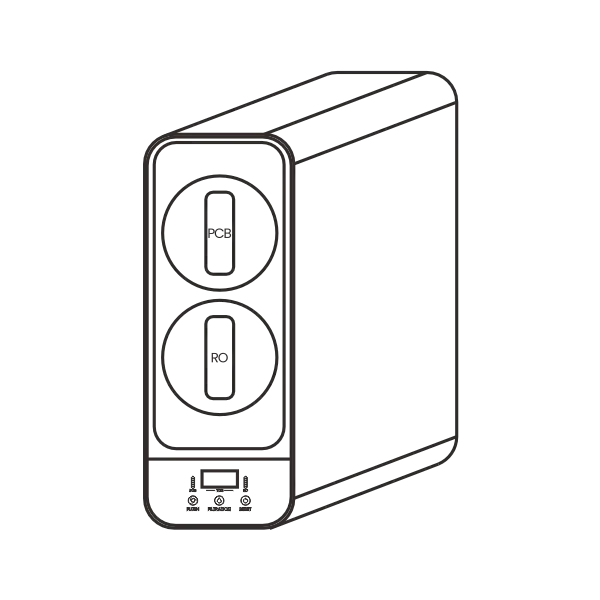
A tankless RO water dispenser uses a high-efficiency reverse osmosis system without a bulky storage tank. That setup:
- Filters only what we drink, cutting wasted water
- Eliminates plastic jugs and bottled water deliveries
- Fits as a sustainable home appliance in smaller U.S. kitchens
By pairing RO with an eco-friendly water filter design, I get clean, great-tasting water with a much lower plastic footprint.
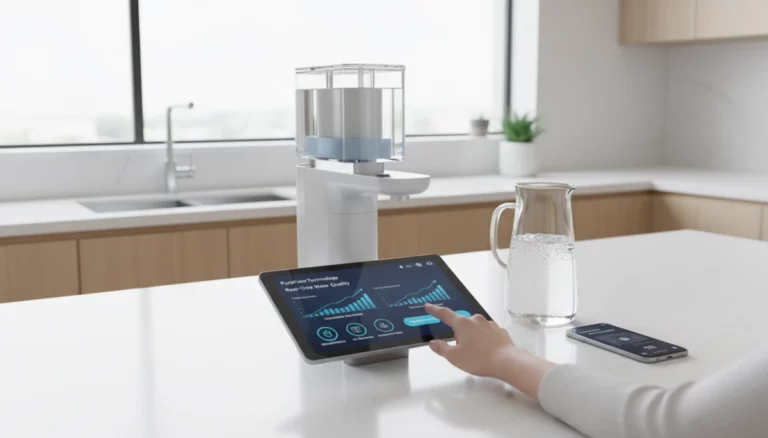
Smart monitoring and filter tracking
Smart filter monitoring is a big deal for a plastic-free home. Instead of guessing when to swap cartridges, the dispenser tracks:
- Actual filter cartridge lifespan
- Water volume used per family
- Real-time filter status via LED or faucet UI
With smart monitoring (similar to the tech discussed in this guide on customizing the filter life indicator and faucet UI), I only replace filters when needed, which avoids tossing half-used cartridges and keeps waste low.
Durable eco-friendly dispenser design
To really reduce plastic bottle use long term, the dispenser itself has to be built to last. I focus on:
- BPA-free water dispenser components in all water-contact parts
- Metal or high-grade, recyclable housings
- Serviceable parts instead of “throwaway” designs
A durable, sustainable drinking water solution like this becomes a long-term green water system for the home, making single-use plastic reduction part of everyday life instead of a short-term experiment.
Choosing the Right Eco-Friendly Dispenser for Your Home
When I look at ways to reduce plastic bottle use at home, I treat the water dispenser like any other sustainable home appliance: it has to fit real life, not just look “eco” on paper.
Countertop vs under-sink for plastic reduction
Both a countertop filtration system and an under-sink water filter can cut single-use plastic dramatically, but they fit different homes:
- A countertop point-of-use water dispenser works best in apartments, rentals, or offices where drilling or plumbing changes aren’t ideal. You still get a dedicated hydration station for home, with filtered hot and cold water on demand, so the whole family stops reaching for bottled water. If you want an all-in-one bottled water alternative, a compact countertop 3-in-1 RO cold and hot water purifier is usually the most flexible option.
- An under-sink water filter keeps your sustainable hydration appliance hidden and frees up counter space. It’s great for families that cook a lot, fill big pitchers, and drink most water from the kitchen tap. Because it’s a true point-of-use water dispenser at the faucet, it quietly supports a plastic-free home without changing your routine much.
If your family drinks water all day, a dedicated tap or dispenser you actually like using is the fastest way to drive household plastic reduction.
Best filtration types to cut bottle dependence
To really replace bottled water at home, the water has to taste clean and feel reliable. I focus on systems that remove the stuff people in the U.S. worry about most: chlorine taste, sediment, some heavy metals, and microplastics in water.
- Carbon filters are the base layer I rarely skip. A good carbon stage improves taste and smell, which is what convinces people to choose tap over bottles. If you’re comparing options, it helps to understand what carbon filters actually remove from water.
- Sediment and pre-filters protect the main filter and extend filter cartridge lifespan, so you replace cartridges less often and keep waste down.
- For areas with known water quality issues, I pair carbon with a reverse osmosis system or UF membrane so the dispenser feels as safe and “premium” as bottled water.
When water looks, smells, and tastes good every time, the habit of buying bottled water drops off fast.
RO vs UF for eco-friendly home hydration
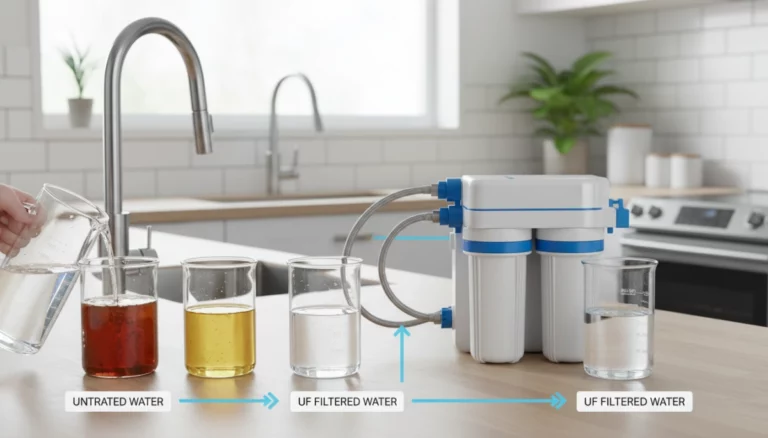
Both RO and UF can be part of an eco-friendly water filter setup, but they’re not the same:
- Reverse osmosis (RO) systems push water through a very tight membrane. They’re strong at removing dissolved solids, some heavy metals, and many contaminants that make people nervous. For families who want the cleanest possible bottled water alternative, a tankless RO water dispenser with smart filter monitoring is usually the best fit.
- Ultrafiltration (UF) uses a looser membrane that blocks bacteria and larger particles but lets minerals stay. UF doesn’t usually waste water the way older RO systems do, which is good for an eco hydration lifestyle, but it won’t handle dissolved solids as aggressively.
In U.S. homes with decent municipal water quality, UF plus carbon can be a sustainable drinking water solution. In areas with poor or hard water, I lean toward under-sink RO water filters that balance strong purification with efficient, tankless designs, like a modern under-sink RO water filter.
Safe materials and BPA-free components
An eco-friendly hydration appliance also has to be safe to use every day:
- I always choose a BPA-free water dispenser with food-grade internal tubing and tanks. Safe materials matter even more on hot and cold water dispensers, where heat can pull chemicals from cheap plastics.
- Stainless steel or certified food-grade plastics in water contact areas help protect against leaching and keep taste clean over time.
- For a long-term green water system, I look at how easily parts can be serviced and how durable the outer shell and faucets feel. A dispenser that lasts 7–10 years beats a “cheap” unit that fails in two and ends up as plastic waste.
When you put it all together—BPA-free components, the right filtration type for your local municipal water quality, and a dispenser style that matches your kitchen—it becomes much easier to reduce plastic bottle use at home and commit to a plastic-free home hydration setup.
A Step-by-Step Guide to a Plastic-Free Home
1. Audit Your Plastic Bottle Use at Home
If you want to reduce plastic bottle use at home, start by knowing your baseline.
- Count how many single-use bottles your family goes through in a week.
- Note sizes (16.9 oz, 1L, 1 gallon) and brands.
- Multiply by 52 to see your yearly plastic waste and cost.
| What to Track | Why It Matters |
|---|---|
| Bottles per week | Shows plastic waste volume |
| Total weekly cost | Compares cost of bottled water vs tap |
| Brands / sizes | Helps pick the right dispenser capacity |
This quick audit makes the switch to an eco-friendly water solution feel obvious, not theoretical.
2. Choose a Home Water Dispenser That Fits Your Life
Next, pick a home water dispenser that matches your space, water quality, and family habits.
- Small kitchen or rental? A countertop filtration system is easy to set up and move.
- Bigger family or high daily use? An under-sink water filter with a dedicated faucet keeps up without cluttering the counter.
- Love cold or sparkling drinks? Pair a point-of-use water dispenser with one of the best chilled water dispensers for home use or a home soda machine.
Key things to check:
| Factor | What to Look For |
|---|---|
| Space | Countertop vs under-sink vs freestanding |
| Water quality | RO for heavy contaminants, UF/activated carbon for taste and odor |
| Filter cartridge lifespan | Longer life = less waste and lower cost |
| Materials | BPA-free water dispenser, lead-free fittings |
3. Set Up Reusable Bottles as Your New “Default”
Once the dispenser is in, make reusable water access frictionless.
- Give each family member a labeled reusable water bottle.
- Keep bottles filled and stored in a visible “hydration station for home.”
- Put a couple of extras by the door for grab-and-go.
To lock in the habit:
| Action | Result |
|---|---|
| Remove plastic bottles from view | Cuts mindless single-use plastic use |
| Keep reusable bottles within reach | Encourages eco-friendly hydration all day |
| Take bottles in the car and to work | Makes your plastic-free home lifestyle portable |
4. Recycle and Replace Filters the Right Way
A sustainable drinking water solution only works if we handle filters responsibly.
- Follow the manufacturer’s schedule for filter replacement to keep water purification technology performing well.
- Use smart filter monitoring or calendar reminders so you don’t swap filters too early and create extra waste.
- Check if your reverse osmosis system or eco-friendly water filter brand offers a take-back or recycling program.
- Bag used filters separately so they don’t end up in regular trash if recycling is available.
| Habit | Sustainability Benefit |
|---|---|
| Replace filters on time | Keeps water safe without unnecessary waste |
| Use recycling/take-back programs | Reduces plastic waste reduction at home |
| Log filter changes | Tracks true filter cartridge lifespan |
Follow these steps, and your home shifts from bottled water dependence to a clean, simple, plastic-free home hydration setup that saves money, time, and a lot of plastic.