How KDF Media Works: The Science of Redox
When we engineer our filtration systems, we rely on proven science rather than just basic screening. The core power of a KDF water filter lies in a chemical process known as Redox (Oxidation-Reduction). Unlike standard filters that merely trap dirt, KDF media actively exchanges electrons with contaminants to neutralize them.
Understanding the Copper and Zinc Alloy
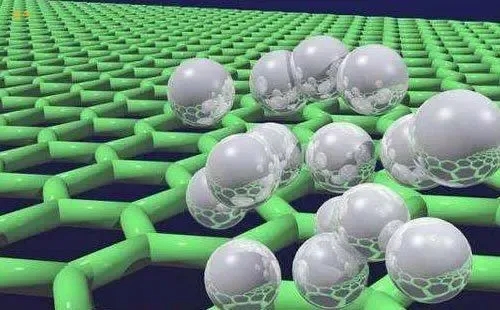
At the microscopic level, our KDF 55 media consists of high-purity copper and zinc granules. These two dissimilar metals create a small electrochemical reaction when water passes through them. This reaction is the engine that drives the purification process, effectively targeting impurities that standard carbon filters might miss or get clogged by.
Converting Chlorine into Harmless Chloride
One of the most immediate benefits we see with KDF is its ability to tackle chlorine. Through the Redox process, free chlorine is chemically converted into harmless, water-soluble chloride. This prevents the harsh chemical taste and odor often found in municipal water supplies while protecting the subsequent carbon stages from oxidative damage.
Trapping Heavy Metals Like Lead and Mercury
Safety is our priority, which is why we utilize KDF 55 to address toxic heavy metals. The media acts like a magnet for dissolved metals.
- Lead and Mercury: These soluble heavy metals bond to the surface of the KDF granules.
- Permanent Removal: Once attached, these contaminants are effectively removed from the water stream.
- Bacteriostatic Environment: The process also creates an environment that inhibits the growth of bacteria and algae within the filter itself.
KDF 55 vs KDF 85: Which One Do You Need?
When selecting a filtration system, understanding the difference between media types is crucial for targeting your specific water quality issues. The choice between these two formulations of Kinetic Degradation Fluxion media largely depends on whether your home relies on a municipal supply or a private well. We utilize specific media blends to ensure the highest purity for your household.
KDF-55 for Municipal City Water
For most households connected to city water, KDF 55 is the gold standard. We integrate this medium into our systems because it excels at the redox process water filtration needed for treated water. Its primary job is targeting chlorine removal and reducing soluble heavy metals.
- Chlorine Reduction: It effectively neutralizes chlorine, which is commonly added to city water for disinfection but causes bad taste and odor.
- Heavy Metal Removal: It targets cations like lead, mercury, and copper, plating them onto the media surface.
- Bacteria Control: It creates a bacteriostatic environment that prevents microbial growth within the filter.
This makes KDF-55 the ideal engine for our under-sink and table-top water dispensers, ensuring your drinking water is safe and tastes fresh.
KDF-85 for Private Well Water Issues
While our primary focus often aligns with city water needs, it is important to understand KDF 85 for those on private wells. This formulation is chemically similar to KDF 55 but is optimized for well water treatment.
- Iron Removal: It targets dissolved iron, which causes orange staining on fixtures.
- Hydrogen Sulfide Reduction: It eliminates the “rotten egg” smell often found in untreated groundwater.
- Scale Control: It helps manage hard water scale buildup in plumbing.
Comparison of Filter Media Targets
To help you decide which solution fits your water source, here is a breakdown of what each media type targets:
| Feature | KDF 55 (City Water) | KDF 85 (Well Water) |
|---|---|---|
| Primary Target | Chlorine & Heavy Metals | Iron & Hydrogen Sulfide |
| Water Source | Municipal / Treated Water | Private Well / Groundwater |
| Heavy Metal Removal | Excellent (Lead, Mercury, Nickel) | Good (Plus Iron/Manganese) |
| Odor Control | Chlorine Taste & Odor | Rotten Egg Smell (Sulfur) |
| Bacteriostatic | Yes | Yes |
By utilizing the correct copper-zinc alloy blend, we ensure that contaminants are neutralized effectively before the water ever hits your glass.
Top Benefits of Using KDF Filtration
When we engineer our water systems, we don’t just rely on a single method to clean your water. We integrate KDF water filter media because it handles the heavy lifting that standard filters simply can’t manage alone. This copper-zinc alloy isn’t just a filler; it is a powerhouse that fundamentally changes the chemistry of contaminants before they ever reach your glass.
High-Temperature Stability for Hot Water
One of the biggest limitations of traditional carbon filters is their inability to handle heat. Hot water causes carbon to expand and release trapped contaminants back into the stream. KDF media, however, remains effective even at elevated temperatures. This high-temperature stability makes it the ideal media for applications where hot water is present, such as protecting your skin and hair with the best shower head water filter. While carbon focuses on taste, KDF ensures filtration performance doesn’t degrade when the temperature rises.
Bacteriostatic Properties That Stop Algae
A common concern with long-life filters is the potential for bacterial growth inside the cartridge over time. KDF media is bacteriostatic, meaning it creates an environment where bacteria, algae, and fungi cannot survive or reproduce. By generating an electrolytic field within the filter bed, we ensure that the interior of your filtration system remains sanitary throughout its entire lifespan, preventing that slimy buildup often found in lower-quality generic filters.
Extending the Life of Carbon Filters
We use KDF 55 in our multi-stage systems to protect the more delicate Activated Carbon Block. Think of KDF as the first line of defense; it neutralizes harsh chemicals like chlorine and prevents scale buildup before the water hits the carbon stage. By reducing the chemical load on the carbon, we significantly extend the lifespan of our cartridges, allowing some of our models to deliver between 8,000 to 16,000 gallons of clean water. This synergy ensures you aren’t constantly swapping out filters.
Heavy Metal Sequestration
Our primary goal is safety, and heavy metal sequestration is where KDF shines. Through the redox process, soluble heavy metals like lead, mercury, and copper bond to the KDF media surface and are effectively removed from the water supply. This is crucial for households with older plumbing or municipal water concerns, ensuring that these neurotoxins are trapped permanently within the filter cartridge rather than ending up in your body.
Key Performance Benefits of KDF Media
| Benefit | Function | Impact on Water Quality |
|---|---|---|
| Scale Control | Modifies calcium structure | Prevents hard water buildup in pipes and appliances. |
| Chlorine Removal | Converts chlorine to chloride | Eliminates harsh chemical tastes and odors instantly. |
| Heavy Metal Removal | Bonds via Redox process | Drastically reduces lead, mercury, and copper levels. |
| Bacteriostatic | Electrolytic field generation | Inhibits bacteria and algae growth inside the filter. |
Why We Combine KDF-55 with GAC
The Problem with Single-Stage Filters
Relying on a single filtration method often leaves gaps in water protection. Standard carbon filters are excellent at removing chlorine and improving taste, but they struggle when faced with heavy inorganic contaminants. Without a pre-filter stage, Granular Activated Carbon (GAC) pores become quickly clogged by sediments and heavy metals, significantly reducing the filter’s lifespan and effectiveness. In many US households, a single-stage filter simply cannot handle the diverse mix of municipal water additives and aging pipe contaminants.
Our Hybrid Approach to Water Purification
To solve the limitations of basic filters, we utilize a hybrid approach that integrates KDF 55 (Kinetic Degradation Fluxion) media with Advanced Activated Carbon Block. This combination creates a bacteriostatic filtration environment where each media type targets specific impurities. By placing the KDF media at the forefront, we effectively target water-soluble heavy metals and chlorine before the water ever reaches the carbon stage. This synergy not only ensures cleaner water but also extends the operational life of the carbon block, allowing our systems to deliver up to 16,000 gallons of purified water.
How Multi-Stage Purification Works
Our filtration process is designed to neutralize threats in a logical sequence, ensuring no single stage is overwhelmed. While some systems rely on a single barrier, our multi-stage water purification strategy forces water through distinct layers of defense:
- Stage 1: Sediment & Pre-Filtration: Removes larger particles like rust, sand, and dirt that can damage internal components.
- Stage 2: KDF 55 Media: Utilizes the redox process to neutralize chlorine and convert heavy metals like lead and mercury into harmless forms. This stage also prevents bacteria and algae growth within the system.
- Stage 3: Advanced Carbon Block: Polishes the water by absorbing remaining chemicals, bad tastes, and odors.
- Stage 4: 0.5 Micron Membrane: Captures microscopic cysts and fine impurities that bypass earlier stages.
For detailed assistance on installation or system specifications, our technical support team can help you identify the right configuration for your home’s plumbing.
Neutralizing Hard Contaminants Before Polishing
The true strength of a KDF water filter lies in its ability to act as a shield for the GAC. By neutralizing “hard” contaminants like copper, lead, and mercury first, the KDF 55 media prevents the carbon block from becoming exhausted prematurely. This allows the activated carbon to focus entirely on “polishing” the water—removing volatile organic compounds (VOCs) and ensuring a crisp, refreshing taste. This division of labor is why our systems maintain high flow rates of 2.0 GPM without sacrificing filtration accuracy.
Common Applications for KDF Filters
The versatility of the kdf water filter media allows it to be deployed across various water treatment scenarios, from bathroom safety to kitchen purity. Because Kinetic Degradation Fluxion (KDF) relies on a chemical redox process rather than just physical trapping, it handles conditions that other media, like standard carbon, might struggle with.
Shower Filters for Skin and Hair Health
One of the standout features of KDF media is its high-temperature stability. Unlike Granular Activated Carbon (GAC), which can become less effective or even release trapped contaminants in very hot water, KDF remains stable and active. This makes it the industry standard for shower filtration. By effectively converting free chlorine into harmless chloride even at high temperatures, these filters help prevent the dry skin and brittle hair often caused by chlorinated municipal water.
Whole House Systems for Scale Control
For homeowners looking to protect their entire plumbing infrastructure, whole house systems often incorporate KDF media for its ability to manage hard water issues. The redox process modifies the crystal structure of scale-causing minerals like calcium and magnesium. This provides effective scale control, preventing mineral buildup in pipes, water heaters, and appliances without removing the healthy minerals from the water supply.
Under-Sink and Countertop Drinking Water Units
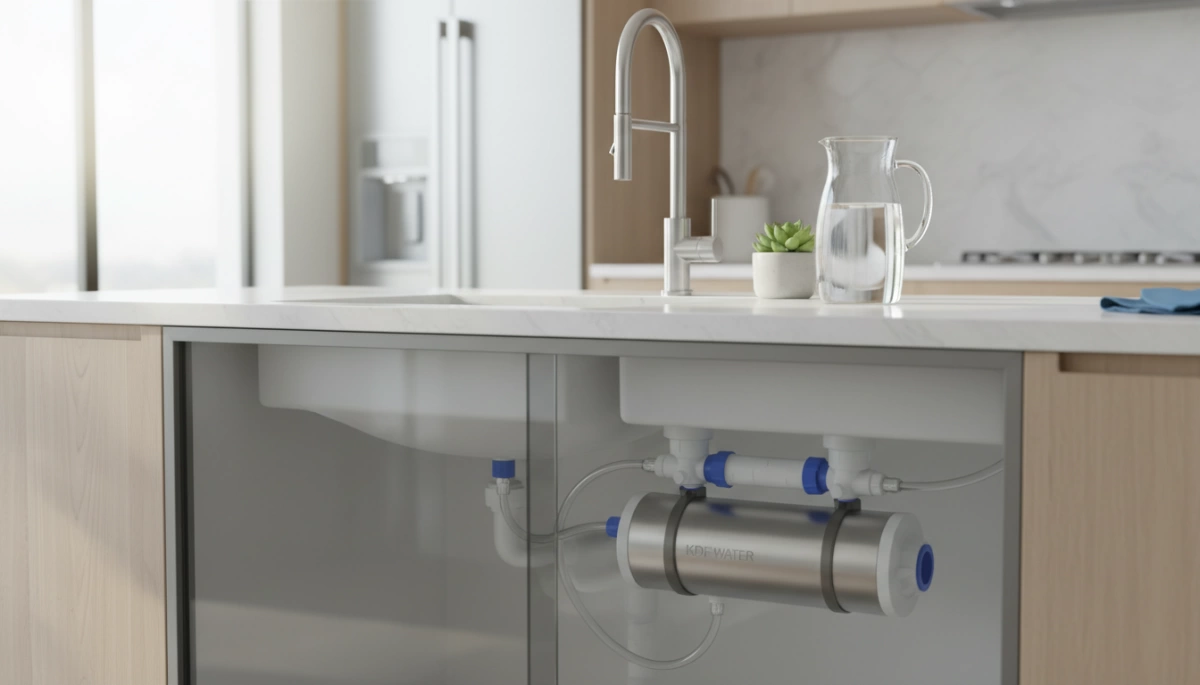
This is where our expertise truly lies. We integrate KDF 55 directly into our high-performance under-sink and countertop drinking water units. In these point-of-use systems, KDF serves a dual purpose:
- Heavy Metal Reduction: It specifically targets and neutralizes water-soluble heavy metals like lead, mercury, and copper.
- Carbon Protection: By addressing chlorine and metals first, the KDF layer prevents the activated carbon block from getting clogged too quickly, significantly extending the filter cartridge lifespan.
For families evaluating the cost of water filter for home setups, these KDF-enhanced systems offer a high-value balance of longevity and filtration precision. Our designs utilize a compact, multi-stage approach that fits easily in standard US kitchens, providing a flow rate of up to 2.0 GPM so you don’t have to wait for clean water.
Safety and Maintenance of KDF Media
Is KDF Safe and NSF Certified?
Safety is the baseline for everything we build. When you choose a kdf water filter, you are choosing a system designed with rigorous health standards in mind. We utilize NSF/ANSI 42 certification compliant materials to ensure that every component touching your water is lead-free and food-grade. This standard specifically covers the material safety and structural integrity of the system, verifying that the filter itself doesn’t introduce impurities back into your water supply.
To understand how we integrate these safety standards into our designs, you can look at the engineering of multistage filtration, which details how we layer safe, effective media to tackle contaminants without compromising water quality.
Knowing When to Replace Your Filter Cartridge
We know that maintenance is often the biggest pain point for homeowners, so we engineered our systems for longevity and simplicity. Unlike standard pitchers that need changing every month, our filter cartridge lifespan is extensive, handling between 8,000 to 16,000 gallons depending on the specific model.
You generally need to replace the cartridge when you notice:
- A significant drop in water pressure (flow rate drops below the standard 2.0 GPM).
- The return of chlorine taste or odors.
- The expiration of the recommended service cycle (typically 12 to 24 months).
When it is time for a change, our Twist-and-Lock design allows you to swap the filter in about 3 seconds. It is a tool-free process that requires no professional help—just twist the old one out and lock the new one in.
Recyclability and Green Filtration
Our approach to multi-stage water purification isn’t just about clean water; it’s about reducing waste. Because our KDF and carbon block filters have such a high capacity, you are disposing of cartridges far less frequently than with lower-quality systems. A single DripLife filter can replace thousands of single-use plastic water bottles, significantly lowering your household’s plastic footprint while delivering consistent purity.
Frequently Asked Questions About KDF
Does KDF remove fluoride?
While Kinetic Degradation Fluxion (KDF) is primarily engineered for heavy metal removal and neutralizing chlorine, it plays a vital role in a broader filtration strategy. KDF 55 specifically targets contaminants like lead, mercury, and copper through the redox process. In our multi-stage systems, we combine KDF with advanced carbon blocks and membranes to ensure a wide range of impurities, including fluoride, are effectively managed. The KDF layer protects the subsequent stages, allowing the overall system to perform at peak efficiency for comprehensive water treatment.
Can KDF reduce water hardness?
KDF media is excellent for scale control, though it functions differently than a traditional water softener. Instead of removing healthy minerals like calcium and magnesium, the copper-zinc alloy modifies their crystal structure, preventing them from forming stubborn scale buildup on your fixtures and appliances. This process helps maintain water flow and protects your plumbing without the need for salt. For more details on managing mineral buildup, you can read about hard water modification and preventing limescale in our dedicated guide.
Why is KDF more expensive than carbon?
The cost difference comes down to the materials and longevity. Granular Activated Carbon (GAC) is typically plant-based, whereas KDF is a specialized high-purity metal formulation. Despite the higher initial cost, KDF offers exceptional value by significantly extending the lifespan of the carbon filters it is paired with. Its bacteriostatic properties prevent algae and bacteria growth within the filter, and its high capacity for holding heavy metals means you aren’t replacing cartridges as frequently. Ultimately, it ensures a safer, longer-lasting filtration solution for your home.