














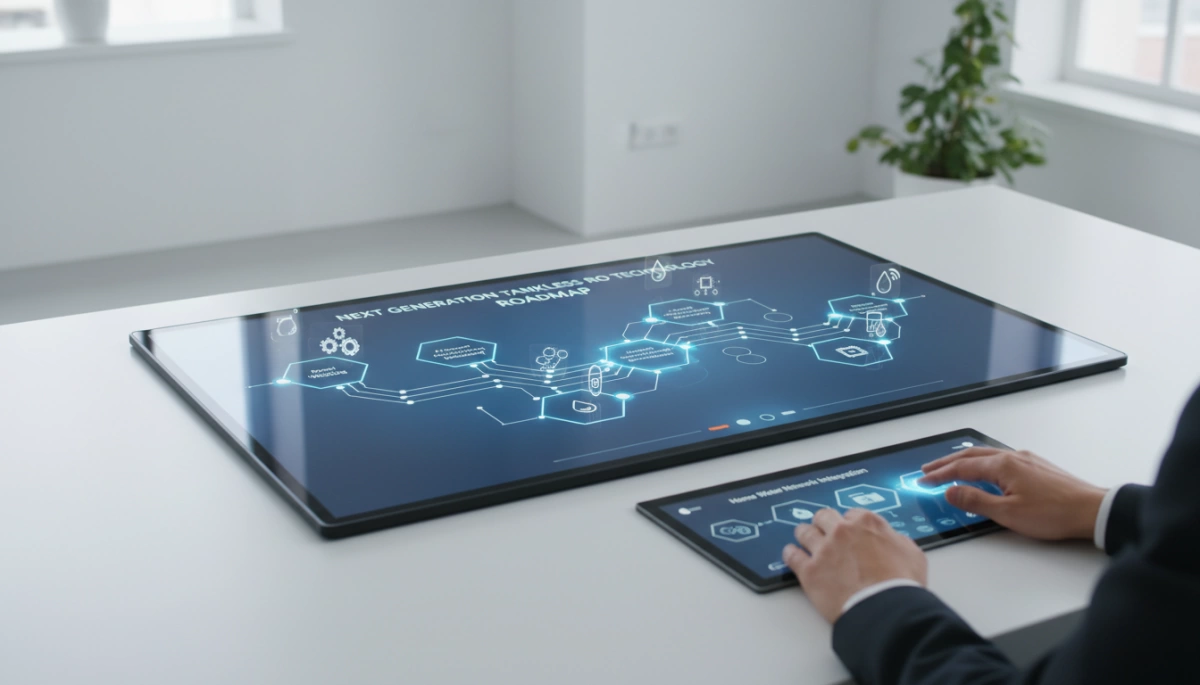
Choosing the right next generation tankless RO technology roadmap isn’t just a technical decision—it’s a strategic move for your brand. The market is shifting fast from bulky tanks to compact, high-flow, smart RO systems that solve real problems: noise, slow flow, TDS creep, and clunky maintenance.
In this guide, you’ll see exactly how the next wave of tankless RO systems is being engineered: from high-flux membranes (800–1000 GPD) and low drain ratio designs, to BLDC silent pumps, integrated waterway boards, and IoT water purifier platforms with real-time TDS monitoring.
If you’re planning your next flagship OEM/ODM tankless RO product—and you want it to be smaller, faster, smarter, and more sustainable—this roadmap is for you.
The Market Shift in Next Generation Tankless RO Technology Roadmap
Homeowners and product teams in the U.S. are moving fast from bulky tank RO units to compact under-sink tankless RO systems. Cabinets are getting tighter, kitchens are getting smarter, and nobody wants a big plastic tank taking up space or growing bacteria. This is where the next generation tankless RO technology roadmap really starts: high-flow, compact, and connected under-sink RO design.
But the current wave of tankless RO systems still leaves real pain on the table:
- Noise and vibration from cheap pumps that rattle the cabinet
- Low flow rate, especially with older 400GPD membranes or weak pumps
- TDS creep, where the first cup has higher TDS because the membrane hasn’t flushed properly
- Inconsistent experience when inlet pressure changes or multiple taps run
On my next generation tankless RO technology roadmap, the goal is simple and measurable:
- Silent tankless RO operation using BLDC booster pumps and better structural design
- Instant, stable flow at the faucet, even at high capacity (800–1000+ GPD)
- Intelligent hydration, with real-time TDS monitoring, smart faucet with TDS display, and sensor-based filter life tracking
This is the shift I’m building for: next generation tankless RO systems that deliver high performance, low drain ratio, and smart control — without the noise, hassle, or TDS creep that define first-generation tankless RO products.
Core Technology Evolution in Next Generation Tankless RO Technology Roadmap
In our next generation tankless RO systems, the core technology roadmap starts with the membrane. We’re moving to low-pressure, high-flux RO membranes in the 400–1000+ GPD range, including high-flow RO membrane 800GPD and high-flow RO membrane 1000GPD options. That lets a compact under-sink RO design deliver high drinking water output without oversized pumps, while supporting high recovery rate RO membranes that push toward a 2:1 or even 3:1 pure to waste ratio for low drain ratio RO technology.
To make daily use feel instant and smooth, we’re standardizing zero-waiting pump technology built around a BLDC booster pump for silent RO performance. A brushless DC pump in RO systems gives us stable pressure, fast start-up, and much quieter operation for a truly silent tankless RO operation under your kitchen sink. On top of that, dynamic pressure management keeps flow consistent even when inlet water pressure in a U.S. home swings because of sprinklers, showers, or multi-story plumbing.
We’re also engineering around one of the biggest complaints with current tankless RO technology: TDS creep. Our roadmap calls for a TDS creep solution in tankless RO that uses fresh water flush technology and an automatic membrane flushing system before and after use, so you don’t get a “bad first cup.” Paired with real-time TDS monitoring and a smart faucet with TDS display, you actually see the system deliver clean, stable water quality instead of guessing what’s coming out of the tap. These same core technologies are already reflected in our high-flow 600–1200 GPD under-sink RO platforms, and we’re using that foundation to push the next generation tankless RO technology roadmap even further.
Structural engineering for next generation tankless RO technology roadmap
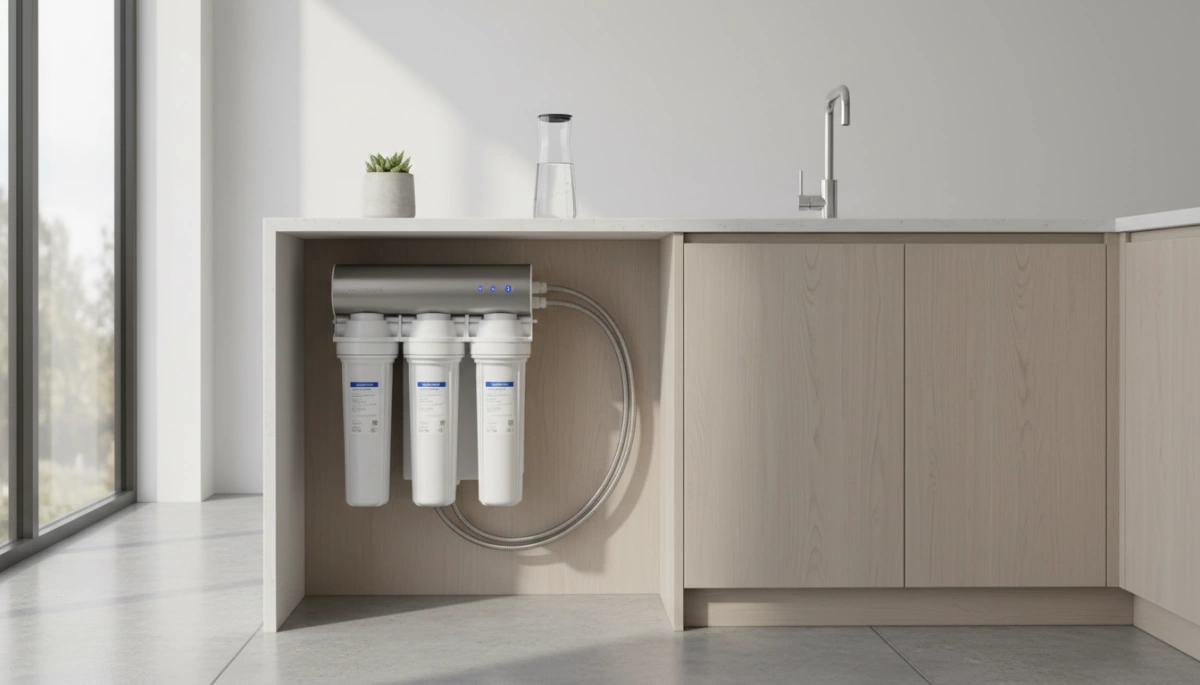
When I design next generation tankless RO systems, I start with the structure. A smart layout is what makes a compact under-sink RO design feel premium, quiet, and reliable in a U.S. kitchen.
Integrated waterway board design
I use an integrated waterway board design instead of loose tubes everywhere. By molding the internal channels into a single board or integrated injection-molded waterway, I can:
- Cut leak points by removing dozens of threaded joints and push-fit connections
- Simplify assembly and service, which keeps OEM tankless water purifier manufacturing consistent
- Improve flow paths so a high-flow RO membrane 800GPD or 1000GPD can run with less pressure loss
This is how we keep a clean, space-saving layout under the sink while still supporting features like a smart faucet with TDS display and automatic membrane flushing system.
Modular, scalable internal platforms
Next generation tankless RO technology needs a scalable RO platform, not a one-off model. I build modular internal platforms so we can:
- Swap in different filter stacks (sediment, carbon, RO, remineralization post-filter stage) without redesigning the whole machine
- Offer future-proof tankless RO solutions with easy upgrades for higher flow, better low drain ratio RO technology, or extra stages
- Support both residential and light commercial tankless RO roadmaps from the same core chassis
For U.S. partners, that means faster custom next generation RO development and more SKUs from one shared, proven platform.
Advanced hygiene materials and safety
Inside the system, water touches only materials I trust. I specify BPA-free internal RO piping and antibacterial waterway materials to cut secondary pollution risk and keep water quality stable between filter changes. That includes:
- Food-grade, odor-free plastics in all wet parts
- Antibacterial additives in key waterway components where stagnant water is more likely
- Seal materials that hold up to years of automatic flush cycles and high recovery rate RO membranes
Pairing this structural approach with healthy water output is key, especially if you’re adding a remineralizing water filter stage to improve taste while staying aligned with sustainable water purification technology.
Digital Layer And IoT In Next Generation Tankless RO Technology Roadmap
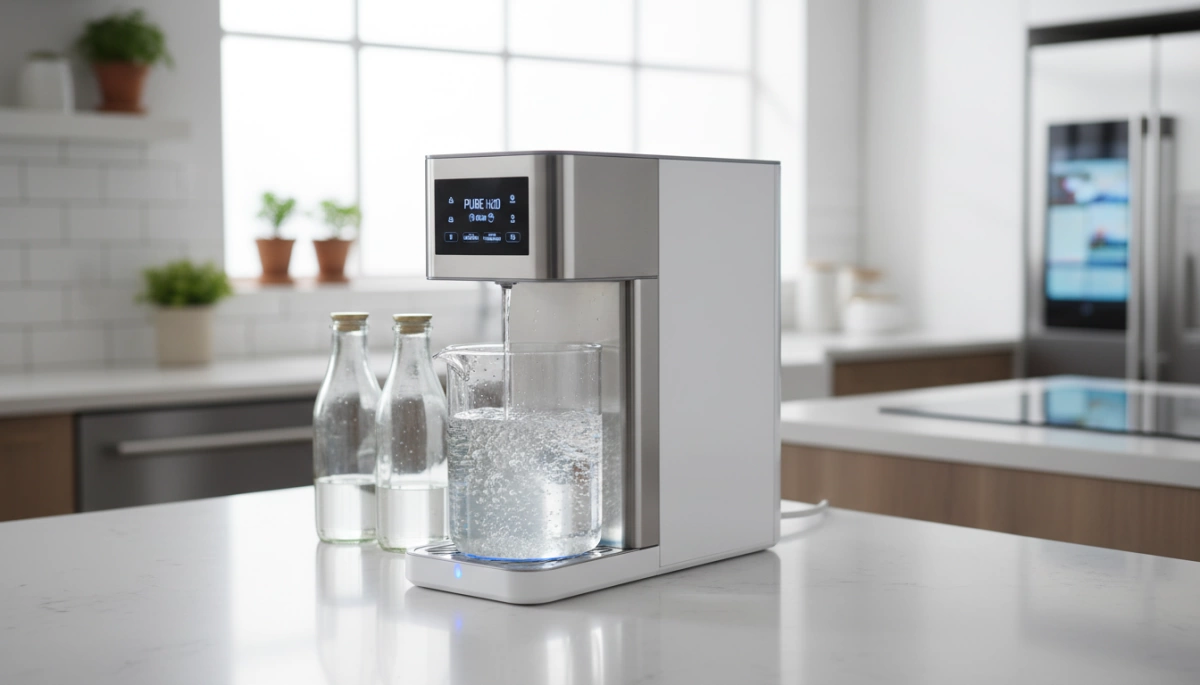
Next generation tankless RO systems need a strong digital layer, not just better hardware. In our roadmap, I focus on real-time TDS data, IoT control, and AI monitoring so the system feels like a smart home appliance, not a “black box” under the sink.
Real-time TDS and smart monitoring
I design every smart tankless RO around real-time TDS monitoring:
- Dual TDS sensors at inlet and outlet for live water quality comparison
- Smart faucet with TDS display so you see purity at a glance while filling bottles
- Automatic membrane flushing system that reacts when TDS creep shows up
- Sensor-based filter life tracking instead of fixed-day countdowns
For customers who prefer a more traditional setup, we also build non-IoT models like our under-sink RO water filter systems that still prioritize stable performance and clean taste.
IoT water purifier and smart home integration
On the IoT side, the goal is a seamless smart kitchen RO experience:
- IoT water purifier system with app control for status, TDS, and filter life
- Smart home RO integration with Tuya and Alexa for voice checks and alerts
- Smart notifications for leaks, abnormal TDS, or low flow before it becomes a problem
- Account linking for multiple homes or rental units in one dashboard
This is how we turn a compact under-sink RO design into a real smart home device.
AI, predictive maintenance, and connected service
To keep service simple for US homes and our B2B partners, we build in AI and connectivity:
- Predictive maintenance for RO filters using usage patterns, TDS trends, and time
- AI-powered RO system monitoring to flag issues like clogged pre-filters or aging membranes
- Connected service ecosystem where distributors and OEMs can access fleet health (with user consent)
- OEM tankless water purifier manufacturer tools to push firmware updates and future-proof tankless RO solutions
This digital layer is the backbone of our tankless RO technology roadmap, making high-flow, low-waste, smart systems easier to own, maintain, and scale across different product lines.
Sustainability and Design in Next Generation Tankless RO Technology Roadmap
In our next generation tankless RO technology roadmap, sustainability and design go hand in hand. I focus on a minimalist, compact under-sink RO design that frees up cabinet space, fits American kitchens, and keeps installation clean and simple. The slim footprint and integrated layout let homeowners keep trash bins, cleaning supplies, or organizers in the same base cabinet without fighting a bulky tank.
On the sustainability side, I prioritize low drain ratio RO technology with high recovery rate RO membranes that can realistically target a 2:1 or even 3:1 pure to waste ratio. For families in cities dealing with rising water bills or in drought-prone states, cutting waste is just as important as getting great-tasting water. Pairing low drain ratios with sustainable water purification practices makes the system efficient for both daily drinking water and cooking.
Every next generation tankless RO system I design uses eco-friendly, recyclable materials wherever possible, including BPA-free internal RO piping and cartridges built for lower plastic use. Quick-change filter cartridges with a twist-lock design make maintenance tool-free and fast, so most users can swap filters in seconds without a service call. That simple, quick-twist RO filter replacement approach not only keeps water quality high, it also encourages timely filter changes, which is critical if you’re paying attention to TDS levels and overall purity—especially if you already use tools like a TDS tester guide for home water checks.
Driplife’s Role in the Next Generation Tankless RO Technology Roadmap
As Driplife, I’m all-in on building next generation tankless RO systems that actually fit how people in the U.S. live and use water every day. Our R&D team focuses on high-flow, low-waste, smart tankless RO designs that use high recovery rate RO membranes, BLDC booster pumps for silent operation, and integrated waterway board design to keep things compact, stable, and easy to service. We also design around real-time TDS monitoring and smart faucet options with TDS display so homeowners can literally see their water quality at a glance.
On the B2B side, I work as an OEM tankless water purifier manufacturer and ODM partner, helping brands launch custom tankless RO product lines—from compact under-sink RO units to smart home RO systems that can tie into Tuya or Alexa. That includes support on layout, pure-to-waste ratio targets like 2:1 or 3:1, quick-change filter cartridge platforms, and hygiene choices like BPA-free internal piping and antibacterial waterway materials. For partners focused on long-term reliability and safe performance, I also point them to our testing know-how, including best practices for burst pressure and water hammer testing on RO systems.
My goal is to help distributors and brands future-proof their tankless RO roadmap with scalable platforms and clear standards—high-flow RO membrane options up to 800–1000 GPD, sensor-based filter life tracking, automatic membrane flushing system design, and AI-powered RO system monitoring for predictive maintenance. By locking in a flexible, next-gen RO platform now, partners can refresh models, upgrade specs, and respond fast to new U.S. market trends without rebuilding their entire product line every few years.