













You already know that the reliability of an instant water dispenser hinges on one critical component: the heating element.
But how does it handle the stress of 30,000 rapid temperature shifts?
If you’re an engineer or procurement manager, thermal cycle durability isn’t just a spec sheet number—it’s your brand’s reputation.
In this guide, we’re going deep into the mechanics of thick film heating modules. You’ll learn exactly how to analyze resistance drift, prevent material fatigue, and identify the engineering standards required to ensure your products survive in the field.
Ready to secure your product’s lifespan?
Let’s dive in.
Ever wonder why some instant hot water dispensers fail prematurely, triggering a wave of costly warranty claims? As a manufacturer, I constantly see OEMs struggling with component burnouts. The root cause usually boils down to one critical engineering metric: the thermal cycle durability of thick film heating modules.
Understanding Thermal Cycling in Thick Film Heaters
To build a reliable appliance, you have to master thermal cycle endurance. A thick film heater is not a static component; it operates in a state of constant, extreme temperature flux. Grasping how the module behaves under these rapid changes is the foundation of effective lifecycle management.
The Mechanics of Rapid Heating
Modern point-of-use dispensers demand instant results. This requires the heating element to handle aggressive, rapid heating cycles without degrading over time.
- The Relentless Rhythm: Devices often run on brutal instant on/off cycles—typically 30 seconds on, followed by 10 minutes off, repeated thousands of times.
- Extreme Spikes: Pushing high watt densities means the module skyrockets from ambient room temperatures to boiling in just seconds.
- Operational Strain: This constant, rapid-fire fluctuation puts massive mechanical and electrical strain on the core of the heater.
The Risk of Thermal Stress
When materials heat up, they expand. When they cool down, they contract. The primary challenge in ensuring reliability under cycling is managing the differing Coefficients of Thermal Expansion (CTE) across the module’s layered construction.
A standard thick film heating module is a highly engineered stack of distinct materials:
| Layer Type | Function in the Module |
|---|---|
| Substrate | The foundational metal or ceramic base providing structural support. |
| Dielectric Layers | The critical insulation separating electricity from the water or base. |
| Conductive Inks | The engineered resistive tracks that actually generate the heat. |
The CTE Mismatch Problem:
If the conductive paste expands at a different rate than the rigid base substrate during a rapid 30-second heating burst, the layers physically fight each other. Over thousands of daily cycles, this constant push-and-pull creates intense internal shear stress.
The Domino Effect of Failure:
This recurring thermal stress directly causes micro-cracking within the dielectric and conductive layers. Micro-cracking disrupts the electrical flow, forces the module to work harder, creates localized hot spots, and eventually leads to complete component burnout. Achieving true thick film heater durability means strictly engineering the material science so that the substrate, dielectric, and resistive inks share compatible thermal expansion rates, allowing the entire module to expand and contract as one unified, stress-free unit.
Material Science: Building for 100,000-Hour Lifespans
When we engineer heating modules for the US market, we aim for serious longevity. Hitting a 100,000-hour lifespan isn’t about luck; it is about choosing the right foundation. Achieving exceptional thick film heater durability comes down to the precise combination of substrates, inks, and rigorous mathematical testing.
Substrate Selection
The base layer of any heating module dictates its mechanical strength and heat transfer capabilities. Managing substrate thermal expansion is critical to preventing microscopic cracks when the unit rapidly heats up and cools down.
Here is how we evaluate the core materials:
| Substrate Material | Best Use Case | Key Strength |
|---|---|---|
| Stainless Steel | Commercial & High-End Residential | Incredible mechanical durability and fast heat transfer. Ideal for fast-paced daily use. |
| Alumina (Ceramic) | High-Temperature Applications | Exceptional electrical insulation and handles extreme thermal shock well. |
| Aluminum | Budget-Friendly Appliances | Good thermal conductivity, but lower mechanical strength under heavy cycling. |
Making the right material choice up front is a foundational part of our OEM manufacturing strategy for water filter dispensers, ensuring the final product survives the demands of an American kitchen or office space.
Dielectric and Resistive Inks
A rugged metal substrate means nothing without the right coatings. Heater lifespan engineering heavily relies on the quality of the pastes we print onto the board. We utilize high-quality paste formulations to maximize dielectric ink stability.
- Dielectric Layers: These act as the electrical barrier. They keep the user safe while allowing maximum heat to pass through efficiently.
- Resistive Tracks: These are the actual heating pathways. Premium inks prevent the heater’s output from degrading over time, guaranteeing long term heating stability.
Calculating Resistance Drift
Even the best materials experience functional fatigue over time. To prove our thermal cycle endurance, we closely track the resistance drift in heating elements.
We calculate this degradation by tracking the percentage change in resistance over the module’s lifecycle. The formula we use is:
$\Delta R / R_0 \times 100\%$
- $\Delta R$: The change in electrical resistance after intense cycling.
- $R_0$: The initial, out-of-the-box baseline resistance.
Keeping this percentage as close to zero as possible is the ultimate goal. A low resistance drift means the module remains energy-efficient, safe, and powerful, guaranteeing absolute reliability under cycling from day one to year ten.
Key Performance Metrics and Lifecycle Testing
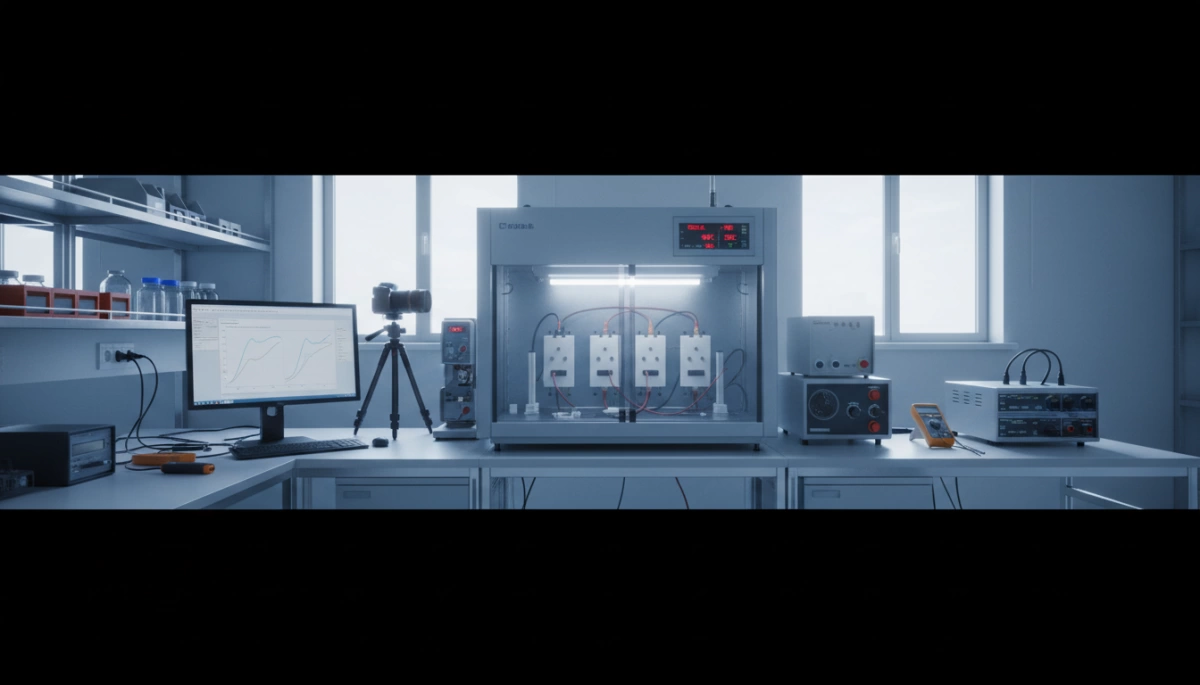
At Driplife, we know that theoretical performance means nothing without proven endurance. To guarantee the Thermal Cycle Durability of Thick Film Heating Modules, we subject our components to rigorous stress tests that simulate years of heavy usage in a fraction of the time. This ensures that when a US brand puts their name on our hardware, the heating element won’t fail prematurely.
Endurance Under Extreme Parameters
Our testing protocols go far beyond standard boiling points. We validate heater resilience by cycling modules through extreme temperature differentials, typically ranging from -55°C to 225°C. This rapid thermal shock testing exposes any potential weaknesses in the substrate or dielectric layers before mass production begins. Effective thermal isolation design in hot and cold water dispensers is critical here, ensuring that while the heating element endures these spikes, the surrounding components remain protected and stable.
Watt Density and PTC: Balancing Speed and Safety
Two critical factors determine the success of an instant heating module: Watt Density and the Positive Temperature Coefficient (PTC) effect. We optimize these metrics to ensure fast startup times without compromising long-term safety.
| Metric | Function | Benefit for OEM Partners |
|---|---|---|
| Watt Density | Measures power concentration on the heater surface. | Enables instant hot water delivery (seconds, not minutes) which is a top demand for modern kitchens. |
| PTC Effect | Resistance increases as temperature rises. | Acts as a self-regulating safety mechanism to prevent overheating and burnout during voltage spikes. |
By strictly monitoring these metrics, we ensure that high-performance heating does not come at the cost of component longevity.
Why Heating Durability is Critical for OEM Water Filtration Brands
In the competitive US market, consumers expect immediate results and reliable convenience from their home appliances. When we look at the core of these systems, the thermal cycle durability of thick film heating modules is what determines whether a product succeeds or fails in the field.
Instant Hot Water Dispenser Heating
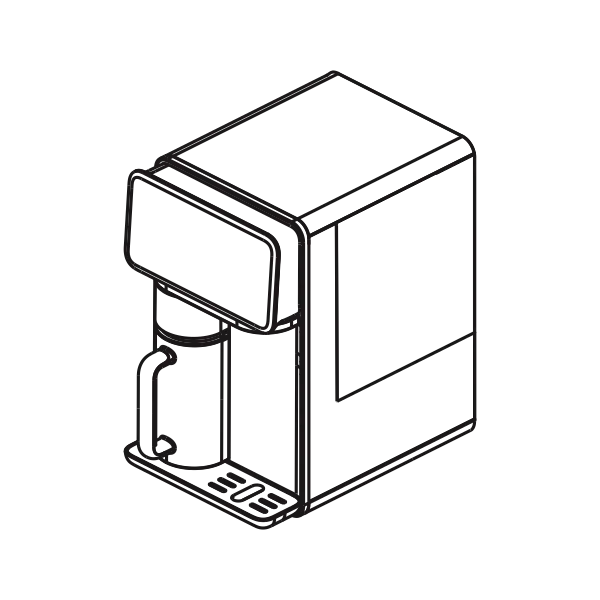
We see the demand for speed firsthand in the rise of advanced point-of-use systems. When we design components for all-in-one beverage appliances, such as modern 4-in-1 countertop water filters, the primary expectation is instant hot water on demand. The success of these modern dispensers relies entirely on the heating element’s ability to perform flawlessly, cup after cup. If the heater fails, the entire filtration unit loses its premium appeal. Achieving long term heating stability isn’t just an engineering milestone; it is the backbone of the daily user experience.
Lifecycle Management and Brand Protection
For OEM water filter manufacturing, ensuring reliability under cycling directly protects your bottom line. Premature heater burnout caused by thermal stress leads to a cascade of expensive problems that can ruin a product launch.
Focusing on thick film heater durability prevents these critical business risks:
- Spiking RMA Rates: Frequent returns due to heating failures eat into profit margins and disrupt inventory.
- Costly Warranty Claims: Processing returns and shipping replacement units drastically inflates operational costs.
- Irreparable Brand Damage: In today’s digital landscape, a cluster of negative reviews regarding a broken heater can permanently tank a product’s reputation.
By prioritizing thermal cycle endurance from the very beginning, we ensure that the heating element matches or exceeds the expected lifespan of the appliance itself. This durability design heating approach minimizes functional fatigue, keeps warranty claims low, and guarantees that your customers remain loyal to your brand long after their initial purchase.
Manufacturing at Scale: Thick Film Heater Durability
When it comes to the thermal cycle durability of thick film heating modules, lab results mean nothing if they don’t translate flawlessly into mass production. We don’t just build components; we engineer strict reliability under cycling to protect your brand’s reputation in the competitive US market.
15+ Years of In-House R&D Testing
We take lifecycle management seriously. For over 15 years, our in-house laboratory has been dedicated to rigorous heater stress testing. We run continuous, punishing endurance cycles to ensure every single module delivers long term heating stability before it ever hits the assembly line. This uncompromising approach to R&D and testing is the very foundation of our water filtration manufacturing operations.
Volume with Precision: Our 60,000 ㎡ Facility
Scaling production volume shouldn’t mean lowering quality standards. We maintain strict thick film heater durability requirements across massive mass-production batches. Our expansive 60,000-square-meter facility is optimized to handle high OEM demands while maintaining the precision needed to keep defect rates near zero.
Our Quality Assurance Framework:
- Automated Consistency: Advanced production lines apply dielectric and resistive inks with pinpoint accuracy to prevent the micro-cracking that causes early failure.
- Active Batch Testing: Randomly selected modules from every run undergo extreme temperature spikes to verify our durability design heating limits.
- Seamless Application: We guarantee that the internal components powering your desktop water coolers will deliver instant, reliable heat without the risk of premature burnout.
We control the entire manufacturing process from raw material selection to final assembly, ensuring that the components driving your water systems are built to outlast the competition.
FAQs: Thermal Cycle Durability of Thick Film Heating Modules
What causes resistance drift in thick film heating modules?
Resistance drift in heating elements happens because of constant thermal expansion and contraction. As the module repeatedly heats up and cools down, the materials stretch and shrink. Without excellent dielectric ink stability, this movement creates microscopic cracks. Over time, these micro-cracks alter the electrical resistance, leading to uneven heating, performance drops, or a complete heater burnout.
How does thermal cycling affect the lifespan of an instant hot water dispenser?
Every time a user grabs a quick cup of coffee, the internal heater spikes to a high temperature and drops back down just as fast. If a unit lacks thermal cycle endurance, the heater degrades quickly under this rapid stress. Engineering for genuine reliability under cycling keeps the appliance running for years. This focus on heavy-duty performance is exactly why brands trust our ODM customization programs for multi-function dispensers to prevent premature field failures.
Why is stainless steel often preferred over aluminum for heater substrates?
It comes down to managing substrate thermal expansion. Stainless steel handles rapid temperature spikes significantly better than aluminum without warping or losing its shape. It provides a stiffer, more stable foundation for the delicate printed circuits. This rigidity is a critical piece of durability design heating, preventing the tracks from tearing and ensuring long term heating stability.
What is the typical lifecycle of a high-quality thick film heater?
With the right heater lifespan engineering, a premium thick film module is built to last upwards of 100,000 working hours. We verify these lifespans through aggressive high-temperature endurance testing, forcing the units through hundreds of thousands of instant on/off cycles. A high-quality build will survive this brutal testing without showing signs of functional fatigue in thermal modules, making smart lifecycle management easy for manufacturers.