













Understanding All-in-One Beverage Appliances
What Is an All-in-One Beverage Appliance?
When I talk about an all-in-one beverage appliance, I mean a single, integrated hot cold sparkling beverage appliance that replaces a whole lineup of separate drink devices. In one compact unit, you typically get:
- Instant hot water for coffee, tea, and cooking
- Chilled water for everyday hydration
- Sparkling water with adjustable carbonation
- Ice on demand, often in different cube sizes
- Built-in filtration (multi-stage or RO) for cleaner, better-tasting water
- Flavor and infusion options for fruit-, vitamin-, or functional water
Instead of a kettle, a countertop filter, a soda machine, and an ice maker, an all-in-one water dispenser market solution pulls everything into a single, smart beverage center.
Core Benefits for Homes and Small Businesses
I see all-in-one drink systems winning in the US because they solve real, everyday problems:
- Space saving: One multifunction drink appliance replaces multiple bulky units, which is a big deal in apartments, condos, and small offices.
- Convenience: Hot, cold, sparkling, and ice are all ready in seconds—no waiting for a kettle to boil or fridge to freeze ice trays.
- Less plastic waste: When you get premium filtered and sparkling water at home, it’s easier to cut bottled water and canned soda, which supports eco-friendly all-in-one drink appliance choices.
- Cleaner look: Fewer cords, fewer pitchers, and a more streamlined countertop beverage station in the kitchen or breakroom.
For many users, it feels less like a gadget and more like a “hydration hub” built into the daily routine.
How These Systems Compare to Traditional Setups
Most households and small businesses still rely on a mix of older solutions:
- Kettles and basic hot water dispensers: Only handle hot water, no filtration or cooling.
- Bottled water: Convenient but heavy to carry, expensive over time, and creates single-use plastic waste.
- Fridge dispensers: Offer chilled water and sometimes ice, but usually limited filtration and no sparkling or flavor options.
- Standalone soda or sparkling machines: Create carbonation but don’t chill water, make ice, or filter tap water.
An integrated hot cold sparkling ice system pulls all of this together. I see it as a key step in the beverage appliance evolution: fewer devices, more capability, and a stronger focus on water quality and user experience.
Everyday Use Cases in Modern Spaces
In the US market, the demand for a compact, multifunction kitchen beverage center shows up in very specific places:
- Modern kitchens: Families use one appliance for kids’ water bottles, cooking, tea, coffee, sparkling water, and ice for evening drinks.
- Home offices: Remote workers keep a unit within reach for fast hydration and fewer trips to the kitchen or breakroom.
- Small commercial spaces: Studios, boutiques, co-working spaces, and reception areas use all-in-one beverage appliances to offer a premium drink experience without installing a full kitchen.
As lifestyle appliance convergence continues, these all-in-one beverage solutions are becoming a central feature of the kitchen beverage solution market and a clear driver of all in one beverage appliance growth in the United States.
All-in-One Beverage Appliance Market Expansion
The all-in-one beverage appliance market is becoming one of the fastest-moving segments inside the broader beverage appliance category. Instead of buying a kettle, a fridge dispenser, a separate sparkling water maker, and a basic filter, U.S. households are trading up to integrated hot cold sparkling beverage appliances that handle it all from one footprint. That shift is pulling demand away from traditional hot and cold water dispenser markets and basic countertop coolers, and toward more complete kitchen beverage solution innovation.
Inside the wider beverage appliance market, all-in-one water dispenser market growth sits right at the intersection of water dispensers, refrigeration, and integrated kitchen appliances. When I look at how customers shop, they don’t search by “filter” or “cooler” anymore—they’re comparing full beverage centers that filter, chill, heat, and sometimes carbonate on demand. Under-sink beverage system growth and countertop beverage station expansion are both benefiting as people move away from simple pitchers and jug coolers to more permanent built-in hydration hubs, including advanced systems like our under-sink soda, cold, and hot water distribution platform.
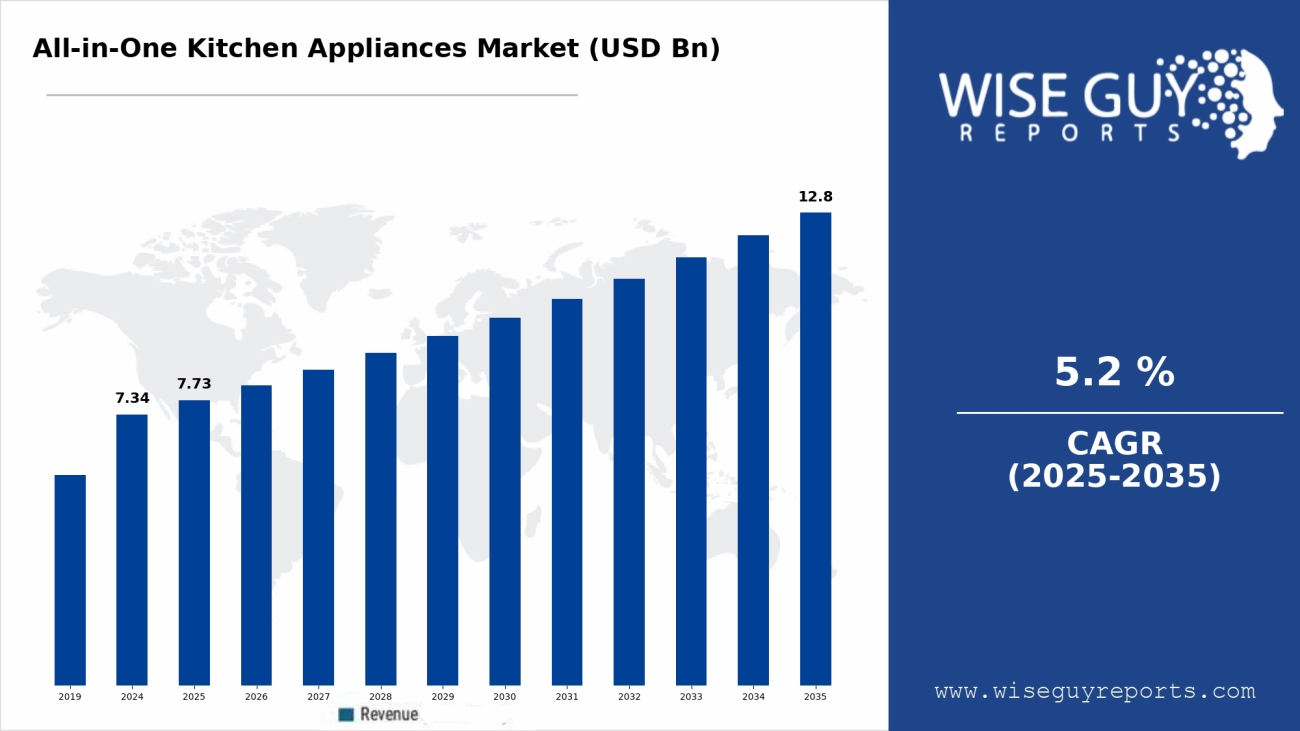
From a forecast standpoint, the beverage appliance market growth forecast through 2030–2035 clearly favors multifunction drink appliance demand. While mature single-function appliances grow slowly, integrated hot cold sparkling ice beverage center appliance trends point to a meaningfully higher CAGR as more kitchens get renovated and more home offices need serious beverage solutions. I expect all in one beverage appliance growth to outpace legacy dispenser categories as replacement cycles kick in and buyers consolidate multiple appliances into one premium unit.
Regionally, the story splits. In North America and Europe, premium beverage appliance trends are driven by kitchen remodels, design-conscious buyers, and home entertaining. In Asia-Pacific and other emerging markets, rapid urbanization and smaller apartments are pushing compact multifunction kitchen beverage center trends, especially where counter space is tight but expectations for modern hydration are high. In places like Latin America and the Middle East, lifestyle appliance convergence—combining filtration, chilling, and often sparkling—helps consumers skip older, less efficient solutions and move straight into integrated systems.
The reason this category expands faster than single-function units is simple: value stacking. One all-in-one drink appliance saves space, reduces clutter, cuts bottled water use, and delivers hot, cold, and sparkling in one move. Add in smart beverage maker demand, better home water filtration dispenser trends, and the push for eco-friendly all-in-one drink appliances, and the category expansion curve is clear. Buyers see a higher upfront price, but they also see a long-term beverage appliance evolution that actually fits how they live, work, and entertain at home today.
Key Drivers Fueling All in One Beverage Appliance Market Expansion
Urban living in the U.S. is pushing the all in one beverage appliance market forward. Smaller apartments, condos, and townhomes mean less counter space, so a single integrated hot cold sparkling ice beverage center is more attractive than a clutter of kettles, pitchers, and soda machines. One compact, multifunction drink appliance that handles hot, cold, sparkling, ice, and filtration fits modern kitchen layouts and home offices much better.
Health and wellness trends are another big driver of all in one beverage appliance growth. More people want filtered, great-tasting water on demand, plus options like chilled still water, sparkling water, and even light flavored or functional drinks without extra sugar. That’s why smart beverage maker demand is rising, especially when systems use advanced filtration similar to a tankless RO filtration architecture to deliver cleaner, better-tasting water at home.
Sustainability is also reshaping the kitchen beverage solution market. Households are actively trying to cut back on single-use plastic bottles and canned drinks. An eco-friendly all-in-one drink appliance that replaces cases of bottled water, countertop filters, and separate soda machines lines up with how U.S. families want to live today—less waste, less hauling, lower long-term cost.
Tech expectations are rising fast. Users now want precise temperature control for coffee and tea, chilled filtered water for hydration, and customizable sparkling levels in a single integrated hot cold sparkling beverage appliance. Smart connectivity, usage tracking, and simple alerts for filter changes make it easier to live with these systems every day, not just treat them as a luxury gadget.
Lifestyle shifts are the final push. Hybrid working means more drinks made at home, and people want a countertop beverage station that feels as good as their favorite café. At the same time, premium kitchen upgrades and lifestyle appliance convergence are pushing demand for beverage centers that match high-end finishes and deliver that “restaurant-quality” experience at home. When you’re used to café-level drinks, you expect your home beverage appliance evolution to keep up.
Major Trends Shaping All-in-One Beverage Appliance Market Expansion
Advanced Filtration Becomes the Baseline
In the all-in-one beverage appliance market, advanced filtration isn’t a “nice to have” anymore, it’s the entry ticket. Multi-stage and RO-based systems are becoming standard in any serious integrated hot cold sparkling beverage appliance. U.S. buyers expect these units to handle sediment, chlorine, heavy metals, and even microplastics while still protecting beneficial minerals. As a manufacturer, I lean into multi-stage stacks, smart TDS monitoring, and easy filter access, because precise, stable performance is what drives repeat purchase and long-term category expansion. That’s also why we invest in technologies like smart TDS monitoring and sensor calibration in countertop RO systems to keep water quality both visible and predictable for the end user.
Sparkling, Functional, and Infused Beverages Go Mainstream
Demand for multifunction drink appliances is shifting from “hot and cold water” to a full beverage center appliance trend: chilled still, sparkling, and infused options in one station. U.S. consumers want café-style sparkling water, vitamin or electrolyte infusions, and light fruit flavors without the sugar and packaging of canned drinks. That’s why we design integrated hot cold sparkling ice systems with:
- On-demand carbonation at adjustable levels
- Built-in flavor or infusion modules for fruits and botanicals
- Cooling performance tuned for fast recovery between pours
This is where we see the strongest growth in the sparkling water appliance market and a key driver of lifestyle appliance convergence in the kitchen.
Energy-Efficient and Eco-Innovative Engineering
Energy and water efficiency are now key purchase triggers, especially for U.S. homeowners who already track their utility bills and care about sustainability. The most competitive eco-friendly all-in-one drink appliances focus on:
- Low standby power draw and smart sleep modes
- Optimized RO recovery ratios to reduce water waste
- Filter media and housings designed for lower-impact disposal
We treat efficiency as both a selling point and a cost advantage: less wasted water, less electricity, and fewer truck rolls for filter changes. This is where beverage appliance evolution and eco-innovation intersect.
Smart Connectivity and Usage Analytics
Smart beverage maker demand is rising as more U.S. households connect everything from doorbells to dishwashers. All-in-one beverage systems are no exception. The strongest features we see traction with include:
- App control for temperature presets, carbonation levels, and scheduling
- Voice assistant integration for quick commands in busy kitchens
- Usage analytics that track consumption, filter life, and savings vs bottled water
This shift turns a basic dispenser into a connected kitchen beverage solution, and it gives us data to keep improving the product and build subscription-based filter programs.
Premium Countertop Beverage Stations
As kitchen renovation spending stays strong, premium beverage appliance trends are shaping the visual and tactile side of the category. In higher-end U.S. homes and condos, buyers want:
- Flush, minimalist lines that match stainless, matte black, or brass finishes
- High-quality touchpoints: metal knobs, clear UI, quiet operation
- Modular add-ons like extra chilled lines, under-sink expansion, or a secondary tap
This premiumization of countertop beverage stations helps move the all-in-one water dispenser market into the same conversation as built-in coffee systems and professional-style ranges.
Full Beverage Hubs Through Convergence
The biggest opportunity in all in one beverage appliance growth is convergence. Instead of a separate coffee machine, kettle, and water dispenser, U.S. customers increasingly want one multifunction kitchen beverage center that handles:
- Filtered hot water for tea and instant foods
- Espresso and drip coffee modules
- Sparkling and chilled still water
- Optional ice, flavor, and specialty drink functions
By engineering around shared heating, cooling, and filtration cores, we can deliver a true beverage hub that anchors the kitchen. This lifestyle convergence in kitchen appliances is where we see the next wave of kitchen beverage solution market expansion, especially in new construction, remodels, and premium urban apartments.
Regional All in One Beverage Appliance Market Expansion
Asia-Pacific demand and growth
In Asia-Pacific, all in one beverage appliance growth is driven by three big shifts: dense urban living, a fast‑growing middle class, and the rise of Western‑style kitchens. Smaller apartments in cities like Tokyo, Seoul, and Singapore make a compact integrated hot cold sparkling beverage appliance more attractive than a mix of kettles, jugs, and bottled water. As incomes rise, families are trading up to multifunction drink appliances that deliver hot, cold, sparkling, and filtered water from a single, sleek unit. In markets with tougher tap water challenges, RO and multi-stage filtration—similar to what we use in our own systems and discuss in detail in our guide on choosing the right RO membrane brand—are becoming must-have features, not nice-to-haves.
North America and Europe premium focus
In the United States, North America, and Europe, the kitchen beverage solution market is all about premiumization and convenience. Homeowners are already investing heavily in luxury kitchen renovations, and adding an integrated beverage center appliance is a natural next step. They want a countertop beverage station that looks high-end, pairs with existing appliances, and boosts day-to-day hydration with chilled, hot, and sparkling options on demand. Demand is strongest in suburbs and urban condos where buyers are upgrading from basic hot and cold water dispensers to smart beverage makers that cut bottled water waste and match the look of a modern, open-plan kitchen.
Emerging market expansion potential
Emerging regions like Latin America, the Middle East, and Africa represent the next wave of beverage appliance market growth. Under-sink beverage system growth is particularly strong where space is tight and consumers want clean, great-tasting water without cluttering the counter. In many of these markets, water quality and infrastructure vary block by block, so we tune our filtration stacks and flow rates to local conditions. That’s where knowledge from the broader filtration space—like what we break down in our article on sink faucet filter types and benefits—directly shapes product design and category expansion.
Local water, regulations, and design
Local water quality, plumbing rules, and safety certifications have a direct impact on all in one beverage appliance design. In the U.S. and Europe, NSF/ANSI and CE drive how we engineer filtration performance and materials. In Asia-Pacific and the Middle East, mineral content, salinity, and microbiological risk often require more aggressive RO stacks and remineralization. In some African and Latin American cities, inconsistent water pressure and intermittent supply push us to design systems with wider operating ranges and more robust components. If a brand ignores these variables, adoption stalls fast, no matter how strong the lifestyle story is.
OEM, export, and localized product lines
For manufacturers and private-label partners, the biggest upside comes from OEM collaborations and export strategies built around localized product lines. The same core integrated hot cold sparkling ice platform can be tuned for:
- North America: premium finishes, smart connectivity, and high flow for busy families
- Europe: compact footprints, energy efficiency, and under-counter integration
- Asia-Pacific: space-saving vertical designs, stronger filtration, and flexible installation
- Middle East & Africa: rugged filters, wide pressure tolerance, and simpler UX
By leveraging shared platforms but customizing filtration, layout, and interface, we can scale the all-in-one water dispenser market globally without re-engineering every SKU from scratch.
Channel strategies: online, retail, and B2B
Channel strategy is just as important as product design in this beverage appliance evolution. In the U.S., most early adopters discover integrated beverage systems online—through DTC sites, Amazon, and home improvement marketplaces—so content, reviews, and installation guidance are critical. Big-box retail still matters for countertop beverage station expansion, but we see fast-growing B2B demand too:
- Builders and developers bundling units into new condos and single-family homes
- Office managers upgrading hydration stations for hybrid teams
- Hospitality and short-term rentals adding premium beverage centers as a differentiator
Winning the all in one beverage appliance market means aligning SKUs and price points to each channel, offering installation and service options, and using data from each region to refine the next generation of lifestyle appliance convergence.
Challenges in All in One Beverage Appliance Market Expansion
All in one beverage appliance growth is strong, but there are real barriers we have to solve if we want this category to scale across U.S. households and small businesses.
High Cost vs. Legacy Appliances
The biggest friction point is still price. An integrated hot cold sparkling ice beverage center appliance usually costs more upfront than a basic kettle, fridge dispenser, or stand‑alone filter.
- Buyers compare us directly to “cheap and simple” options.
- ROI depends on how often they use filtered, sparkling, and hot water at home.
- Financing, subscriptions, and bundled filter plans help soften the sticker shock.
Intense Category Competition
This kitchen beverage solution market is crowded:
- Traditional hot and cold water dispensers, refrigerator dispensers, and basic under‑sink filters are familiar and cheaper.
- Some consumers still see sparkling water appliance market products as “nice to have,” not essential.
- We have to clearly explain why a multifunction drink appliance replaces multiple devices and reduces clutter.
Awareness and Education Gaps
Multifunction kitchen beverage center trends are still new for many U.S. buyers:
- A lot of people don’t know what an integrated hot cold sparkling beverage appliance can actually do.
- Price‑sensitive households worry about “overbuying” features they won’t use.
- Simple demos, short videos, and in‑store trials are key to explaining the value and the everyday savings on bottled drinks.
Regulatory and Certification Hurdles
Water filtration and safety standards in the U.S. are tight, and that’s a good thing—but it slows down beverage appliance evolution:
- We need testing and certification for filtration performance, materials, and electrical safety.
- Different states and commercial environments layer on extra rules.
- Designs that manage scale, heat, and water safely—like the kind of anti‑scale engineering used in heating and cooling modules—help systems pass testing and perform reliably in real homes.
Supply Chain and Component Risks
Smart beverage maker demand and advanced filters add complexity:
- Specialized membranes, cartridges, sensors, and connectivity modules can create bottlenecks.
- Lead times and component costs directly impact retail pricing and availability.
- We have to dual‑source critical parts and keep filter SKUs simple for long‑term support.
Maintenance, Filters, and Perceived Complexity
If an eco‑friendly all‑in‑one drink appliance feels high‑maintenance, users will fall back to bottled water:
- Filter replacement costs and schedules must be predictable and transparent.
- App reminders, color indicators, and tool‑free filter changes reduce friction.
- Clear onboarding and simple troubleshooting guides cut down the fear that “this system will be too complicated for my family or office.”
Role of Manufacturers in All-in-One Beverage Appliance Growth
How Manufacturers Drive All-in-One Beverage Appliance Expansion
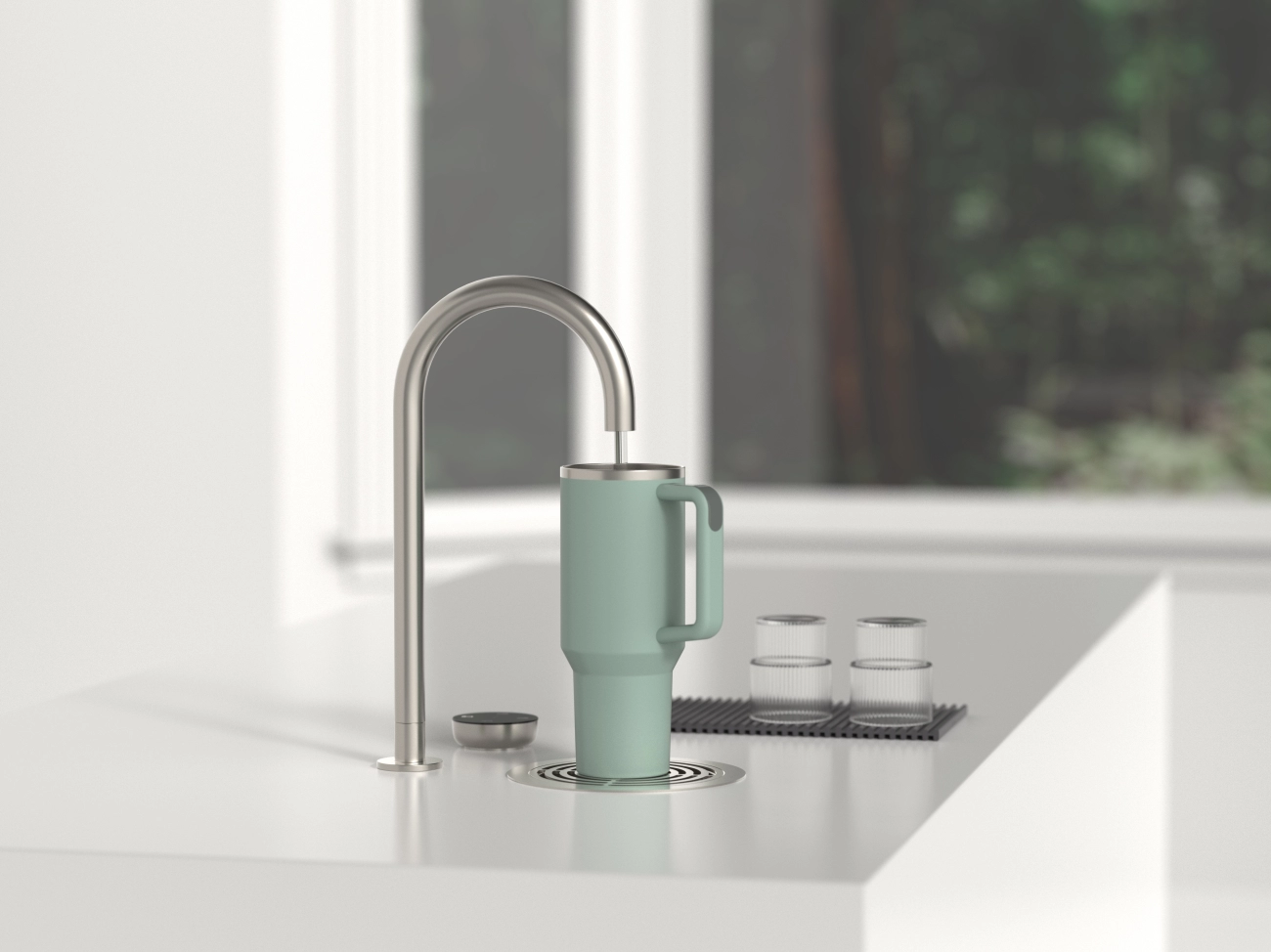
As a manufacturer, I see all-in-one beverage appliance growth being driven by how well we execute on the fundamentals: durability, filtration performance, and real-world usability. Specialized manufacturers like Driplife focus on integrated hot cold sparkling beverage appliances that can handle daily use in U.S. homes, offices, and small businesses without constant service calls or confusing maintenance.
Innovation in Integrated Hot Cold Sparkling Systems
In the integrated all-in-one water dispenser market, product development has to balance:
- Durability: Metal internal components, robust valves, and tested pumps so the appliance can run for years in kitchens, pantries, and break rooms.
- Filtration performance: Multi-stage filters designed for U.S. water conditions, with clear specs on chlorine, sediment, and fluoride reduction. We also simplify ongoing care with guidance on the cleaning and maintenance of reusable filter housings so owners can keep systems performing like new (practical filter housing maintenance guide).
- User-friendly design: Intuitive controls, clear status indicators, and quick-change filters that don’t require tools or a plumber.
That mix is what keeps the multifunction drink appliance demand rising and builds trust in the category.
Sustainability and Eco-Friendly Beverage Appliance Design
For eco-friendly all-in-one drink appliances, our engineering choices have a direct impact on both environmental footprint and operating cost:
- Recyclable and long-life filters to cut waste and replacement frequency.
- Energy-efficient heating and cooling modules to reduce standby power use.
- Water-saving layouts that minimize flush waste, especially in RO-based under-sink beverage system designs.
This is a big driver for U.S. customers looking to move away from bottled water and single-use plastics without sacrificing convenience.
Strategic Partnerships and Channel Growth
To expand the kitchen beverage solution market in the United States, we lean heavily on partnerships:
- Brands and retailers: Private-label and co-branded models that fit specific price points and audiences (from mid-range family homes to premium kitchen remodels).
- Property developers and office planners: Built-in and under-sink beverage systems integrated into new apartments, coworking spaces, and hospitality projects for plug-and-play hydration.
These partnerships help integrated hot cold sparkling ice beverage centers show up where buyers already are—showrooms, home centers, and major e-commerce channels.
Customization for U.S. Lifestyles and Install Types
All-in-one beverage appliance expansion also depends on how well we tailor configurations to U.S. living spaces and habits:
- Countertop beverage stations for renters and home offices who want zero-construction upgrades.
- Under-sink beverage systems for clean, minimalist kitchens with dedicated taps.
- Built-in beverage centers that align with high-end cabinetry, refrigerators, and cooking suites.
We adjust filtration stacks, flow rates, and finishes to match regional water quality and style preferences, while keeping installation as simple as possible for local plumbers and contractors.
Building Long-Term Trust and Category Growth
At the end of the day, manufacturer expertise is what turns a new beverage appliance category into a long-term standard. When we design for:
- Straightforward maintenance and filter replacement
- Transparent performance data and certifications
- Consistent quality across retail and B2B channels
we make it easier for buyers, installers, and retailers in the U.S. to bet on integrated beverage centers as a reliable part of everyday life. That’s how the beverage appliance evolution accelerates and the all-in-one beverage appliance market keeps expanding year after year.
Future Outlook for All-in-One Beverage Appliance Market Expansion
Looking ahead, I see the all-in-one beverage appliance market expansion accelerating as hydration, wellness, and convenience keep merging into one purchase decision. In the U.S., more buyers want a single integrated hot cold sparkling ice system that handles coffee, tea, chilled water, and sparkling drinks without cluttering the counter. That push for a cleaner kitchen layout and healthier daily habits is what keeps driving multifunction drink appliance demand.
By 2026 and beyond, I expect three big shifts in the integrated hot cold sparkling beverage appliance space:
- Smarter systems: App control, personalized temperature presets, usage tracking, and voice assistant integration will move from “nice-to-have” to standard, especially in premium kitchen beverage solution markets.
- Better filtration and taste: Multi-stage and reverse osmosis technology will become a core selling point, as more U.S. households look for a built‑in alternative to bottled water and pitcher filters. That’s where solutions similar to advanced under-sink RO systems for home use will shape expectations for cleaner, better‑tasting water in all-in-one units.
- Modular beverage hubs: Countertop beverage station expansion will lean into add‑on modules for espresso, tea, functional beverages, and even light wellness features like mineral dosing or electrolytes.
In the smart home ecosystem, all-in-one water dispenser market leaders will plug directly into connected kitchen platforms. I see clear upside in:
- Syncing with smart fridges and cooking appliances for shared water, ice, and usage data
- Tying into home health devices and apps that track daily water intake and caffeine
- Offering energy optimization modes that respond to time-of-use power pricing
Regionally, North America will keep leading premium beverage appliance trends in the $800+ segment, while mid-range, space-saving units grow fast in dense urban markets. Entry-level smart beverage maker demand will rise in apartments, rentals, and home offices where owners want flexibility without plumbing-heavy installs.
For buyers, investors, and industry players watching the beverage appliance evolution, I’d focus on:
- Brands that own both filtration and appliance design, not just one side of the equation
- Platforms that can scale from countertop units to under-sink beverage system growth and built‑in solutions
- Companies that clearly reduce bottled water use and simplify maintenance, instead of adding complexity
If you’re planning your next move in this category, watch how quickly consumers shift from single‑function dispensers to full lifestyle appliance convergence—where a single eco-friendly all-in-one drink appliance becomes the hydration hub for the whole home.