















The Evolving Beauty and Personal Care Landscape
The beauty and personal care world is changing fast. Consumers are asking tougher questions: Is this product actually good for my skin long term? Is it safe? Is it sustainable? And increasingly: How does what I use at home, drink, and shower in affect my results?
Global Beauty Market Outlook to 2030
By 2030, the global beauty and personal care market is expected to keep growing, driven by:
- Rising demand for holistic skin health instead of quick-fix makeup
- Expanding wellness-focused lifestyles in the US and worldwide
- Consumers trading up to premium, science-backed products that deliver visible results
- Strong growth in beauty personal care crossover filtration and home wellness categories
From Traditional Cosmetics to Holistic Skin Health
We’re moving from “How do I cover this?” to “How do I prevent this?”
- Focus on skin barrier support, hydration, and inflammation control
- Growth in preventative care: sunscreen, barrier creams, microbiome-friendly formulas
- Rising interest in skincare water quality trends and lifestyle factors like stress, sleep, and water
Instead of just adding another serum, people want full systems: cleaner formulas, cleaner tools, and even cleaner water touching their skin and hair every day.
Clean, Sustainable, Personalized, and Aware
Four forces now shape the beauty lifestyle water market and the broader industry:
- Clean ingredients: Fewer harsh chemicals, more transparent INCI lists
- Sustainability: Refills, recyclables, and reduced waste are no longer “nice to have”
- Personalization: Routines adjusted to local water conditions, climate, and skin type
- Environmental awareness: Concern over microplastics, water pollution, and resource use
These priorities are pushing brands toward clean beauty filtration crossover solutions that connect skincare, home care, and wellness.
How Consumer Priorities Create Crossover Market Trends
When consumers care about skin health, they don’t stop at the bottle. They quickly see the link between:
- Water purification personal care and irritation, dryness, or breakouts
- Hard water skin impact, chlorine exposure, and hair damage
- The role of home filtration skin health in supporting their skincare investment
This drives new cross industry opportunity where beauty, wellness, and home filtration meet: shower filter skincare benefits, faucet mounted filter beauty messaging, and cosmetic positioning for water devices.
Why Cross-Industry Partnerships Now Matter
For brands and manufacturers, beauty adjacent market expansion is no longer optional—it’s a competitive edge.
- Beauty brands can plug into the faucet filter beauty channel and bathroom filtration
- Filtration companies can reposition around cosmetic water purity trends and skin-first benefits
- Co-created systems help capture personal care driven demand at higher loyalty and lifetime value
As an operator in this space, I view beauty personal care crossover filtration as one of the most powerful ways to turn standard products into full ecosystems—connecting formulas, devices, and water into one clear, results-driven story for US consumers.
Why Water Quality Has Become a Beauty Essential
When we talk about beauty and personal care crossover trends today, water quality is no longer a side note—it’s a core part of any serious skincare or haircare routine. Tap water in many U.S. cities carries chlorine, heavy metals, hard water minerals, and even microplastics. Over time, that mix can dry out skin, rough up the skin barrier, fade hair color, and leave hair dull, frizzy, or easily tangled.
From a skincare point of view, water quality directly affects how well products work. Harsh, hard water can:
- Disrupt the skin barrier and trigger redness, tightness, and flare‑ups for sensitive or acne‑prone skin
- Leave a film that makes cleansers harder to rinse and active ingredients less effective
- Strip natural oils, making moisturizers feel like they “never sink in”
That’s why more U.S. consumers are looking for purified water for beauty routines and daily personal care—especially for face washing, hair care, and body care. We’re seeing strong demand for shower filter skincare benefits, faucet mounted filter beauty solutions at the sink, and home filtration systems that support clean beauty and skin health at the same time. For example, many customers pair their serums and sunscreens with an under‑sink filter built around cosmetic water purity trends, like a high‑performance system with the kind of features outlined in this guide to the best under-sink RO system features.
Dermatologists, estheticians, and recent skincare water quality trend surveys all point in the same direction: people who switch to filtered or purified water for their routine often report less irritation, fewer breakouts, and better overall skin feel. As an owner in the beauty lifestyle water market, I treat water purification as part of basic personal care hygiene now—not a luxury add‑on. When we clean up the water first, everything else in the routine has a better chance to do its job.
Key Crossover Trends in Beauty and Personal Care
We’re seeing clear beauty and personal care crossover filtration trends as skincare moves from just products on your shelf to the actual water coming out of your tap.
Skincare-Driven Water Filtration Boom
More U.S. shoppers now connect skincare water quality trends with how their skin and hair feel every day. That’s driving fast growth in:
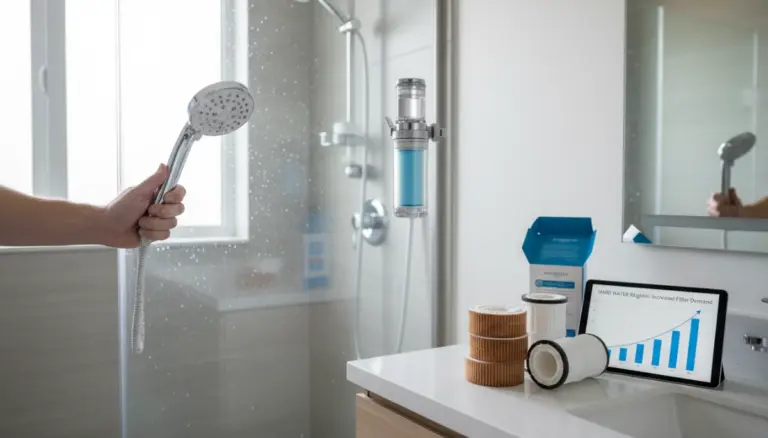
- Shower filters positioned around shower filter skincare benefits like less dryness and irritation
- Faucet-mounted filters marketed as a faucet filter beauty channel for face washing and cleansing routines
- Under-sink systems promoted for purified water for beauty routines and “cosmetic water purity” at the bathroom and kitchen sink
This is a real beauty lifestyle water market shift: people don’t just want better serums, they want better water.
Clean Beauty Meets Home Wellness
Clean beauty filtration crossover is turning basic bathrooms into simple at-home wellness spaces:
- Filters framed as part of “clean routine” standards, right next to sulfate-free cleansers and fragrance-free moisturizers
- Daily self care rituals that pair spa-style showers with chlorine free water skincare benefits
- Content that links water purification personal care habits with softer skin feel and stronger hair over time
This is where the wellness beauty intersection gets practical: filtration becomes a visible part of the vanity setup, not a hidden utility.
Sustainability and Less Plastic
Eco-minded beauty shoppers in the U.S. want sustainability without over-complicating their routine. That’s pushing:
- Home filtration systems that cut down on single-use bottled water for face mists, hair rinses, and daily drinking
- Messaging that ties microplastics removal beauty narratives to both skin comfort and environmental impact
- Positioning filters as a smart move for beauty industry sustainability trends, not just a nice-to-have gadget
When we show how one filter replaces dozens of plastic bottles, the crossover value is obvious.
Tech-Enabled Personalization
Tech is making the cosmetic industry water focus more personalized and easier to track:
- Smart shower filters and connected devices that log usage and remind users when to swap cartridges
- Local water data that explains hard water skin impact and recommends adjusted routines
- Future-ready ideas like AI-guided routines that combine product suggestions with real-time water insights
This tech layer turns water into a measurable, tweakable part of a skincare routine.
Adjacent Category Expansion
Beauty adjacent market expansion is creating real cross industry opportunity:
- Beauty and wellness brands adding co-branded filters as part of “complete routine” kits
- Home filtration companies leaning into personal care driven water demand with bathroom- and vanity-first designs
- New SKUs and bundles that bridge skincare, wellness, and filtration under one brand ecosystem
For my own filtration lines, this crossover is exactly where I focus: simple, skin-first devices that fit bathroom aesthetics and daily routines, not just plumbing specs.
Skincare-Driven Water Filtration Boom
The beauty and personal care crossover market is exploding as more people connect water quality with skin and hair health. We’re seeing fast growth in showerhead filters, faucet-mounted filters, and under-sink systems that are marketed first for skincare water quality trends, not just for taste. Positioning a shower filter around shower filter skincare benefits—like softer skin feel, less dryness, and reduced irritation—makes it a natural add-on to premium cleansers, serums, and haircare.
At the vanity and in the bathroom, personal care driven water demand is reshaping what people install at home. When someone invests in high-end serums or is focused on cosmetic water purity trends, they don’t want chlorinated, hard, or particle-filled water touching their face. That’s why filtered bathroom faucets and compact under-sink systems are now being sold as part of a “skin-first” routine, turning the bathroom into a full beauty-water zone.
For brands, this is a clear beauty personal care crossover filtration opportunity. Beauty companies can launch co-branded showerheads, faucet filter beauty channel exclusives, or white-label under-sink systems that match their clean beauty promise. On the flip side, filtration brands can lean into beauty lifestyle water market messaging, using content around hard water skin impact and chlorine free water skincare to drive adoption. Pairing skincare products with water filters in bundles, subscriptions, or vanity-focused kits is one of the most powerful cross-industry opportunities in this space.
Clean Beauty Meets Home Wellness
Clean beauty and home wellness are fully crossing over, and water quality is right at the center. When I look at how people in the U.S. actually live, I see the same pattern: they want calming, at-home spa experiences, but they also want the water touching their skin and hair to be as clean as the products they use.
Here’s how I think about it:
- A real at-home spa routine starts with the water itself. A warm shower or bath only feels “luxury” when chlorine, heavy metals, and harsh minerals aren’t drying out your skin. That’s where beauty-focused shower filters and faucet filters come in, turning everyday self care into a wellness ritual.
- Clean beauty standards now extend beyond ingredient labels. If we’re avoiding sulfates and harsh preservatives, it makes sense to also avoid hard water buildup, chlorine, and micro-impurities on the skin. A chlorine free water skincare routine supports the skin barrier instead of fighting it.
- When we talk about hard water skin impact, I keep it simple and visual: tightness after showering, flakes that don’t go away, hair that feels rough even with conditioner. Then I show how filtered, softer water changes the feel of skin and hair in daily life.
- Education is everything in this clean beauty filtration crossover. Content that connects water purification personal care with real routines performs best: “Sunday reset” spa nights, post-gym showers, nighttime facial cleansing using filtered water at the sink, or chilled filtered water from a compact jug like the 3.2L small water filter jug for beauty drinks and DIY masks.
- I use content to bridge beauty, wellness, and home care with:
- Short, no-hype explainers on shower filter skincare benefits
- Before-and-after routine videos featuring filtered water for cleansing
- Simple diagrams showing how minerals and chlorine affect the skin barrier
When we line up clean formulas, filtered household water, and relaxing rituals, we’re not just selling products. We’re building a complete beauty personal care crossover filtration story that fits how people actually take care of themselves at home.
Sustainability and Resource Efficiency in Beauty and Personal Care Cross Over Market Trends
In beauty and personal care cross over market trends, sustainability isn’t a side story anymore—it drives purchasing decisions. I see more U.S. shoppers looking for products that line up with their eco-values: fewer harsh ingredients, less waste, and smarter use of water. That’s where home water filtration and skincare water quality trends naturally connect.
Eco-conscious consumers want:
- Waterless or low‑water formulas that stretch every drop while still relying on purified water for rinsing and cleansing.
- Home filtration systems that cut back on single‑use plastic bottles and the constant buying of “beauty water.” A solid under-sink or countertop system can replace years of bottled water and support a cleaner beauty routine at the same time.
- Microplastics removal beauty benefits, where filters that reduce microplastics and other contaminants support both skin health and the environment. This fits clean beauty filtration crossover narratives that are already trending.
By framing filtration as part of a holistic, sustainable lifestyle—right alongside refillable packaging and cleaner formulas—brands can tap into personal care driven water demand and the broader beauty lifestyle water market. For example, when I talk to customers about upgraded sinks or vanities, pairing skincare with a dedicated filtered tap or a countertop water filter that supports daily beauty routines makes the sustainability story very real: better water for skin, less plastic, and more control at home.
Tech-Enabled Personalization in Beauty and Water Filtration
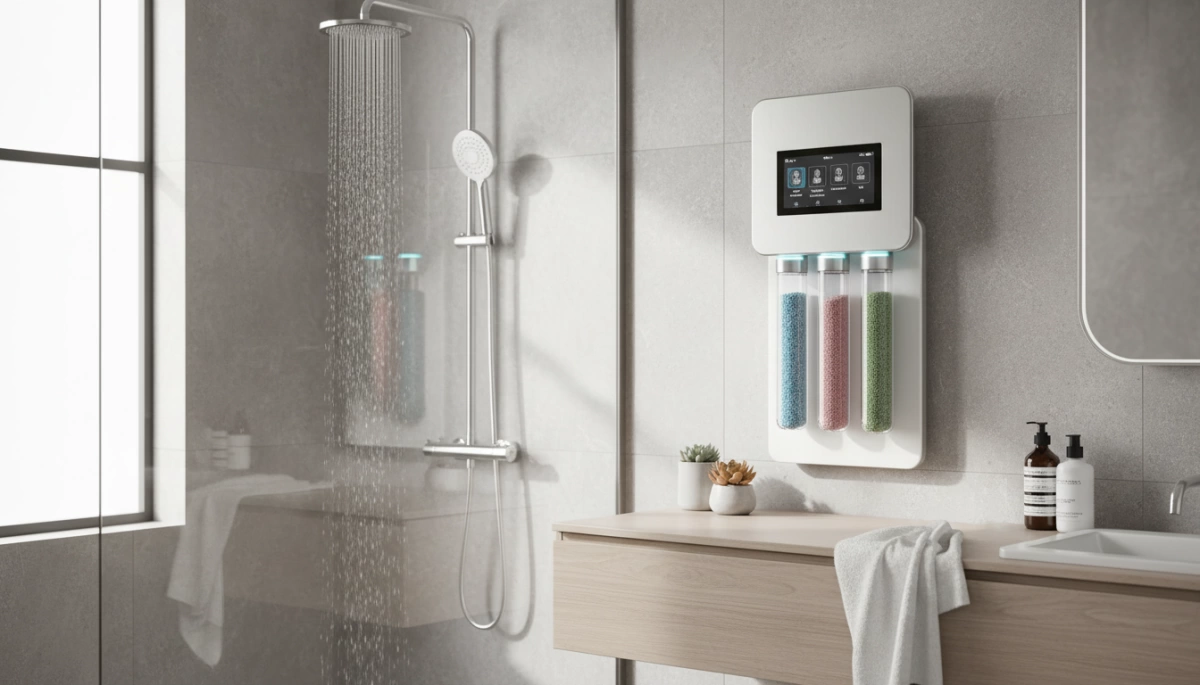
When we talk about beauty and personal care crossover filtration, tech is where it gets really interesting. Smart shower filters and app-connected faucet filters let beauty-focused users in the U.S. finally see how local water quality ties directly to real skin results.
I like using connected filters as a “skincare water quality dashboard.” A smart device can track chlorine, hardness, and filter life, then push data-driven insights on the correlation between water quality and skin health. From there, we can serve personalized product recommendations based on your ZIP code’s water report, your skin type, and how often you shower or wash your face. That’s where skincare water quality trends are clearly heading.
The next step is integrating filtration data right into daily routines:
- Trigger a routine when your shower filter hits a certain usage level (for example, “time to swap the cartridge and switch to barrier-repair products for a week”).
- Adjust exfoliation and active ingredients on days when local water is extra hard or heavily chlorinated.
- Sync under-sink RO systems with beauty apps so users know they’re using truly purified water for beauty routines, not just guessing.
Looking ahead, I see AI-driven routines that combine products and purified water in one plan: your device reads your water, your environment, your recent skin photos, and then auto-builds a chlorine free water skincare schedule with exact filter settings plus recommended cleansers, serums, and hair care. For brands, plugging into this cosmetic industry water focus is a big cross industry opportunity to build a full beauty lifestyle water market, not just sell another filter.
Adjacent Category Expansion and Partnerships
Beauty and personal care crossover filtration is opening up real adjacent category expansion for brands that normally stay in the bathroom cabinet. When I look at how US shoppers actually live, the line between skincare, wellness, and home is gone. That’s why beauty adjacent market expansion into home and lifestyle categories (showerheads, faucet filters, pitchers, and even vanity‑side carafes) is where the next wave of growth sits.
Smart collaborations between beauty brands and water filtration companies let both sides move faster. A skincare line can plug into an existing filtration platform and launch a “skin-first” shower filter or a vanity faucet filter as a limited drop, while the filtration partner gains access to a trusted beauty audience. Bundling skincare, haircare, and filters into complete “skin barrier” or “scalp health” routines makes it easier for customers to say yes at checkout and builds a tighter beauty lifestyle water market.
On retail and e‑commerce, I treat filtration like another beauty accessory:
- Bundle filters in DTC skincare sets and subscription refills
- Add “water quality” as a filter on category pages
- Create comparison content that positions a compact water filter pitcher as part of a daily routine, not just a kitchen tool
Behind the scenes, cross‑industry opportunity depends on supply chain reliability and flexible sourcing. I look for OEM and private label partners who can handle cosmetic industry water focus requirements, stable cartridge supply, and region‑specific testing for the US. That’s what makes beauty personal care crossover filtration scalable, not just a one‑off collab.
Market Opportunities and Business Models in Beauty and Personal Care Crossover
The beauty and personal care crossover filtration space is already sending clear demand signals. I’m seeing more shoppers search for “shower filter skincare benefits,” “faucet mounted filter beauty,” and “purified water for beauty routines” right alongside serums and SPF. When personal care issues like dryness, redness, or hard water skin impact show up, U.S. consumers are now willing to add a home filtration product to their beauty cart, not just their kitchen.
From a growth standpoint, home filtration tied to beauty and wellness should keep climbing as more people:
- Deal with hard water and chlorine in cities and suburbs
- Follow skincare water quality trends on TikTok, YouTube, and Reddit
- Trade bottled water for home systems with a cleaner, cosmetic water purity story
Brands that tap into this “beauty lifestyle water market” have room to build real revenue and loyalty. A smart crossover ecosystem might include:
- Filtered showerheads positioned for hair and skin
- Faucet filters marketed for face washing and night routines
- Countertop or under-sink systems framed as part of holistic skin health
Bundles, refills, and subscription filters lock in repeat purchases, while education-led content supports long-term retention. This is where a beauty personal care crossover filtration play can stand out versus generic hardware or commodity water brands.
On the B2B side, there’s strong upside in OEM, ODM, and private label deals. Beauty, spa, and wellness companies want turnkey filtration they can brand as their own, with cosmetic industry water focus built in. Precision systems that support microplastics removal beauty claims or advanced contaminant reduction, like those outlined in reverse osmosis filters that remove key impurities, give partners a clear performance edge.
For positioning, I frame this category as:
- A cross-industry opportunity between skincare, wellness, and home
- A direct answer to personal care driven water demand in bathrooms and vanity spaces
- An adjacent category expansion that feels natural for premium beauty and lifestyle brands
When we talk about “Beauty and Personal Care Cross Over Market Trends,” we’re really talking about building a long-term platform: products, content, and services that connect water purification personal care benefits with everyday routines, while giving both DTC and retail partners solid margins and a clear story to sell.
Beauty and Personal Care Crossover Consumer Segments
Urban Consumers With Hard Water Problems
In many U.S. cities, hard water, chlorine, and aging pipes make daily routines rough on skin and hair. Urban shoppers are leading skincare water quality trends, looking for simple upgrades like shower filters and faucet-mounted filters that soften water, cut harsh contaminants, and keep beauty products working the way they should.
Sensitive, Acne-Prone, And Eczema Skin
If someone has sensitive, acne-prone, or eczema-prone skin, harsh tap water can sting, dry out, and weaken the skin barrier. This group is actively searching for purified water for beauty routines, gentle shower filter skincare benefits, and chlorine free water skincare solutions that keep their derm-approved routines from being undone at the sink or in the shower.
Premium Beauty And Holistic Skin Health Shoppers
High-end skincare and haircare buyers want more than just “nice products” — they want a full, holistic skin health setup. For them, cosmetic water purity trends and clean beauty filtration crossover products are a natural next step: premium shower and faucet filters, under-sink systems, and home filtration skin health bundles that match their serums, SPFs, and scalp care.
Families And Wellness-Focused Households
Parents and wellness-focused households want safer, cleaner water for everyone, from baby baths to teens with breakouts. They upgrade home filtration because personal care driven water demand is real: one system that reduces chlorine, heavy metals, and microplastics feels like a simple, long-term health and lifestyle move instead of buying endless bottled water.
Content Creators And Influencers
Beauty and lifestyle creators are pushing the beauty personal care crossover filtration story into everyday routines. They show real-world use cases: before-and-after hard water skin impact, shower filter skincare benefits, and faucet filter beauty channel content that connects the dots between water quality and glowing skin. Many of them lean on credible testing and performance data, like the filtration insights shared in this guide to shower water filter testing methods, to keep their recommendations honest and persuasive.
Practical Implementation for Beauty and Personal Care Crossover Content
When I talk about water quality in beauty and personal care content, I keep it simple and direct. I frame it as part of everyday skincare water quality trends, not a lab report. I connect “what’s in your tap” to real issues people already feel: dryness, irritation, frizz, dull skin, and products not working the way they should. That’s how I bring the beauty personal care crossover filtration story to life without sounding salesy.
How To Talk About Water Quality
I anchor the message around three plain points:
- What’s in the water (chlorine, hardness, heavy metals, microplastics)
- What that does to the skin barrier and hair cuticle
- How purified water for beauty routines helps products perform better
I avoid fear tactics. Instead, I use neutral, matter-of-fact language like:
- “Hard water can leave a film that blocks your serum.”
- “Chlorine can strip natural oils, which matters if you have sensitive or acne-prone skin.”
- “Cleaner water = a calmer skin barrier and more predictable product results.”
When it fits the story, I’ll reference real usage data like the daily water usage capacity of faucet water filters to ground the message in practical, everyday behavior.
Key Education Points To Hit
For beauty and personal care driven water demand, I make sure to cover:
- Contaminants: Hard water minerals, chlorine, and microplastics and how they impact hydration, redness, and texture.
- Skin barrier: Why a compromised barrier shows up as tightness, flakiness, and breakouts, and how chlorine free water skincare can help.
- Product performance: How cosmetic industry water focus matters—serums, cleansers, and hair masks work better when they’re not fighting residues.
Short, punchy explanations work best: one problem, one effect, one solution.
Content Formats That Convert
To push the beauty lifestyle water market in a real way, I lean on formats that feel native to each platform:
- Tutorials: “Full shower routine for hard water skin” using shower filter skincare benefits.
- Comparisons: Side-by-side “tap vs filtered” face wash or hair wash.
- Routines: Morning and night rituals that quietly feature a faucet mounted filter beauty setup in the bathroom.
- Before/After: 30-day filtered water test on sensitive or eczema-prone skin, with consistent lighting and minimal editing.
I also mix short Reels/TikToks for attention with longer blog posts for search traffic on skincare water quality trends and cosmetic water purity trends.
Messaging: Real, Neutral, Persuasive
My rule: no hype, no miracle claims. Messaging stays:
- Specific: “Less tightness after showering” instead of “perfect skin.”
- Balanced: I call out limits too—filtered water supports skin, but it doesn’t replace a good routine or dermatologist care.
- Transparent: If I mention microplastics removal beauty benefits or home filtration skin health, I explain what the filter is designed to reduce and what it is not.
That neutral tone actually builds more trust and long-term conversion.
Integrating Filtration Naturally Into Content
For cross industry opportunity and adjacent category expansion, I never treat filtration like a random add-on. I weave it into:
- Blog posts: “Hard water skin impact and how I fixed my shower routine” with filtration as step one, not the punchline.
- Social posts: GRWM and shower POV content where the filter is just part of the bathroom setup.
- Campaigns: Bundling a cleanser, moisturizer, and a beauty personal care crossover filtration device as a “barrier repair system.”
I keep visuals clean, show the device in real bathrooms, and position it as a smart upgrade—just like switching to clean beauty, but for the water itself.
Driplife in the Beauty and Personal Care Crossover
As the founder behind Driplife, I build our water filtration line for one clear goal: make tap water work better for skin, hair, and daily beauty routines.
Driplife Water Filtration for Home and Personal Care
We focus on beauty personal care crossover filtration that fits real U.S. homes:
- Shower filters, faucet-mounted filters, and under-sink systems designed around skincare water quality trends
- Media combinations that target chlorine, heavy metals, microplastics, and taste/odor issues
- Configurations optimized for bathrooms, vanities, and kitchen sinks where beauty routines actually happen
Our lab-tested filtration performance pairs well with high-end skincare and haircare that are sensitive to water quality, similar to how premium systems use post-filtration taste optimization tech to fine-tune user experience.
Features That Matter for Skin Health and Beauty Routines
For cosmetic industry water focus, we design around what skin and hair actually need:
- Chlorine reduction for smoother feel and less dryness
- Hard water mitigation to support the skin barrier and reduce residue
- Microplastics removal beauty focus for cleaner, calmer skin
- Stable flow and fine spray patterns for comfortable shower routines
Quick Feature Snapshot
| Beauty Need | Driplife Feature |
|---|---|
| Dry, tight post-shower skin | Chlorine + byproduct reduction media |
| Dull hair, product buildup | Hard water and sediment targeting designs |
| Sensitive or acne-prone skin | Multi-stage cosmetic water purity trends filtration |
| Daily bathroom beauty ritual | Compact, easy-install shower and faucet filter heads |
Manufacturing, Customization, and OEM Support
Driplife is a China water filter manufacturer and supplier, set up for cross-industry opportunity:
- OEM/ODM for beauty, wellness, and lifestyle brands
- Custom cartridges, housings, and finishes matched to brand aesthetics
- Flexible filtration recipes for different U.S. water profiles and price points
- Private label options to launch clean beauty filtration crossover lines fast
We support beauty adjacent market expansion so brands can move into home and lifestyle without building hardware from scratch.
Using Driplife Filters in Bathrooms, Showers, and Faucets
Our hardware is built to live where personal care driven water demand is highest:
- Bathrooms: Shower filters positioned for shower filter skincare benefits and chlorine free water skincare
- Vanities: Faucet mounted filter beauty solutions for face washing and daily skincare
- Kitchens: Under-sink units for purified water for beauty routines, supplements, and low-water formulas
This setup turns the whole home into a home filtration skin health hub, not just a single tap.
Partnership Models for Beauty and Wellness Brands
We’re actively looking for beauty lifestyle water market partners that want to lead skincare water trend conversations:
- Co-branded shower and faucet filters aligned with clean beauty standards
- Bundled kits that pair skincare, haircare, and filters into one routine
- White-label lines for retailers and DTC brands expanding into filtration
- Content and claim support around hard water skin impact and water purification personal care narratives
If you’re building in the beauty personal care crossover filtration space, Driplife gives you the hardware, customization, and manufacturing backbone to scale fast.