















What Is Sediment In Shower Water?
When you hear “sediment” in shower water, think tiny hard particles that ride in with your water and beat up your shower filter long before its time. In most US homes, sediment in a shower line is a mix of:
- Rust flakes from old galvanized or steel pipes
- Sand and grit from wells or municipal line breaks
- Silt and fine dirt from disturbed mains or poorly flushed lines
- Mineral scale chips from hard water buildup breaking loose inside pipes
All of this ends up acting like a particulate trap test for your shower filter. Instead of just removing chlorine and odor, your filter is forced to work as a sediment pre-filter shower system it was never designed to be.
How Sediment Wears Out a “New” Shower Filter
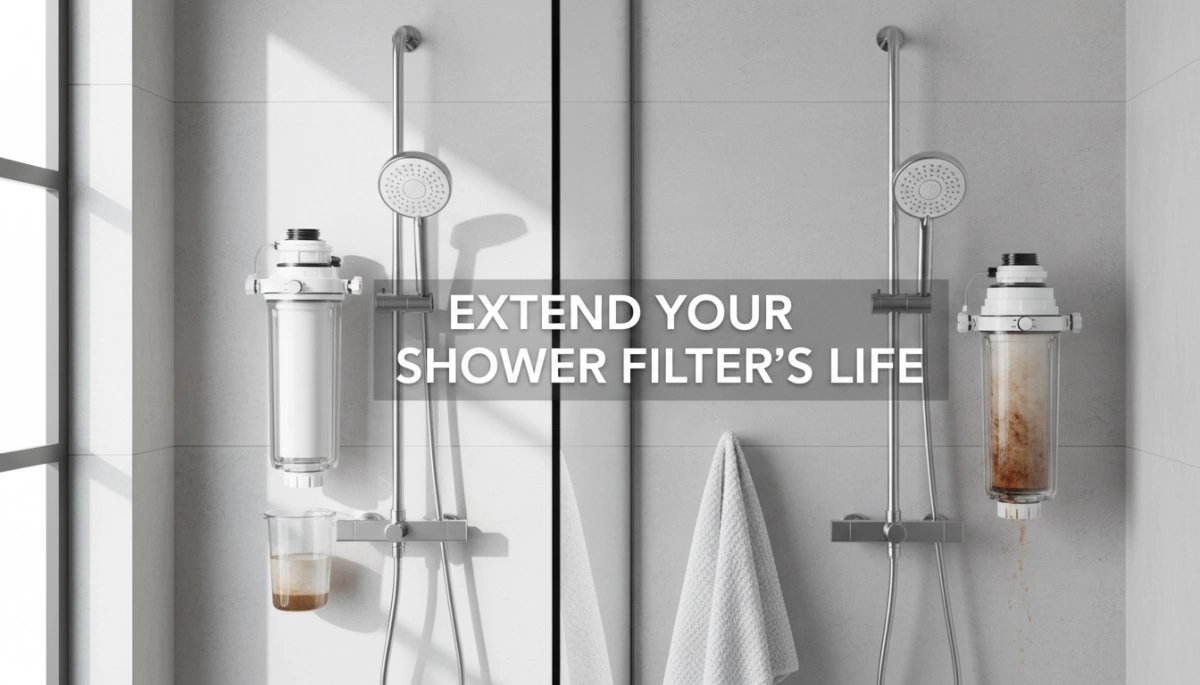
Sediment doesn’t just look bad. It shortens shower filter lifespan by physically clogging the filter media and blocking water paths:
- Particles pack into the carbon or KDF media, blocking the tiny pores that clean your water
- Rust and sand collect on inlet screens and fine mesh, choking off flow
- The filter starts acting like a mechanical filtration shower water stage instead of a chemical one
- Pressure drops, and the filter can’t effectively handle chlorine, odor, or heavy metals
In other words, sediment load reduction never happens upstream, so your main filter becomes the primary contaminant removal filtration stage for everything—including grit. That is the fastest way to kill a cartridge.
Early Warning Signs of Sediment Problems
If your shower filter is “new” but already acting tired, sediment is usually the culprit. Watch for:
- Sudden pressure drop within days or a few weeks of installing a fresh filter
- Uneven or sputtering spray, as some nozzles clog faster than others
- Brown, orange, or gray discoloration on the filter inlet, screens, or housing
- Short filter life—you’re changing cartridges far earlier than the rated gallons or months
Any of these signs tell you your system needs pre-stage water purification to handle particles before they hit the main cartridge.
Where Heavy Sediment Comes From
Certain homes and plumbing setups almost guarantee high sediment shower water problems:
- Older homes with galvanized or rusty steel pipes – constant rust particle removal is needed as flakes break off inside the line
- Private wells – sand, fine silt, and grit are common, especially after pump cycles or heavy rain
- Hard water areas – mineral scale builds up in pipes, then breaks loose as flakes that plug filters
- Dead-end or low-use lines – water sits, corrosion grows, then moves as a slug of sediment when you open the shower
If you’re in any of these situations and you rely only on a single shower filter, you’re forcing it to do sediment pre filtration and chemical treatment at the same time. That’s why I design and recommend systems with a dedicated pre-filtration cartridge system shower users can rely on to protect the main filter and extend shower filter life.
How Sediment Pre Filtration Works in a Shower Setup
What a Sediment Pre-Filter Does in a Shower System
A sediment pre-filter in a shower is a simple mechanical filtration stage that sits before your main shower filter. Its only job: grab the big stuff so your main filter can focus on the chemistry. It targets:
- Rust flakes from old pipes
- Sand and fine grit
- Silt, dirt, and scale particles
Think of it as a pre-stage water purification system that protects your main cartridge from getting packed with debris on day one.
How a Mechanical Pre-Filter Traps Particles
A sediment pre-filter uses physical barriers to catch particles:
- Stainless steel mesh or screen: stops larger grit and sand
- PP cotton pre-filter cartridge: dense layers that trap smaller particles down to a rated micron size
- Inline sediment filter for shower: mounts directly on the shower arm and acts as a particulate filtration unit before water hits your main filter
Water flows through these layers, and the particles stay behind. That’s pure clog prevention—simple, effective, and cheap to maintain.
Sediment Pre Filtration vs Main Shower Filter Stage
The two stages play different roles in a multi-stage shower filtration design:
| Stage | Main Job | Targets | Filter Type |
|---|---|---|---|
| Sediment pre-filter | Block particles | Rust, sand, silt, scale | Mesh / PP cotton, 5–50 micron |
| Main shower filter | Treat contaminants | Chlorine, odor, metals | KDF/copper-zinc, carbon, specialty media |
The pre-filter is the primary contaminant removal filtration stage for solids. The main shower filter is the chemical treatment stage that handles things like chlorine and byproducts. I design our systems so the media in the main filter isn’t wasted on catching rust chunks.
If you want to go deeper into how premium media works after the sediment stage, I break that down in our guide on why copper-zinc media is used in premium shower filters.
First Line of Defense and “Relay” Effect
I treat the sediment pre-filter as the first line of defense in any high-sediment shower setup:
- It takes the initial hit from heavy sediment loads
- It “hands off” cleaner water to the main filter, reducing stress on the chemical media
- When the pre-filter clogs, you swap a cheap cartridge instead of burning through full shower filter replacements
This relay effect is what actually helps extend shower filter life in tough water conditions.
Why Micron Rating and Filter Material Matter
Your results depend heavily on the micron rating and filter material you choose:
- Micron rating
- 20–50 micron: good for visible grit, less pressure drop
- 5–10 micron: better for fine rust and silt, clogs faster but protects more
- Materials
- Stainless steel mesh: washable, great for large particles and long life
- PP cotton pre-filter cartridge: stronger rust and sand filtration and finer sediment load reduction
For most U.S. homes with rusty pipes or mild well water sediment, I usually recommend starting with a 5 micron shower sediment filter in PP cotton for real protection, then adjusting based on how fast it clogs.
How Sediment Pre Filtration Extends Shower Filter Lifespan
A good sediment pre-filter shower setup works like a shield for your main cartridge. By catching rust, sand, and grit first, the pre-filtration cartridge takes on the heavy sediment load so the main shower filter media can focus on chlorine, odor, and heavy metals instead of acting like a dirt sponge.
Here’s what actually happens in real use:
- Sediment load reduction: A mechanical filtration stage (like a 5 micron shower sediment filter with PP cotton or stainless steel mesh) traps larger particles before they ever hit the primary contaminant removal stage. Less particulate hitting the main cartridge means slower clogging and less pressure drop.
- Stable water pressure: When sediment isn’t packing into the main filter, water can move freely through the media. That means fewer “my new filter already feels weak” moments and more consistent shower pressure week after week.
- Reaching rated lifespan: Most shower filters are rated for a certain number of gallons, but heavy sediment can cut that in half. With a properly sized pre-filtration cartridge shower system in front, it’s realistic for U.S. households on rusty or hard water to actually reach—or get close to—the rated life on the box.
- Better chlorine and metal reduction: When the media isn’t plugged with rust flakes and sand, it has more open surface area to handle the chemistry work: reducing chlorine, cutting sulfur-like odors, and grabbing some heavy metals. Sediment pre filtration doesn’t do that job by itself, but it keeps the main filter free to do it well.
- Realistic lifespan gains: In higher sediment homes (older galvanized pipes, some well water), we routinely see 2–3x longer shower filter life just by adding a pre-stage particulate trap. That means fewer cartridge swaps, more predictable performance, and better long-term bathroom water quality.
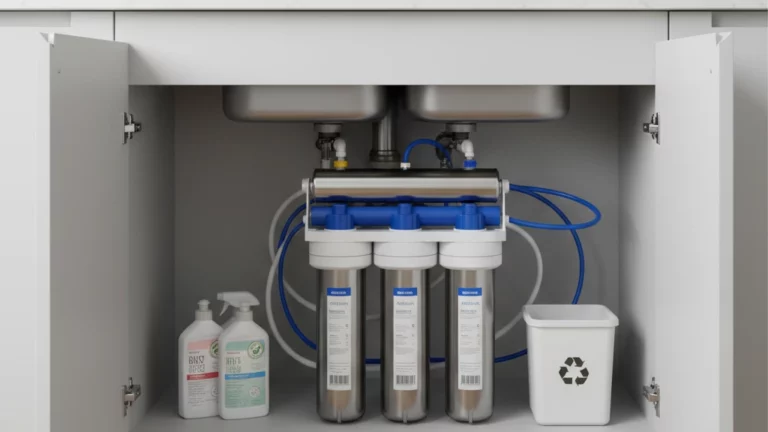
If you’re also treating your drinking water, the same logic applies to whole-house and point-of-use systems—sediment pre filtration in front of a main purifier or RO unit, like a dedicated household water purifier for drinking water, can dramatically extend cartridge life across the board.
Key Benefits of Adding a Sediment Pre-Filter Shower System
Adding a sediment pre-filter to your shower isn’t “extra.” It’s the piece that actually lets your main shower filter do its job for longer.
Extend Shower Filter Life & Cut Cartridge Changes
A sediment pre-filter shower setup catches rust, sand, and grit before they ever hit the main cartridge. That means:
- Less clogging, slower wear on the main media
- Longer shower filter lifespan (often 2–3x in high-sediment homes)
- Fewer emergency filter swaps when the water suddenly feels “off”
If you already use whole-home or bath filtration, pairing it with a focused shower solution like a dedicated bath water filter system keeps your shower head protected from the heaviest sediment load.
Real Cost Savings Over Time
Because the main cartridge isn’t doing the heavy lifting on sediment:
- You buy fewer replacement cartridges each year
- Your annual filtration cost drops, especially on premium shower filters
- You avoid “over-servicing” filters that clogged from dirt, not from reaching capacity
Quick view:
| Benefit | Impact on You |
|---|---|
| Fewer main cartridges | Lower yearly spend |
| Slower clogging | Less hassle, less maintenance |
| Better sediment load reduction | Main filter lasts closer to its rating |
Stable Water Pressure & Better Showers
Sediment is one of the biggest shower filter pressure drop causes. A good pre-filtration cartridge shower system:
- Keeps water pressure more stable as the filter ages
- Helps prevent that “strong at first, weak a month later” experience
- Makes multi-stage shower filtration design actually feel comfortable day to day
Cleaner Water, Less Grit on Skin and Hair
Mechanical filtration in bathroom water does the dirty work up front:
- Rust particle removal in the shower means less orange staining and grit
- Sand and silt reduction helps hair feel smoother and skin less scratchy
- You simply feel cleaner stepping out of the shower, not dusty or coated
Lower Risk of Sediment Bypass
When there’s no pre-stage purification shower head protection, a heavily clogged main filter can:
- Channel water around the media (bypass) instead of through it
- Reduce its ability to cut chlorine, odors, and metals when it’s needed most
A pre-stage particulate trap shower filter keeps sediment load manageable, so the primary contaminant stage filtration can stay focused on real purification instead of acting like a dirt strainer.
Smaller Environmental Footprint
Because you extend shower filter life:
- You throw away fewer main filter cartridges
- Most sediment pre-filters use simple, low-mass media (like PP cotton)
- Your shower water sediment protection improves while your plastic waste goes down
For U.S. households trying to balance bathroom water quality improvement with sustainability, a sediment pre-filter is one of the simplest, highest-ROI upgrades you can make.
Factors That Change How Much Lifespan Sediment Pre Filtration Adds
Well Water vs City Water Sediment Levels
Not all homes get the same benefit from a sediment pre-filter shower system. The dirtier your incoming water, the more lifespan you gain.
- Well water: Often has sand, grit, and rust flakes. A pre-stage water purification system can easily 2–3x your shower filter lifespan because it catches heavy particles first.
- City water: Usually clearer, but older US cities still push fine rust and scale from aging mains. Here, pre-filtration mainly protects against slow clogging and pressure drop.
Quick comparison:
| Water Source | Typical Sediment | Lifespan Gain From Pre-Filter |
|---|---|---|
| Private well | Sand, silt, rust chunks | Very high (up to 3x) |
| Older city lines | Rust, scale, fine grit | Medium (1.5–2x) |
| Newer city lines | Light fine sediment | Lower but still useful |
Hard Water, Rusty Pipes, Older Plumbing
In the US, a lot of homes have hard water and older galvanized or iron pipes. That combo loads your shower filter with junk fast.
- Hard water creates scale chips that break off and plug the particulate filtration bathroom water stage.
- Rusty pipes shed orange/brown rust flakes that slam your main shower filter media.
- Old plumbing means more internal corrosion and debris, so a mechanical filtration shower water stage before the main filter is critical.
Shower Time, Household Size, and Filter Wear
The more water you run, the faster you push sediment into the system.
- Family of 4–5 with daily long showers = heavy sediment load and faster wear.
- Single or couple with short showers = slower clogging, but pre-filtration still stabilizes water pressure.
Simple rule:
More minutes of hot water per day = more value from sediment load reduction shower design.
Micron Rating, Design, and Clogging Speed
Your sediment pre-filter’s micron rating and build decide how quickly it clogs and how well it protects.
- 20–50 micron pre-filtration cartridge shower system: Great for big rust and sand, slower clogging, lighter protection.
- 5 micron shower sediment filter: Strong rust particle removal shower performance, but will clog faster in high-sediment homes.
- PP cotton pre-filter cartridge: Deep, layered mechanical filtration bathroom water with good dirt-holding capacity.
- Stainless steel mesh shower filter: Washable, ideal as the first primary contaminant removal filtration stage in very dirty water.
Maintenance Habits and Replacement Frequency
Even the best sediment pre-filter shower setup fails if you forget about it.
- Regular changes (every 1–3 months for high sediment, 3–6 months for lighter use) keep pre-stage water purification system performance high.
- Watch for pressure drop: Slower flow or pulsing spray usually means the pre-filter is packed.
- Cleanable designs like stainless mesh extend life if you rinse them on a schedule.
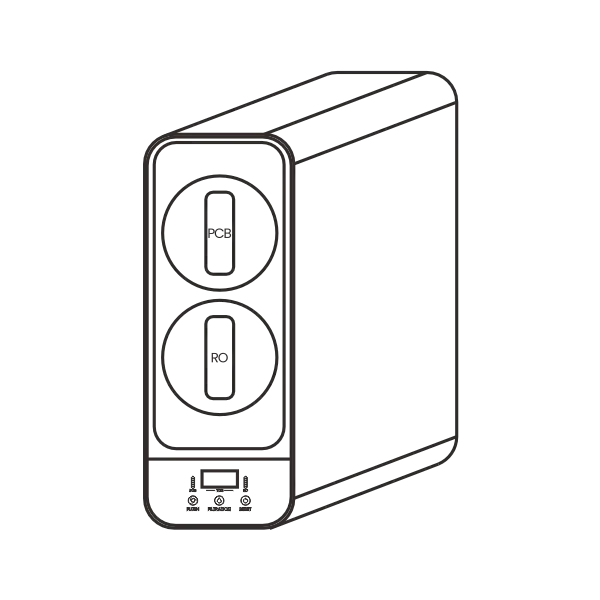
For homeowners who care about both bathroom water quality and convenience, this same mindset applies when you’re picking long-lasting systems like an efficient under-sink RO system with smart maintenance features. The more consistent your maintenance, the more lifespan and cost savings you unlock from every filtration stage.
How to Choose a Sediment Pre-Filter for Your Shower Filter System
Picking the right sediment pre-filter shower setup is the biggest lever you have to extend shower filter life and keep pressure strong. Here’s how I’d choose and design a pre-filtration cartridge shower system that actually fits real-world U.S. bathrooms.
Key Features to Look For
When I build or recommend a sediment pre filter shower system, I focus on:
- Mechanical filtration (not just carbon) for true particulate trap shower filter performance
- Clear housing or visual window so you can see rust and sand build-up
- Standard, easy-to-find cartridges (10″ inline or compact shower-specific)
- Rated for hot water and normal U.S. shower pressures (60–80 psi)
- Simple tool-free changeout so you’ll actually keep up with the shower filter maintenance schedule
Cartridge Type and Housing Style
Your pre-filtration cartridge and housing design change how well it handles high sediment shower water problems:
| Option | Best For | Pros | Cons |
|---|---|---|---|
| PP cotton pre-filter cartridge | Rust, fine sediment, city water | Cheap, catches fine particles, disposable | Needs regular replacement |
| Stainless steel mesh filter | Sand, big grit, well water | Washable, durable, great first-line defense | Misses ultra-fine sediment |
| Inline sediment filter housing | Tight shower spaces, renters | Compact, easy to add before shower head | Smaller capacity, clogs faster |
| Full-size canister housing | Heavy sediment, older homes, wells | Higher capacity, longer life, multi-cartridge | Bulkier, needs more space |
I usually pair a PP cotton pre-filter cartridge with stainless steel mesh in higher sediment homes for a strong primary contaminant stage filtration setup.
Matching Connections to Your Shower
To avoid leaks and headaches, match the pre-stage water purification system to your hardware:
- Stick with 1/2″ NPT or 1/2″ standard shower arm threads (common in U.S. homes)
- Use brass or high-quality plastic fittings for mechanical filtration bathroom water systems
- Make sure the inlet/outlet orientation lines up with your existing shower filter and arm
- If you’re dealing with rusty water throughout the house, consider a whole-home rust solution like a dedicated water filter for rusty water and then a smaller inline sediment filter for the shower
Micron Ratings and Filter Materials
Micron rating is what sets your sediment load reduction shower design apart:
- 50–100 micron: Big chunks, sand, visible particles, first-stage mesh
- 20–30 micron: General rust particle filtration shower water, older pipes
- 5 micron shower sediment filter: Fine silt, scale, pre-carbon polishing
General rule I use:
- Well water / sand: stainless mesh (80–100 micron) + 20–5 micron PP cotton
- Rusty pipe shower water fix: 20 micron PP cotton pre-stage + your main shower filter
- City water with light grit: single 5–20 micron PP cotton is usually enough
When to Consider Multi-Stage or Inline Systems
It’s worth stepping up to multi-stage shower filtration design when:
- You see orange or brown tint in your tub or on fixtures
- Your shower filter pressure drop causes show up in just a few weeks
- You’re on well water with sand, silt, and fluctuating sediment loads
Good multi-stage setups I like:
- Inline sediment filter for shower (mesh or PP) → main shower filter
- Mesh screen → PP cotton → carbon/shower filter for heavy rust and sand
- A compact pre-stage purification shower head attachment if you rent and can’t change plumbing
Done right, this kind of primary contaminant removal filtration stage keeps your main filter focused on chlorine and odor while the sediment pre filter shower system takes the beating from rust and grit.
How To Install A Sediment Pre-Filter Shower System
Best Placement For A Sediment Pre-Filter In A Shower Line
For most homes in the U.S., the easiest setup is a simple inline sediment pre-filter installed directly on the shower arm, before your main shower filter or filtered shower head. The goal is to let the sediment pre-filter catch rust, sand, and grit first, so the main filter can focus on chlorine, odor, and other contaminants. If you already use a full shower filter system (like the units we compare in our guide to the best shower head water filters), the pre-stage goes between the shower arm and that filter.
Basic Tools And Steps For Adding Pre-Filtration
Most DIY installs take 15–30 minutes with basic tools:
- Adjustable wrench or pliers (with a soft cloth to protect finishes)
- Plumber’s tape (PTFE/Teflon tape)
- Optional: level or small step stool for higher showers
Simple install steps:
- Turn off the shower and open the valve to relieve pressure.
- Unscrew the existing shower head or filter from the shower arm.
- Wrap the shower arm threads with 3–4 wraps of plumber’s tape.
- Thread the sediment pre-filter shower housing onto the arm by hand.
- Add tape to the outlet of the pre-filter, then reconnect your main shower filter or shower head.
- Turn water on slowly and check for leaks while watching for a stable stream.
How To Avoid Leaks And Cross-Threading
Most leaks and headaches come from rushing the threads:
- Always start threading by hand; if it doesn’t spin easily, stop and realign.
- Keep the fitting straight and level; don’t “force” metal into plastic.
- Use plumber’s tape in the same direction you tighten, so it doesn’t bunch up.
- Only tighten with a wrench for the last 1/4–1/2 turn; overtightening can crack housings and crush gaskets.
If you see drip lines right at the connection, shut the water off, remove the fitting, re-tape the threads, and reconnect.
Special Tips For Well Water Or Rusty Shower Water
If you’re on well water or you see orange staining and grit, your sediment load is higher and you should build for extra protection:
- Choose a larger-capacity inline sediment filter for shower use, ideally with a 5–20 micron PP cotton pre-filter cartridge.
- For heavy rust particle filtration in shower water, a stainless steel mesh pre-filter as the first stage plus PP cotton as the second stage works really well.
- Expect to change the pre-filter cartridge more often at first while it clears existing buildup in the plumbing.
- If water turns brown or pressure drops suddenly after install, your new particulate trap shower filter is probably catching a rush of scale and rust; that’s normal, just swap the cartridge sooner.
When To Call A Plumber Vs DIY Sediment Pre-Filtration
Most sediment pre-filter shower installs are DIY-friendly, but there are times you should bring in a pro:
- Call a plumber if the shower arm is loose in the wall, heavily corroded, or spinning.
- Get help if you see active leaks inside the wall or around the valve, not just at the filter connections.
- If you’re adding a whole-bath mechanical filtration system or a multi-stage pre-stage water purification setup at the main line, professional installation is worth it for code compliance and long-term reliability.
For a standard inline sediment pre-filter before a shower filter, though, a careful DIY install with good tape, straight threads, and slow testing is usually all you need to extend shower filter life and keep pressure strong.
Maintenance Tips to Get Maximum Shower Filter Lifespan Gains
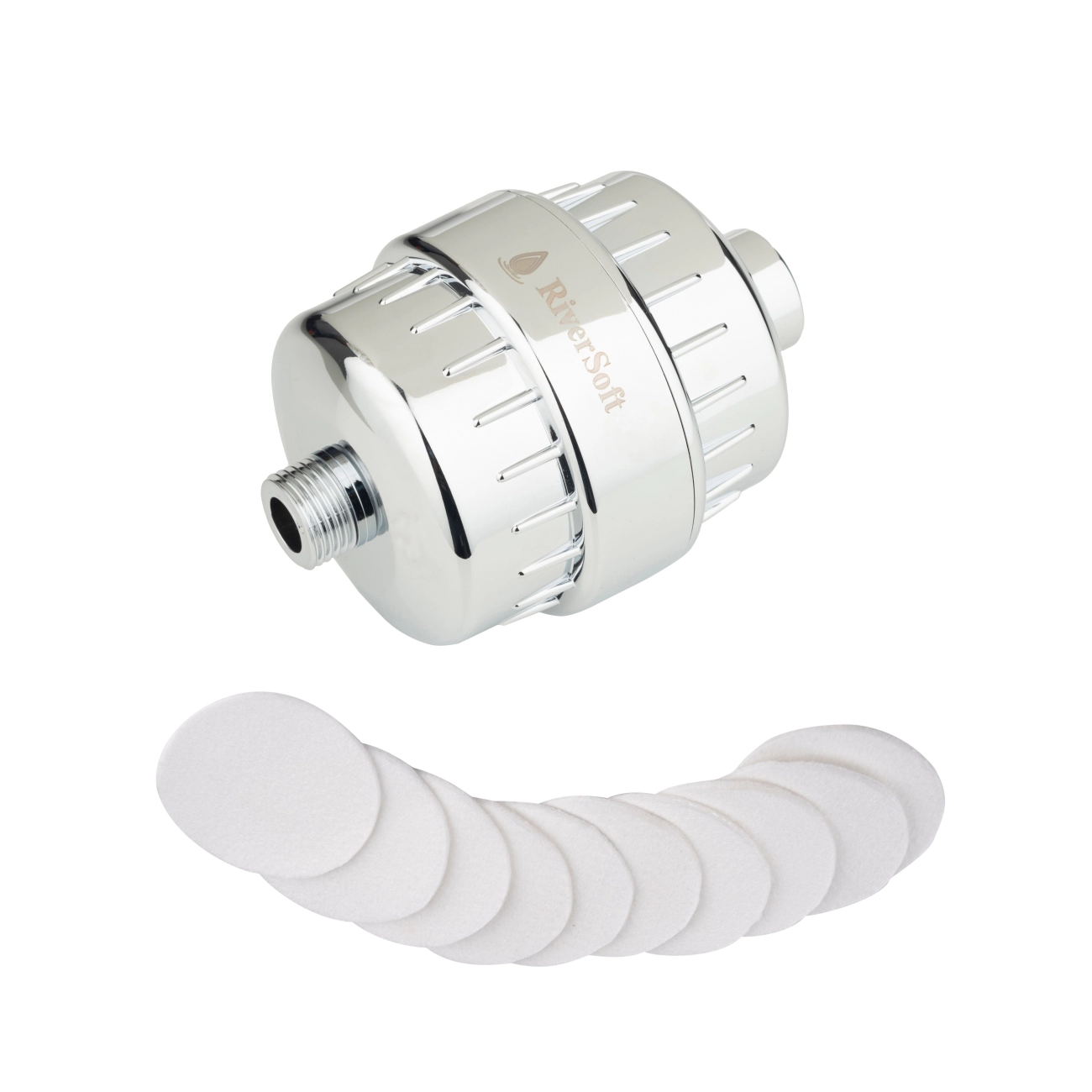
Staying on top of maintenance is the easiest way to extend shower filter life and keep water pressure strong, especially when you rely on a sediment pre-filter shower system.
How often to replace a sediment pre-filter
For most U.S. homes, a good starting point is:
- City water: replace the sediment pre-filter every 2–3 months
- Well water or high sediment: every 4–6 weeks
- Heavy use (large family, daily long showers): lean toward the shorter end of those ranges
Think of your sediment pre-filter as a cheap “sacrifice” stage that protects the more expensive main shower filter and keeps your shower filter maintenance schedule predictable.
Signs your pre-filter is clogged
Swap the pre-filtration cartridge before it chokes your system. Watch for:
- Noticeable drop in shower pressure over a few days
- Spray pattern becoming uneven or “spitting”
- Filter housing visibly dark, rusty, or full of sand/silt
- Shorter time between clogs if you ignore changes
These are classic shower filter pressure drop causes and almost always mean the particulate trap shower filter stage is doing its job and needs a refresh.
Clean vs. replace: what actually works
Whether you can clean and reuse a sediment pre-filter depends on the design:
- Stainless steel mesh shower filter: you can often remove, rinse, and gently brush off rust and sand; reuse until the mesh is damaged or permanently stained
- PP cotton pre-filter cartridge: usually replace, not clean; rinsing may loosen some debris but doesn’t restore full sediment load reduction
If you’re dealing with very dirty or rusty pipe shower water, I recommend replacing cartridges instead of trying to stretch them too far—you’ll protect chlorine and odor reduction performance in the main stage.
How to monitor shower water quality
You don’t need lab gear to keep a pre-stage water purification system on track:
- Watch tub and tile after a shower—new grit, sand, or orange film means the pre-filter is overdue
- Check your skin and hair—more dryness or roughness can signal higher sediment and contaminant load
- If you already use under-sink or other home filters, align your shower pre-filtration change cycles with those to simplify your routine
If you want a deeper understanding of how multi-stage systems behave, this breakdown of multi-stage filtration logic in RO systems gives a good idea of how a primary contaminant removal filtration stage protects the later media.
Simple tracking habits that work
Keep it low effort but consistent:
- Write the install date on the sediment pre-filter housing with a marker
- Set a recurring reminder on your phone (every 1–3 months, based on your water)
- Change the pre-filter first whenever you notice pressure loss, before blaming the main shower filter
These small habits are the fastest way to extend shower filter life, avoid clog prevention panic, and keep your shower water sediment protection working the way it was designed.
Real-World Sediment Pre-Filter Shower Results
Older homes with rusty pipes and clogs
In older U.S. homes with galvanized or rusty steel pipes, shower filters often clog in just a few weeks. Once we add a simple sediment pre-filter shower system in front of the main filter, it starts catching the orange rust flakes and pipe scale first. The result:
- Far fewer “mystery” pressure drops
- Rust particle filtration that keeps the main shower cartridge clean
- 2–3x longer shower filter lifespan in many high-sediment homes
Well water with sand and heavy sediment
Well water users deal with sand, grit, and cloudy water almost daily. A 5 micron shower sediment filter or PP cotton pre-filter cartridge acts like a mechanical particulate trap for bathroom water, stopping sand and fine silt before they ever reach the shower head. Most well users report:
- No more gritty feeling on skin and hair
- Much slower clogging of the main shower filter
- More stable water flow even in high sediment load conditions
Multi-stage shower filtration performance over time
In our multi-stage shower filtration designs, we use a pre-stage water purification system that handles primary contaminant removal first (rust, sand, silt), then the main stage focuses on chlorine, odor, and metals. Over time, this sediment load reduction filtration design means:
- Predictable cartridge life instead of random early clogs
- Better chlorine reduction because the media isn’t choked with dirt
- More consistent performance across all shower water purification stages
If you’re already using multi-stage treatment under the sink, a setup similar to our advanced cartridge structure design for shower filters gives the same long-term stability at the shower.
What users notice after adding pre-filtration
Most people notice the benefits of sediment pre-filtration in the first week:
- Water pressure stays strong instead of slowly dropping
- Less discoloration or rust stains around the tub and tile
- Shower water feels cleaner, with less “grit” and debris
- Filter change reminders line up much closer to the rated shower filter lifespan
Common mistakes when skipping a pre-filter stage
When people skip a sediment pre-filter shower stage, the same problems keep coming back:
- Main cartridges plugging with rust and sand months early
- Assuming the filter is “defective” when it’s actually overloaded with sediment
- Replacing expensive shower filters too often instead of stopping the dirt first
- Ignoring mechanical filtration needs in homes with hard water, rusty pipes, or well water
If your home already needs sediment protection for drinking water, like with an under-sink or whole-home style mechanical filtration system, you’ll almost always see strong gains by adding that same pre-filtration mindset to your shower.