

















If you step out of the shower with dry, tight skin, frizzy hair, or a lingering chlorine smell, your water—not your products—might be the problem.
More and more people are upgrading to a charcoal water filter shower head to fix exactly that. By using activated carbon right at the shower, these filters help reduce chlorine, cut down on harsh chemical contaminants, and make your water feel noticeably gentler on your skin and hair—without changing your plumbing or calling a plumber.
In this guide, you’ll see how a charcoal shower filter actually works, what it really removes (and what it doesn’t), how it compares to KDF and vitamin C filters, and how to choose a shower head with a charcoal cartridge that fits your bathroom, your budget, and your water quality.
If you’re looking for healthier skin, softer hair, and fewer irritations every time you shower, you’re in the right place.
How Charcoal Water Filter Shower Heads Improve Shower Water Quality
What Is a Charcoal Water Filter Shower Head?
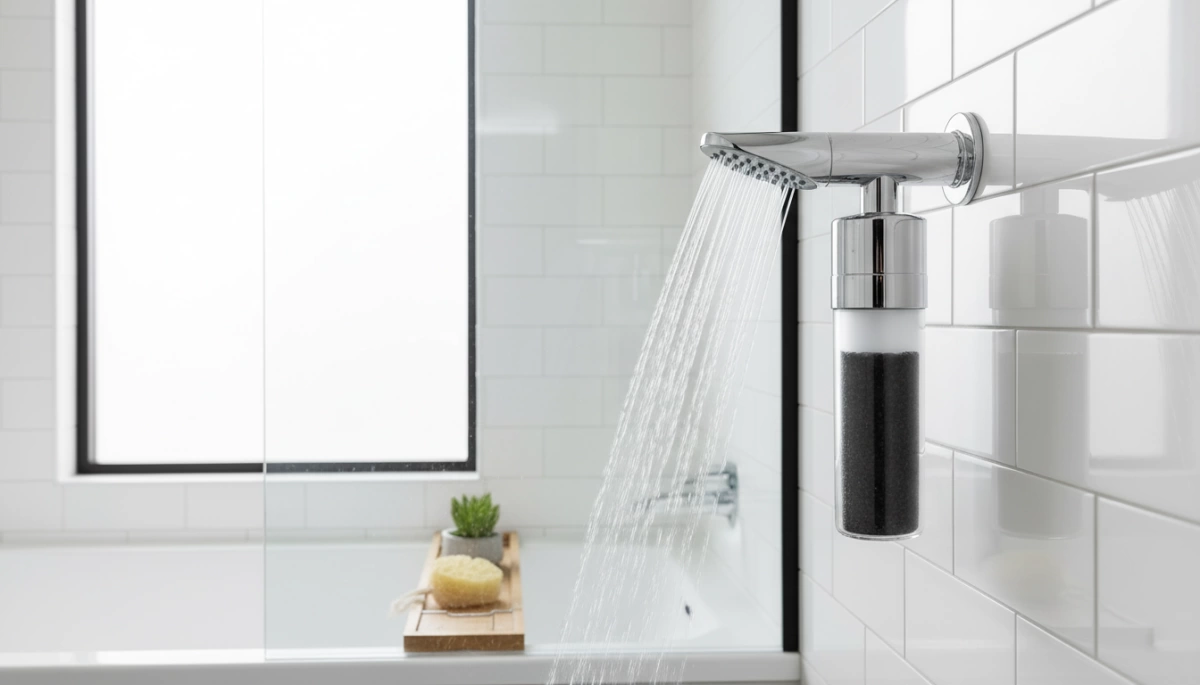
A charcoal water filter shower head (also called an activated carbon shower filter or charcoal filtered shower head) is a shower head that contains a built‑in carbon cartridge to clean your shower water right at the outlet. Instead of just spraying water, it also filters out chlorine, chemical odors, and some contaminants before the water hits your skin and hair.
Integrated Charcoal Shower Head vs Inline Charcoal Shower Filter
There are two main styles:
- Integrated charcoal shower head
- The filter and shower head are one piece
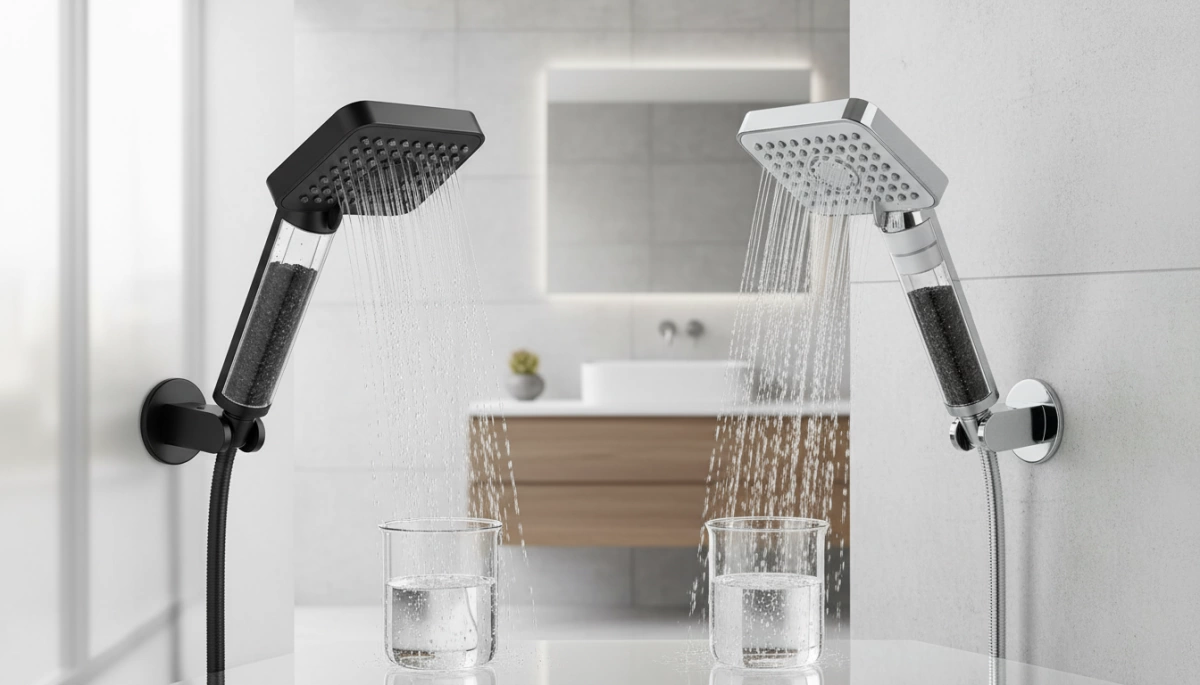
- Sleeker look, often sold as a handheld charcoal shower head or rainfall shower head with filter
- Simple for renters: just unscrew the old head and screw this one on
- Inline charcoal shower filter
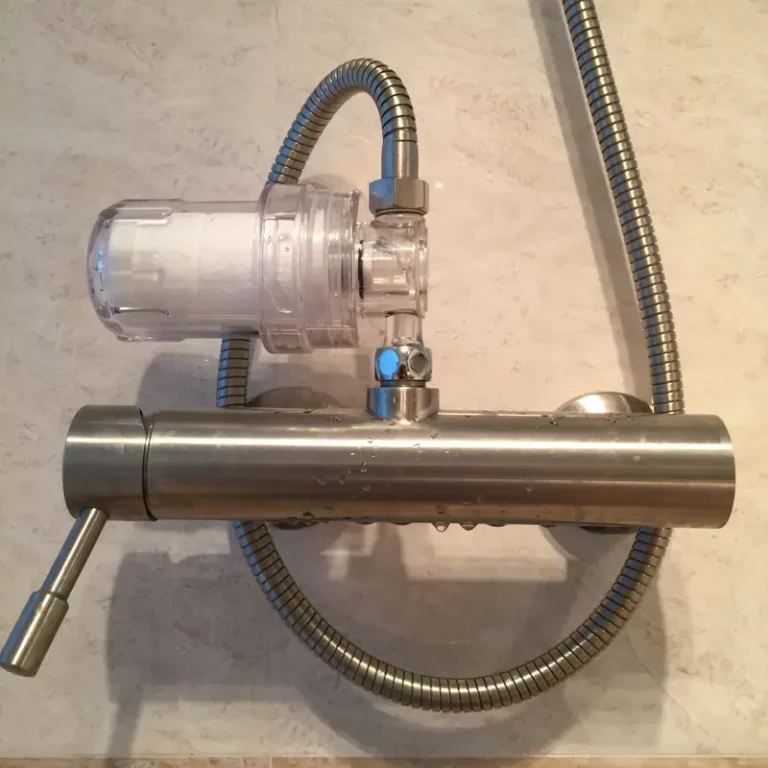
- The carbon filter sits between the shower arm and your existing shower head
- Great if you already love your current shower head or high pressure filtered shower head
- Easier to upgrade later to multi stage shower water filter designs (carbon + KDF + more)
Both are point-of-use shower water filters, meaning they treat water only at the shower, not the whole house.
Key Components of a Charcoal Filtered Shower Head
A quality carbon shower head filter usually includes:
- Activated carbon media (charcoal)
- The core adsorption material that helps reduce chlorine in shower water, chemical fumes, and odors
- Often made from coconut shell carbon for higher performance
- Filter housing
- Durable plastic or metal body that holds the cartridge and seals against leaks
- Designed to handle hot water and normal US water pressure
- Connectors and adapters
- Standard 1/2″ NPT universal fit threads for most US showers
- Optional adapters for handheld hoses, spa shower heads, and bathroom water filtration system setups
Who Actually Needs a Charcoal Shower Filter – And Why
A charcoal water filter shower head makes the most sense if:
- You’re on city water with noticeable chlorine smell
- You have dry, itchy, or sensitive skin, or need a shower filter for skin irritation
- You color your hair and want a healthier hair shower filter to protect color and shine
- You’re dealing with eczema, dandruff, or a dry scalp and want an eczema relief shower filter or shower filter for dandruff and dry scalp
- You live in an apartment and need a hard water shower filter for apartments that’s easy to install and remove
It’s a non toxic shower filter system that helps make your daily shower feel cleaner, gentler, and less harsh—without a full-blown whole‑house system.
How Charcoal Shower Filters Work
Activated carbon adsorption in your shower
A charcoal water filter shower head uses activated carbon (also called an activated carbon shower filter) to trap contaminants as water passes through the media bed. The carbon surface is full of tiny pores, giving it a huge surface area that adsorbs (grabs and holds) chemicals from your shower water instead of letting them hit your skin and lungs.
What happens to chlorine, chloramine, and odors
As water flows through the carbon shower head filter:
- Chlorine is strongly reduced as it bonds to the carbon surface.
- Chloramine can be partially reduced, especially with high‑quality carbon or catalytic carbon, but usually not 100%.
- Chemical odors and fumes from VOCs and disinfection byproducts are greatly lowered, so the shower smells cleaner and feels less harsh.
This is the same basic point-of-use treatment approach used in many faucet water purifiers and is based on the same carbon adsorption principle you’ll see in a [home water purifier on a faucet](https://driplifecorp.com/what-is-the-principle-behind-installing-a-water-p
What Contaminants Charcoal Shower Heads Really Remove
A charcoal water filter shower head is built to deal with the stuff you smell and feel in your shower, not everything in your water.
Chlorine and Chloramine Reduction
An activated carbon shower filter is very effective at:
- Reducing free chlorine – the main cause of that pool-like smell, dry skin, and brittle hair
- Helping with some chloramine reduction (results vary by carbon type and contact time)
If you’re worried about how chlorine affects hair and skin, pairing a charcoal filtered shower head with habits that protect hair from chlorine exposure can make a big difference.
Odor, Chemical Fumes, and Taste
Charcoal shower filters are great at improving how your shower water feels:
- Removes bad odors from disinfectants and treatment chemicals
- Cuts chemical fumes that can irritate your nose, eyes, and lungs in a hot shower
- Improves taste of water (helpful if you occasionally rinse your mouth or kids get water in their mouths)
VOCs and City Water Byproducts
In many U.S. cities, water treatment creates VOCs (volatile organic compounds) and byproducts like:
- THMs (trihalomethanes)
- Certain organic chemical residues from disinfection
A good carbon shower head filter can adsorb many of these VOCs and byproducts, helping reduce long-term exposure while you shower.
Sediment, Rust, and Partial Metals
Most charcoal shower heads include a basic sediment layer:
- Catches sand, rust flakes, and visible particles
- May offer limited reduction of some heavy metals (like lead) but not full removal
If you’re dealing with serious rust or metal issues, you’ll want a multi‑stage shower filter or a whole‑house system, not just a simple carbon shower head.
Limits of a Charcoal Water Filter Shower Head
A charcoal water filter shower head does a solid job with chlorine and smells, but it’s not a magic fix for every water problem. Knowing what it can’t do helps you pick the right setup for your home.
Why Charcoal Does Not Truly Soften Hard Water
Activated carbon (charcoal) is not a water softener. It doesn’t remove hardness minerals; it mainly targets chemicals.
- Does NOT remove hardness: It won’t take out calcium and magnesium, which cause scale and spots.
- No ion exchange: Real softeners swap minerals for sodium or potassium; carbon doesn’t do that.
- Expectation check: A “filtered shower head for hard water” with just carbon can make water feel better, but it won’t fully solve hard water issues.
If you’re dealing with serious scale on glass, tile, or fixtures, you likely need a whole-house softener or a stronger point‑of‑use system, not just a charcoal filtered shower head.
Minerals That Stay in Your Water
Charcoal media lets most healthy minerals pass through:
- Stays in the water: Calcium, magnesium, potassium, and other dissolved minerals
- Visible effects still there: White spots, scale rings, and cloudy glass may still show up
- Shower feel: You might notice less chemical “bite,” but hardness slickness or soap scum can remain
This is why a charcoal shower head filter is usually marketed more for chlorine removal and skin comfort, not as a full hard water solution.
Limits With Bacteria, Microbes, and Heavy Metals
A standard activated carbon shower filter has real limits:
- Bacteria & microbes: Most charcoal shower heads are not certified to remove bacteria, viruses, or parasites.
- Heavy metals: Carbon can reduce some dissolved metals under the right conditions, but performance is inconsistent and usually not fully tested.
- Well water caution: If you’re on a private well with possible microbial issues, you need upstream disinfection (UV, chlorination, or a full treatment system), not just a carbon shower head.
When a Charcoal Shower Filter Is Not Enough
There are plenty of situations where a charcoal water filter shower head should only be part of your setup, not your only line of defense:
- Very hard water: Add a softener or whole‑home treatment to prevent scale and protect fixtures and appliances like a hot and cold water dispenser.
- Known contamination: Lead, bacteria, or serious well‑water issues call for certified whole‑house or point‑of‑use systems, not just a point‑of‑use shower filter.
- High chloramine or VOCs: You may need a multi‑stage filter (carbon + KDF + possibly vitamin C) for stronger chemical reduction.
I position charcoal shower heads as a comfort upgrade—better smell, less chlorine bite, happier skin and hair—not as a full bathroom water filtration system. Use them strategically alongside other treatment if your local water report shows bigger problems.
Charcoal vs Other Shower Filter Technologies
Charcoal vs KDF Shower Filter Media
A charcoal water filter shower head (activated carbon shower filter) is great at:
- Reducing chlorine, chloramine smells, and VOCs
- Improving odor and feel of water
- Acting as an odor removing shower filter for city water
KDF shower filter media works differently:
- Uses a redox reaction (copper + zinc) instead of adsorption
- Very strong for chlorine reduction and controlling bacteria growth inside the filter
- Handles hot water better long term than carbon alone
My rule of thumb:
- City water with strong chlorine smell → Carbon or carbon + KDF combo
- Well water with possible metals or bacteria issues → Always carbon + KDF or a full multi‑stage system, not carbon alone
Charcoal vs Vitamin C Shower Filter Cartridges
Vitamin C shower filters (ascorbic acid) are popular as a vitamin C shower filter alternative to carbon:
- They chemically neutralize chlorine and some chloramine
- Often used in compact, spa‑style or handheld units
- Cartridges are small, so replacement is more frequent
Charcoal / activated carbon:
- Adsorbs a wider range of chemicals and odors
- Usually has a longer cartridge life at the same flow rate
- Better as a general chlorine removal shower head solution
If your main issue is strong chlorine smell + sensitive skin, I like:
- Carbon + Vitamin C together for faster chlorine knockdown and cleaner smell
When to Use Multi‑Media Shower Filters
Multi‑stage shower filters that combine carbon, KDF, and sometimes vitamin C give the broadest coverage:
- Carbon → odors, VOCs, chemical taste, chlorine byproducts
- KDF → chlorine, some metals, bacteria control in the cartridge
- Vitamin C → extra chlorine / chloramine neutralization
Multi‑media filters make sense if you:
- Live in a big city with heavily treated water
- Want a non toxic shower filter system with better overall coverage
- Need a multi stage shower water filter but still want an easy, point‑of‑use install
If you’re into how activated charcoal works in general water treatment, the same principles apply here as in a home activated charcoal water filtration system.
Which Shower Filter Type Fits Your Water
Here’s how I’d match a shower filter to typical U.S. setups:
- Standard city water, strong chlorine smell
→ Charcoal water filter shower head or carbon + KDF combo - Apartment with hard, chlorinated water
→ Filtered shower head for hard water (carbon + KDF; pair with a softener or whole‑house if scale is bad) - Well water
→ Use an inline shower water purifier with multi‑media (carbon + KDF minimum); don’t rely on charcoal alone - Very sensitive skin / eczema / dandruff
→ A shower filter for skin irritation with carbon + Vitamin C is a strong option
Bottom line:
- Charcoal only is fine for basic chlorine and odor.
- Carbon + KDF is the sweet spot for most U.S. homes.
- Carbon + KDF + Vitamin C is best when you want maximum chemical reduction in a compact, point‑of‑use shower filter.
Skin, Hair & Wellness Benefits of a Charcoal Water Filter Shower Head
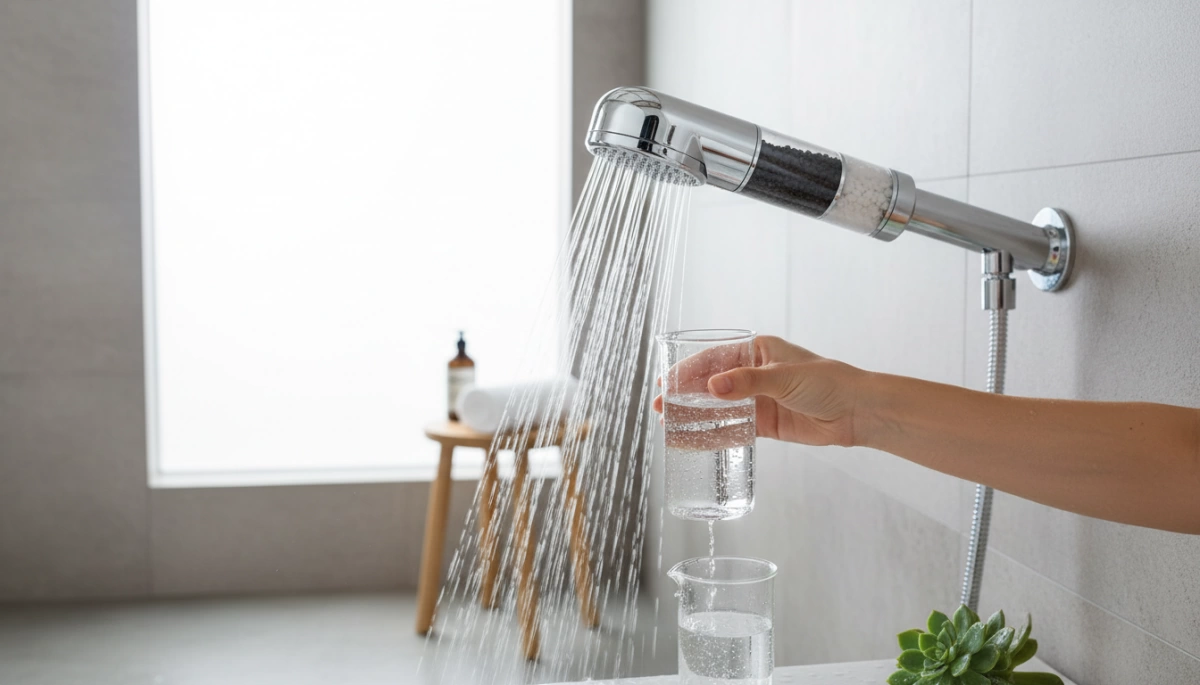
A charcoal water filter shower head cuts down chlorine, chemical fumes, and odors in your shower water. That small change makes a big difference for your skin, hair, and overall comfort at home.
How Less Chlorine Helps Your Skin
Chlorine strips natural oils and can flare up irritation. With an activated carbon shower filter, you’ll typically notice:
| Skin Concern | What a Charcoal Filter Helps With |
|---|---|
| Dry, tight, itchy skin | Less chlorine = less moisture loss after showers |
| Sensitive or reactive skin | Fewer harsh chemicals hitting your skin barrier |
| Redness after hot showers | Softer-feeling water that’s easier on your skin |
For a lot of U.S. city homes, where chlorine is heavily used to disinfect tap water, a chlorine removal shower head is one of the easiest upgrades for more comfortable daily showers.
Healthier Hair, Shine & Color Protection
A carbon shower head filter helps your hair stay smoother and easier to manage by reducing harsh chlorine and chemical byproducts:
- More shine and softness for straight, wavy, and curly hair
- Less frizz and straw-like feel after hot showers
- Better color hold for dyed or highlighted hair (chlorine is brutal on color-treated hair)
- Less scalp tightness after washing
Support for Eczema, Dandruff & Scalp Irritation
If you’re dealing with eczema, dandruff, or a reactive scalp, harsh shower water makes everything worse. A shower filter for skin irritation and dandruff doesn’t “cure” the problem, but it can reduce triggers:
| Issue | How a Charcoal Filter Helps |
|---|---|
| Eczema flare-ups | Cuts down dryness and chemical stress on skin |
| Dandruff & dry scalp | Reduces irritation from chlorine and fumes |
| Itchy, flaky scalp | Gentler water on scalp barrier |
Many U.S. families with sensitive skin use a filtered shower head for a small but noticeable comfort upgrade, right alongside using gentler soaps and moisturizers.
Cleaner Shower Surfaces & Less Film
Charcoal filtered shower heads also help your bathroom look and feel cleaner:
- Less chemical smell in a closed shower
- Less filmy residue from chlorine byproducts on glass and tile
- Easier cleaning because there’s less buildup sticking to surfaces
If you already use under-sink or countertop reverse osmosis systems for drinking water, adding a point-of-use charcoal shower filter gives you the same “clean water” mindset for your skin and hair, not just what you drink.
How to Choose the Right Charcoal Water Filter Shower Head
Match the Filter to Your Water
Before you buy a charcoal water filter shower head, you need to know what’s actually in your water:
- City water (chlorine / chloramine):
- Look for an activated carbon shower filter specifically tested for chlorine and chloramine reduction.
- Multi‑stage designs with KDF and carbon work especially well for most U.S. municipal systems.
- If your whole home uses RO drinking water only, you still need a point‑of‑use shower filter because most reverse osmosis systems are only installed at the kitchen sink.
- Well water:
- Charcoal alone usually isn’t enough. Pair carbon with sediment pre‑filtration and often KDF for iron and sulfur smells.
- Make sure the product is labeled as compatible with well water and not just “city water only.”
- Hard water:
- A charcoal filtered shower head will not truly soften water.
- Look for “filtered shower head for hard water” that clearly says it helps with scale reduction (usually with media beyond just carbon), or consider a whole‑home softener plus a carbon shower head filter for chlorine.
Filtration Media, Certifications, and Test Data
Not all carbon is equal:
- Choose coconut shell activated carbon or premium activated carbon blocks for stronger adsorption.
- Look for independent test reports or certifications (NSF/ANSI standards for chlorine reduction are a big plus).
- Avoid brands that only use vague claims like “purifies water” without real test data.
If you’re already serious about home filtration (like using a reverse osmosis system for drinking water as outlined in this guide on the benefits of RO water for home use), hold your shower filter to the same standard: real numbers, not hype.
Cartridge Lifespan, Flow Rate, and Real‑World Performance
Pay close attention to the ongoing cost and feel of your shower:
- Cartridge lifespan:
- Typical shower filter replacement cartridges last 3–6 months for a family of two to four.
- Check rated gallons and compare that to how often your household showers.
- Flow rate & pressure:
- Look for at least 1.8–2.5 GPM for a high pressure filtered shower head feel.
- If your home already has low pressure, avoid tiny “spa” heads that restrict flow too much.
- Real‑world reviews:
- Prioritize feedback on chlorine smell reduction, skin and hair feel, and water pressure after a few months of use, not just day one.
Fixed, Handheld, and Rainfall Charcoal Shower Head Options
Pick a style that fits your bathroom and routine:
- Fixed charcoal water filter shower head
- Clean, simple look.
- Best if you just want a quick upgrade and easy DIY install.
- Handheld charcoal shower head
- Great for kids, pets, seniors, and rinsing the tub.
- Gives more control if you’re using it as a shower filter for skin irritation, eczema, or scalp issues.
- Rainfall shower head with filter
- Wider spray and “spa” feel.
- Make sure the built‑in charcoal cartridge is easy to access and replace, and that it still maintains decent pressure.
Bottom line: match the media to your water, the flow to your plumbing, and the style to how you actually shower. That’s how you end up with the best shower head filter for chlorine and everyday comfort—not just another gadget on the wall.
Installation and Maintenance Made Simple
Charcoal water filter shower heads are one of the easiest bathroom upgrades you can DIY. You don’t need a plumber, special skills, or a full bathroom water filtration system to get cleaner shower water.
DIY Install: Charcoal Shower Head or Inline Filter
Most activated carbon shower filters install in under 10 minutes:
For a charcoal filtered shower head:
- Turn off the shower and remove the old shower head (use an adjustable wrench if it’s tight).
- Clean the shower arm threads and wrap them with 2–3 layers of plumber’s tape.
- Screw on the new charcoal water filter shower head by hand.
- Tighten gently with a wrench if needed (don’t overtighten).
- Run water for 1–2 minutes to flush the carbon dust.
For an inline carbon shower head filter:
- Remove the existing shower head.
- Attach the inline shower filter to the shower arm.
- Wrap threads with plumber’s tape where needed.
- Reattach your existing shower head to the outlet side of the filter.
- Flush for a couple of minutes before your first shower.
If you’re already filtering drinking water at the sink with a faucet water purifier, adding a point-of-use shower filter is a natural next step.
Tools, Adapters, and Compatibility
Most charcoal shower head filters are universal fit (½” NPT), which works with standard U.S. shower arms. You may need:
- Adjustable wrench or pliers (with a cloth to protect finishes)
- Plumber’s tape for leak-free connections
- Adapters if you have:
- Older or non-standard plumbing
- Ceiling-mounted rainfall arms
- Some imported or RV fittings
If you’re in an apartment or rental, charcoal shower heads are ideal because they’re fully removable and don’t require permanent changes.
When to Replace the Charcoal Cartridge
A charcoal shower filter only works as long as the carbon can still “grab” contaminants. Replace the cartridge when you notice:
- Drop in water pressure that isn’t caused by your plumbing
- Return of chlorine smell or pool-like odor
- Manufacturer’s rated capacity reached, usually:
- 3–6 months of use for most households
- Sooner for large families or heavy hot-water use
I always recommend setting a reminder on your phone or calendar based on the rated gallons or months so you don’t forget.
Tips to Extend Filter Life and Keep Good Water Pressure
To get the most from a charcoal shower filter and avoid clogging:
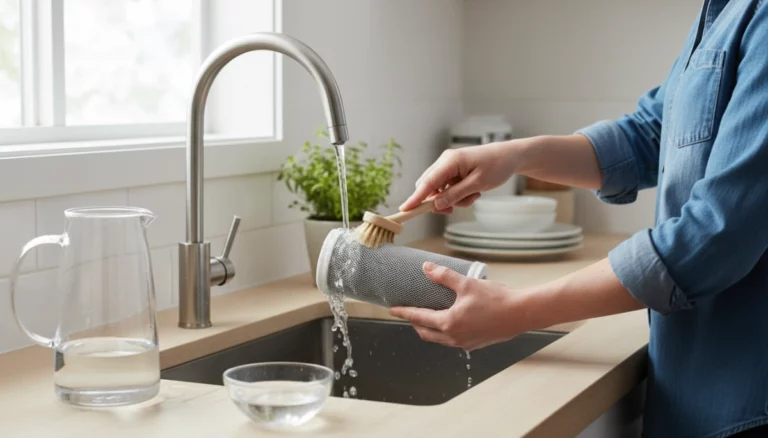
- Rinse the filter after install to clear loose carbon dust
- Use the right temperature: very high heat can shorten filter life
- Clean the shower head nozzles regularly to remove mineral buildup
- Install a pre-filter (sediment or multi-stage) if you have well water or visible rust
- Avoid exceeding your home’s normal water pressure (most filters are rated up to 80 psi)
If you’re already using whole-home or under-sink filtration like a pH-focused water filter, your shower filter will usually last longer because it isn’t doing all the work on its own.
Charcoal Water Filter Shower Head Quality & Supply
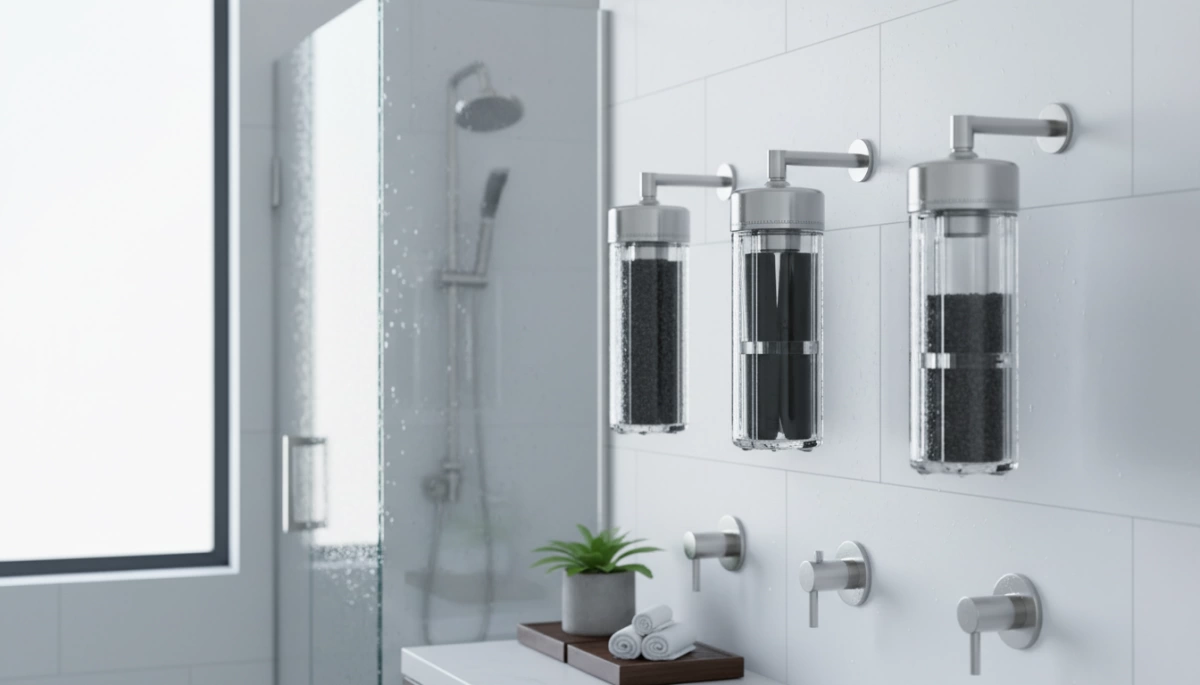
What Quality Manufacturing Looks Like
When I source or build a charcoal water filter shower head, I look for:
- Food‑grade, BPA‑free housings that can handle hot
Common Questions About Charcoal Water Filter Shower Heads
Does a charcoal water filter shower head reduce water pressure?
In most cases, no—if you choose a quality model.
What affects pressure:
- Cheap, over-packed carbon cartridges → can clog fast and drop pressure
- Low‑flow designs → restrict water by design (for water saving)
- Sediment in your line → can block the filter and head
What to look for:
- Rated flow rate: 1.8–2.5 GPM (common in the U.S.)
- High‑flow or high‑pressure filtered shower head design
- Multi‑stage filters with separate sediment pre‑filtration
If your pressure suddenly drops, it’s usually a sign the filter cartridge needs replacing, not that the charcoal system is “weak.”
How long do charcoal shower filter cartridges usually last?
Most charcoal shower filter cartridges last:
| Usage Level (Family Size) | Typical Lifespan |
|---|---|
| 1 person (daily showers) | ~6–8 months |
| 2–3 people | ~3–6 months |
| 4+ people | ~2–4 months |
Key things that shorten life:
- High chlorine/chloramine levels
- Lots of sediment or rust
- Very hot water all the time
Always check the gallon rating (e.g., 10,000–15,000 gallons) and change when you notice chlorine smell again, not just by calendar.
Are charcoal shower heads good for both city and well water?
City water (chlorine or chloramine):
- Activated carbon/charcoal is excellent for:
- Chlorine reduction
- Chemical odor removal
- VOC reduction
Well water:
- Can still help with smell and some chemicals, but:
- Not designed for iron, sulfur (rotten egg smell), or bacteria by itself
- Often needs whole-house or point-of-entry treatment first
If you already use a reverse osmosis or whole-house system, a charcoal shower head is a nice final polish at the outlet. For choosing whole-home or under-sink filtration, I’d use something like this kind of guidance on the right under-sink water filter setup and then add a shower filter on top.
Can I combine charcoal filters with other water treatment?
Yes—and it usually works better that way.
Common combos:
- Charcoal + KDF shower filter → better for chlorine + some metals
- Charcoal + Vitamin C → stronger on chlorine/chloramine neutralization
- Whole-house system + charcoal shower head → best comfort + cartridge life
You can also run:
- Inline shower water purifier on the arm
- Plus a handheld charcoal shower head on the hose
Layering filtration at the point of use (sink + shower) is very normal in U.S. homes, especially if you also care about drinking water quality or adding minerals back to treated water (as in guides on how to add minerals to water).
Options for renters, small bathrooms, and different shower styles
You don’t need to remodel the bathroom to use a charcoal filtered shower head.
For renters:
- Universal-fit point-of-use shower filters
- No wall opening, just unscrew old head, screw in filtered head
- Easy to remove when you move out
For small bathrooms:
- Compact inline shower filters between arm and existing head
- Shorter handheld charcoal shower head kits to save space
Shower styles available:
- Fixed charcoal water filter shower head
- Handheld filtered shower head for hard water and chlorine
- Rainfall shower head with filter for a spa feel
Focus on:
- 1/2″ NPT universal connection (standard in the U.S.)
- Vertical clearance (rainfall heads need more height)
- Filter replacement access in tight spaces
I design and choose these systems to be plug‑and‑play for typical U.S. bathrooms—minimal tools, fast install, and clear replacement schedules so you actually keep the filtration working.