













Phase 1: Pre-Work – Inventory and Scheduling Strategy
Start by standardizing your bottle filler fleet—identify each unit’s make and model to determine the correct filter specifications. This step ensures compatibility, avoiding costly OEM vs. aftermarket filter mix-ups and streamlining your filter life cycle management.
Don’t wait for the “red light” alert before acting. Establish a bulk filter cartridge procurement schedule based on usage data and predictive maintenance, not just reactive replacements. Our Driplife insight shows sourcing filters directly from manufacturers reduces lead time and cuts supply chain hassles, giving you control over your bulk filter supply.
Finally, prep your toolkit. Essential items include:
- Adjustable wrench and screwdriver set
- Replacement activated carbon block filters compliant with NSF/ANSI 42 and 53 standards
- Cleaning cloths and sanitizer
- Leak detection spray
- Pressure gauge
This preparation phase is key for smooth workflow and risk-free filter replacement in public bottle filling station programs.
Phase 2: The Execution – Step-by-Step Replacement SOP
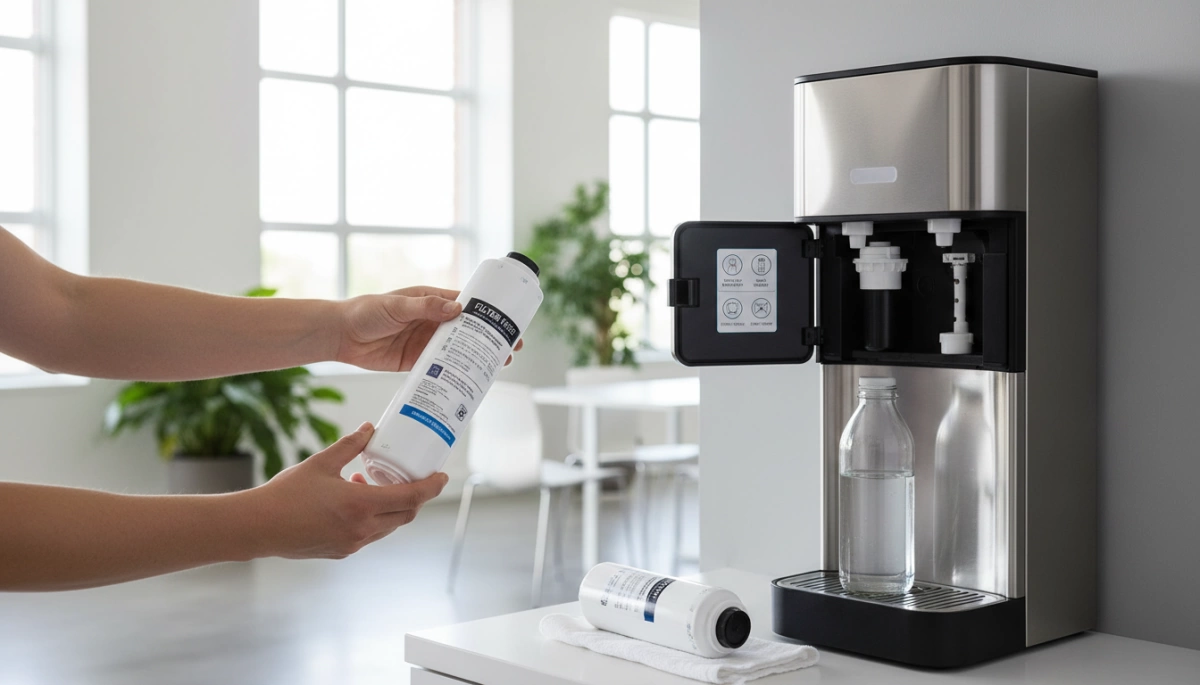
Step 1: Safety and Isolation
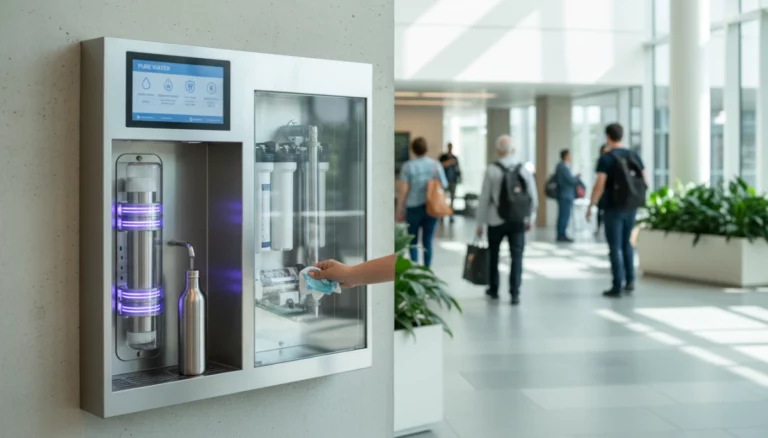
Before starting any filter replacement on your bottle filling station, locate the shut-off valve to stop water flow. De-pressurize the line fully to avoid leaks or bursts during cartridge removal. Don’t overlook electrical safety if your station uses powered components; disconnect power to prevent accidents.
Step 2: Extraction and Sanitation
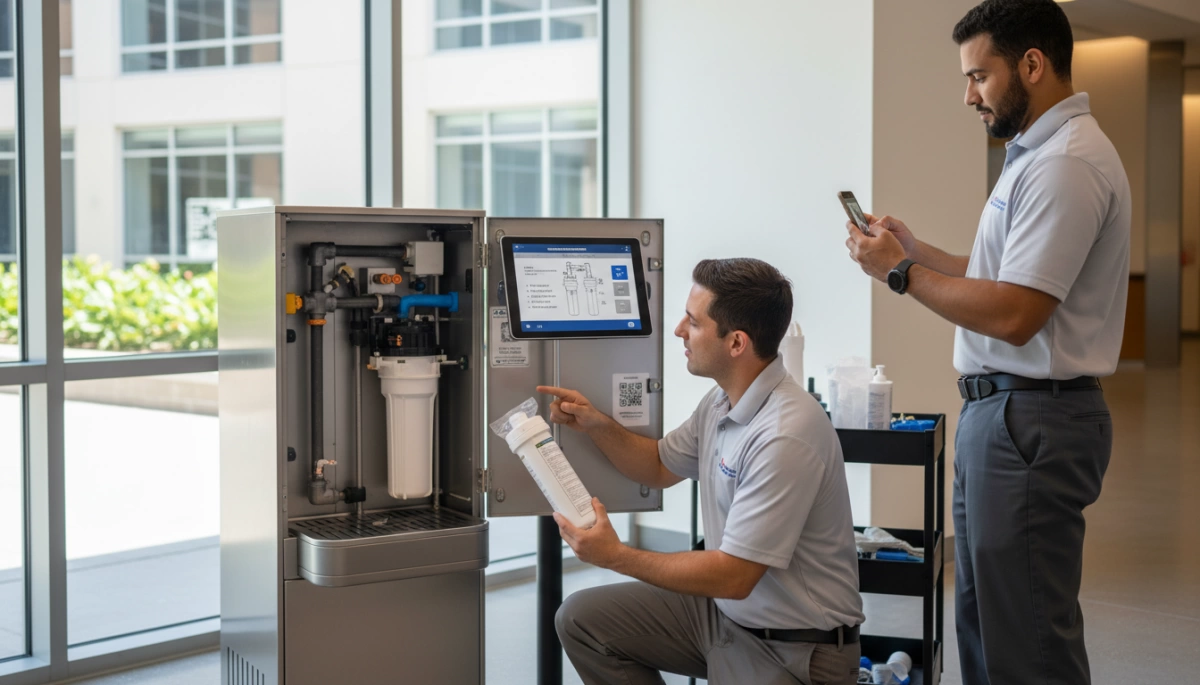
Remove the old filter cartridge carefully to avoid spills or contamination. Once removed, thoroughly clean and sanitize the filter head and housing to maintain public health safety protocols and prepare for the new cartridge.
Step 3: Installation and Flushing
Install the new activated carbon block filter by aligning and seating it properly in the housing. Follow a flush protocol right after installation to clear carbon fines and trapped air pockets, ensuring water clarity and taste meet NSF/ANSI 42 and 53 standards.
Step 4: System Reset
Reset the station’s visual filter monitor or LED indicator, using the automatic filter status reset function where available. Finally, check for leaks by pressurizing the system slowly, ensuring everything holds tight before putting the station back in service.
This clear SOP ensures smooth, safe filter replacement and keeps your commercial water filtration systems running reliably. For best results, pair this with a detailed hydration station maintenance log and proper filter part number procurement to streamline your workflow.
For additional insights on proper filtration, see our water fountain filter guide.
Phase 3: The Paper Trail – Documentation and Compliance
Documenting every filter replacement isn’t just about ticking boxes — it protects your program from liability and helps with smart budget forecasting. Keep a clear, consistent hydration station maintenance log capturing:
- Date of service
- Technician’s name
- Station ID and location
- Filter batch number
- Water meter reading at replacement
Using modern tracking methods like QR codes that link directly to digital service logs streamlines record keeping and improves accuracy. Integrating these logs with facility management software ensures timely alerts for upcoming filter changes and maintains water quality compliance reports seamlessly. These tools elevate your filter life cycle management and keep your public bottle filling stations running within NSF/ANSI 42 and 53 standards.
For insights on managing bulk filter supply chains and choosing OEM vs. aftermarket filter compatibility, see our guidance on competitive analysis of local water filter brands.
Troubleshooting and Quality Assurance
After replacing filters in your public bottle filling stations, watch for common issues like low water flow, which often comes from clogged sediment or incorrectly installed cartridges. Milky water appearance usually results from trapped air bubbles—flushing the system properly can clear this up quickly.
Maintain water quality with annual random sampling to ensure compliance with public health safety protocols. Regular testing supports your preventive maintenance schedule and keeps your hydration stations meeting NSF/ANSI 42 and 53 standards. For deeper insights into maintaining water taste and clarity, consult resources on the role of post-carbon block filters to optimize your system’s performance.