

















Ice Feature Trend: Cube Size Options and Beverage Presentation
Have you ever wondered why a premium cocktail loses its bite after five minutes, or why the healthcare sector demands a very specific type of ice? It all comes down to shape and density. For distributors and commercial buyers in 2026, ice is no longer just frozen water—it is an active ingredient that defines the end-user experience.
Why Shape Matters: Purified Ice for Beverages
In the B2B landscape, we know that the physical characteristics of ice directly impact dilution rates, cooling speed, and the overall aesthetic appeal of a drink. When evaluating cube size options in a purified ice maker, understanding these variables is crucial for matching the exact right machine to your client’s operational needs.
| Ice Characteristic | Impact on Beverage Quality | Primary Advantage |
|---|---|---|
| Surface Area | Dictates melting speed and dilution rates. | Larger formats prevent rapid watering down in premium drinks. |
| Density/Porosity | Determines cooling speed and mouthfeel texture. | High-density cubes chill faster; porous ice absorbs liquid flavors. |
| Visual Aesthetic | Drives consumer perception and premium pricing. | Crystal-clear, uniform shapes elevate high-end hospitality. |
Nugget Ice vs Full Cube: Meeting Market Demands
The market is aggressively fragmenting based on specific end-user environments. Here is exactly what we are seeing across the commercial and prosumer spectrum:
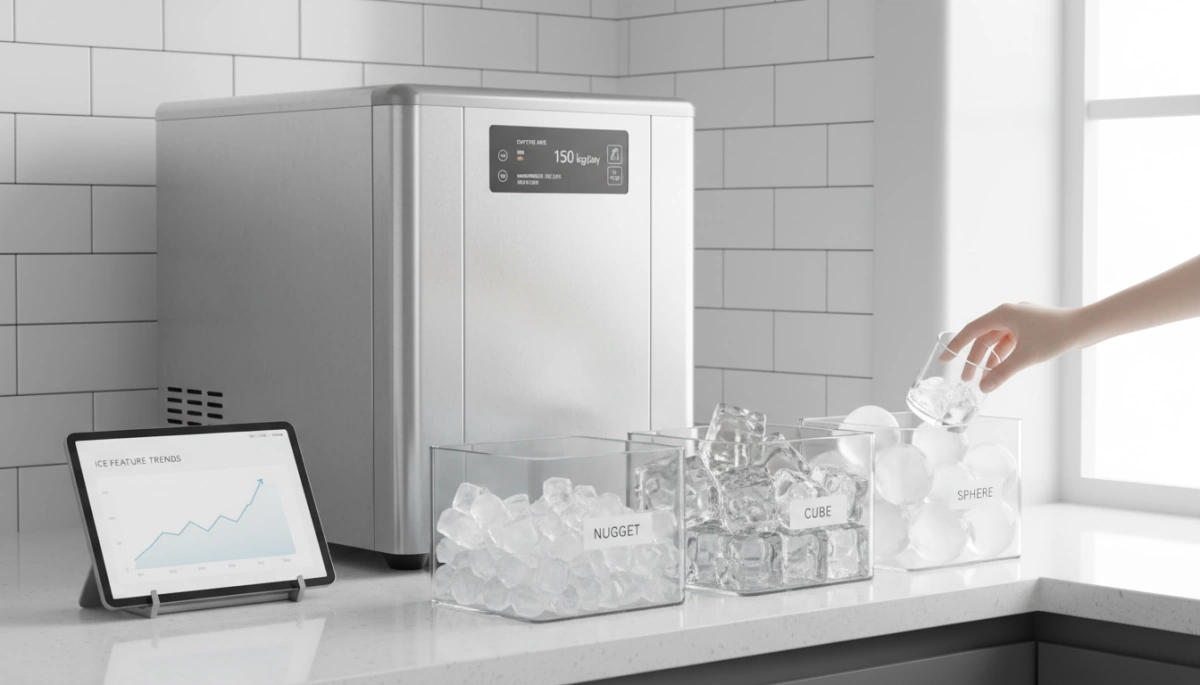
- Full & Half Cubes: This remains the undisputed standard for general commercial use. High-volume bars, restaurants, and hospitality venues rely heavily on these solid, slow-melting shapes to maintain the integrity of their beverages during high-traffic service peaks.
- Nugget & Specialty Ice: We are tracking a massive demand surge in both the prosumer market and the healthcare sector for nugget ice. This highly chewable, porous ice absorbs beverage flavors rather than just cooling them, making it a highly profitable feature for modern countertop dispensers.
The OEM Perspective on Custom Ice Modules
From an OEM/ODM manufacturing standpoint, a “one-size-fits-all” approach is obsolete. Modern brands and B2B distributors are actively seeking manufacturing partners capable of customizing ice modules to fit specific niche markets. Whether it is adjusting the evaporator mold for a fast-casual restaurant chain or engineering a specialized nugget module for a healthcare facility, the ability to pivot production to exact cube specifications is what separates industry leaders from basic suppliers. At Driplife, we prioritize this exact type of modular flexibility in our R&D, ensuring our B2B partners can confidently capture any targeted segment of the market.
Output Rate Trends: Precision Sizing for Modern Demands
In the US market, we are seeing a massive shift in how businesses and homeowners approach ice production. The old “bigger is better” mentality is officially dead. Today, commercial ice machine sizing is all about precision and matching exact daily consumption.
Moving Beyond “Bigger is Better”
Getting the wrong size machine hurts your bottom line and ruins the user experience. We constantly see buyers make one of two critical mistakes:
- Oversized Machines: Buying too much capacity leads to wasted electricity, higher water bills, and stale ice. Ice that sits in the bin for days absorbs odors and clumps together, completely defeating the purpose of a premium setup.
- Undersized Machines: Trying to save money upfront causes brutal operational bottlenecks. Running out of ice during a dinner rush or a busy summer weekend is a fast way to lose customers.
The market is moving toward right-sized, energy-efficient ice systems that perfectly balance peak demand with minimal waste.
Defining Capacity Metrics: Lbs vs. GPD
When looking at a daily ice output rate calculation, the spec sheets can get confusing. You need to know exactly how capacity is measured to make an informed decision:
- Pounds per Day (lbs/day): The traditional standard. This measures the raw weight of solid ice the machine can drop into the bin over 24 hours.
- Gallons per Day (GPD): The modern metric for hybrid systems. As machines integrate heavy-duty filtration, GPD indicates the total water processing capacity of the internal membrane.
The Rise of High-Capacity Countertop Ice Makers
Space is expensive. Modern office breakrooms, apartment kitchens, and specialty cafes simply do not have the floor space for bulky, standalone ice bins. This spatial constraint is heavily driving the trend toward high-capacity countertop ice makers.
Consumers and B2B buyers now demand compact, space-saving units that refuse to compromise on volume. A modern countertop RO ice maker can easily hit a 150 GPD output, rivaling the performance of much larger legacy models. Because these high-output units process massive amounts of water in a small footprint, using purified input water is non-negotiable. Understanding the key reasons why water filtration is crucial directly translates to clearer ice, better-tasting drinks, and significantly fewer maintenance headaches.
Ice Cycle Speed Efficiency
Total daily capacity is only half the story. If your machine makes 100 pounds a day but takes an hour to drop a single batch, you are going to be in trouble during a rush.
Ice cycle speed efficiency is becoming the top priority for buyers. When peak hours hit, you need rapid recovery. Faster freezing cycles ensure that the machine starts dropping fresh cubes within minutes of the bin being emptied. We prioritize manufacturing partnerships that focus on high-speed evaporators, guaranteeing a rapid, steady stream of purified ice for beverages right when the demand spikes.
Redefining Maintenance Expectations and Total Cost of Ownership
The True Cost of Ice
Let’s look closely at the true cost of keeping the ice flowing. Historically, maintenance and repairs add a solid 15-20% to an ice machine’s total lifecycle cost. That is a massive hit to any operational budget, and it is actively reshaping the ice making maintenance expectation market. Today, businesses and prosumers alike demand systems that do not require constant, expensive manual upkeep.
Ice Bin Hygiene Trends
Nobody wants to deal with a slimy or moldy ice bin. In the US market, we are seeing a major shift in ice bin hygiene trends toward hands-off, automated solutions.
- UV-C Sanitization: Continuous light treatments keep bacteria at bay.
- One-Touch Cleaning: Modern self-cleaning ice machine technology allows users to flush and sanitize the system with a single button press.
- Lower Labor Costs: Less manual scrubbing means your staff can focus on actual operations.
The Critical Role of Water Filtration
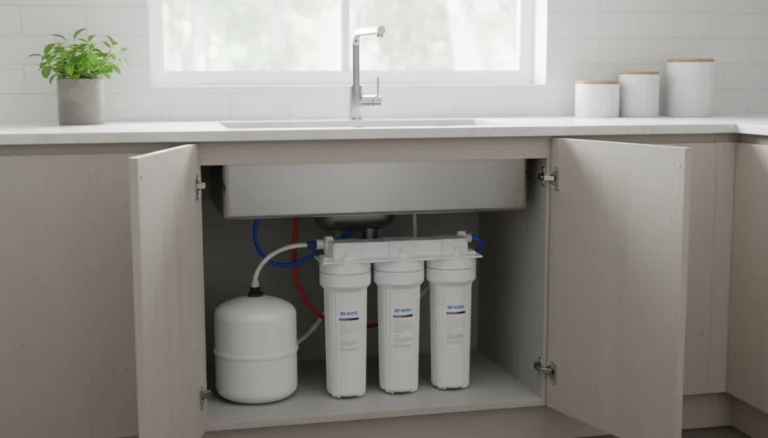
Hard water is the absolute worst enemy of commercial ice equipment. Because of this, traditional standalone units are being rapidly phased out in favor of the integrated purified ice maker. By combining ice generation with built-in Reverse Osmosis (RO) systems, we stop scale buildup in its tracks. Utilizing a high-quality clean water filter at the source strips out the minerals before the freezing process begins, effectively doubling the lifespan of the machine’s internal components.
Preventative Ice Machine Maintenance
We have finally moved past the era of waiting for a machine to break down before fixing it. Smart technology has made preventative ice machine maintenance the new baseline standard.
- Smart Sensors: Real-time tracking monitors water flow and freezing times.
- Filter Alerts: The system tells you exactly when a filter cartridge is maxed out.
- Descaling Cycles: Automated alerts prompt necessary descaling long before mineral buildup causes mechanical failure.
The Future Standard: Multi-Functional Purified Ice Systems
We are witnessing a massive shift in how the US market approaches hydration. The days of relying on clunky, single-use ice makers are fading. Instead, the industry is moving rapidly toward hybrid water stations that maximize utility without eating up counter space.
The Rise of the 4-in-1 Appliance
Space is at a premium in both modern kitchens and bustling office breakrooms. Consumers and commercial clients alike are driving the demand for a multi-functional water dispenser with ice. By combining four essential features into a single footprint, these systems are redefining convenience:
- Advanced Purification: Built-in filtration for safe, clean drinking water.
- Instant Hot Water: Perfect for teas, coffees, and quick meals.
- Crisp Chilled Water: Refreshing, temperature-controlled hydration on demand.
- Integrated Ice Making: A high-efficiency countertop RO ice maker that easily keeps up with peak daily usage.
Purity at the Source
Great ice starts with great water. Feeding an ice machine standard tap water guarantees cloudy cubes, altered flavors, and constant scaling issues inside the machine. That is why we integrate high-grade filtration directly into the ice-making process.
By utilizing Reverse Osmosis (RO) at the source, we eliminate the heavy metals and dissolved solids that ruin beverage flavor and damage internal components. For a clearer picture of how this safeguards your equipment, seeing exactly what reverse osmosis removes highlights why this technology drastically lowers the overall ice making maintenance expectation market wide.
This built-in purity guarantees crystal-clear, purified ice for beverages while significantly boosting the ice module reliability trend countertop RO units are becoming known for. It’s a complete upgrade: your drinks taste exactly as they should, and the machine stays cleaner, longer.
Distributor Feature Checklist: Choosing an OEM/ODM Partner
When looking for an OEM or ODM partner to source your ice module reliability trend countertop RO units, finding a company that aligns with your business goals is critical. It’s not just about getting a product; it’s about finding a reliable supplier who understands the demands of the B2B ice dispenser market and can scale with your needs. Here is a checklist to help distributors evaluate potential partners.
Capacity & Scalability
A key consideration is whether the manufacturer has the infrastructure to support your growth. You need a partner capable of handling global demand without compromising delivery times.
- High-Volume Production: Ensure the manufacturer has substantial annual capacity—for example, producing upwards of 500,000 units per year. This guarantees they can keep up with the increasing demand for a distributor feature checklist ice RO without production bottlenecks.
- Flexible Scaling: Look for a partner who can smoothly transition from smaller initial runs to large-scale, mass production as your market presence expands.
R&D and Customization
Innovation is what separates a standard product from a market leader. Partnering with a supplier deeply invested in research and development is non-negotiable, especially when dealing with advanced systems like a multi-functional water dispenser with ice.
- Proven Experience: Seek out manufacturers with a long track record, ideally 15+ years of dedicated laboratory testing and industrial design experience.
- Custom Solutions: The ability to customize ice modules to meet specific niche markets—such as optimizing the ice cycle speed trend water purifier for rapid production—gives you a competitive edge. An experienced OEM water filter manufacturer in China, for example, can often provide tailored solutions that fit the unique needs of United States consumers.
Quality Control
For B2B buyers, consistent product reliability is paramount. A high return rate can quickly erode profit margins and damage your brand reputation. If you are integrating systems, you might want to understand the benefits of under sink water purifier systems to ensure the core filtration components meet high standards before they even reach the ice-making module.
- Strict Online Inspection: The manufacturer must employ rigorous, continuous online quality checks during the assembly process to catch defects early.
- Transparent Ecosystem: A transparent industrial ecosystem, where you can trace component sourcing and manufacturing processes, builds trust and ensures the final product meets your quality standards.
Choosing the right partner means prioritizing robust manufacturing capabilities, innovative R&D, and uncompromising quality control to deliver a reliable, high-performing product to your customers.