














The Anatomy of a Modular Water Dispenser Platform
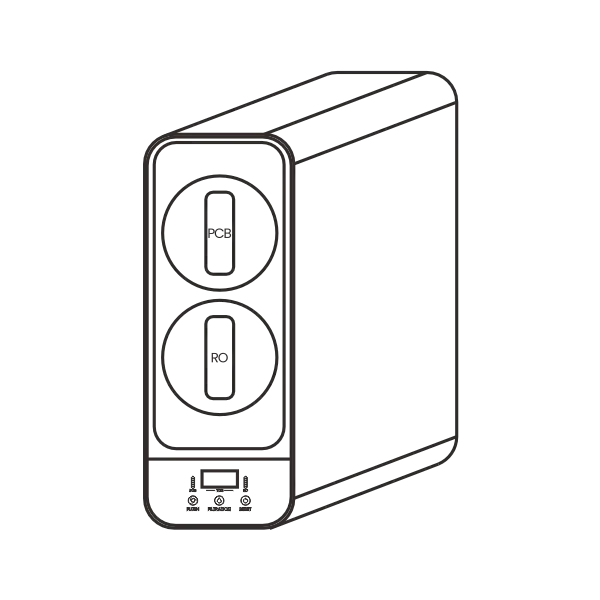
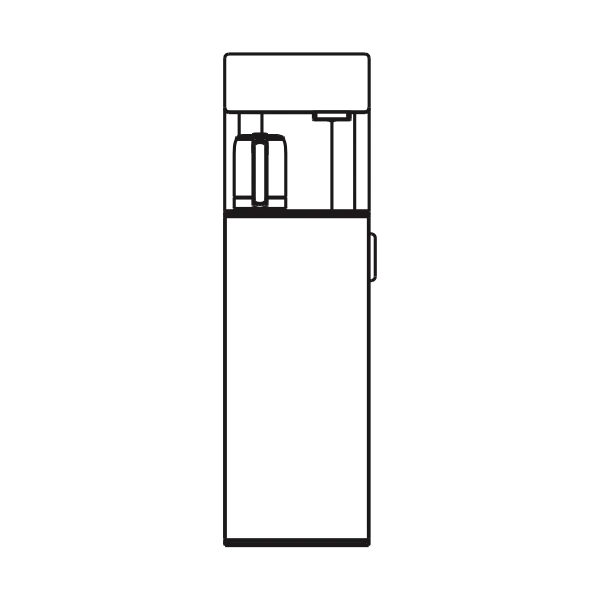
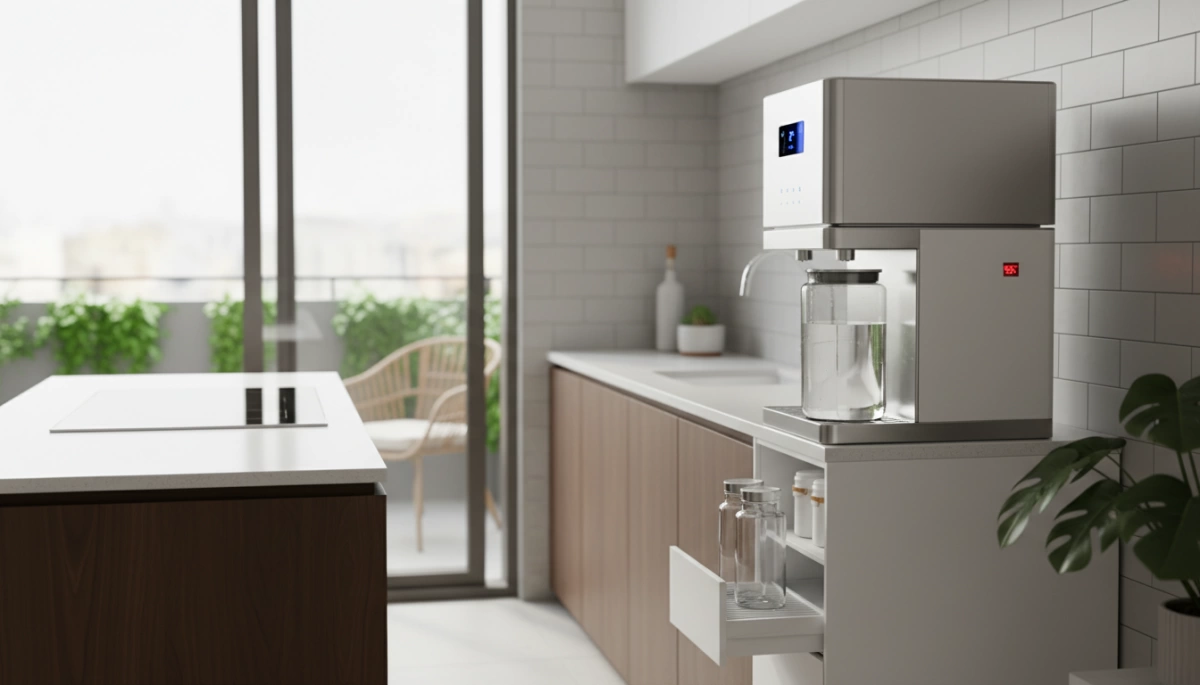
We have re-engineered the modular platform odm water dispenser to eliminate the traditional complexities of product development. By treating the dispenser as a collection of high-performance sub-assemblies rather than a single static unit, we provide a foundation that is rigid in quality but fluid in design. This approach allows us to deliver POU systems that are faster to build, easier to service, and cheaper to scale.
Standardized Internal Frames for Design Flexibility
Our standardized internal frames serve as the structural backbone of every unit. This architecture allows us to mount various exterior shells—from sleek, minimalist home units to rugged high-traffic office dispensers—without re-engineering the core plumbing or structural supports.
- Tooling Amortization: Use the same internal chassis across multiple product lines to lower costs.
- Industrial Design (ID) Freedom: Change the “skin” of the product to match brand aesthetics while keeping the “engine” consistent.
- Structural Integrity: Pre-validated frames ensure every unit meets strict durability standards.
Interchangeable Filtration Modules
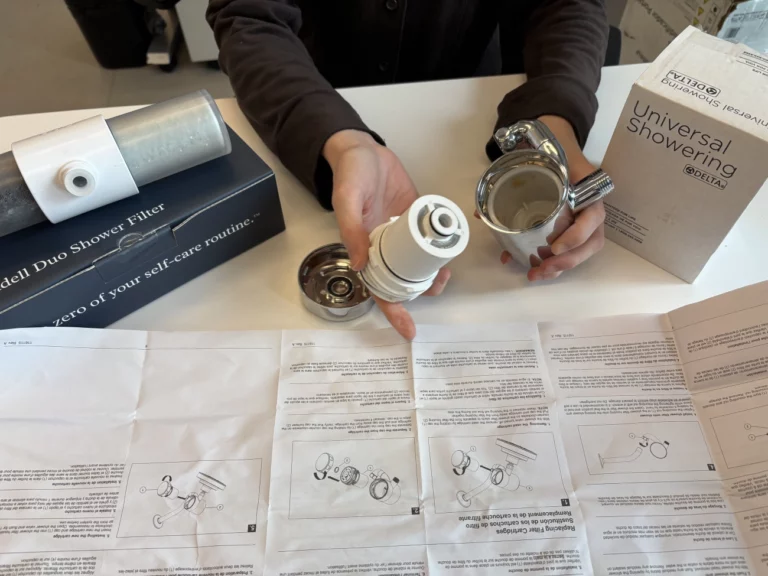
Water quality varies by region, which is why our platform features interchangeable filtration modules. We utilize a universal interface that allows for the quick installation of different sub-assembly integration options.
- Reverse Osmosis (RO) Modules: High-rejection systems for total dissolved solids (TDS) removal.
- Ultrafiltration (UF): Ideal for retaining minerals while removing bacteria and viruses.
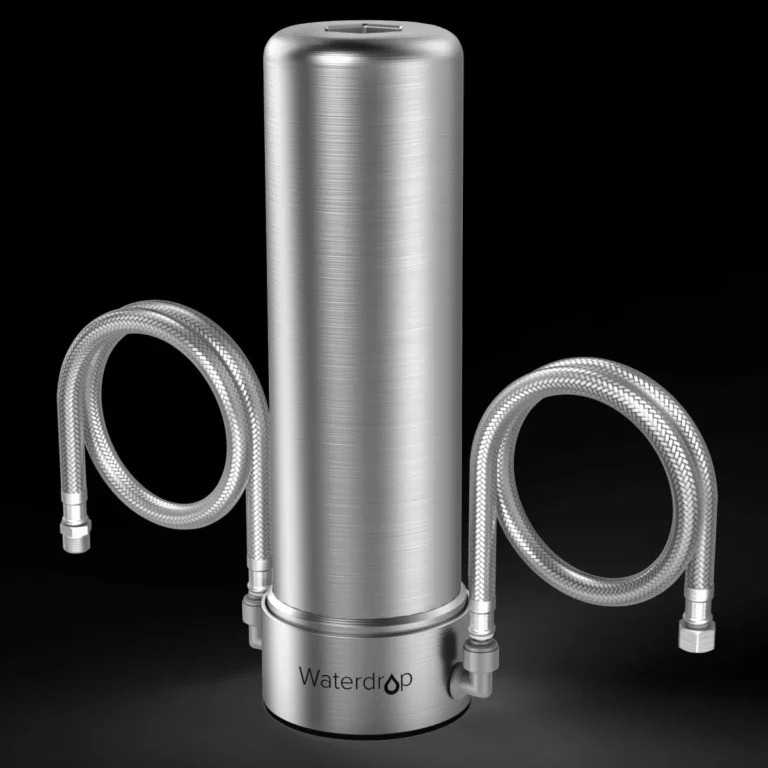
- Activated Carbon: Premium taste and odor correction for high-quality municipal water.
Standardized Thermal Management Blocks
Consistent temperature delivery is non-negotiable. We utilize standardized thermal management blocks for both heating and cooling. These self-contained units are pre-tested for thermal efficiency, ensuring that the “hot” and “cold” performance remains identical across your entire SKU range. This modularity simplifies the supply chain and ensures that replacement parts are always compatible.
Modular PCB Designs and IoT Smart Integration
The brain of the dispenser is just as flexible as the body. Our modular PCB designs allow brands to choose the level of intelligence their product requires.
- Base Models: Reliable tactile buttons and LED indicators.
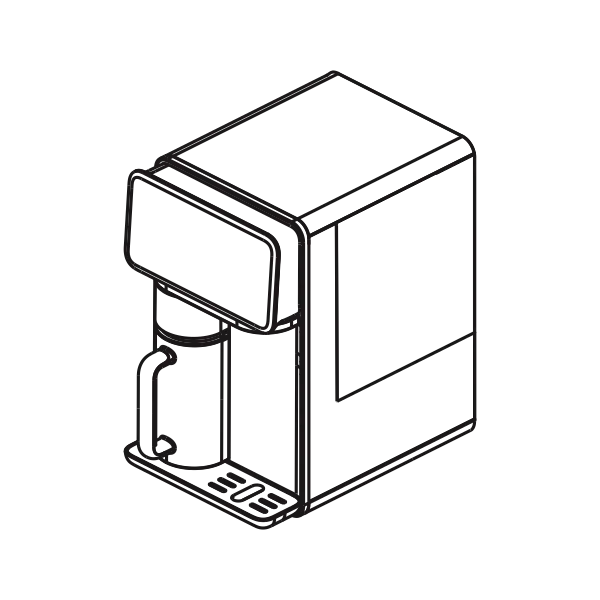
- Premium Tiers: High-resolution touchscreens with intuitive UI.
- IoT Smart Integration: Add-on modules for Wi-Fi connectivity, allowing for remote filter life monitoring, leak detection, and usage analytics.
By focusing on sub-assembly integration, we ensure that your product line can evolve from a simple water cooler to a high-tech smart appliance without starting the engineering process from scratch.
Strategic Advantages of a Modular Platform Design for ODM Water Dispensers
In the competitive US water purification market, staying ahead means moving fast without burning through your budget. Our modular platform design for ODM water dispensers gives brands a massive head start by eliminating the need to reinvent the wheel for every new launch. We focus on efficiency so you can focus on growth.
Slashing Time-to-Market (TTM)
Launching a new product usually takes years of R&D. By using a pre-validated platform, we cut that timeline down to months. This allows you to respond instantly to shifting consumer trends—such as the growing demand for alkaline kitchen water—by simply swapping modules rather than redesigning the entire system from scratch.
Lowering CapEx and Tooling Costs
Custom molds and specialized machinery are massive investments. Our approach focuses on tooling amortization across various models. You get a custom look for your brand without the heavy price tag of unique internal components.
- Reduced Capital Expenditure: Spend your budget on marketing and scaling, not redundant engineering.
- Shared Architecture: One base platform supports multiple SKUs, significantly lowering the cost per unit.
Simplified Logistics and Risk Management
Managing SKU proliferation is often a logistical nightmare for distributors. Modular design simplifies your entire operation:
- Inventory Efficiency: Stock fewer unique spare parts that fit across your entire product line.
- Supply Chain Resilience: Standardized components mean more reliable sourcing and fewer production delays.
- Field-Tested Reliability: Every sub-assembly integration has already been through rigorous Quality Assurance (QA) protocols. You are launching products with components that have already proven their durability in the real world, drastically reducing the risk of field failures.
Customization Without Complexity: The Lego Approach
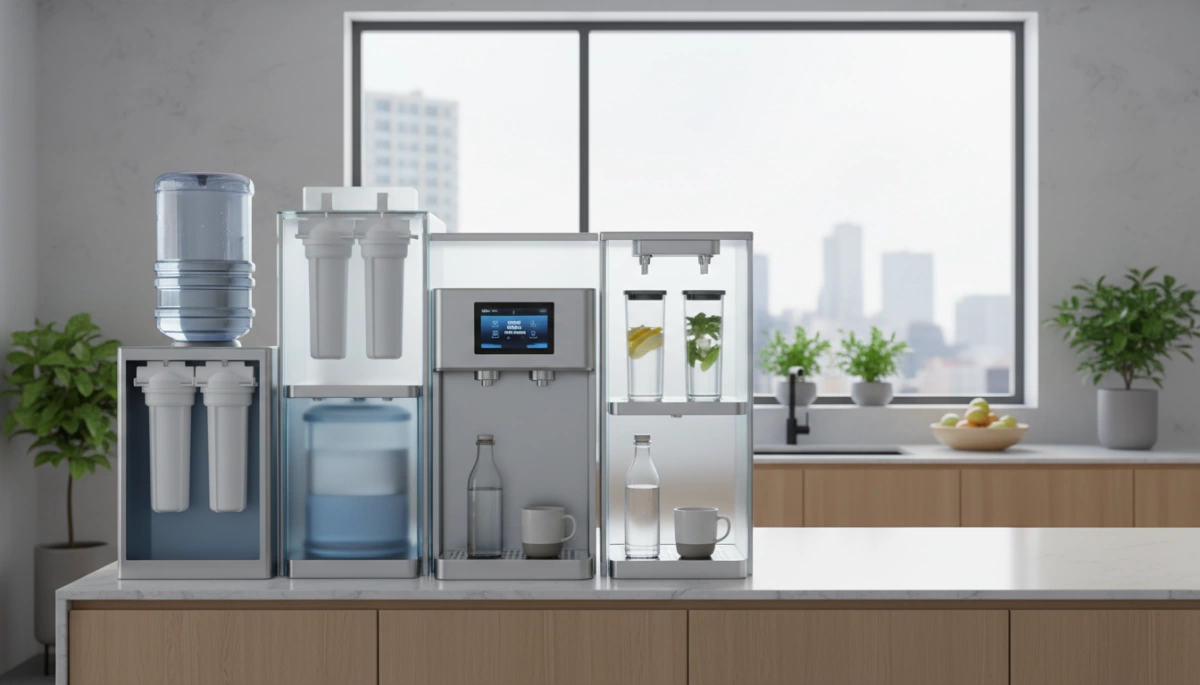
We treat water dispenser design like building with Legos. In the American market, brands need to stand out on a retail shelf or an e-commerce listing without waiting 18 months for a new mold. By utilizing a modular platform ODM water dispenser strategy, we achieve mass customization—giving you a unique look while using a battle-tested internal engine.
This approach allows you to scale your product line vertically and horizontally without the traditional overhead:
- Tailored Aesthetics: Change the exterior panels, colors, and finishes to match your brand’s Industrial Design (ID) while keeping the “engine” (the pumps, tanks, and valves) exactly the same.
- Feature Tiering: Easily move from a base model to a premium unit. You can add UV-C sterilization or high-end thermal isolation design to specific SKUs without redesigning the entire chassis.
- Controlled SKU Proliferation: Launch five different models to target different price points while maintaining 90% part commonality.
| Feature Level | Internal Components | External Customization |
|---|---|---|
| Base Model | Standard Filtration + Mechanical Taps | Standard Matte Housing |
| Mid-Range | UF Membrane + Electronic Buttons | Custom Colorways + Branding |
| Premium | RO + UV-C + Thermal Efficiency | Touchscreen + Metallic Accents |
By separating the “skin” from the “engine,” we eliminate the complexity of traditional manufacturing. You get a product that looks and feels custom-made for your brand, backed by the reliability of a standardized, high-performance platform. This is how we help our partners dominate their niche without the typical R&D headaches.
Engineering for the Future: Sustainability and Maintenance in Modular Platform Design
We build our modular platform design for ODM water dispensers with long-term viability as a core requirement. By moving away from monolithic, “one-piece” builds, we ensure that maintenance is straightforward and cost-effective. This approach prioritizes Product Lifecycle Management (PLM), ensuring your investment remains relevant for years rather than months.
Simplifying On-Site Repairs
Modular serviceability means on-site repairs are no longer a logistical nightmare. Instead of replacing an entire unit, technicians can perform “plug-and-play” swaps of specific components.
- Reduced Downtime: Quick-connect fittings and slide-out modules mean machines are back in service within minutes.
- Lower Labor Costs: Simplified access points allow even junior technicians to handle complex repairs safely.
- Optimized Parts Logistics: You only need to stock specific modules rather than entire chassis, strengthening your Supply Chain Resilience.
Circular Economy and Upgradability
We embrace a circular economy by making our platforms inherently upgradable. If a client wants to move from a basic model to a high-capacity water bottle filling station, the modular architecture allows for component-level upgrades without discarding the base frame. This significantly extends the product’s lifespan and reduces electronic waste, a major selling point for eco-conscious American consumers.
Global Compliance and Voltage Standards
Adapting to different markets shouldn’t mean starting from scratch. Our modular strategy allows us to swap internal power blocks to meet regional voltage standards (110V vs. 220V) while keeping the rest of the engine identical. Every sub-assembly follows strict Quality Assurance (QA) Protocols, ensuring that your Point-of-Use (POU) systems meet local safety and performance certifications with minimal friction. This flexibility allows brands to scale globally without the overhead of multiple unique production lines.
The Driplife Advantage: Your Partner in Modular ODM
At Driplife, we’ve perfected a proprietary platform-based product strategy that removes the guesswork from water dispenser development. By utilizing a modular platform design for ODM water dispensers, we allow our partners to bypass the traditional, slow-moving R&D cycles. We provide a pre-validated “engine” that handles the heavy lifting—filtration, thermal management, and flow control—so you can focus on brand identity and market positioning.
Collaborative R&D and Modular Roadmaps
Our approach is built on partnership. We don’t just hand over a catalog; we engage in collaborative R&D to align our modular roadmap with your brand’s long-term goals. This ensures that as technology evolves, your product line remains upgradable without requiring a total redesign.
- Shared IP Benefits: Leverage our field-tested sub-assembly integration and engineering expertise.
- Scalability: Move from a single SKU to a full product family using the same internal architecture.
- QA Assurance: Our factory audit readiness for RO OEM manufacturing ensures every modular component meets strict international standards before it ever reaches your warehouse.
From Concept to Market in Record Time
Speed is the ultimate currency in the US market. In a recent project, a partner needed a premium countertop unit launched within a tight six-month window. By using our existing modular chassis and simply customizing the exterior Industrial Design (ID) and specific filter element configurations, we cut the development timeline by 50%.
We moved from a initial prototype to a market-ready, certified product while competitors were still stuck in the tooling phase. This “Lego-style” assembly doesn’t just save time; it ensures that the final product is built on a foundation of proven reliability and high thermal efficiency.
FAQs About Modular Platform Design for ODM Water Dispensers
How does modular design reduce manufacturing costs?
Modular architecture significantly lowers costs by maximizing tooling amortization. Instead of investing in entirely new molds for every model, we use shared internal frames and standardized components across different product lines. This approach reduces the financial burden of SKU proliferation and allows for better economies of scale during the procurement of core parts like pumps and sensors.
Can I customize the exterior design while using a standard platform?
Yes, this is the primary benefit of our Industrial Design (ID) strategy. You can create a completely unique look for your brand by changing the “skin” or outer shell while the internal “engine” remains the same. This allows for high-level customization, including customizing the filter life indicator or touch panel layouts, without needing to re-engineer the entire water path or thermal system.
Is modular architecture reliable for long-term use?
Modular systems are often more reliable than bespoke designs because they rely on sub-assembly integration that has already been field-tested. Each module—whether it is a cooling block or one of our Reverse Osmosis (RO) modules—undergoes strict Quality Assurance (QA) protocols before being added to the platform. If a single component fails, the modular nature makes it much easier to swap out a part rather than replacing the entire unit.
How does this approach speed up the certification process?
By using a modular platform design for ODM water dispensers, we utilize pre-validated components that often already meet critical safety and performance standards. This streamlines the prototype validation phase. Since the core electrical and pressurized systems are standardized, the time required for UL, Energy Star, or NSF certifications is drastically reduced, accelerating your overall Time-to-Market (TTM).
- Cost Efficiency: Lower CapEx through shared components.
- Design Flexibility: Unique aesthetics with a proven internal core.
- Simplified Maintenance: Easy module replacement in the field.
- Faster Compliance: Pre-tested sub-assemblies for quicker certification.