












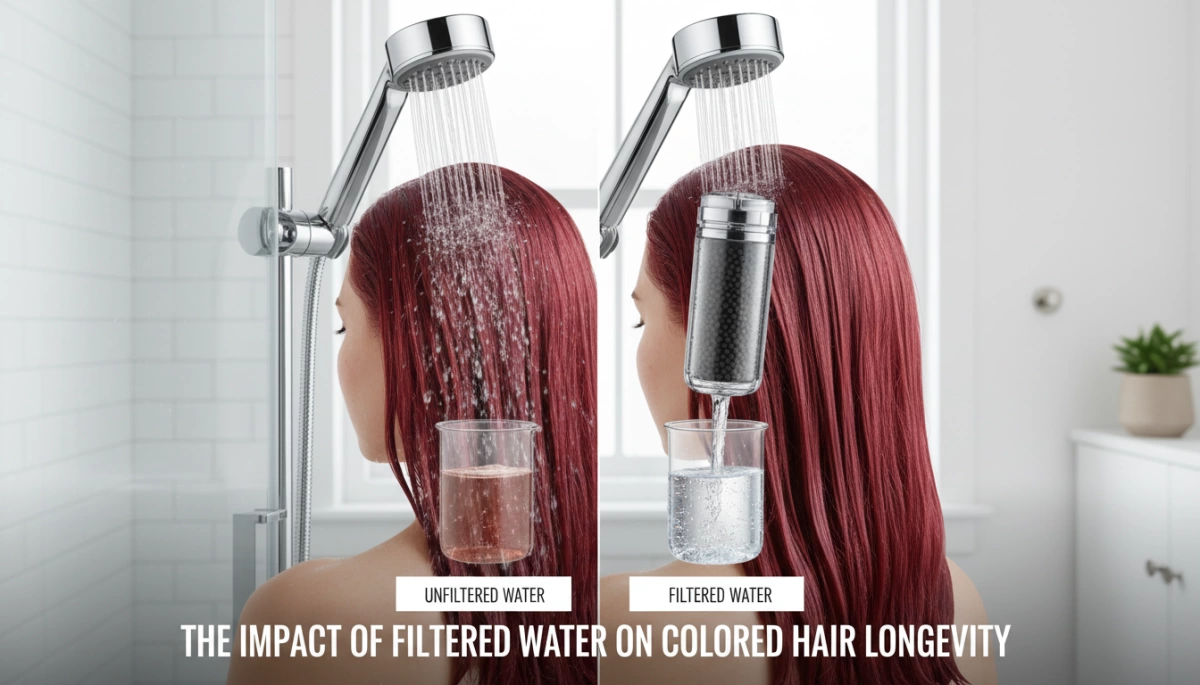
The Chemistry of Color Loss: What Is In Your Tap Water?
At Driplife, we understand that maintaining hair color vibrancy starts long before you apply expensive conditioners. After 15 years of R&D in water filtration, we know that the “clean” water coming from your tap is often chemically aggressive toward delicate hair cuticles. If you are watching your salon investment wash down the drain, the invisible chemistry of your water supply is likely the primary antagonist.
Chlorine and Chloramines: The Hidden Bleaching Agents
Municipal water treatment facilities do an excellent job of keeping water safe to drink by adding disinfectants, but these chemicals are disastrous for colored hair. Chlorine oxidation is the main culprit here.
Think of chlorine as a mild bleach. Just as it breaks down bacteria, it attacks the structural integrity of your hair.
- Strips Natural Oils: It removes the protective lipid layer, leaving hair dry and porous.
- Oxidizes Pigment: It chemically alters the dye molecules, causing them to slip out of the hair shaft faster.
- Increases Porosity: It forces the hair cuticle porosity to increase, making it impossible to hold onto color.
Heavy Metals and Hard Water Minerals Buildup
Hard water is essentially a liquid rock cocktail. When water is “hard,” it is saturated with calcium and magnesium. These minerals don’t just rinse away; they accumulate.
We see this in our lab testing constantly:
- The Barrier Effect: Minerals create a scaly film on the hair shaft that blocks moisture and conditioners from penetrating.
- Dullness: This hard water mineral buildup refracts light poorly, making shiny hair look matte and lifeless.
- Texture Changes: Hair feels rough, straw-like, and tangles easily because the surface is coated in mineral deposits.
Copper and Iron: The Real Cause of Brassiness
If you battle with blonde turning orange or brunette turning red, you are likely dealing with heavy metal removal issues. Copper and iron are highly reactive metals found in many plumbing systems and groundwater sources.
When these metals bind to your hair and react with oxygen (and chlorine), they oxidize—essentially, they rust.
- Copper: notorious for turning light hair green or causing severe brassiness prevention failure.
- Iron: causes warm, brassy orange tones that purple shampoo struggles to cover.
Without proper filtration, every shower is a chemical reaction that degrades your color. This is why we emphasize that municipal water contaminants must be neutralized before they ever touch your hair.
How Filtered Water Acts as a Protective Shield
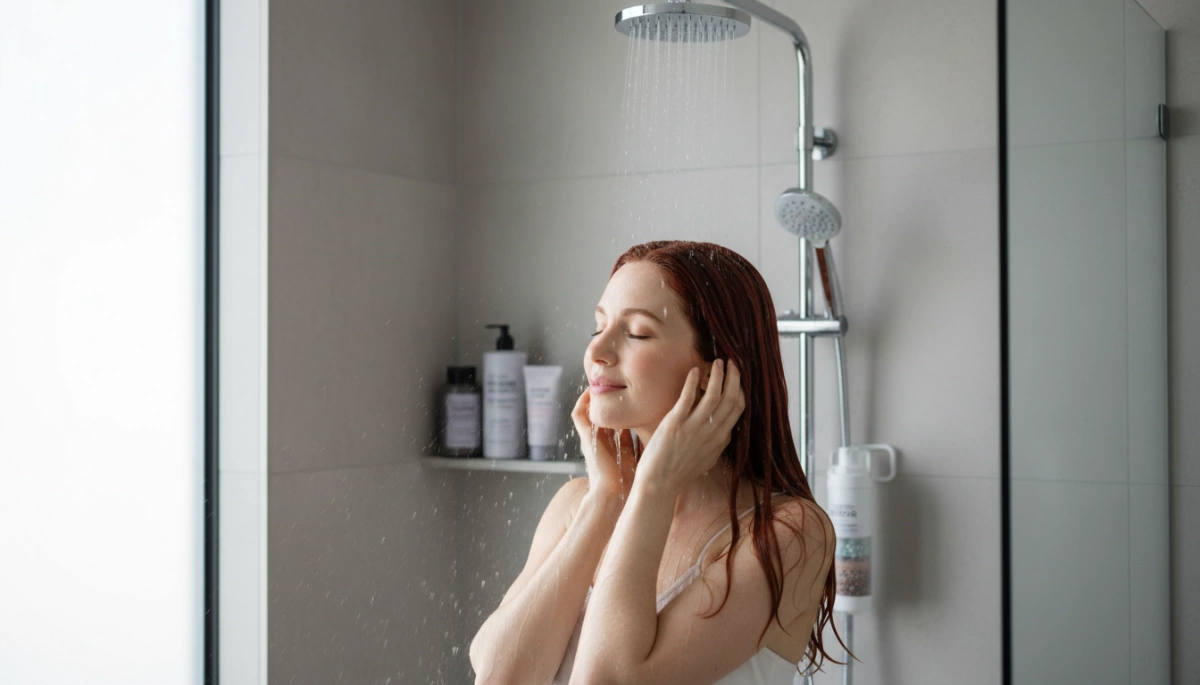
Water quality is the silent variable in every chemical service. When we treat water filtration as a protective shield, we effectively neutralize the external factors that degrade professional color work. By removing volatile contaminants before they touch the hair fiber, we create a controlled environment that supports, rather than sabotages, chemical treatments.
Halting Oxidation to Preserve Dye Molecules
The primary threat to hair color vibrancy is chemical reactivity. Municipal water supplies rely heavily on chlorine and chloramines for sanitation, but these agents are aggressive oxidizers. When they interact with color-treated hair, they trigger chlorine oxidation, a process that steals electrons from the artificial pigment molecules. This chemical theft causes the dye to break down and wash out prematurely.
By implementing high-grade filtration, we stop this reaction at the source. Effective filtration media neutralizes these oxidizers instantly, ensuring oxidation prevention and significantly extending the life of the color service. This is particularly crucial for reds and porous blondes, where dye retention is notoriously difficult to maintain against oxidative stress.
Sealing the Cuticle for Maximum Shine and Moisture
Healthy hair relies on a smooth, closed cuticle layer. Unfiltered water, often laden with calcium and magnesium, disrupts the hair’s pH balance and forces the cuticle to remain raised. This state of high hair cuticle porosity allows pigments to leach out and moisture to evaporate, leaving the hair dry and dull.
Advanced filtration, including Ultrafiltration (UF) technology often used in our premium skin care applications, removes the microscopic sediments and rust that physically prop open the cuticle scales.
- pH Stabilization: Filtered water helps return hair to its natural acidic state (pH 4.5-5.5).
- Surface Smoothing: Facilitates cuticle sealing for light reflection (shine).
- Texture Improvement: Reduces friction between strands, minimizing breakage.
Just as a robust under cabinet water filter system safeguards your drinking supply from heavy metals, specialized shower filtration is critical for protecting the keratin protein in your hair from structural damage.
Improving the Efficacy of Expensive Hair Products
High-end shampoos, masks, and treatments cannot penetrate a shaft coated in mineral slag. Hard water mineral buildup acts as a barrier, causing expensive products to sit on top of the hair rather than absorbing into the cortex. This often leads to a cycle where clients use more product with diminishing returns.
Filtered water ensures a clean canvas. It allows for true sulfate-free rinsing, ensuring that cleansers remove dirt without stripping natural oils, and that conditioners can bond effectively to the hair structure. By eliminating chemical residue reduction issues caused by the water itself, we maximize the ROI on every bottle of product used.
Filtration Technology: Not All Filters Are Created Equal
When protecting salon-quality hair color, the specific technology inside the filter housing matters more than the brand name. Generic filters often lack the precision required to strip away the microscopic contaminants that degrade dye molecules. To truly halt oxidation and maintain vibrancy, we rely on a combination of specialized media designed to target municipal water contaminants at the molecular level.
Understanding Filtration Media: KDF-55 and Activated Carbon
The most effective shower head filter benefits come from a dual-stage approach. Activated Carbon acts as a sponge for organic compounds, removing foul odors and volatile chemicals. However, carbon alone isn’t enough for color protection.
We integrate KDF-55 filtration media (Kinetic Degradation Fluxion) because it specifically targets the heavy hitters: chlorine and water-soluble heavy metals. Through a chemical oxidation-reduction process, KDF-55 neutralizes chlorine before it can strip the natural oils from your hair. Advanced configurations may also incorporate Vitamin C elements, where VC scented filters enhance shower head longevity and neutralize residual chloramines that standard carbon might miss.
The Role of Ultrafiltration (UF) in Removing Sediments
While chemical removal is vital, physical purity is equally important. Ultrafiltration (UF) technology is a cornerstone of our R&D for “Skin Care” and hair health devices. Unlike standard mesh screens, UF membranes function at a microscopic level (0.01 microns), effectively blocking:
- Rust particles from aging pipes
- Colloidal silica
- Bacteria and macromolecules
This level of filtration ensures that the water rinsing your hair is free from physical sediments that cause friction and lift the hair cuticle, leading to faster color fade.
Shower Filters vs. Whole House Systems: What Do You Need?
Choosing between a point-of-use shower filter and a whole-house system depends on your specific goals for hair color vibrancy.
- Shower Filters: These offer a targeted, high-intensity solution specifically for the bathroom. They are designed for effortless installation and provide the highest concentration of KDF-55 and UF technology directly where you wash your hair. This is often the most cost-effective way to secure heavy metal removal for beauty routines.
- Whole House Systems: These treat water at the entry point. While beneficial for appliances, they may not always provide the fine-tuned, beauty-centric filtration needed for delicate hair cuticles unless paired with a dedicated shower unit.
For maximum color retention, a specialized shower filter ensures that the water touching your strands has been freshly purified to meet strict laboratory standards.
Beyond the Filter: A Holistic Water Routine for Color Care
While installing a high-quality shower filter is the critical first step in protecting your investment in salon color, how you use that water plays a massive role in longevity. At Driplife, we understand that water quality is the foundation, but combining purified water with the right habits creates a comprehensive defense against fading.
Why Water Temperature Matters for Cuticle Health
Even with the purest water, extreme heat is an enemy to hair color. Hot water causes hair cuticle porosity to increase, forcing the outer layer of the hair shaft to expand and open. This allows dye molecules to escape, leading to premature fading.
- Thermal damage vs. Chemical damage: While chlorine causes chemical oxidation, hot water causes physical structural changes that weaken the hair shaft.
- The Fix: Rinse with lukewarm or cool water. This aids in cuticle sealing, locking in moisture and color pigments for a glossy finish that reflects light rather than absorbing it.
Adjusting Washing Frequency with Clean Water
When you wash with unfiltered municipal water, you are often battling hard water mineral buildup that leaves hair feeling heavy or greasy, prompting you to wash more often. With a proper filtration system, specifically one utilizing advanced media, you remove the heavy metals and sediments that weigh hair down.
By understanding the science behind KDF-55 in shower filtration systems, you can see how effectively removing these contaminants allows you to extend the time between washes. Cleaner water means your scalp stays balanced longer, reducing the need for daily scrubbing that strips away natural oils and color.
The Chelating Reset: Starting with a Clean Slate
Before switching to filtered water, many professionals recommend a “chelating reset.” This involves using a chelating shampoo designed to strip away existing mineral deposits like calcium, copper, and iron from the hair shaft.
Once you have removed the old buildup, your shower filter takes over the maintenance work. It prevents new chemical residue reduction issues, ensuring that your fresh color adheres to the hair fiber rather than sitting on top of a layer of mineral crud. This combination of an initial deep clean followed by consistent filtered protection is the gold standard for maintaining hair color vibrancy.
Why Quality Manufacturing Matters: The Driplife Standard
The Risks of Using Generic or Low-Quality Filters
When you invest in professional hair color, relying on a bargain-bin filter is a gamble that often leads to rapid fading. Generic filters frequently lack the density required for effective heavy metal removal or fail to maintain a consistent seal, allowing untreated water to bypass the filtration media entirely. This results in chlorine oxidation continuing to strip your hair cuticle, rendering the filter useless. At Driplife, we operate with a strict quality control protocol backed by over 15 years of R&D. We ensure that every unit effectively targets the specific contaminants that cause mineral buildup removal issues, rather than just reducing visible sediment.
High-Capacity Flow Rates and Easy Installation
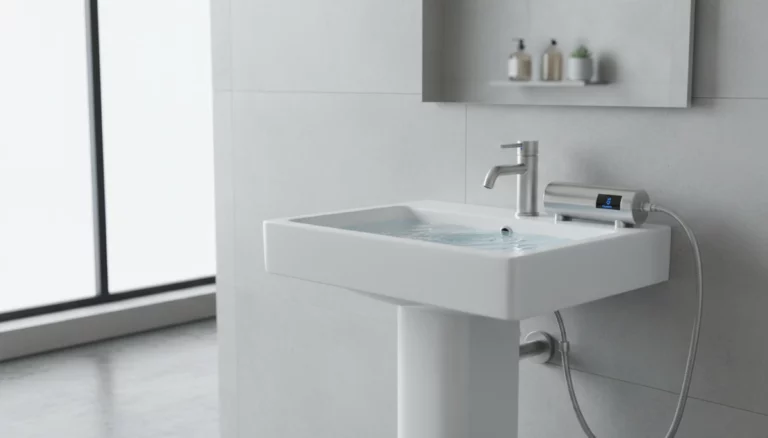
A major complaint with standard filtration is the significant drop in water pressure, which makes rinsing out thick conditioners or treatments difficult. Our engineering focuses on maintaining high flow rates—up to 5.2L/min for certain systems—ensuring you get salon-quality water treatment without sacrificing performance. Whether you are setting up a dedicated shower unit or a sink water filter dispenser for a precise cold-water rinse, our designs prioritize user experience. We build for the modern lifestyle, meaning our systems offer effortless installation that typically requires no professional plumbing tools, allowing you to upgrade your water quality in minutes.
The Importance of OEM Experience in Filtration
True innovation in dye retention and water purity comes from deep manufacturing expertise. With a 60,000-square-foot facility and an annual production capacity of 500,000 machines, we don’t just assemble parts; we engineer solutions. Our background in OEM/ODM expertise allows us to customize filtration layers—such as combining KDF-55 with Ultrafiltration (UF) technology—to specifically address the needs of beauty and wellness markets. This level of customization ensures that the water touching your hair is chemically balanced to prevent brassiness, a guarantee that inexperienced manufacturers simply cannot make.
Frequently Asked Questions (FAQs)
Does Hard Water Really Fade Hair Color Faster?
Yes, without a doubt. Hard water is loaded with dissolved minerals like calcium and magnesium. These minerals create a scaly buildup on the hair shaft, which forces the cuticle to stand up rather than lie flat. When the cuticle is raised, hair cuticle porosity increases, allowing dye molecules to wash out significantly faster. This hard water mineral buildup also blocks moisture, making hair feel dry and straw-like, which further accelerates color loss.
Can a Shower Filter Fix Brassy Hair?
A high-quality shower filter is essential for brassiness prevention. That unwanted orange or green tint is often caused by the oxidation of heavy metals like copper and iron found in municipal pipes, combined with chlorine oxidation. By filtering these contaminants out before the water hits your head, you prevent the chemical reactions that alter your toner. It acts as a shield, keeping blonde and cool-toned hair vibrant for much longer.
How Often Should I Change My Shower Filter for Best Results?
To maintain salon-quality water treatment, most filters need replacing every 3 to 6 months, depending on your household usage and local water sediment levels. Over time, the filtration media becomes saturated with trapped contaminants, reducing its ability to capture chlorine and metals. For businesses looking to provide these solutions, our OEM and ODM services ensure that the filtration units are designed with optimal capacity and ease of maintenance in mind. Regular replacement guarantees that you are always washing with clean, pH balanced water.