
















What Is a Glass Water Filter Pitcher?
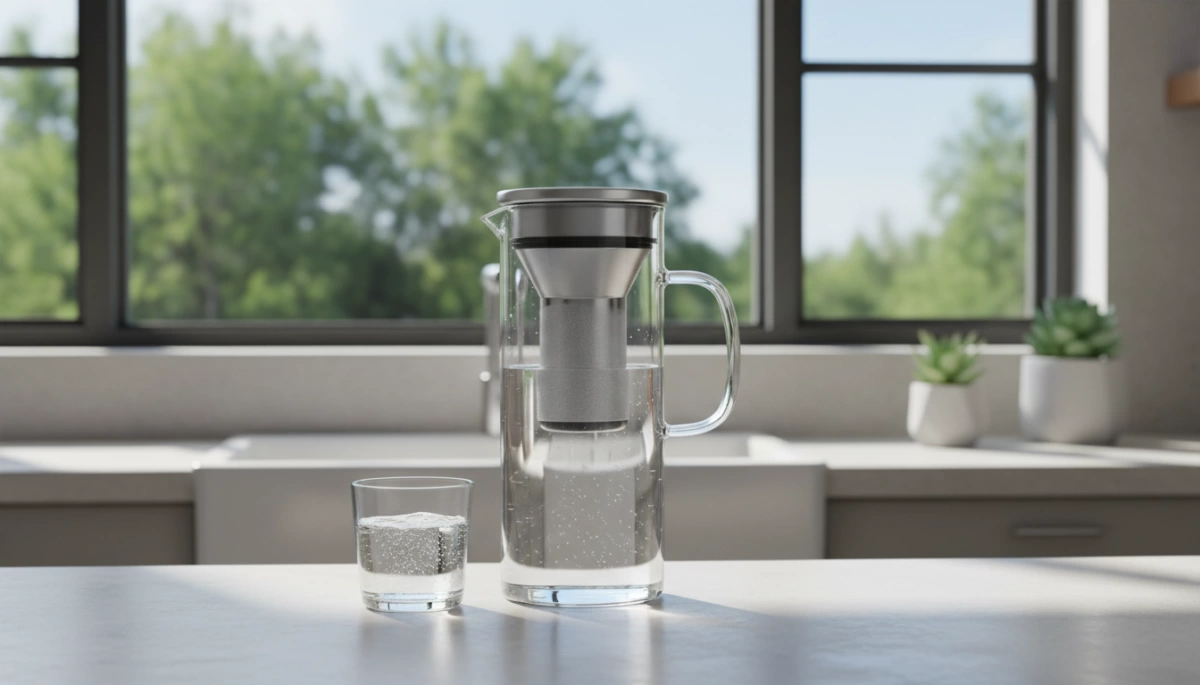
A glass water filter pitcher is a simple, gravity-fed household water filter system: a glass pitcher body combined with a replaceable filter cartridge that cleans tap water as it passes from the top reservoir down into the main carafe. You pour tap water into the upper chamber, gravity pulls it through the filter, and you pour clean, better-tasting water from the glass jug.
A typical water filter jug glass design includes:
- Glass body – usually borosilicate glass, chosen for being durable, heat-resistant, and lead-free.
- Lid – often with a dust cover, easy-fill opening, and sometimes an indicator for filter cartridge replacement.
- Handle – designed for a secure, comfortable grip, even when the fridge water pitcher is full.
- Filter cartridge – usually an activated carbon filter (sometimes with ion exchange or other media) that targets chlorine, odor, and some particles.
Compared with a plastic water filter pitcher, a glass model:
- Uses a plastic-free or low-plastic contact design, reducing worries about leaching or plastic taste.
- Stays clear and odor-free longer, since glass doesn’t absorb smells the way plastic can.
- Offers a more premium, eco-friendly water filtration option that looks at home on a countertop or dining table.
If you want cleaner-tasting tap water at home without committing to a full under-sink system, a glass water filter pitcher is a practical, everyday tool you can refill, chill, and pour from all day.
Why Choose a Glass Water Filter Pitcher Over Plastic?
A glass water filter pitcher is the better choice if you care about clean taste, safe materials, and a minimalist, modern look on your counter.
Health & Taste Benefits
Glass doesn’t react with your water, so what you taste is just…water.
Why it matters:
- No plastic taste or lingering “fridge” flavors
- Less chance of chemicals leaching into your water over time
- Better flavor for coffee, tea, and cooking
- Great option if you’re already picky about taste or use other tools like a kitchen sink filtered water faucet for tap water upgrades
| Feature | Glass Water Filter Pitcher | Plastic Water Pitcher |
|---|---|---|
| Plastic taste risk | None | Possible over time |
| Odor absorption | Very low | Higher |
| Long-term clarity | Stays clear | Can haze or discolor |
Plastic-Free, Cleaner Design
Our plastic-free water pitcher design keeps your drinking water away from plastic wherever possible.
- Glass body = no BPA, BPS, or phthalates
- Ideal if you’re trying to cut down on plastic contact with food and drinks
- Safer feel for families who are tired of guessing what’s in their plastic
Eco-Friendly & Sustainable
A borosilicate glass pitcher is built to last and cuts down on waste.
- Reusable glass body reduces bottled water use
- Fewer plastic parts compared to typical pitchers
- Long-life filter cartridge replacement system instead of single-use bottles
- Fits easily into a sustainable drinking water solution at home
For households already exploring greener options like reusable bottles or advanced tap upgrades, pairing a glass pitcher with other systems (for example, after a kitchen sink filtered water faucet install) makes the whole setup more efficient.
Design & Aesthetic Benefits
A lead-free glass carafe simply looks better on a U.S. kitchen counter or dining table.
- Clear body lets you see water level at a glance
- Works as a serving carafe for guests
- Matches modern, minimalist, or “clean” kitchen styles
- Looks better on the table than a cloudy plastic jug
If you want water that not only tastes clean but also looks and feels premium every time you pour, a glass water filter jug is the smarter move than plastic.
How a Glass Water Filter Pitcher Works
A glass water filter pitcher is simple: you pour tap water into the top reservoir, and gravity pulls it through the filter cartridge into the glass body below. There’s no electricity, no pump—just gravity-fed water filtration you can keep on your counter or in the fridge.
Gravity Filtration in a Glass Pitcher
Here’s the basic flow:
- Pour tap water into the upper chamber
- Water passes through the filter media (cartridge)
- Filtered water collects in the borosilicate glass pitcher
- You pour directly from the glass body like a regular jug
Because it’s gravity-based, the water moves steadily, not instantly. That slower contact time is what helps improve taste and reduce certain contaminants.
Common Filter Media Inside the Cartridge
Most glass water filter pitchers use a mix of:
- Activated carbon – reduces chlorine, bad taste, and odors
- Ion exchange resin – helps reduce some heavy metals (like lead in premium models) and hardness
- Advanced media (in higher-end cartridges) – can target things like PFAS, microplastics, or additional chemical impurities, depending on the brand
If you’re comparing options, look for clear filtration claims and certifications, similar to how you’d evaluate any household water purifier system.
Filtration Speed, Capacity, and Flow Rate
Performance comes down to a balance of speed and contact time:
- Filtration speed: Faster isn’t always better. A slightly slower flow often means better contact with the media and better chlorine and odor reduction.
- Pitcher capacity: Common sizes run from 6 to 12 cups. Larger glass pitchers are great for families but heavier to lift when full.
- Flow rate: If the filter is very tight or advanced (like those that reduce PFAS or microplastics), it may filter more slowly. Expect a few minutes per full top reservoir.
For bigger households or heavy coffee/tea drinkers, many people pair a glass water filter pitcher with a higher-capacity system like an under-sink water purification system so they’re not waiting on constant refills.
What Daily Use Feels Like
Day to day, a glass water filter jug is straightforward:
- You’ll refill it 1–3 times a day, depending on your family size
- Filters typically last anywhere from 1–3 months, depending on brand and usage
- Expect cleaner-tasting water, less chlorine smell, and a simple routine: refill, let it drip, pour, repeat
If you’re in the U.S. and used to city tap water, the difference in taste after basic chlorine and odor reduction from a good glass water filter pitcher is usually noticeable after the first pour.
What Can a Glass Water Filter Pitcher Remove?
A glass water filter pitcher is great for upgrading basic tap water, but it’s important to know exactly what it can and can’t do.
Chlorine, Taste, and Odor
Most activated carbon filter pitchers are designed to:
- Reduce chlorine that makes tap water smell and taste like a swimming pool
- Cut down on musty or chemical odors
- Improve overall taste and mouthfeel, especially for coffee, tea, and daily drinking
If chlorine or “city water taste” is your main issue, a glass water filter jug is a simple, plastic-free fix.
Sediment and Visible Particles
A quality plastic-free water pitcher with a good pre-filter helps:
- Capture sediment, sand, and rust flakes
- Reduce cloudiness and visible particles in tap water
You’ll notice the difference visually in a clear borosilicate glass pitcher because you can actually see how clean the water is.
PFAS, Microplastics, and Heavy Metals
Not all pitchers handle advanced contaminants. Some premium glass water filter pitchers are engineered to reduce:
- PFAS (“forever chemicals”)
- Microplastics
- Certain heavy metals like lead, depending on the filter media
If you want those advanced protections, look for models that clearly state PFAS reduction, microplastics removal, or lead reduction, and verify it with third‑party test data.
Limits vs. Reverse Osmosis and Distillers
A gravity-fed water filter pitcher is not a full household water filter system, and it’s not the same as:
- Reverse osmosis (RO) systems – which remove a much wider range of dissolved solids and contaminants (see what RO can remove in this detailed guide on what reverse osmosis removes)
- Water distillers – which boil and re-condense water, stripping almost everything out
Most glass pitchers do not significantly reduce TDS (total dissolved solids). If you need aggressive purification (well water issues, very old plumbing, high contamination), pair your glass water filter pitcher with a more robust system like RO or a distiller.
Why Certifications Matter
For eco-friendly water filtration, marketing claims aren’t enough. I always recommend:
- Looking for NSF/ANSI, IAPMO, or similar lab certifications
- Checking which specific contaminants the BPA-free water filter has been tested to reduce
- Avoiding vague claims like “purifies water” without data
Third‑party certifications and test reports are your proof that a lead-free glass carafe with filtration is doing more than just making water look good—it’s actually improving what you drink.
Key Features of the Best Glass Water Filter Pitcher
When I design or select a glass water filter pitcher, these are the non‑negotiables I look for.
1. High-Quality Borosilicate, Lead-Free Glass
You want a borosilicate glass pitcher that’s built for daily use:
| Feature | Why It Matters (for US homes) |
|---|---|
| Borosilicate glass | Better thermal resistance, less likely to crack |
| Lead-free & BPA-free | Safer for long-term drinking water use |
| Crystal-clear body | Easy to see water level and cleanliness |
| Durable thickness | Less fragile for busy kitchens and family use |
A premium lead-free glass carafe like our glass water filter pitcher DL-P36 is specifically built around these standards.
2. Lid, Spout & Handle Built for Real-World Use
The best plastic-free water pitcher still needs smart plastic or silicone parts where it counts:
- Tight, dust-proof lid – keeps fridge odors out
- Controlled spout – smooth pour, no splashing on the table
- Comfort handle – good grip, even when the pitcher is full
- One-hand operation – easy for kids, seniors, and rushed mornings
3. Pitcher Size, Capacity & Fridge Fit
For most US households, this is what works best:
| Capacity (Approx.) | Best For | Fridge Compatibility |
|---|---|---|
| 6–8 cups | 1–2 people, office desks | Fits most side-door shelves |
| 8–10 cups | Small families, daily cooking use | Standard fridge shelves |
| 10–12+ cups | Larger families, heavy water drinkers | May need main shelf space |
Look for a fridge water pitcher with:
- Slim profile
- Stable base
- Easy-to-lift weight when full
4. Filter Cartridge Life, Cost & Availability
A glass body is long term. Filters are your ongoing cost, so they need to make sense:
- Filter life: typically 1–3 months or 40–80 gallons
- Replacement cost: should feel fair compared to bottled water
- Easy ordering: Amazon, brand website, or retail stores
- Clear specs: what the activated carbon filter pitcher actually removes
I always tell customers to check:
- Is there a reminder system (time dial, app, or calendar guide)?
- Are filter cartridge replacements standardized across models?
5. Easy Cleaning & Low Maintenance
If it’s a pain to clean, people stop using it. Look for:
- Wide opening – easy hand wash access
- Dishwasher-safe glass (top rack recommended)
- Smooth interior, minimal edges where gunk collects
- Simple disassembly of lid and filter housing for quick rinsing
For deeper filtration needs beyond a pitcher, many of our US customers add an under-sink or RO unit after reading about the importance of water filtration on our why water filters matter guide, then use the glass pitcher as a daily countertop or fridge solution.
Best Glass Water Filter Pitchers and Top Brands
When people in the U.S. switch to a glass water filter pitcher, they usually care about three things: taste, build quality, and how well the filter actually cleans up their tap water. Here’s how the top glass water filter jug options stack up and what I focus on when sourcing or developing pitchers under our own and OEM brands.
Top Glass Water Filter Pitcher Brands (Quick Overview)
You’ll see a few names come up a lot when you search for a glass water filter pitcher:
- LifeStraw Home Glass Pitcher
- Aarke Glass Water Filter Pitcher
- Hydros Glass Carafe / Pitcher
- Smaller OEM and private label glass water pitcher brands (often sold via Amazon, specialty retailers, or direct-to-consumer)
Each has its own angle: some aim for design and aesthetics, others push performance and contaminant reduction, and others compete mainly on price and convenience.
LifeStraw Home Glass Pitcher
Pros:
- Strong focus on contaminant reduction (microplastics, some heavy metals, and more, depending on the cartridge version)
- Solid-tasting water with noticeable chlorine removal and odor reduction
- Glass body feels sturdy and premium
- Brand is known for water filtration in challenging environments
Cons:
- Filters can be more expensive than basic activated carbon filter pitchers
- Slightly heavier than plastic jugs, especially when full
- Filtration speed can feel slow if you’re trying to serve a large family quickly
Best for: Anyone who wants a premium glass water carafe that does more than just improve taste and odor, and doesn’t mind paying a bit extra for stronger filtration.
Aarke Glass Water Filter Pitcher
Pros:
- Very sleek, Scandinavian-style design—great if you care about how your countertop water purifier looks
- Glass and stainless steel construction gives a distinctly high-end feel
- Designed to pair well with other modern kitchen gear and carbonators
Cons:
- Typically on the higher price side
- Filter cartridges are brand-specific, so you’re locked into their ecosystem
- Filtration focus is mainly taste improvement and basic impurity reduction, not a full heavy-duty purification solution
Best for: Design-focused households that want a glass vs plastic water filter pitcher upgrade that looks as good as it performs for everyday taste and odor improvement.
Hydros Glass Pitchers & Carafes
Pros:
- Emphasis on fast-flow filtration, which is convenient if you refill often
- Lighter and more compact designs that work well as a fridge water pitcher
- Competitive pricing compared to some other premium glass options
Cons:
- Not always as feature-rich in terms of advanced contaminant reduction (like PFAS or heavy metals) as higher-end pitchers
- Some models lean more toward starter-level filtration rather than deep purification
Best for: People who want a kitchen water filter pitcher that’s simple, quick, and easy to fit in the fridge without overthinking it.
Taste, Build Quality, and Filtration Performance Compared
When I evaluate or develop a plastic-free water pitcher in glass, I look at:
- Taste:
- Clean, neutral taste with chlorine removal is non-negotiable.
- Good carbon-based filters should also reduce common off-flavors. If you’re curious what carbon can realistically handle, it’s worth looking at how activated carbon filters remove chlorine, organic chemicals, and odors in more detail on specialized resources like this breakdown of what carbon filters remove from water.
- Build quality:
- Borosilicate glass pitcher bodies hold up better to temperature changes and light bumps.
- Lids and handles should feel solid, not wobbly, and the spout should pour cleanly without dripping.
- Filtration performance:
- Basic pitchers: mainly chlorine, odor, and sediment reduction.
- Premium pitchers: go further to tackle microplastics, some heavy metals, and PFAS, but they are still not a substitute for full household water filter systems like RO.
Countertop vs Fridge Glass Water Filter Pitchers
When I design or choose pitchers for our lineup, I split them into two main styles:
1. Sleek Countertop Glass Pitchers
- Usually taller, more design-forward, often with metal or wooden accents
- Ideal for:
- serving guests
- sitting next to a coffee machine or on a bar cart
- Often slightly larger capacity for daily drinking water at room temperature
2. Compact Fridge Water Pitchers
- Slimmer footprint designed to slide into fridge doors or shelves
- Ideal for:
- cold tap water filtration at home
- families who like chilled water ready to go
- Usually lighter and easier to handle for kids and seniors
If you mainly drink cold water, go compact and fridge-friendly. If you care more about aesthetics and serving, go with a sleek countertop water filter pitcher.
Customizable and OEM Glass Water Filter Pitchers
If you’re a retailer, lifestyle brand, or office supply buyer in the U.S., OEM and private label pitcher options are where things get interesting. When I work with OEM water filter manufacturers on glass models, I look for:
- Custom glass design
- Branded embossing or print on the glass body
- Unique handle shapes, lid colors, and spout designs
- Options for borosilicate or soda-lime glass, depending on budget and durability needs
- Filter cartridge standardization
- Ability to use universal-style water filter pitcher cartridges or proprietary ones
- Clear filter replacement cycle (e.g., every 2–3 months or by gallons filtered)
- Reliable supply and bulk pricing for replacement filters
- Brand fit
- Sustainable, eco-friendly water filtration story that aligns with the brand image
- Packaging that highlights BPA-free water filter components and lead-free glass carafe construction
- Room for growth into related products: glass bottles, countertop dispensers, or whole household water filter system add-ons
If I’m bringing a new glass water filter jug to market under a brand, I prioritize:
- Borosilicate glass,
- Strong chlorine and odor reduction,
- A durable, non-drip lid and handle,
- And a clean, minimal look that feels at home in a modern American kitchen.
Using a Glass Water Filter Pitcher at Home

A glass water filter pitcher is one of those simple upgrades that quietly improves your whole routine. Once it’s on your counter or in your fridge, you tend to use it for almost everything.
Everyday Uses for Filtered Water
I treat my glass water filter pitcher as my “default” water source at home:
- Daily drinking water:
- Keep the pitcher where you naturally reach for water (fridge door, kitchen counter).
- Pre-fill a reusable bottle from the glass water jug before leaving the house.
- Cooking:
- Use filtered water for boiling pasta, rice, soups, and sauces to cut chlorine taste and any “tap” smell.
- It’s especially useful if you notice white film on pans from hard water.
- Coffee & tea:
- Filtered water noticeably improves coffee flavor and tea clarity, especially with pour-over or drip coffee makers.
- You can pair a glass pitcher with a countertop coffee setup or even a hot water dispenser if you want better-tasting hot drinks every day.
- Ice cubes:
- Make ice with filtered water to avoid cloudy cubes and off-flavors in cold brew or cocktails.
- Pet water bowls:
- Many U.S. households now use filtered water for dogs and cats, especially if tap water smells like chlorine.
- Fill pet bowls from the glass water filter jug to keep their water fresher and more appealing.
Countertop vs. Fridge Setup
You can run a glass water filter pitcher in two main ways:
1. Countertop glass water filter pitcher
- Best if:
- You drink water all day at home.
- You prefer room-temperature water for coffee, tea, and cooking.
- Pros:
- Always visible, so you remember to drink more.
- Easy to refill straight from the tap.
- Tips:
- Keep it out of direct sunlight to avoid algae or warm, stale water.
- Use a coaster or mat under the pitcher to protect counters from drips.
2. Fridge water pitcher (glass)
- Best if:
- Your household prefers cold water on demand.
- You want a plastic-free water pitcher that fits in the door shelf.
- Pros:
- Crisp, chilled water encourages everyone to drink more.
- Helps mask slight tap water tastes even further.
- Tips:
- Check the pitcher height and width so it fits your fridge layout.
- Consider a slimmer glass carafe design if space is tight.
A lot of families end up doing both: one larger countertop glass water jug for cooking and refilling bottles, plus a smaller fridge water pitcher for cold drinking water.
How Often to Refill and Rotate Water
How often you refill your borosilicate glass pitcher comes down to:
- Household size:
- 1–2 people: usually 1–2 refills per day.
- 3–4 people: usually 2–4 refills per day, especially in summer.
- Larger families: you might want a high-capacity family water filter pitcher or a second unit.
- Usage habits:
- Heavy coffee/tea drinkers or folks who cook at home daily will burn through a full pitcher quickly.
- If you’re using filtered water for pets and plants too, refills will go up.
General rule I follow:
- Don’t let filtered water sit more than 24–48 hours in the glass pitcher.
- If it’s been sitting untouched:
- Dump any remaining water.
- Rinse the glass carafe.
- Refill with fresh filtered water.
This keeps the taste clean and avoids that “flat” or stale flavor.
Tips to Keep Water Fresh and Great-Tasting
To get the best taste out of your glass water filter pitcher day after day:
- Keep the lid on.
This stops dust, odors, and fridge smells from getting into your water. - Clean the glass regularly.
- Hand-wash with mild dish soap every few days if you’re using it heavily.
- Many borosilicate glass pitchers are dishwasher-safe (check the product details), but I still recommend hand-washing the lid and filter housing.
- Handle the filter carefully.
- Don’t use soap on the filter cartridge itself.
- Follow the brand’s activation and flushing instructions for each new filter.
- Avoid thermal shock.
- Don’t pour near-boiling water straight into a cold glass pitcher.
- Let water cool slightly before pouring if you’re brewing tea or making hot drinks.
- Watch for hard water spots.
- If your tap water is very hard, you might still see some residue on the glass.
- Wipe with a bit of vinegar and water, then rinse well to keep the pitcher crystal-clear.
If your tap water has more serious issues—like very high TDS, salt, or specific contaminants—you can combine a glass water filter pitcher with a more robust system under the sink, such as an under-sink RO system, and still use the glass jug as your everyday refill and serving carafe.
Used right, a glass water filter pitcher becomes a simple, plastic-free hub for your whole home’s drinking and cooking water—easy to maintain, easy to use, and a big upgrade over just drinking straight from the tap.
Glass Water Filter Pitchers for Families
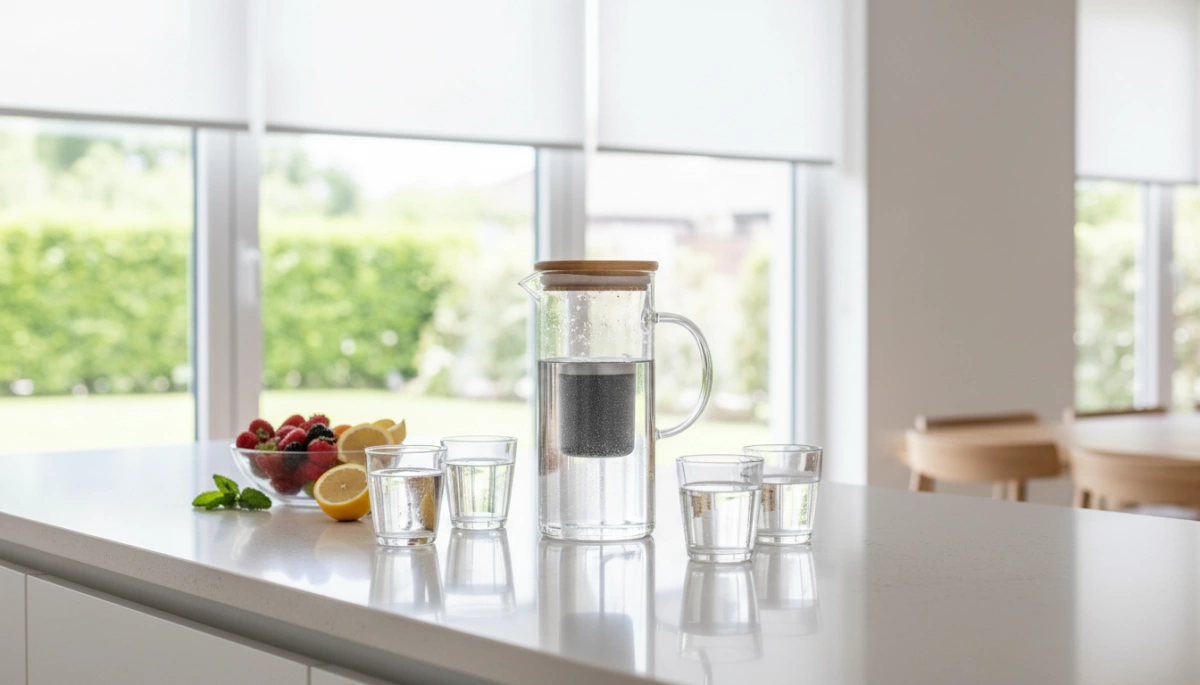
When you’re buying a glass water filter pitcher for family use, capacity and ease of use matter more than anything else.
Choose the Right Family Capacity
For most U.S. households:
- 2–3 people: 6–8 cup borosilicate glass pitcher works fine
- 4–5 people: 10–12 cup family water filter pitcher is more realistic
- 5+ or very active households: consider two pitchers or one pitcher plus a small household water filter system at the sink
Aim for a size that lets you pour several glasses without refilling every hour, but still fits in your fridge door if you like cold water.
Kid-Friendly, Easy-Pour Design
For families with kids, focus on:
- Comfortable, non-slip handle that’s easy for smaller hands
- Stable, wide base so it’s harder to tip over
- Smooth, drip-free spout so kids don’t splash everywhere
- Lightweight lid that stays on while pouring
A plastic-free water pitcher doesn’t mean it has to be fragile—good lead-free glass carafes are surprisingly durable with normal use.
Managing Refills in Busy Households
In a busy home, the biggest pain point is running out of filtered water. To stay ahead:
- Make refilling a routine: after dinner, before bed, or after each use
- Keep a “whoever empties it, refills it” rule
- For larger families, keep one countertop water purifier pitcher and one fridge water pitcher so there’s always backup
- If you’re also using a countertop water cooler or dispenser, you can fill it from your pitcher to keep a steady supply of cold water on hand; this works well with setups like a compact countertop water cooler for home or office.
Building a Healthier Home Routine
A glass water filter jug fits naturally into a healthier everyday routine:
- Use it for daily drinking water, cooking, coffee, and tea
- Replace bottled water with a reusable glass water jug to cut plastic waste
- Make it the default water source at the table so everyone drinks more water and less soda
- Fill water bottles for school, work, and workouts straight from your chlorine removal pitcher
For families, a glass vs plastic water filter pitcher choice often comes down to trust: glass looks clean, feels solid, and keeps your water tasting the way it should.
Retail, Brand, and Bulk Glass Water Filter Pitcher Options
If you’re a retailer, lifestyle brand, or office buyer, glass water filter pitchers are a smart, premium add-on that fits the “healthy, plastic-free, sustainable” trend in the U.S. market.
Private Label & OEM Glass Water Filter Pitchers
You can launch your own glass water filter pitcher line quickly by working with an OEM manufacturer.
Common private label options:
| Option | What You Can Customize |
|---|---|
| Borosilicate glass pitcher | Shape, thickness, capacity (1–2.5 L) |
| Lid & handle design | Color, material (BPA-free), logo placement |
| Filter cartridge system | Capacity, media (activated carbon, ion exchange) |
| Packaging & branding | Box design, instructions, barcode, inserts |
This lets you offer a plastic-free water pitcher that fits your brand’s look and price point.
Adding Glass Filter Jugs to Lifestyle Brands
If you’re a wellness, home, or kitchen brand, a water filter jug glass product lines up perfectly with:
- Health & wellness bundles (vitamins, supplements, fitness gear)
- Eco-friendly home goods (reusable bottles, glass containers)
- Coffee/tea gear (great upsell for better-tasting water)
Position it as a sustainable drinking water solution that replaces buying cases of bottled water.
Bulk Purchasing for Retailers, Offices, Hospitality
Bulk glass water filter pitcher orders work well for:
- Grocery & home goods retailers
- Offices wanting countertop water purifier setups
- Hotels, cafes, and co-working spaces
Bulk buyers usually get:
- Tiered pricing by volume
- Custom packaging options
- Optional logo printing on the lead-free glass carafe
Pairing pitchers with other filtration products or even whole-house water filter solutions can create a strong water-focused product category.
What to Ask a Glass Water Filter Manufacturer
Before you commit, lock in the details. Ask:
- Glass material: Is it borosilicate glass and fully lead-free?
- Filter performance: What contaminants does the gravity-fed water filter reduce (chlorine, lead, PFAS, microplastics)? Any certifications (NSF/ANSI)?
- Cartridge life: How many gallons per filter cartridge replacement? Replacement cost and MOQ?
- Testing & compliance: Food-contact safety, BPA-free components, U.S. standards?
- OEM support: Who handles design files, molds, and branding? Lead time and shipping options to the U.S.?
Getting clear answers up front protects your margins and makes your glass vs plastic water filter pitcher offering easy to market and scale.
Manufacturing and Quality of Glass Water Filter Pitchers
When I design or select a glass water filter pitcher, I look at manufacturing and quality first. This is what actually protects your water and your brand reputation.
Borosilicate vs Regular Glass
For a premium glass water filter pitcher, borosilicate is usually the right move:
- Borosilicate glass pitcher
- More resistant to thermal shock (cold fridge → room temp counter)
- Lighter but strong enough for daily use
- Better clarity and less prone to clouding
- Regular soda-lime glass
- Cheaper, heavier, and more likely to crack with fast temperature changes
- Works for budget models, but not my choice for a long-term, “buy once” product
Whichever you choose, it needs to be lead-free and tested to meet food-contact standards.
Component Safety: Lids, Seals, and Filter Housings
The glass body is only part of the story. Every contact point matters:
- Lids: Use BPA-free, food-grade plastics or stainless steel. Tight fit, but still easy to remove.
- Seals & gaskets: High-quality silicone to prevent leaks and keep out fridge odors.
- Filter housings: Strong enough to handle repeated cartridge changes, made from certified, food-safe materials.
I always push suppliers for third-party testing on all components, not just the glass.
Filter Integration and Standardization
A good glass water filter pitcher doesn’t just “hold” a filter—it’s engineered around it:
- Standard gravity-fed water filter cartridges for easy replacement
- Secure locking or twist-in system so the cartridge doesn’t float or tilt
- Consistent flow rate so customers know what to expect across models
- Option to standardize cartridges across countertop water purifiers and fridge water pitchers to simplify inventory
This is where smart OEM design saves long-term cost and headaches.
Quality Control and Testing
Serious manufacturers follow strict QC at every step:
- Glass checks: Thickness, uniformity, and stress testing for cracks and weak points
- Leak tests: Full-pitcher water tests for lids, spouts, and seals
- Filter performance testing: Verifying chlorine removal, odor reduction, and flow rate over the full life of the cartridge
- Packaging testing: Making sure pitchers survive US shipping without arriving cracked or chipped
If you’re also measuring water quality changes, using a simple TDS tester (see this guide on how to use a TDS tester correctly) can help demonstrate performance to customers.
Customization for Brand-Focused Designs
For private label and lifestyle brands, customization is a big edge:
- Custom glass shapes, handles, and spout styles
- Branded lids, color trims, and filter housings
- Laser-etched or printed logos on the glass body
- Optional premium glass water carafe designs for upscale countertop use
With the right OEM water filter manufacturer, you can build a plastic-free water pitcher line that’s on-brand, safe, and standardized behind the scenes.
Maintenance and Care for a Glass Water Filter Pitcher
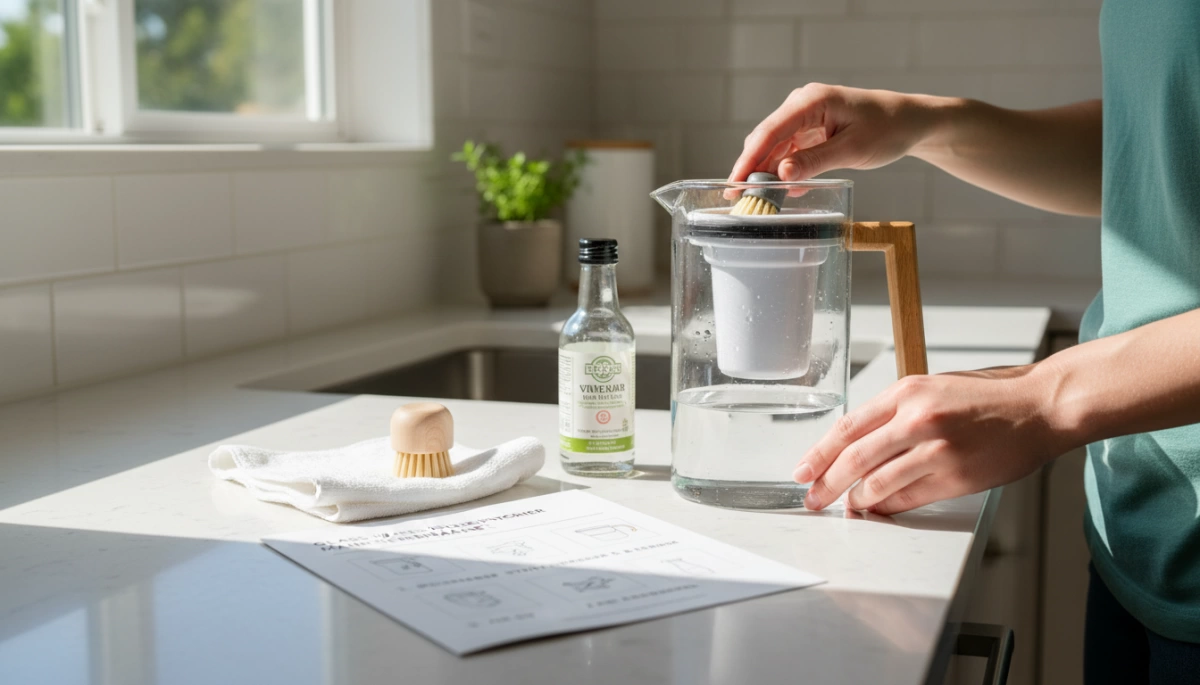
Keeping your glass water filter pitcher clean and protected is the easiest way to get great-tasting water and longer filter life.
How to Clean a Glass Water Filter Jug Safely
- Wash the borosilicate glass pitcher body with warm water, mild dish soap, and a soft sponge.
- Avoid abrasive pads or powders that can scratch the glass.
- Hand-wash the lid and filter housing; don’t submerge the filter cartridge unless the brand specifically allows it.
- Let everything air dry fully before reassembling to prevent odors or mold.
Descaling & Hard Water Spots
If you have hard tap water, you’ll see mineral spots over time:
- Fill the glass water jug with a mix of 1 part white vinegar to 3 parts warm water.
- Soak 15–30 minutes, then scrub gently and rinse well.
- For tough spots, repeat or use a baking soda paste on a soft cloth.
If you’re fighting heavy mineral buildup, pairing your pitcher with a stronger system like an under-sink RO system can cut scale at the source and reduce what hits the pitcher in the first place. You can see what matters in a system in this guide to the best under-sink RO system features.
Filter Replacement Schedule & Warning Signs
Most filter cartridges last 1–3 months, depending on brand and use. Replace sooner if you notice:
- Water flow slowing way down
- Stale or “flat” taste coming back
- Odors or visible particles in the water
Use the manufacturer’s gallon rating or time window as your baseline and set a reminder on your phone so you don’t forget.
Smart Storage Tips (Avoid Cracks & Thermal Shock)
To protect your glass water filter pitcher:
- Don’t pour boiling water into a cold pitcher or put a hot pitcher straight into the fridge – that thermal shock can crack glass.
- Store on a stable shelf in the fridge or on the counter, away from edges.
- Keep it out of direct sunlight to avoid algae growth and plastic lid damage.
- Never hit the pitcher against the faucet or sink edge when filling.
How to Extend the Life of Your Glass Water Pitcher
If you want your plastic-free water pitcher to last for years:
- Stick to gentle cleaning and regular descaling.
- Replace filters on schedule, not when the water already tastes bad.
- Handle the pitcher with two hands when it’s full.
- If you notice chips or cracks in the glass, retire it immediately for safety.
Treat your glass water filter jug like a core part of your household water setup and it will keep delivering clean, fresh-tasting water every day.
FAQs About Glass Water Filter Pitchers
How long do glass water filter pitcher cartridges last?
Most glass water filter pitcher cartridges last 1–3 months or about 40–120 gallons, depending on the brand and how much water your family uses. I always recommend:
- Follow the gallon or time rating from the manufacturer
- Change sooner if you notice slower flow, odd taste, or odor
- Set a reminder on your phone so you don’t forget
If you’re using a higher-capacity jug like a **3.2L household water