















Introduction to Alkaline Water Filter Pitchers
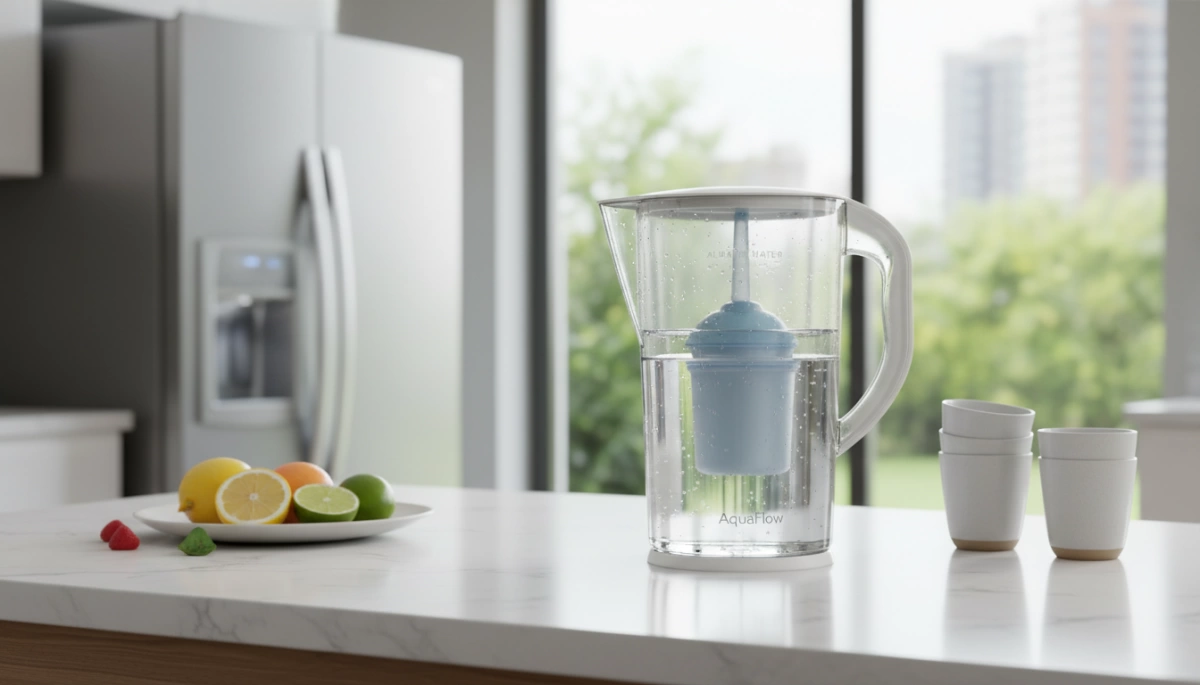
Most people I talk to want the same thing from their tap: cleaner water that actually tastes good, without wasting money on plastic bottles. That’s exactly where an alkaline water filter pitcher comes in.
At its core, this is a countertop or fridge-friendly jug that does two jobs at once:
- Filters your tap water (reducing chlorine taste, odors, and common contaminants)
- Raises the pH to a more alkaline range and often adds beneficial minerals back in
Unlike a basic pitcher that only focuses on taste and chlorine reduction, an alkaline water pitcher is designed to give you high pH water (typically in the 8.5–9.5 range) with a smoother, “mineralized” taste that many people prefer for daily drinking.
Here’s why homeowners across the US are choosing a countertop water alkalizer pitcher for everyday use:
- No installation – No tools, no plumber, no drilling into your countertop. Just fill, filter, and pour.
- Portable and flexible – It works in apartments, dorms, home offices, and small kitchens where full systems don’t make sense.
- Budget-friendly – A mineralized water filter pitcher is a simple way to upgrade your drinking water without the cost of a whole-house system.
- Taste and preference – For many people, alkaline pitcher benefits start with flavor: less “chemical” taste, more “fresh spring water” feel.
I build and source home alkaline filtration products to solve a very specific problem: how do you turn ordinary tap water into cleaner, better-tasting, high pH water in a way that fits real-life habits? An alkaline water filter pitcher is one of the most practical answers.
Understanding Alkaline Water: Basics and Real-World Benefits
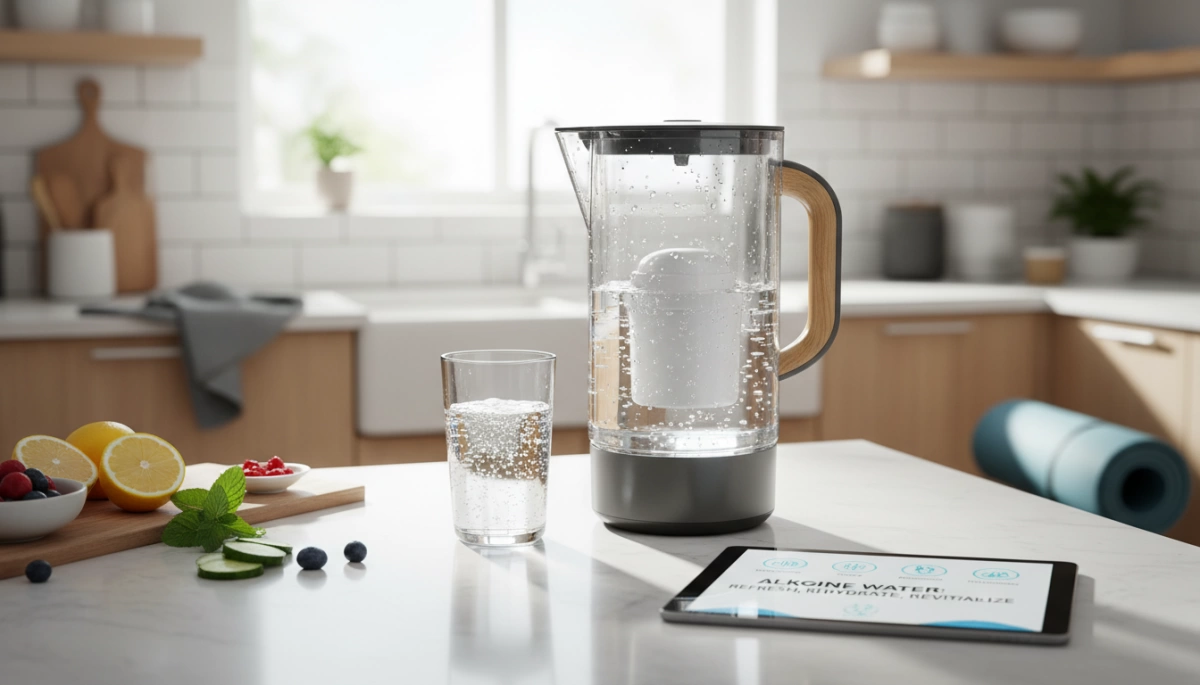
Alkaline water filter pitchers are built to boost tap water from a neutral pH (around 7) up to roughly 8.5–9.5, creating high pH water that many people in the U.S. now prefer for daily drinking. Inside the pH booster pitcher, the cartridge uses alkalizing media and minerals to raise pH while it filters out common tap water issues like chlorine taste and odor.
Most mineralized water filters work by slowly releasing calcium, magnesium, and potassium back into the water. These minerals don’t just support alkalinity—they also help shift the water’s ORP (oxidation reduction potential) to a more negative ORP, which is often marketed as “antioxidant-rich” or ionized alkaline water. While claims can be exaggerated, many customers do report that remineralized water feels smoother and less “harsh” than plain tap.
From a taste angle, an alkaline water filter pitcher almost always delivers:
- Cleaner flavor (less chlorine and chemical aftertaste)
- Softer mouthfeel, similar to premium bottled mineral water
- A more refreshing taste that tends to encourage better daily hydration
On the “benefits” side, you’ll see a lot online about better energy, digestion, and acid balance. I keep it honest:
- There’s no magic cure-all, and research in this area is still developing.
- Some people do feel less acidity/heartburn or better everyday comfort, while others just enjoy the taste and drink more water—which alone can improve how you feel.
If you care more about taste, mineral support, and drinking more water each day, a countertop water alkalizer pitcher is a practical upgrade from basic filtration. If you want a deeper dive into how filtration compares to other methods like RO, you can check out this breakdown on purified vs. filtered water differences, which helps put alkaline pitchers in context.
How Alkaline Water Filter Pitchers Work
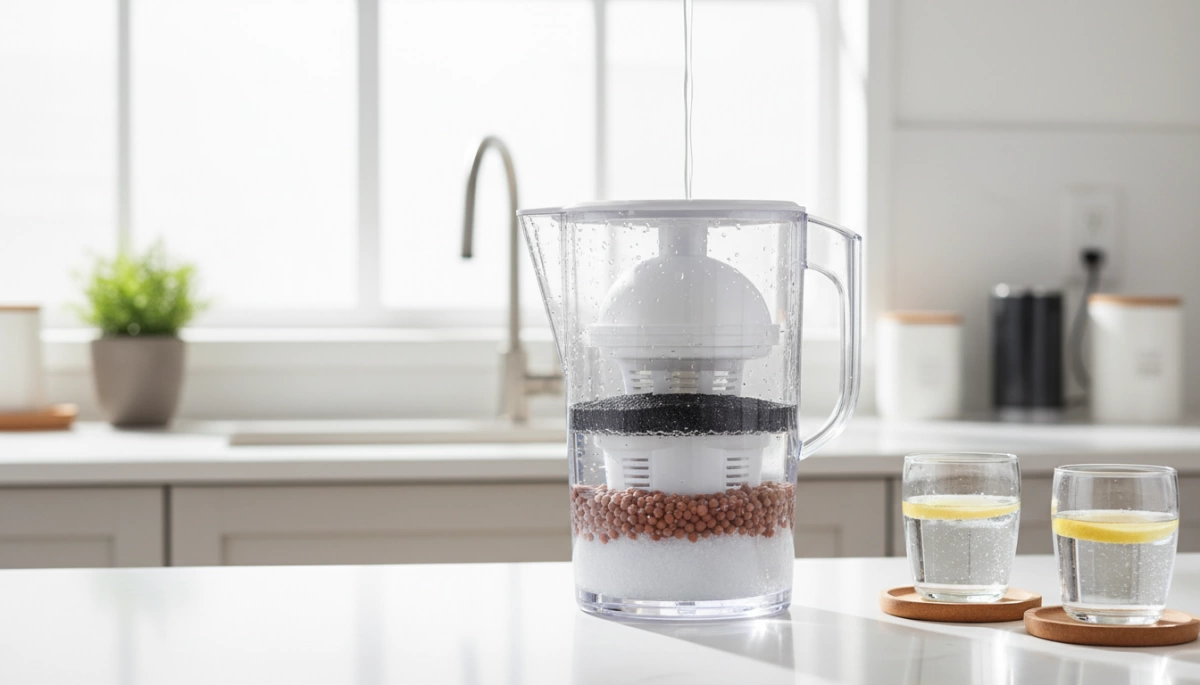
An alkaline water filter pitcher is basically a compact, point-of-use system that does two jobs at once: filters your tap water and boosts the pH into an alkaline range. Inside the cartridge, a multi-stage alkaline filter moves water through different media layers, each targeting specific contaminants and taste issues.
Most high pH water pitchers use a combo of:
- Activated carbon – Adsorbs chlorine, pesticides, and many organic chemicals that cause bad taste and odor.
- Ion-exchange resin – Reduces heavy metals like lead and copper, and can soften hard water.
- Mineral stones / ceramic balls – Slowly release calcium, magnesium, and potassium, creating mineralized water with a smoother taste.
- Tourmaline or similar media – Helps raise pH, lower ORP (more antioxidant-style behavior), and fine-tune the “feel” of the water.
As water passes through this multi-stage alkaline cartridge, you get:
- Cleaner water – Less chlorine, fewer heavy metals, and reduced odors.
- Alkaline water – Typically around pH 8.5–9.5, depending on your source water.
- Better taste – The remineralization stage gives a fresher, “spring-like” flavor compared to flat-tasting, fully demineralized water.
If you’re also considering under-sink or faucet options for other parts of the house, take a look at this breakdown of the best countertop water filter systems: what is the best countertop water filter system.
Alkaline vs. Regular Water Filter Pitchers
Alkaline water filter pitchers and regular pitchers look similar, but they serve slightly different purposes. Here’s the breakdown.
Filtration: What They Have in Common
Both alkaline water filter pitchers and regular pitchers usually:
- Use activated carbon to reduce chlorine, bad taste, and odors
- Improve basic drinking comfort and smell
- Cut down on some common tap water impurities
So if you just want water that tastes better and smells cleaner, both types can work.
What Alkaline Pitchers Do Differently
Alkaline models go a step further:
- Boost pH: Typically raise water to around pH 8.5–9.5
- Remineralize: Add back minerals like calcium and magnesium
- Improve mouthfeel: Many people say the water feels “smoother” and less harsh
- Often use multi-stage alkaline cartridges to filter and remineralize in one step
A good example is a small mineralized water filter jug like our 3.2L alkaline water filter jug, which is built for everyday countertop and fridge use.
Who Should Choose Which?
Use this quick comparison to decide:
| Need / Preference | Regular Filter Pitcher | Alkaline Water Filter Pitcher |
|---|---|---|
| Basic chlorine and taste reduction | ✅ Good fit | ✅ Also works |
| Higher pH / high pH water pitcher | ❌ Not designed for that | ✅ Core feature |
| Mineral-rich, “smoother” taste | ❌ Limited | ✅ Designed for remineralization |
| Budget-first, simple setup | ✅ Usually cheaper | ⚠️ Slightly higher cost per filter |
| Focus on remineralization filter jug style | ❌ | ✅ Ideal choice |
When Each Type Makes Sense
Go with a regular water filter pitcher if:
- You just want better-tasting tap water
- You’re on a tight budget
- You’re not worried about pH or minerals
Go with an alkaline pitcher if:
- You want a pH booster pitcher for daily drinking
- You care about extra minerals and a softer taste
- You’re aiming to replace bottled “alkaline” or “mineral” water at home
In short: regular pitchers = basic purification, alkaline pitchers = purification plus enhanced mineral profile and higher pH.
Top Features to Look for in an Alkaline Water Filter Pitcher
When I design or source an alkaline water filter pitcher, these are the non‑negotiables I focus on for U.S. homes.
1. Capacity & Everyday Design
You want a high pH water pitcher that actually fits your routine.
Key points:
- Pitcher capacity:
- 6–8 cups: good for singles / small fridges
- 10–12 cups: better for families and heavy water drinkers
- Fridge‑friendly shape:
- Slim profile that fits standard U.S. fridge doors
- Low height to slide onto shelves without tilting
- Ergonomic handle:
- Comfortable grip even when full
- Balanced weight so it doesn’t strain your wrist when pouring
| Household Type | Recommended Capacity | Notes |
|---|---|---|
| Single / Couple | 6–8 cup pitcher | Easy to store in door bin |
| Family (3–4 people) | 10–12 cup pitcher | Fewer refills throughout the day |
| Heavy water users | 10–12+ cup pitcher | Good for meal prep + hydration |
2. Filter Lifespan & Replacement Ease
A multi-stage alkaline cartridge should be easy to live with, not a maintenance headache.
Look for:
- Clear lifespan rating:
- Typically 40–80 gallons or about 2–3 months for a U.S. family
- Simple replacement:
- Twist‑lock or “drop‑in” design
- No tools, no tiny parts to lose
- Filter change reminders:
- Manual date dial or digital indicator
- Widely available replacements:
- Filters you can re‑order online or find through major retailers
- Many users pair pitchers with a basic tap water filter if their incoming water quality is low
3. Safe, Durable Materials
For a home alkaline filtration setup, materials matter.
Common options:
- BPA‑free plastic:
- Lightweight, budget‑friendly
- Good for families with kids
- Borosilicate glass alkaline water jug:
- Resists odors and staining
- Premium feel, great for countertop use
- Stainless steel elements:
- Often used in lids or trim for durability and style
Minimum standards I insist on:
- BPA‑free and food‑grade materials
- No odd plastic smell out of the box
- Components tested for contact with hot and cold water
4. Leak‑Proof Lid & Pour Control
If a remineralization filter jug drips all over your counter, it won’t last long in your kitchen.
Look for:
- Tight, leak‑resistant lid:
- Stays in place when you pour
- No water sneaking out around the edges
- Controlled spout:
- Smooth pour, no sudden gush
- Protective cover to keep dust out
- One‑hand use:
- Easy to pour while holding a glass or cooking pot
These details are what separate a “just OK” pH booster pitcher from one you’ll actually enjoy using every day.
Benefits of Using an Alkaline Water Filter Pitcher at Home
An alkaline water filter pitcher is one of the easiest upgrades you can make to your home water setup. I design and choose pitchers with real daily use in mind, especially for U.S. households that want better-tasting, mineralized water without a big system or a plumber.
Why a High pH Water Pitcher Works for Everyday Life
Key everyday benefits:
Point-of-use convenience
- Keep the pitcher on your countertop or in the fridge.
- Ideal for:
- Daily drinking water
- Coffee and tea
- Cooking rice, pasta, soups, and baby formula
- You pour, it filters and boosts pH – no learning curve.
No plumbing, no tools, no hassle
- No drilling, no under-sink space needed, no installer.
- Perfect for:
- Renters and apartments
- Dorms and offices
- RVs and vacation homes
- Just fill, let it run through the multi-stage alkaline cartridge, and you’re set.
Smoother, mineral-rich taste
- Alkaline pitchers typically:
- Raise pH into the ~8.5–9.5 range
- Add back minerals like calcium, magnesium, and potassium
- This can mean:
- Smoother mouthfeel vs. flat tap water
- Less chlorine taste and odor
- A “cleaner,” fresher flavor that makes you want to drink more
- If you’re into functional water tech, you might also look at our hydrogen-rich glass bottle for even more antioxidant-focused hydration.
- Alkaline pitchers typically:
Eco-friendly and budget-friendly choice
- A good BPA-free alkaline pitcher directly replaces cases of disposable plastic bottles.
- Benefits:
- Less plastic waste going to landfills
- Lower long-term cost than buying alkaline bottled water
- Clear, predictable filter replacement cost instead of weekly bottle runs
At-a-Glance: Why People in the U.S. Choose Alkaline Pitchers
| Benefit | What It Means for You |
|---|---|
| Point-of-use filtration | Filter and alkalize right where you drink and cook |
| No installation | Move it between rooms, homes, or offices easily |
| Mineralized, high pH water | Smoother taste, upgraded from basic tap or fridge feed |
| Reduced bottled water use | Fewer plastic bottles, lower monthly water spend |
For most homes, a countertop alkaline pitcher is the fastest way to get into home alkaline filtration and enjoy mineralized, better-tasting water without committing to a full plumbing system.
Choosing the Right Alkaline Water Filter Pitcher
When you’re picking an alkaline water filter pitcher for home, the right choice comes down to matching the pitcher to how your household actually drinks water.
Key factors to compare
Before buying, I’d lock in these basics:
- Household size & usage
- 1–2 people: a small high pH water pitcher (6–8 cups) is usually enough.
- 3–5 people or heavy water drinkers: go for a large remineralization filter jug (10–12 cups) so you’re not refilling all day.
- Budget
- Look at total cost of ownership: pitcher price plus yearly filter replacement cost.
- Multi-stage alkaline cartridges cost more, but they usually give better mineralized water and last longer.
- Source water quality
- City water with chlorine taste: focus on strong activated carbon and chlorine reduction.
- Older pipes / well water: prioritize pitchers that clearly state what they reduce (lead, heavy metals, etc.) and consider pairing with an under-sink water filter for a stronger first line of defense if your water is heavily polluted. You can see examples of more robust treatment on our page about under-sink water filter systems.
What sets a quality alkaline pitcher apart
Not all “high pH water pitchers” are built the same. The better ones usually offer:
- Consistent pH boost: reliably bringing water to around 8.5–9.5 (not just “maybe alkaline”).
- Stable mineral profile: controlled release of calcium, magnesium, potassium, not a random spike that drops off after a week.
- Multi-stage filtration: chlorine, odor, and some heavy metal reduction plus alkalization and negative ORP for more “fresh” tasting water.
- Certified materials: BPA-free alkaline pitcher designs, food-contact safe plastics or glass, and clearly documented testing.
- Easy filter changes: twist-lock or push-in filters, clear usage life (e.g., gallons or months), and widely available replacement cartridges.
If you like a cleaner, more “rounded” taste, look for models marketed as mineralized water filters or antioxidant rich water pitchers with multi-stage media.
driplife OEM insight: why manufacturing quality matters
Since I’m on the manufacturing side with driplife, I pay more attention to what’s happening inside the pitcher:
- We source alkaline media (minerals, carbon, ion-exchange resins) from vetted suppliers to keep pH performance stable across the full filter life.
- Our OEM and private-label pitcher lines are designed so brands can offer consistent pH, taste, and flow rate from batch to batch—critical if you’re selling to U.S. customers who expect repeatable performance.
- We support partners with:
- Custom branding and packaging that fits the U.S. retail and e-commerce space.
- Help with testing and certification paths (materials, filtration performance).
- Scalable production so you can launch with a small run and ramp quickly if your alkaline pitcher benefits resonate with buyers.
Whether you’re a homeowner choosing the best alkaline jug 2026 for your kitchen, or a brand building your own home alkaline filtration line, the real difference comes from stable media quality, honest specs, and filter designs that hold their performance—not just the “alkaline” label on the box.
Maintenance and Best Practices for an Alkaline Water Filter Pitcher
Keeping your alkaline water filter pitcher in top shape is simple, but you do need a routine. This is what I recommend for most U.S. homes:
Filter Replacement: Schedule and Indicators
A high pH water pitcher only works well if the filter is fresh.
- Typical lifespan: 2–3 months or about 40–80 gallons, depending on brand and your tap water quality.
- Watch for changes:
- Slower flow rate
- Weaker alkaline effect (lower pH)
- Flat taste or slight odor
- Use reminders:
- Built-in filter change indicators (mechanical dial or digital counter)
- Set a calendar reminder on your phone every 8–12 weeks
- Always use genuine multi-stage alkaline cartridges so you keep both filtration and remineralization performance.
Cleaning the Pitcher Body and Lid
A clean pitcher keeps your mineralized water filter tasting fresh.
- Wash the pitcher body, lid, and reservoir every 1–2 weeks
- Use mild dish soap and warm water; rinse thoroughly
- Avoid harsh cleaners, bleach, or abrasive pads—especially on BPA-free plastic and glass alkaline water jugs
- Wipe the spout, handle, and lid seal to prevent buildup or musty smells
- Let all parts air-dry fully before reassembling
Storing and Priming for Best Results
How you store and prime your countertop water alkalizer affects both taste and pH.
- Priming a new filter:
- Soak the cartridge in clean water for 10–15 minutes (if the brand calls for it)
- Run 1–2 full pitchers through and discard this water to flush carbon dust and activate the alkalizing media
- Daily storage:
- Keep your alkaline pitcher in the fridge or on a cool countertop, out of direct sunlight
- Don’t leave water sitting more than 24–48 hours for best taste and ORP
- If you’re away a few days:
- Empty the pitcher
- Store it clean and dry
- When you’re back, flush the filter with 1 full pitcher before drinking
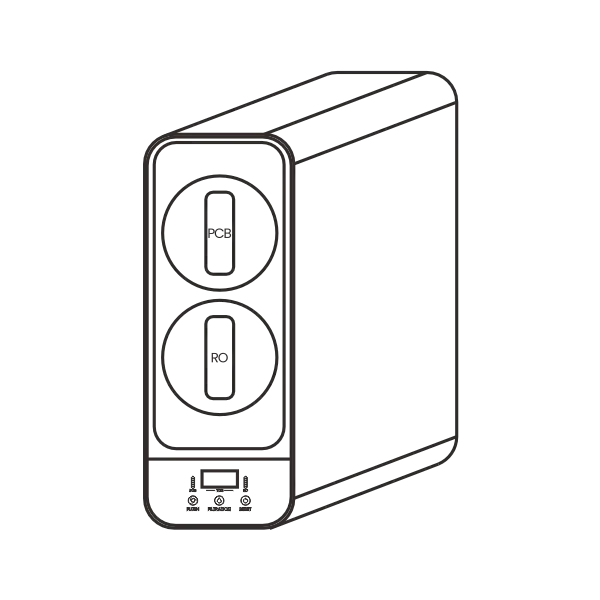
If you pair your alkaline water filter pitcher with other home hydration setups—like a standing RO hot and cold water dispenser with UV for your kitchen or office—you can cover both premium filtration and daily alkaline drinking water in a simple, affordable way:
Standing RO hot and cold water dispenser with UV
Common Questions About Alkaline Water Filter Pitchers
How long do alkaline filters last?
For most high pH water pitchers, filter life is:
| Usage Level | Typical Lifespan |
|---|---|
| 1–2 people, light use | 2–3 months (40–60 gallons) |
| Family (3–4 people), daily use | 1.5–2 months (30–50 gallons) |
I always tell customers:
- Go by gallons if listed, not just months.
- Heavy chlorine or hard water will use up cartridges faster.
- Replace as soon as taste, flow rate, or pH boost drops.
Does it remove fluoride or specific contaminants?
Most alkaline water filter pitchers focus on:
- Chlorine, taste, odor
- Some heavy metals (like lead, mercury, copper)
- Sediment and rust
- Basic organic impurities via activated carbon
Fluoride removal is not guaranteed unless the pitcher clearly claims it and uses media like activated alumina or special fluoride-resin. For deeper chemical removal (PFAS, nitrates, etc.), a system like a reverse osmosis drinking water filter is usually a better fit.
Is alkaline water suitable for everyone?
For healthy adults, drinking moderately alkaline water (around pH 8.5–9.5) from a countertop water alkalizer is generally considered fine in normal amounts.
I recommend caution for:
- People with kidney issues or on strict mineral/fluid limits
- Anyone taking medications where their doctor has warned about pH-sensitive absorption
- Babies under 1 year (stick with pediatric guidance)
When in doubt, check with your doctor, especially if you have a medical condition.
Glass vs. plastic alkaline water pitchers
Both BPA-free alkaline pitchers and glass alkaline water jugs work, but they fit different preferences:
| Feature | BPA-Free Plastic Pitcher | Glass Alkaline Pitcher |
|---|---|---|
| Weight | Very light, easy for kids & seniors | Heavier, feels premium |
| Durability | Shatter-resistant, good for busy homes | Can break if dropped |
| Look & feel | Modern, more color options | Clean, “pure water” aesthetic |
| Temperature sensitivity | Less fragile with temp changes | Needs gentler handling |
If you want maximum durability and fridge-friendly use, go BPA-free plastic.
If you care more about look, feel, and zero-plastic contact, glass is a strong choice.
In both cases, I stick to food-contact compliant materials and multi-stage alkaline cartridges that deliver stable pH, mineralized water, and clean taste.
FAQ: Alkaline Water Filter Pitcher
What pH level should I expect from a quality alkaline pitcher?
Most quality alkaline water filter pitchers raise tap water to around pH 8.5–9.5. The exact number depends on your source water, filter age, and how long the water sits in the jug. Fresh filters usually deliver the highest pH and strongest pH booster pitcher performance.
Can these pitchers fit in standard refrigerators?
Yes, most high pH water pitcher designs are made to fit a standard U.S. fridge door. If you have a narrow side-by-side fridge, look for a fridge-friendly, slim alkaline jug in the 6–10 cup range and check the dimensions before you buy.
How does mineral addition affect water taste?
The mineralized water filter media adds small amounts of calcium, magnesium, and potassium, which usually makes the water taste:
- Smoother
- Slightly sweeter
- Less “chemical” than straight tap
If you’re used to very soft or RO water, remineralization filter jugs can make the taste feel closer to good bottled spring water.
Are replacement filters widely available?
For most mainstream BPA-free alkaline pitchers, yes. You’ll find multi-stage alkaline cartridges on Amazon, big-box retailers, and directly from brands like ours. I always recommend:
- Buying at least a 3-pack of filter replacement alkaline cartridges up front
- Sticking to OEM filters for consistent negative ORP water and contaminant reduction
What’s the difference between alkaline and ionized water pitchers?
- Alkaline water filter pitcher: Uses mineral-based media and remineralization to raise pH and improve taste. No electricity. Purely filter + media reaction.
- Ionized alkaline water system: Usually an electric unit that uses electrolysis to split water into alkaline and acidic streams, often marketed as ionized alkaline water with more controlled antioxidant rich water output.
For most U.S. homes that just want better-tasting, high pH drinking water on the counter—no installation, no wiring—a countertop water alkalizer pitcher is the simpler and more affordable option. If you’re planning a broader home hydration setup, it’s the same mindset people use when deciding between pitchers and built-in units like a wall-mounted drinking fountain for office or school use (https://driplifecorp.com/wall-mounted-drinking-fountain/).