Are you struggling to upgrade your facility’s hydration infrastructure without blowing your budget?
You already know that traditional drinking fountains are becoming obsolete. Today’s users—whether in schools, gyms, or offices—demand a water bottle filling station that is hygienic, fast, and sustainable.
But finding the right unit is tricky.
As an industry insider, I know that choosing between touchless sensors, commercial RO filtration, and various flow rates can make or break your project’s ROI. A poor choice leads to maintenance headaches, while the right one boosts user satisfaction and cuts plastic waste.
In this guide, you’re going to learn exactly how to select a durable, high-capacity hydration station tailored to your space. We’ll cut through the noise and focus on the features that actually matter for long-term performance.
Let’s dive in.
What Changed in Public Drinking Water Demand
It wasn’t long ago that staying hydrated meant purchasing a disposable plastic bottle or awkwardly leaning over a communal bubbler. But look around any modern facility today—from airports to universities—and you’ll notice the landscape has shifted entirely. We are moving away from outdated infrastructure and embracing the water bottle filling station as the new standard for public hydration.
This transition isn’t just a fleeting trend; it is a direct response to two critical global shifts that have redefined how we consume water:
- The Shift from Single-Use to Reusable: With environmental awareness peaking, single-use plastics are out, and high-capacity reusable tumblers are in. A standard low-arc fountain simply cannot accommodate a 32oz bottle, creating an urgent need for vertical, sustainable hydration solutions.
- Hygiene and Touchless Technology: In a post-pandemic world, the “ick factor” of shared surfaces is real. Users are hesitant to touch manual buttons or place their faces near a water nozzle. Consequently, the touchless bottle filler has evolved from a luxury feature to a non-negotiable requirement for facility safety.
We are seeing a clear mandate for infrastructure that prioritizes speed, cleanliness, and convenience. It is no longer enough to just provide water; facilities must provide a safe, hands-free refill station that aligns with the modern user’s expectation for hygiene and environmental responsibility.
How Bottle Filling Stations Differ from Drinking Fountains
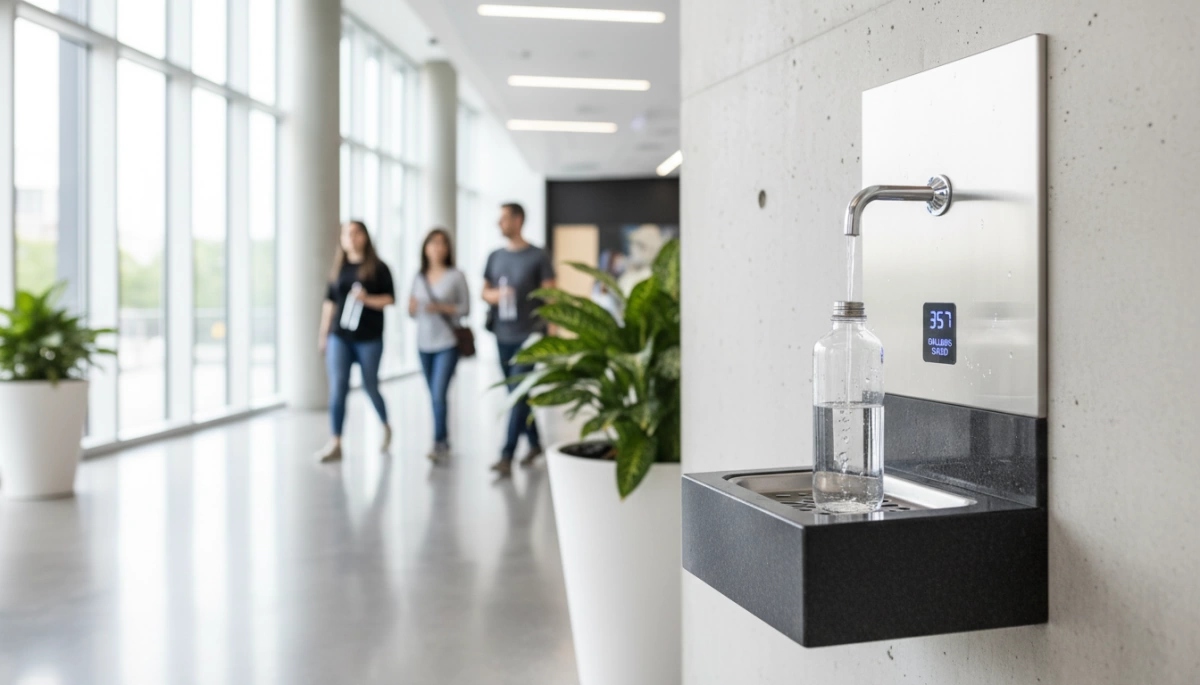
When I look at modern facility upgrades, the distinction between a classic bubbler and a dedicated water bottle filling station is night and day. We aren’t just talking about a facelift; it is a fundamental shift in mechanics and utility. Traditional fountains are designed for a quick sip, forcing users to stoop over an exposed nozzle. In contrast, a hands-free refill station utilizes a vertical, laminar water outlet designed specifically to drop water cleanly into a container without splashing.
The performance gap is massive, especially regarding speed. A standard fountain trickles water, but a high flow rate dispenser operates at approximately 1.0 to 1.5 gallons per minute (GPM). This means users can fill a 32oz sports bottle in seconds rather than standing there holding a button.
Hygiene is the other deal-breaker. Old-school spigots are notorious for bacterial cross-contamination due to potential mouth contact. By switching to a touchless bottle filler, we eliminate those physical touchpoints entirely. Understanding key reasons why water filtration and hygiene are crucial highlights why these recessed, sensor-activated designs are becoming the standard for public safety.
Quick Comparison: Fountain vs. Bottle Filler
| Feature | Traditional Drinking Fountain | Water Bottle Filling Station |
|---|---|---|
| Water Outlet | Angled bubbler (mouth-oriented) | Vertical laminar flow (bottle-oriented) |
| Flow Speed | Low (~0.5 GPM) | High (1.0 – 1.5 GPM) |
| Activation | Manual push-bar or button | Infrared Sensor (Touchless) |
| Hygiene Risk | High (Exposed nozzle) | Low (Recessed & Protected) |
| Primary Goal | Quick hydration | Sustainable, bulk refilling |
Would you like me to detail the specific internal components like the filtration module and solenoid valves next?
What Goes Inside a Typical Bottle Filling Station System
When you look past the sleek exterior of a modern water bottle filling station, you aren’t just looking at plumbing—you’re looking at a sophisticated piece of integrated technology. In my experience supplying these units across the US, the difference between a unit that lasts two years and one that lasts twenty comes down to three core internal components.
Integrated Water Filtration Module
The heart of any premium filtered hydration station is its treatment system. We aren’t just piping tap water anymore; we are refining it. High-end units typically house a multi-stage filter or a compact RO water filling station setup directly behind the panel.
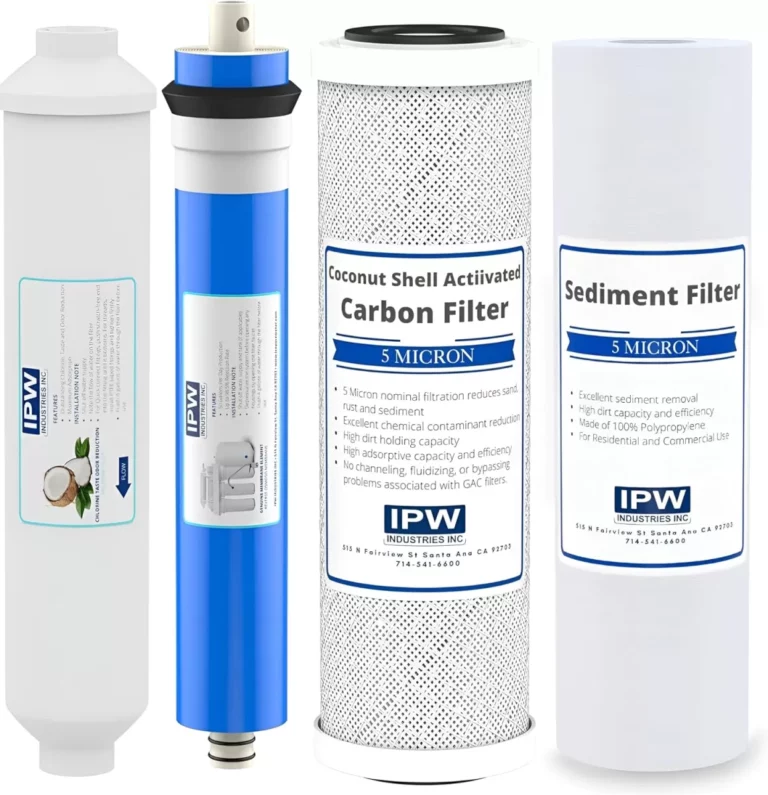
- Sediment & Carbon Block: Removes physical particles, chlorine, and bad tastes.
- Advanced Purification: For facilities prioritizing pure hydration, we often integrate advanced reverse osmosis systems capable of delivering filtered water with fluoride removed to ensure safety and quality.
- Chilling Unit: A dedicated compressor ensures that the refrigerated water station dispenses consistently cold water, a non-negotiable for gyms and schools.
Flow Control and Sensor Activation
The shift to a touchless bottle filler relies heavily on the quality of the infrared sensors and solenoid valves.
- Rapid Activation: The sensor must detect a bottle immediately (within milliseconds) to prevent user frustration.
- Auto-Shutoff: To prevent overflow and waste, the system needs a precise timeout feature.
- Laminar Flow: We engineer the nozzle to provide a clean, splash-free column of water that fills a reusable bottle quickly without the mess associated with older bubblers.
Structural Frame and Wall Integration
A commercial water dispenser takes a beating. Whether it is a wall mounted bottle filler in a hallway or a recessed unit, the structural integrity is key.
- Heavy-Gauge Stainless Steel: We use 18-gauge or thicker stainless steel to create a vandal resistant fountain frame that resists impact and corrosion.
- Mounting Brackets: Heavy-duty carriers transfer the load to the wall studs, ensuring the unit doesn’t sag over time.
- Sanitary Basin: The drainage area is designed with a specific slope to eliminate standing water, preventing bacterial growth and mold.
Why Filtration Becomes Critical in Bottle Filling Stations
When we design and deploy a water bottle filling station, we know that simply chilling the water isn’t enough. If the water coming out of the nozzle tastes like chlorine or old pipes, users will walk right past it. In shared public spaces, trust is everything. A filtered hydration station isn’t just a luxury anymore; it is the standard requirement to ensure people actually hydrate.
Basic filtration often starts with carbon blocks to handle taste and odor. Understanding how activated charcoal improves water quality is key here—it’s the frontline defense against that “city water” chemical taste. However, for facilities prioritizing maximum purity, we step it up to a full RO water filling station.
Advanced Impurity Removal
In high-traffic areas like schools or airports, the water quality can fluctuate. Relying on simple screens won’t cut it. We often integrate reverse osmosis water filter systems to strip out heavy metals, dissolved solids, and microscopic contaminants that standard filters miss.
The Role of UV Disinfection
Beyond filtration, keeping the nozzle and reservoir sanitary is a massive challenge in public venues. This is where a UV disinfection dispenser comes into play. By using ultraviolet light, we can neutralize bacteria and viruses at the point of dispense, providing a “final barrier” of protection.
Key Benefits of Integrated Filtration:
- Taste Consistency: Ensures every refill tastes crisp, regardless of local plumbing conditions.
- User Safety: RO and UV systems protect against biological and chemical contaminants.
- Equipment Longevity: Removing sediment prevents clogging in the solenoids and sensors of the water bottle filling station.
Design Constraints That Shape Bottle Filling Station Products
When we work with facility managers, the conversation quickly moves from “I want a water cooler” to “How do we fit this into our existing infrastructure?” Unlike choosing a simple home unit where you might just weigh a countertop vs. undersink water filter comparison, commercial deployment involves strict spatial and regulatory constraints. You have to balance aesthetics with plumbing realities and federal laws.
Here is how we break down the critical design factors:
- Wall-Mounted vs. Recessed Layouts:
For retrofits, a wall mounted bottle filler is often the most cost-effective choice because it hangs on existing walls without major demolition. However, for new construction, recessed (in-wall) units provide a sleeker profile and maximize hallway width, which is crucial for fire safety codes. - ADA and Accessibility Requirements:
In the United States, an ADA compliant bottle filler isn’t optional—it’s the law. We design these units with specific sensor activation zones and side-reach accessibility so that wheelchair users can hydrate easily. The spout height and knee clearance must align with federal standards to ensure inclusivity. - Vandal Resistance and Durability:
If you are installing a unit in a high school or a public park, durability is king. A vandal resistant fountain design typically features heavy-gauge stainless steel construction, tamper-proof screws, and streamlined surfaces that eliminate grip points to prevent damage. - Outdoor vs. Indoor Specs:
An outdoor refill station requires weatherproofing that indoor models don’t. We have to account for freezing temperatures and direct sunlight, which can degrade standard plastics and electronics over time.
Selecting the right form factor ensures that the station survives daily abuse while keeping you compliant with local building codes.
Would you like me to create a comparison checklist for selecting the right filtration capacity based on your facility’s foot traffic?
Where Water Bottle Filling Stations Perform Best
We know that a one-size-fits-all approach doesn’t work when it comes to hydration infrastructure. The water bottle filling station you install in a corporate lobby has a completely different job description than one sitting in a high school hallway. Through our experience in manufacturing and supplying these units, we’ve identified exactly where these stations deliver the highest return on investment and user satisfaction.
Schools and Universities: Durability is King
In educational settings, from K-12 to college campuses, the equipment takes a beating. We aren’t just talking about high usage volume; we are talking about accidental impacts, backpacks banging against the unit, and the occasional misuse.
Here, the priority is a vandal resistant fountain combined with a bottle filler that can withstand heavy traffic. Facility managers in the US prioritize longevity above all else. This is why durable stainless steel water dispensers are the standard specification for educational facilities—they offer the structural integrity needed to survive a busy school year while ensuring students have access to clean water, which is a major concern given the aging plumbing in many older school districts.
- Key Requirement: Heavy-duty gauge steel construction.
- Must-Have: Hands-free sensor activation to reduce germ spread during flu season.
Offices and Commercial Buildings: Wellness and Aesthetics
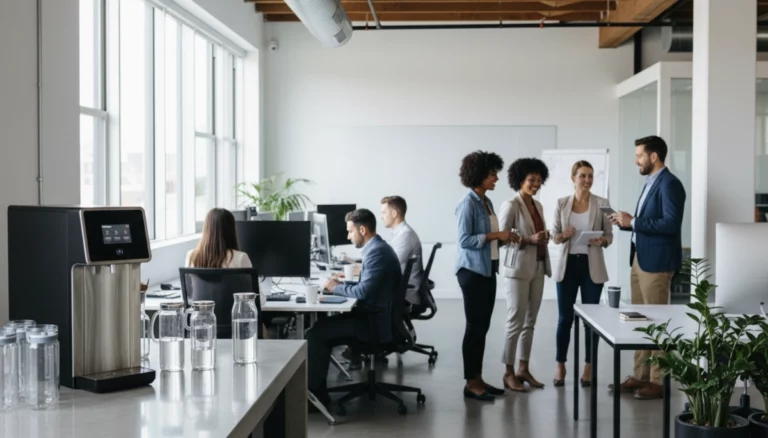
In the modern workplace, a filtered hydration station is no longer just a utility; it’s an employee perk. We see companies replacing the old 5-gallon jug coolers with sleek, wall-mounted bottle fillers to support sustainability goals and employee wellness.
The focus here shifts to water quality and design. Office managers look for units that integrate seamlessly into a break room or hallway aesthetic. A sustainable hydration solution that tracks the number of plastic bottles saved (via a digital counter) is a huge morale booster and aligns with corporate ESG (Environmental, Social, and Governance) strategies.
Gyms and Fitness Centers: The Need for Speed and Chill
If you have ever waited in line at the gym to fill a 32oz shaker bottle with a slow trickle of warm water, you know the frustration. In fitness environments, users are dehydrated and impatient. They need a refrigerated water station that delivers a high flow rate.
- Rapid Refill: Users need to fill large bottles (20oz to 64oz) quickly to get back to their workout.
- Chilled Water: Room temperature water doesn’t cut it here; high-capacity cooling is essential.
- Touchless Tech: A touchless bottle filler is non-negotiable in gyms to prevent the transfer of sweat and bacteria between machines and water points.
Public Venues and Airports: Handling Massive Crowds
For airports, train stations, and large parks, the challenge is sheer volume. These locations require a commercial water dispenser capable of running almost continuously without overheating or losing pressure.
We also see a rising demand for the outdoor refill station in public parks. These units must be weather-resistant, freeze-resistant, and ADA compliant to ensure accessibility for everyone. In these high-traffic zones, reliability is the only metric that matters—if the station goes down, the complaints pile up instantly.
How Buyers Typically Evaluate Water Bottle Filling Stations
Choosing the right water bottle filling station isn’t just about picking the sleekest design; it’s about matching technical specs to your building’s traffic patterns. When I talk to facility managers, the biggest mistake they make is underestimating peak usage times. A station in a quiet office hallway has very different requirements than one next to a high school gym.
To get the best value, you need to weigh throughput against filtration quality and long-term operating costs.
Throughput vs. Filtration Performance
The most critical metric is the flow rate. A standard high flow rate dispenser should deliver between 1.1 and 1.5 gallons per minute (GPM). If the flow is too slow, you get lines forming during breaks, which defeats the purpose of convenience. However, high flow can sometimes compromise filtration if the pressure isn’t managed correctly.
- Chilled vs. Ambient: A refrigerated water station is standard for indoor public spaces, but it requires more energy and ventilation. If you are installing outdoors or in a climate-controlled area, a non-refrigerated unit might save on upfront costs.
- Hygiene Specs: Beyond basic sediment filters, look for advanced sanitation. For high-risk areas, I always recommend units that incorporate effective UV water treatment systems to ensure the water is pathogen-free right at the moment of dispensing.
Calculating Long-Term ROI
The return on investment (ROI) comes from two places: reduced plastic waste and lower maintenance overhead.
Most modern units feature a green ticker counter—a visual display showing how many plastic bottles have been saved. This isn’t just a gimmick; it’s a crucial metric for reporting sustainability goals to stakeholders. When evaluating a commercial water dispenser, look at the filter capacity. A unit that requires a filter change every 3,000 gallons is far more cost-effective operationally than one needing service every 500 gallons.
Quick Evaluation Checklist:
- Capacity: Does the chiller recovery rate match your peak traffic?
- Accessibility: Is the design fully ADA compliant with side and front actuation?
- Durability: Is the exterior heavy-gauge stainless steel or plastic?
- Serviceability: Can you access the filter and electronics without removing the unit from the wall?
Partnering for Custom OEM/ODM Solutions with Driplife
Finding a generic supplier is easy, but partnering with a manufacturer who understands the engineering behind a reliable water bottle filling station is a different game. At Driplife, we don’t just ship standard units; we engineer specific solutions for your market. As a dedicated OEM water station manufacturer, we help businesses, facility managers, and distributors build branded, high-performance hydration networks that actually last.
Whether you need a rugged commercial water dispenser for an industrial site or a sleek, touchless unit for a corporate lobby, we handle the heavy lifting. We specialize in integrating robust filtration engines—such as our high-capacity 800-2000GPD reverse osmosis systems—directly into the infrastructure. This ensures your stations maintain high flow rates even during peak usage hours.
Why partner with us for your project?
- Tailored Branding & Design: We offer enclosure customization so the station matches your brand identity or building aesthetic seamlessly.
- Advanced Hygiene: We can engineer safety features into the build, such as embedding UV water purifiers to ensure chemical-free disinfection at the point of dispense.
- Cost-Effective Scalability: Direct manufacturing allows you to deploy a premium RO water filling station network without the steep middleman markups.
If you are looking for a sustainable hydration solution that is built to your exact specifications rather than a “one-size-fits-all” catalog item, we are ready to execute your vision.